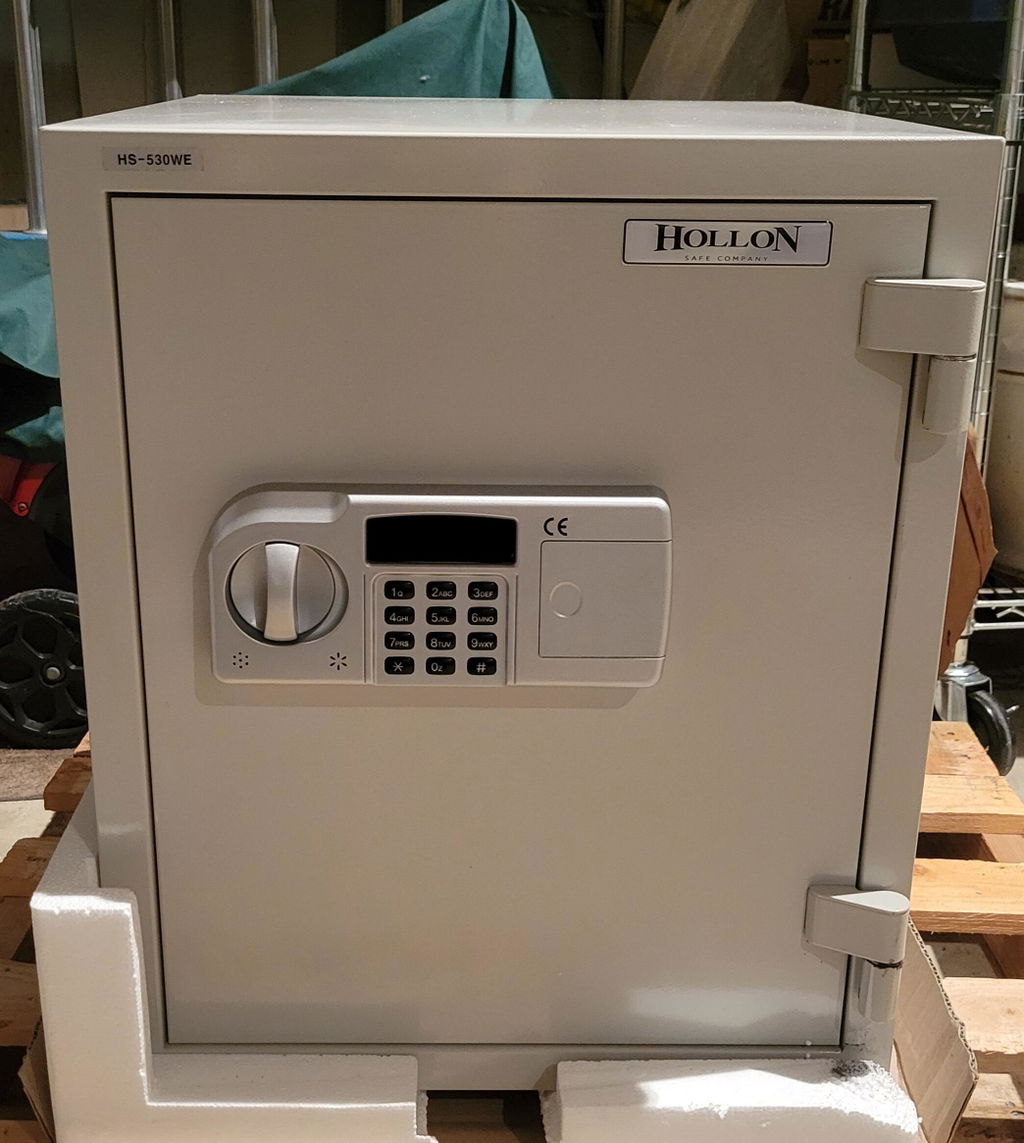

A 700-pound safe feels “permanent” until you watch a two-person crew tilt it onto a dolly and roll it out in minutes. Most safe thefts that make the news are not Hollywood break-ins - they are quick removals. Bolting a safe down is what turns a heavy object into a fixed security asset, and it also reduces tipping risk when doors are open or drawers are extended.
This is a practical, homeowner-and-business-friendly walkthrough for how to bolt down a safe with the right hardware and the right expectations. The specifics depend on what you are anchoring into (concrete slab, wood subfloor, or wall studs), the safe’s base design, and the level of security you are trying to achieve.
Before you start: confirm the safe is meant to be anchored
Most full-size gun safes, burglary safes, and many fire safes have factory anchor holes in the floor of the safe, sometimes with a removable carpet or mat panel covering them. Some compact safes and certain fire-only models are not designed for anchoring, or the manufacturer may specify a particular method to preserve a fire seal.
If your safe has pre-drilled anchor points, use them. Drilling new holes through a safe body can compromise fire protection, internal relockers, or the integrity of the door jamb area depending on where you drill. If you cannot find the anchor locations, remove the interior floor panel and look for plugged holes or bolt-down plates.
Also check the warranty and the manual. Some brands include hardware. Many do not - because the “right” anchors depend entirely on your floor type and thickness.
Placement matters more than most people think
Bolting down is not just about the bolts. It is about preventing access to leverage points.
If possible, place the safe so the hinge side is close to a wall and the back is close to a wall. That reduces prying space and makes it harder to get tools behind it. For retail, back-of-house placement with controlled sightlines matters as much as the anchors.
Pay attention to door swing and tipping. When a large door is open, the center of gravity shifts forward. A safe that is not anchored can tip, especially on carpet or uneven flooring. If you are installing on a raised platform or a second story, confirm the floor structure can support the load, and consider professional placement.
Tools and hardware: pick anchors that match your floor
Your safe is only as secure as what it is attached to. The best-looking bolt job can fail if it is set into weak material.
For concrete, you are typically choosing between wedge anchors, sleeve anchors, or concrete screw anchors. Wedge anchors provide strong hold in solid concrete when installed correctly, but they require proper hole depth and good concrete condition. Concrete screw anchors are convenient and widely used, but you need correct pilot hole size and sufficient embedment.
For wood subfloors, lag bolts into floor joists are the goal. Lagging only into plywood or OSB may stop a casual tip-over, but it is not the same as anchoring into structural framing.
In most installs you will use a hammer drill (concrete), a regular drill/driver (wood), the correct masonry bit, a vacuum to clear dust from holes, washers, and a torque wrench or ratchet. If your safe’s anchor holes are oversized, use hardened washers to prevent pull-through.
How to bolt down a safe to concrete (garage slab or basement)
Concrete is usually the strongest anchoring option, but it is also the easiest to do wrong if you rush hole placement or don’t clear dust.
Start by positioning the safe exactly where you want it. Check door clearance, and confirm you can access the interior floor area where the anchor holes are located. If the safe has an interior floor panel, remove it so you can see the holes.
Next, mark the hole locations. Some people drill through the safe’s anchor holes directly into the concrete, which can work if you can keep the drill vertical and you have enough space. Another method is to mark the holes with a pencil or marker through the anchor holes, slide the safe out of the way, drill the slab, then slide the safe back and bolt it down. With very heavy safes, drilling through the safe is often more practical.
Drill the holes with the correct masonry bit size for your anchors. The anchor packaging will specify the diameter and required depth. Depth matters because dust and shallow holes prevent full expansion or full thread engagement. After drilling, vacuum the dust from each hole and blow it out if possible. Dust left in the hole is a common reason anchors do not seat correctly.
Set the anchors according to the type you are using. For wedge anchors, you typically insert the anchor through the safe’s base hole, tap it down into the concrete, then tighten the nut to expand the wedge. For concrete screw anchors, you align the safe and drive the anchor through the safe into the pilot hole, being careful not to strip the threads.
Tighten firmly, but do not crush the safe’s bottom sheet metal if it is a fire safe with thinner outer material. Use washers to spread the load. If the safe base has a recessed channel, confirm the washer sits flat.
Finally, re-install the interior floor panel and confirm the door opens and closes smoothly. If the safe shifted during tightening, loosen and re-align before fully torquing.
Concrete “it depends” scenarios
If your slab is cracked, spalling, or thin, anchoring strength can drop significantly. In older garages and some basements, the concrete near edges or control joints can be weak. If you are within a few inches of a slab edge, move the safe inward if possible.
If you have radiant heat tubing in the slab, stop and verify the layout before drilling. The safest approach is to use an alternate location or a different anchoring strategy rather than guessing.
How to bolt down a safe to a wood floor
Wood floors can be excellent when you anchor into joists. The key is finding the structure.
Locate the joists using a stud finder, measurements from a basement/crawlspace, or construction plans. If you cannot confirm joist locations from above, go below if accessible. Anchoring into a joist gives you far more resistance to pull-out and prying than anchoring into subfloor only.
With the safe positioned, mark the anchor holes and confirm they land over joists if possible. If they do not, you have options: shift the safe a few inches, use a steel backing plate below the subfloor (if you have access from underneath), or accept that you are primarily preventing tipping rather than determined removal.
Drill pilot holes for lag bolts. Pilot size depends on the lag diameter and the wood species, but the goal is to avoid splitting and to ensure the lag bites properly. Use large washers inside the safe to distribute force.
Drive the lag bolts down snug. You want firm contact without stripping the wood. If a lag spins freely, it is not holding - you may have missed the joist or over-drilled the pilot.
Wood-floor cautions
Avoid anchoring through finished hardwood without a plan to protect the surface. A safe that shifts slightly while you align holes can gouge flooring. Use furniture sliders or a thin protective sheet while positioning, then remove it once the safe is ready to anchor.
If you are on an upper story, consider how the safe load is distributed. A long safe that spans multiple joists is generally better than a concentrated load in one spot. For high-value contents, a contractor or structural professional can help you avoid surprises.
What about bolting a safe to a wall?
Floor anchoring is usually the priority because it prevents tipping and makes removal dramatically harder. Wall anchoring can be a helpful supplement for smaller safes, quick-access handgun safes, or in settings where floor drilling is not allowed.
If you anchor to a wall, you want studs - not drywall. Use heavy-duty lag screws into studs, and confirm the safe’s design supports wall mounting. Some compact safes are engineered for it with reinforced back plates. Many large safes are not intended to hang loads off the rear panel.
Common mistakes that make a bolt-down weaker
The biggest failure points are predictable.
Using the wrong anchor for the base material is common, especially mixing up anchors intended for hollow block versus solid concrete. Another frequent issue is drilling oversized holes, which reduces holding power. Skipping washers, under-tightening, and not cleaning concrete dust all reduce performance.
Placement mistakes matter too. If the safe is installed where a pry bar can get behind it easily, the attacker’s leverage improves. Anchors help, but you still want to limit working room.
Security trade-offs: anchoring helps, but it is not the whole plan
Bolting down is a major upgrade, but it does not replace layered security. If a safe is visible from a front window, or if the alarm never gets armed, an anchor is doing too much work.
For firearms, also consider dehumidification and organization so you actually use the safe daily. For businesses, think about access control: who has codes, how codes are changed, and whether a deposit safe or TL-rated unit better matches your risk.
If you want help matching the anchoring plan to the safe type you are buying, Secure Zoned’s team can walk through options based on your floor type, safe category, and security goals at https://securezoned.com.
A well-anchored safe does two things at once: it raises the time and tools required for theft, and it makes everyday use safer and more stable. That is exactly the kind of quiet, practical advantage you want from security - the kind you only notice when you need it.