How to Choose the Right Jewelry Safe
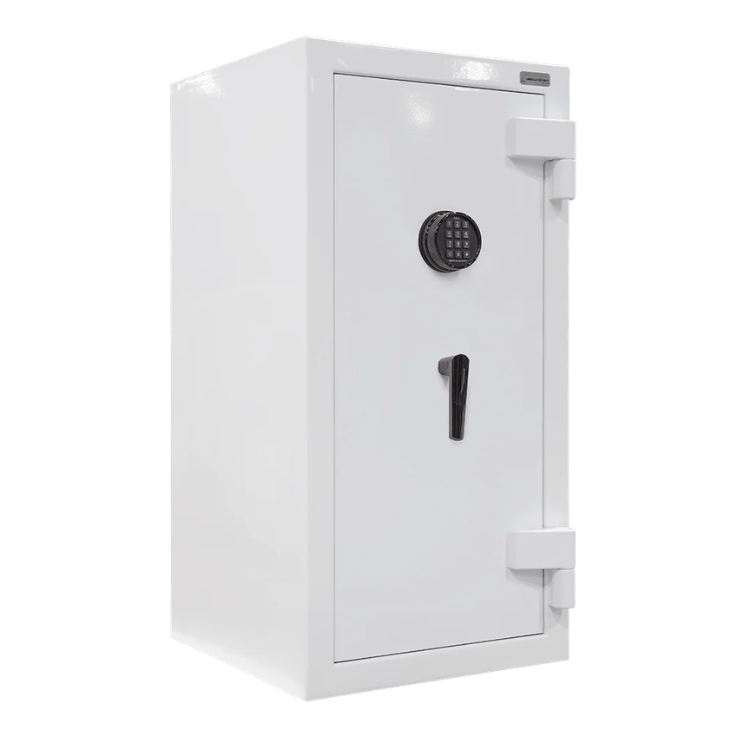
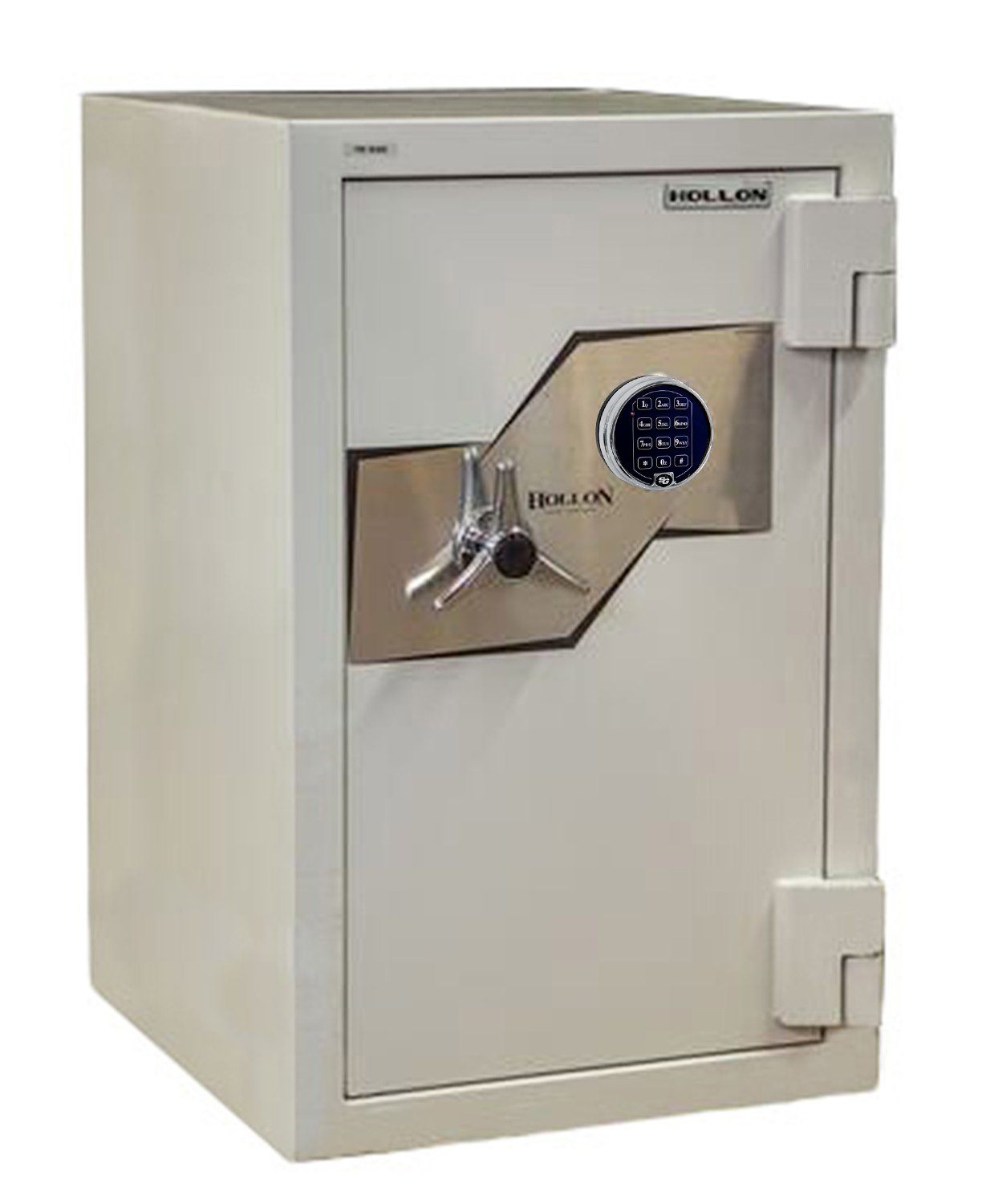
A jewelry safe is built differently than a standard home safe. The interior is lined to protect delicate metals and gemstones, and the dimensions are designed to fit rings, necklaces, watches, and bracelets alongside important documents. Here is what separates a quality jewelry safe from one that falls short.
Fire Protection: The Most Overlooked Feature
Jewelry is highly vulnerable to heat. Gold melts at 1,945 degrees Fahrenheit, but most house fires reach 1,100 degrees within minutes. The larger risk is fire suppression water and steam, which can damage soft stones, organic materials like pearls and opals, and vintage pieces. A fire-rated safe keeps the interior below 350 degrees Fahrenheit for its full rated duration, protecting everything inside from both fire and suppression damage.
| Fire Rating |
Best For |
Notes |
| 30 minutes |
Urban apartments |
Adequate where fire response times are short |
| 60 minutes |
Suburban homes |
Most popular choice for home jewelry storage |
| 90 to 120 minutes |
Rural properties, high-value collections |
Recommended for irreplaceable heirlooms and fine jewelry |
Lock Type: Speed vs. Security
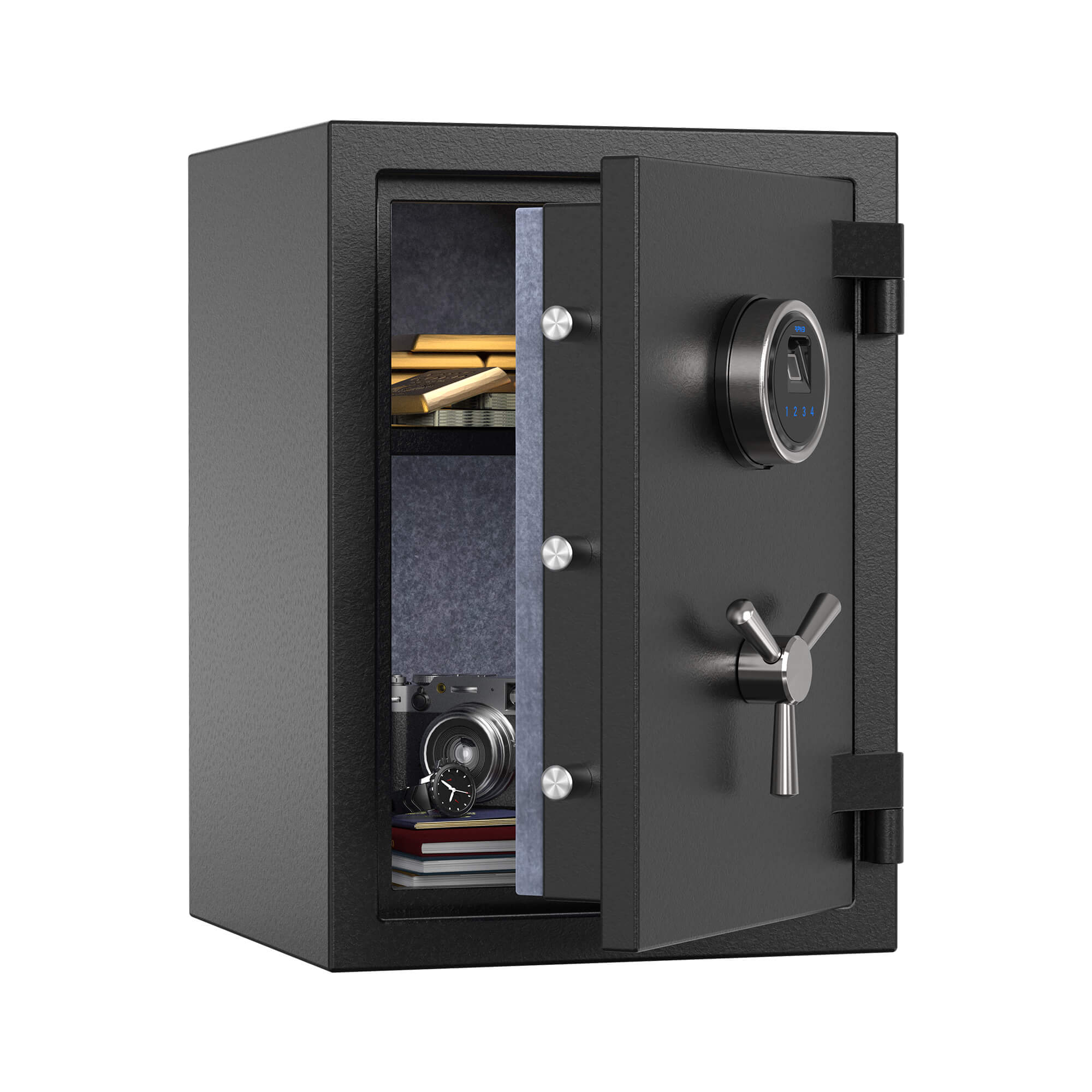
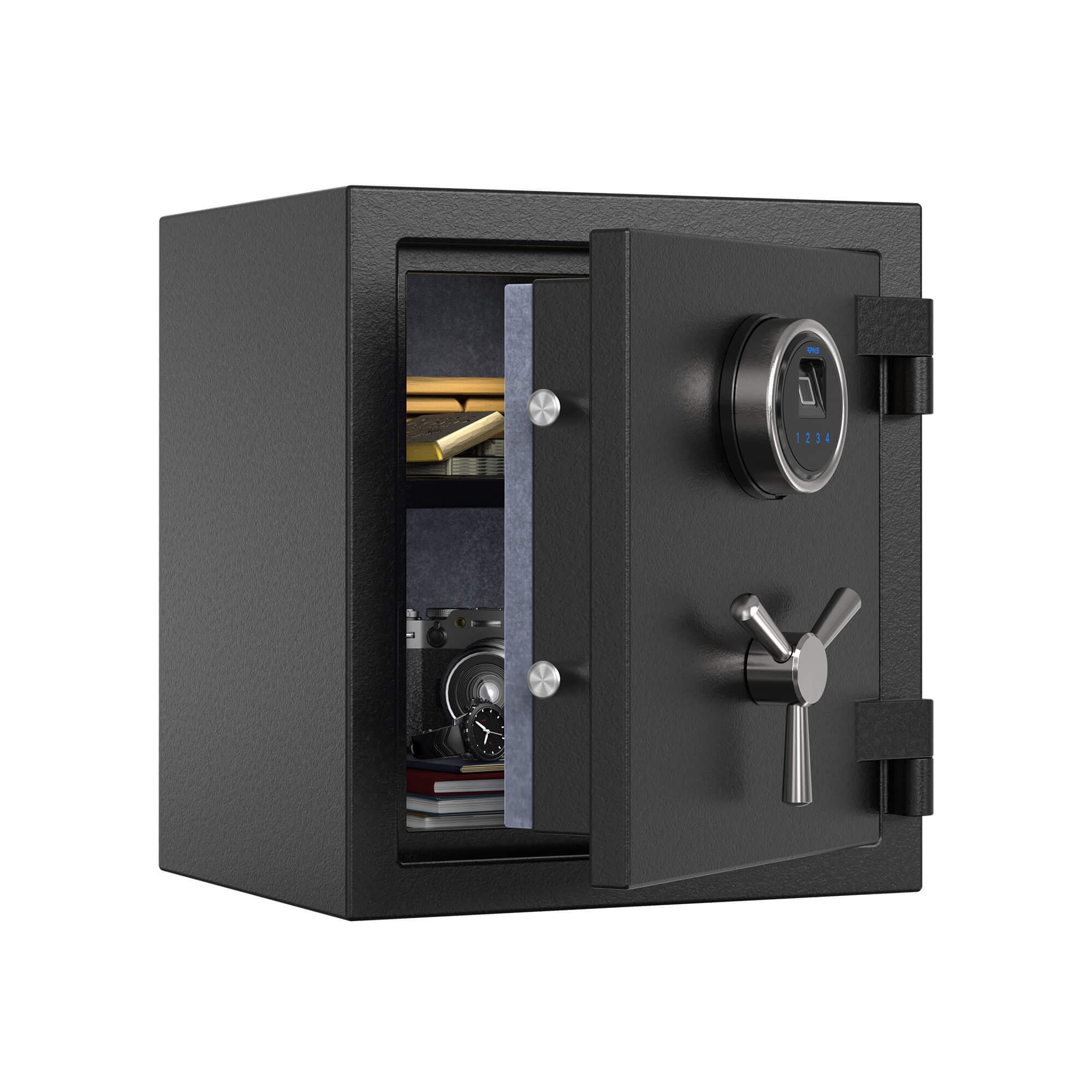
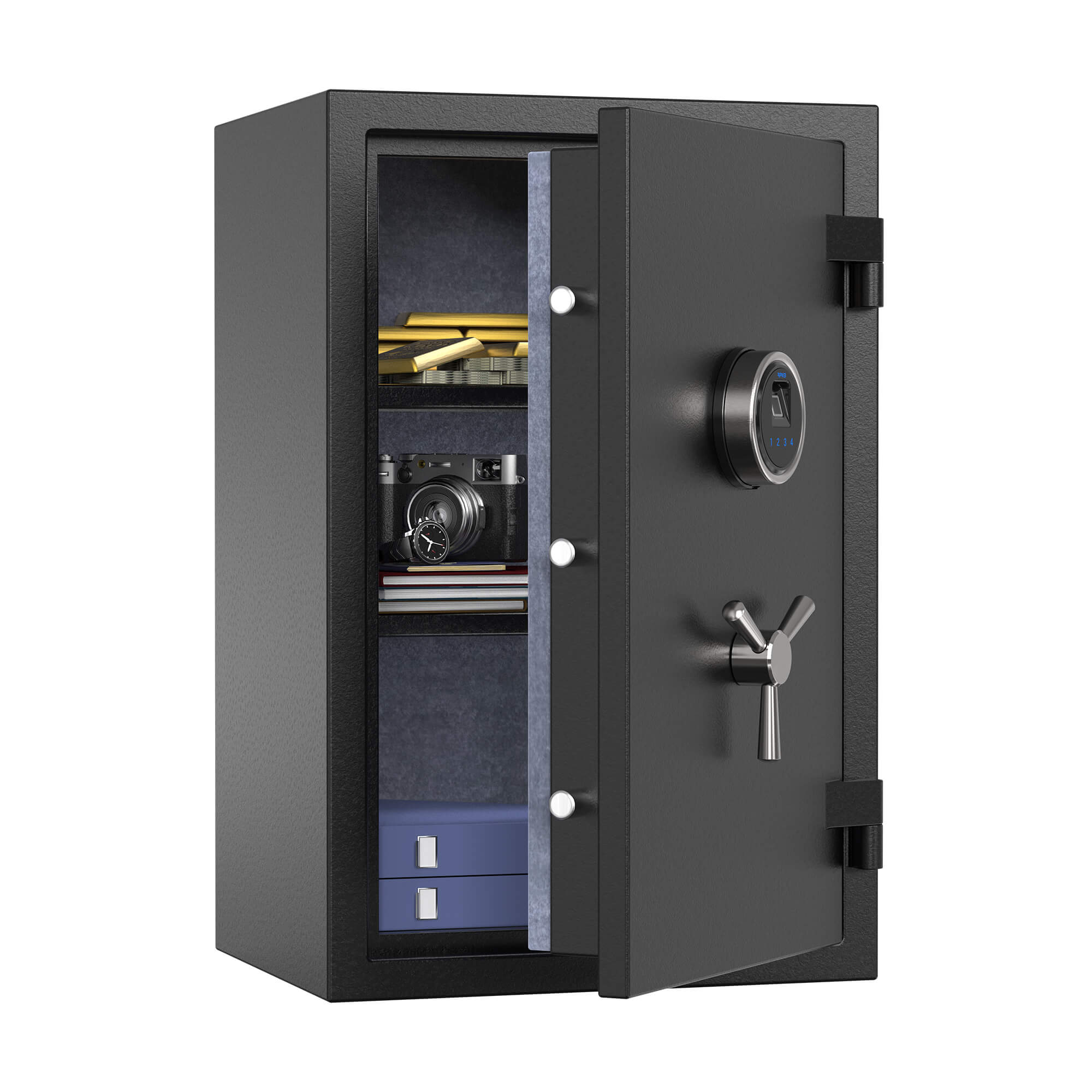
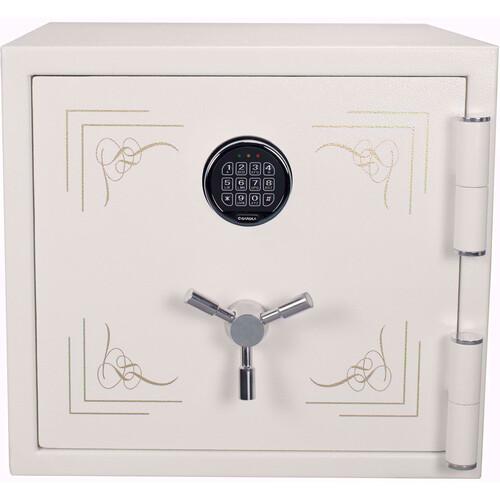
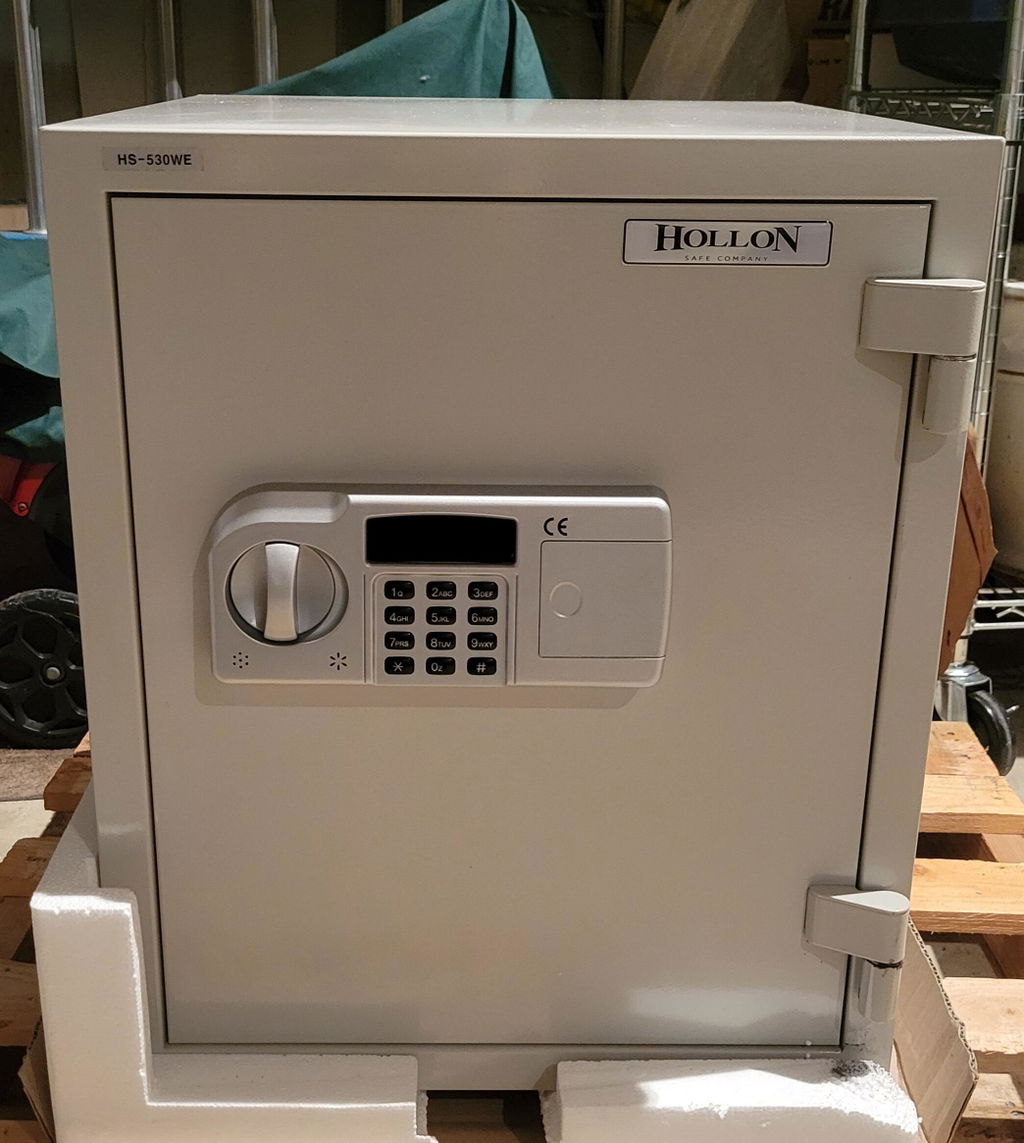
Jewelry safes are available with electronic keypads, biometric fingerprint readers, and traditional key locks. Biometric models are the best choice if you access your safe frequently, such as when selecting jewelry before leaving the house. Electronic keypad models offer a solid balance of speed and reliability. Always choose a model with a backup key override in case the electronic components fail.
Interior Features: More Than Just Space
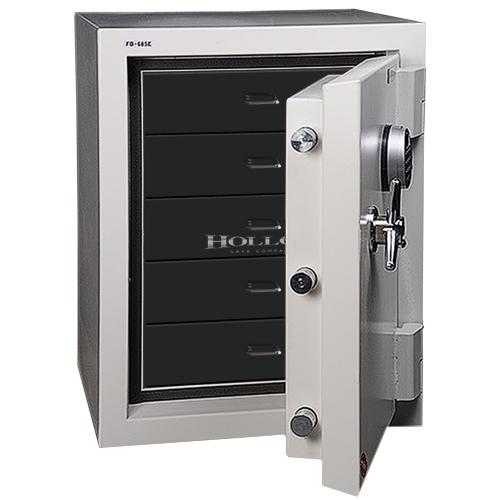
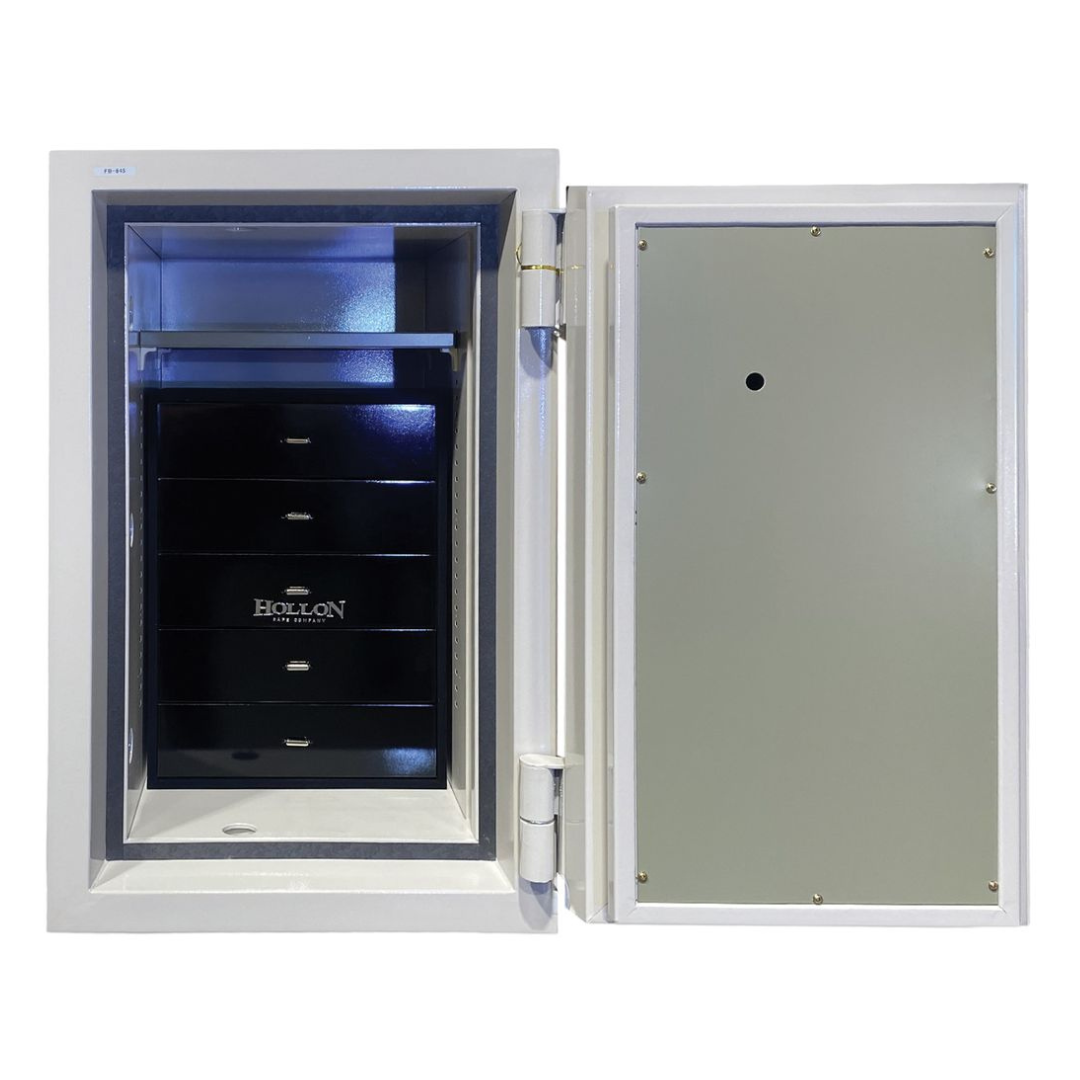
Look for a soft velvet or fabric-lined interior that will not scratch metals or snag chains. Removable ring rolls, necklace hooks, watch pillows, and adjustable shelves make it easier to organize a large collection without damage. Some models include interior LED lighting for low-light access. A drawer-style jewelry safe doubles as a dresser top organizer, giving you daily access without opening a vault-style door every time.
Jewelry Safe Frequently Asked Questions
What is the best type of safe for jewelry?
A jewelry safe with a fabric-lined interior, a fire rating of at least 60 minutes, and biometric or electronic keypad access is the best all-around choice. Look for ring rolls, necklace hooks, and watch pillows rather than plain steel shelves, which can scratch delicate pieces.
Can I store jewelry in a regular gun safe?
You can, but a standard gun safe is not designed for jewelry storage. The interior is typically bare steel, which can scratch metals and snag chains. A dedicated jewelry safe has a soft lining, organized compartments, and is sized for easy browsing rather than just secure storage.
Where should I put a jewelry safe in my home?
A bedroom closet is the most common location, offering privacy and quick access. Anchor the safe to the wall or floor even if it feels heavy — bolted safes are significantly harder to steal. Avoid locations with high humidity, such as bathrooms or unfinished basements, unless you use a dehumidifier rod inside.
Are jewelry safes fireproof?
No safe is completely fireproof, but fire-rated jewelry safes are tested to keep the interior below 350 degrees Fahrenheit for a set duration. Look for UL-listed ratings rather than manufacturer claims alone. A 60-minute UL fire rating is the standard for most home use.
Should I bolt down a jewelry safe?
Yes, always. Most jewelry safes are light enough to carry, which means a burglar can simply take the whole safe and crack it later. Anchoring to a wall stud or floor joist prevents this even if the safe is small. Most models include pre-drilled anchor holes and mounting hardware.
How much should I spend on a jewelry safe?
A quality jewelry safe with a 60-minute fire rating, biometric lock, and fabric-lined interior typically costs between $150 and $500 depending on size and brand. Larger models with more compartments and higher fire ratings cost more. Free shipping is included on all jewelry safes at SecureZoned.
Shop Related Safe Categories
Browse fireproof and biometric options across our full safe selection: