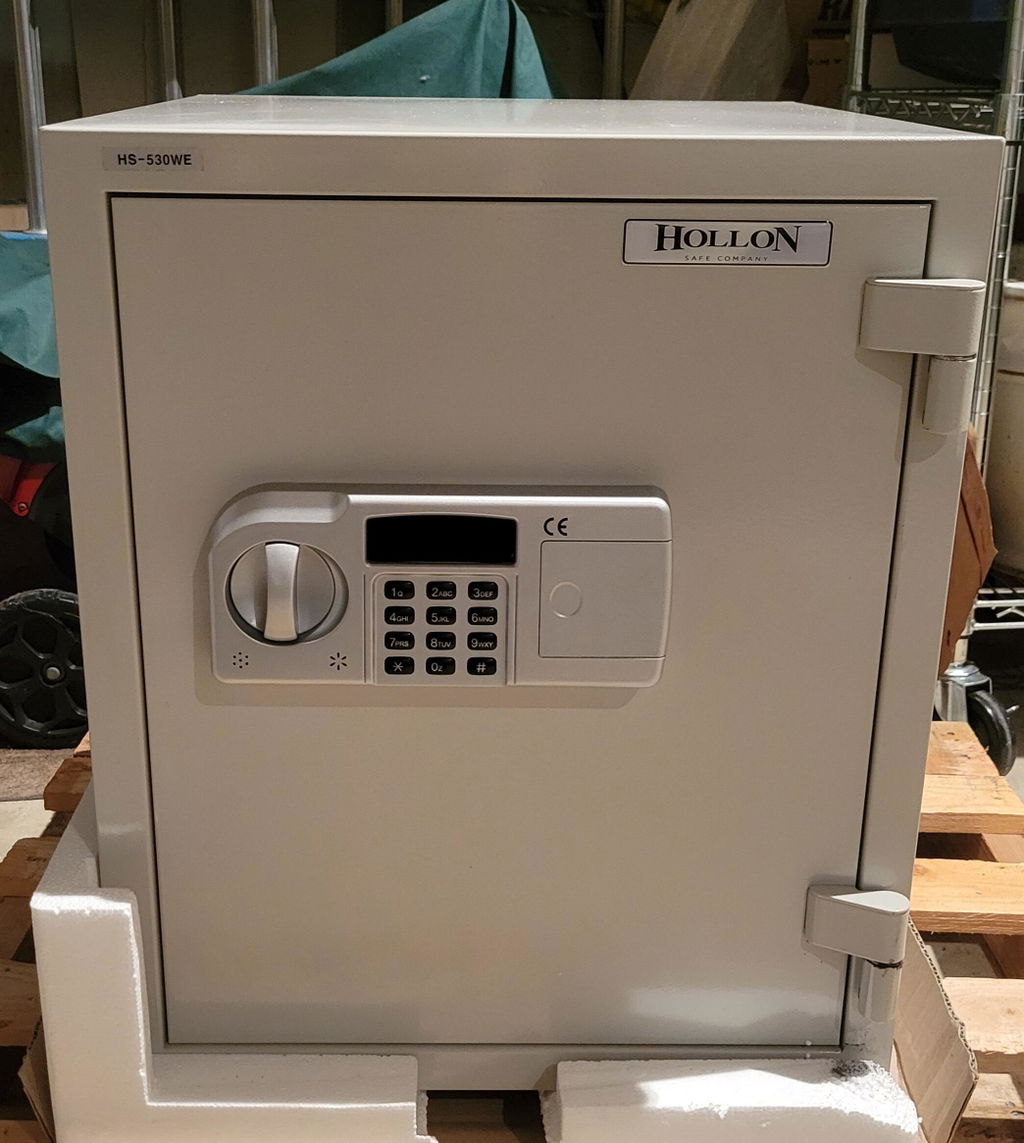
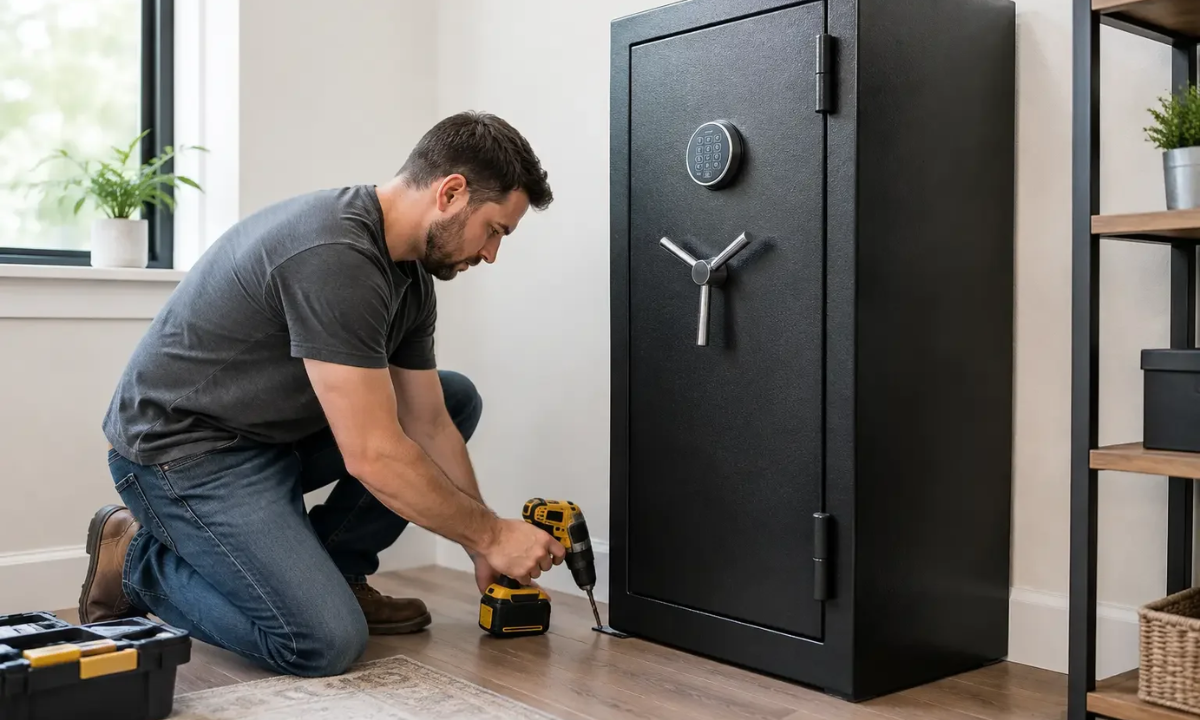
A gun safe that arrives at your curb is not yet providing the protection you paid for. Its final location, the way it is anchored, and even the route used to move it inside all affect how well it secures firearms from unauthorized access, theft, fire, and damage. Installing a gun safe is a practical project, but it is not one to rush - especially when a full-size safe can weigh several hundred pounds before firearms and accessories are added.
The goal is not simply to get the safe indoors. It is to place it where responsible access is realistic, its security features can work as intended, and your home can support the load for years to come.
Start With the Safe's Real Weight and Measurements
Before delivery day, look beyond the exterior dimensions on the product page. Check the safe's shipping weight, finished weight, depth with the handle and hinges, and door swing clearance. A 30-gun safe may look manageable on paper, yet its handle can catch a narrow doorway or its open door may block a closet entrance.
Measure every part of the path from the delivery point to the installation location: driveway, steps, gates, hallways, turns, door openings, and the room itself. Account for baseboards, handrails, low ceilings, and flooring transitions. If the safe must go upstairs, down to a basement, or across a long stretch of delicate flooring, professional delivery and placement are usually the safer choice.
Also confirm whether the safe can be tilted during transport. Movers may need to use a heavy-duty appliance dolly, lifting straps, plywood, and floor protection. The door should remain closed and locked while the safe is being moved. Never attempt to catch, steady, or reposition a falling safe. Its weight can cause severe injury in an instant.
Choose a Location That Supports Security and Daily Use
The best room depends on what you are protecting and how you need to access it. A bedroom or home office may suit a quick-access handgun safe, while a full-size rifle safe often works better in a secure interior room, basement, or dedicated storage area. The right answer balances convenience with discretion.
Avoid placing a gun safe in an obvious line of sight from a window or exterior door. A garage can be practical, but temperature swings, humidity, and visibility can be concerns. If the garage is your only realistic option, select a location away from the main door, use moisture control inside the safe, and anchor it carefully to a concrete slab.
A closet can offer concealment, but only if there is enough space to fully open the door and operate the lock. You should also be able to reach the bolt holes and, if needed, service the electronic lock. Packing a safe into a tight corner may make it less usable and harder to anchor correctly.
For homes with children or guests, location matters as much as lock type. The safe should not become a curiosity in a high-traffic room. Responsible storage means preventing unsupervised access while ensuring authorized adults can reach the safe when needed.
Check the Floor Before Installing a Gun Safe
A safe creates a concentrated load, not a light, evenly distributed furniture load. Concrete slabs are generally ideal for larger gun safes because they provide a stable surface and reliable anchoring. In a basement, verify that the area is dry and not prone to flooding.
Wood-framed floors require more thought. A modest handgun safe or smaller gun cabinet may be suitable, but a heavy fire-rated gun safe loaded with firearms can exceed 1,000 pounds. Placement near a load-bearing wall and across several floor joists is often preferable to the center of a room. If the safe is exceptionally heavy or will be installed on an upper floor, consult a qualified contractor or structural professional before committing to the location.
Protect finished flooring during installation. Plywood, moving blankets, or purpose-made floor runners can prevent scratches and dents while the safe is moved into place. Once positioned, a thin rubber mat can help protect hardwood or tile from abrasion. Do not use a thick, soft pad that lets the safe rock or makes anchoring less secure.
Moisture deserves equal attention. Basements, garages, and exterior-facing walls can create condensation risks. A dehumidifier rod or rechargeable desiccant inside the safe helps protect firearms, ammunition, documents, and valuables from corrosion and mildew. Keep the safe clear of plumbing lines and areas with a history of water intrusion whenever possible.
Anchoring Is Part of the Safe's Security Rating
A heavy safe is harder to remove than a lightweight one, but weight alone is not a substitute for anchoring. Most quality gun safes include factory-drilled anchor holes in the bottom, along with mounting hardware or clear instructions on the required fasteners. Use those holes whenever the installation surface allows it.
On concrete, anchoring typically involves appropriately sized concrete anchors installed through the safe's base into the slab. On a wood floor, fasteners should connect to structural framing, not just subflooring. A bolt that only grips plywood may resist little more than a determined pull.
The exact anchor type, diameter, embedment depth, and installation method should follow the safe manufacturer's instructions and the requirements of the floor material. Drilling into a post-tension slab, radiant-heated floor, electrical run, or plumbing line without checking first can create an expensive and dangerous problem. When there is any uncertainty, hire an experienced safe installer or contractor.
Anchoring also helps prevent tip-over hazards. A tall safe can become unstable if the door is loaded with organizer pockets, handguns, or accessories and opened aggressively. This is especially relevant in homes with children. Bolting the safe down protects both the contents and the people around it.
Set Up the Interior Before Loading Firearms
Once the safe is level, anchored, and tested, take time to configure the interior. Shelves, rifle racks, door organizers, and power outlets are easier to adjust before the safe is full. Make sure long guns fit without forcing them against the door or resting pressure on scopes, optics, or sights.
Store firearms unloaded unless your personal security plan and applicable laws require another arrangement. Keep ammunition organized according to your preference and the safe's capacity, but do not overload shelves beyond their intended use. Leave enough room to remove firearms safely without knocking neighboring items together.
If your safe has an electronic or biometric lock, install fresh batteries and test the lock several times with the door open. Program more than one authorized user only when appropriate, and keep the mechanical override key or emergency procedure secure and separate from the safe. Do not hide an override key in an obvious nearby drawer.
For a fire-rated gun safe, remember what the rating actually means. A stated fire rating, such as 60 minutes at a specified temperature, reflects a tested performance limit, not a guarantee that every item inside will survive every fire. Paper documents, digital media, firearms, and valuables can have different heat and moisture sensitivities. Consider separate protection for critical records and maintain secure digital copies where appropriate.
Know When Professional Installation Is Worth It
Professional placement is a smart investment when the safe is heavy, the route is complex, stairs are involved, or anchoring requires specialized knowledge. It can also reduce the risk of damaged flooring, injured helpers, scratched walls, and improper mounting.
This does not mean every small safe needs a crew. A compact quick-access handgun safe may be manageable with careful measuring and the correct mounting hardware. But for a large fire-rated rifle safe, a burglary-rated safe, or any model installed on a challenging surface, experience matters. The cost of a proper installation is small compared with repairing a damaged home or replacing a safe that was never secured correctly.
Before the installers leave, verify that the safe is stable, the door clears surrounding walls and furniture, the lock operates normally, and all anchor points are properly tightened. Keep the owner's manual, lock instructions, serial number, and proof of purchase in a secure separate location.
A well-chosen gun safe protects what matters most only when it is placed with the same care that went into choosing it. Plan the route, respect the weight, anchor to real structure, and make the safe easy for authorized users to operate responsibly. That extra preparation turns a large steel box into a dependable part of your home's security plan.