How to Choose an In-Wall Safe for Your Home
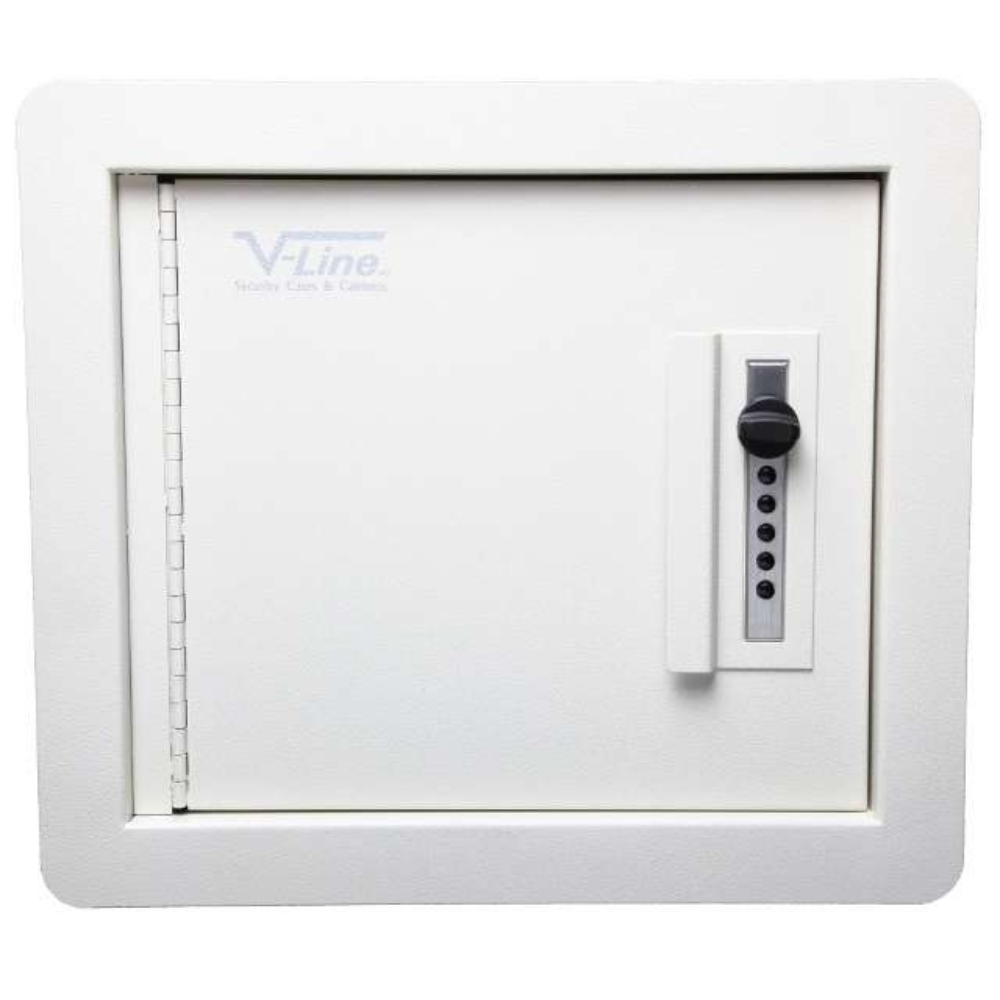
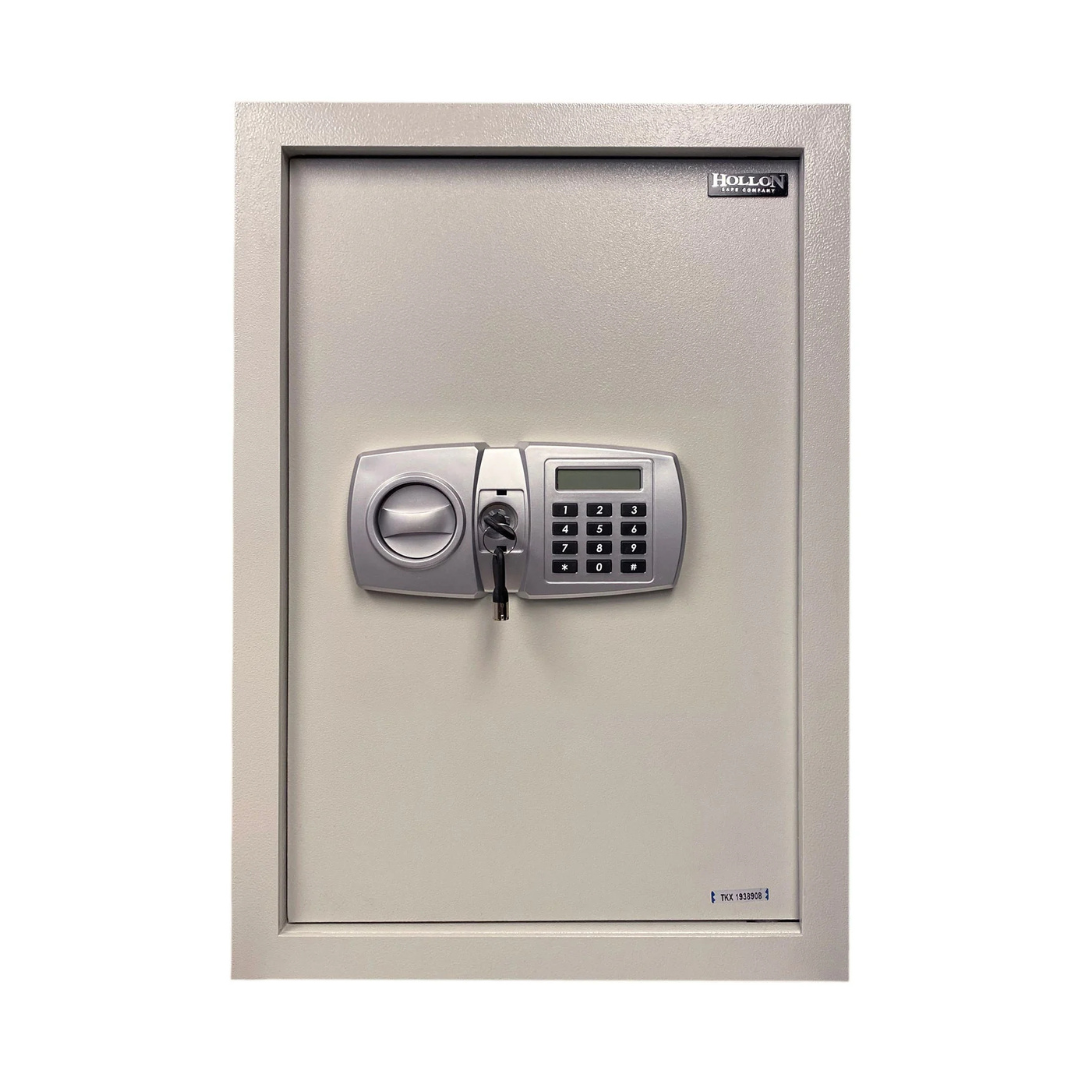
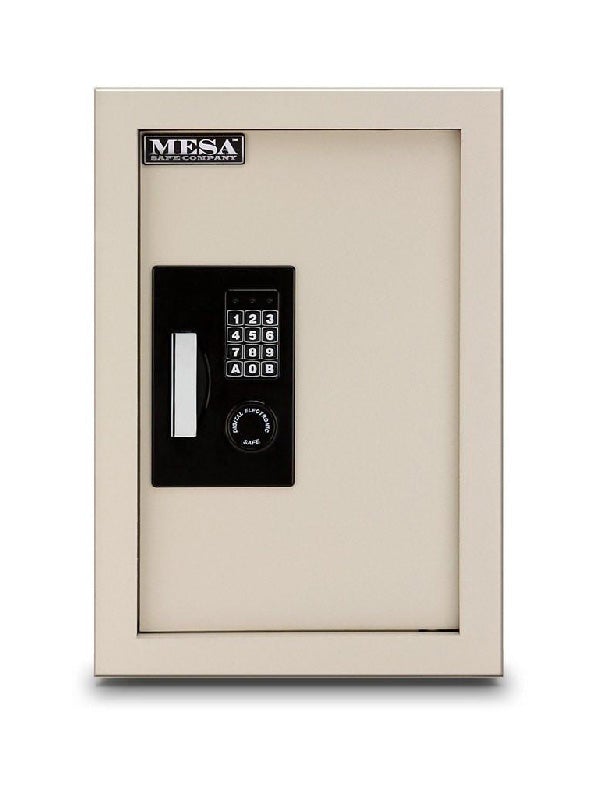
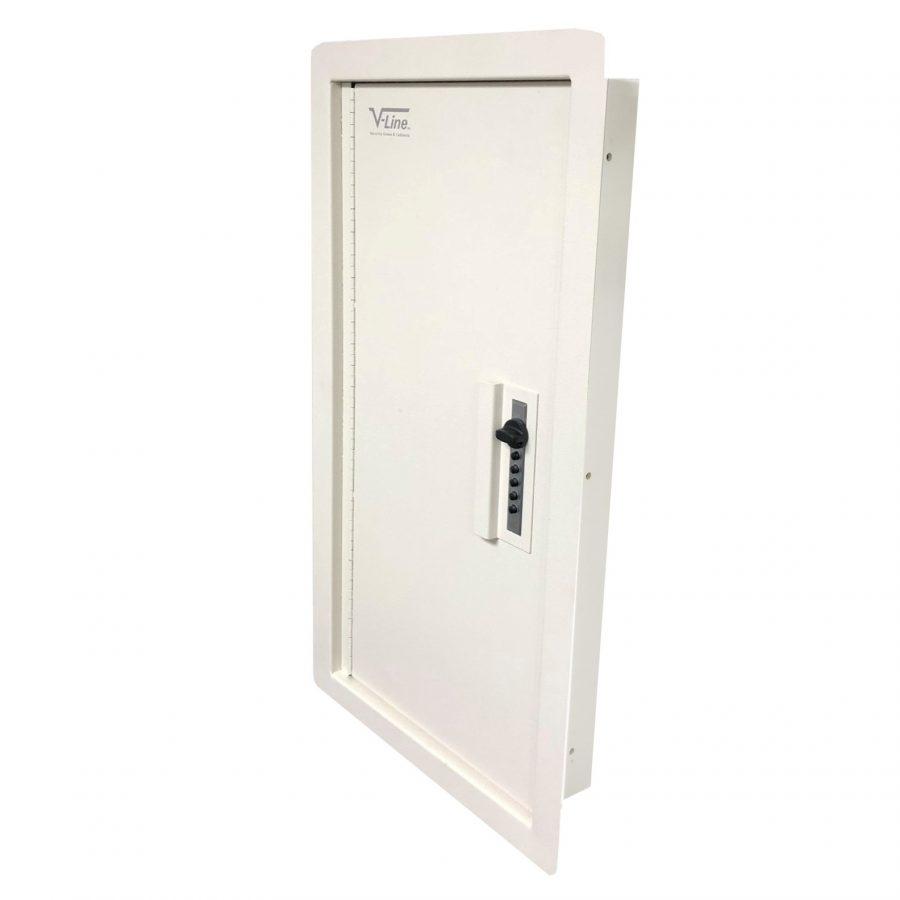
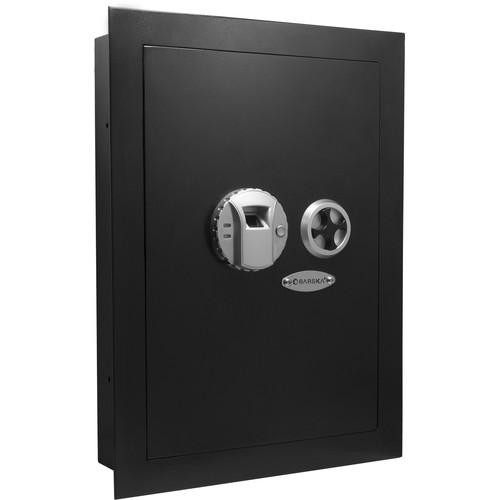
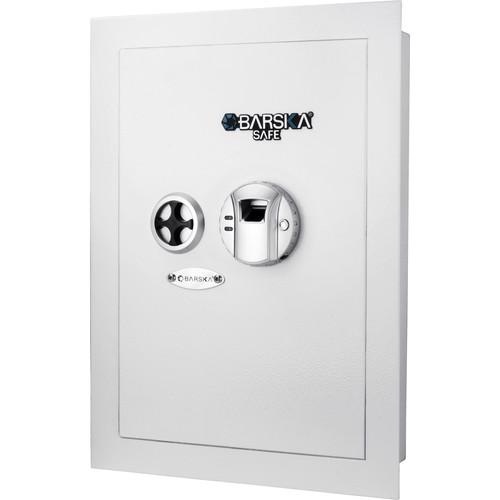
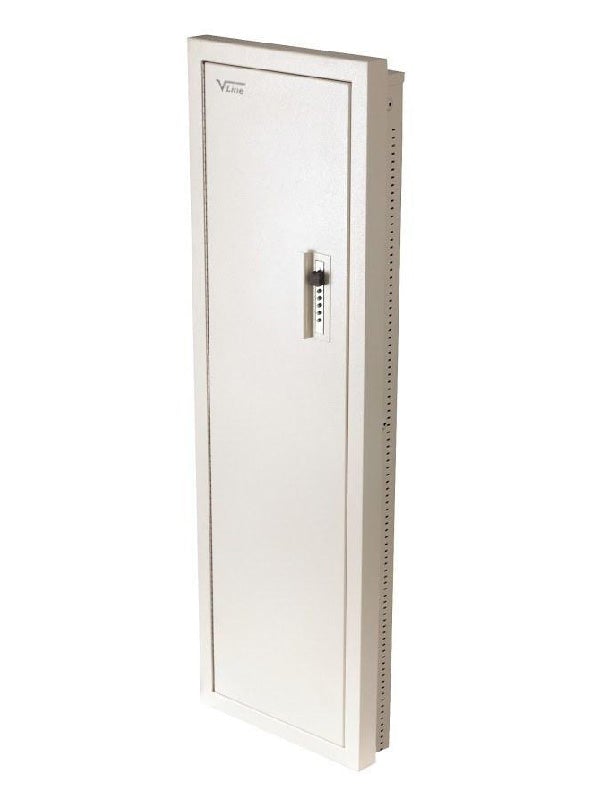
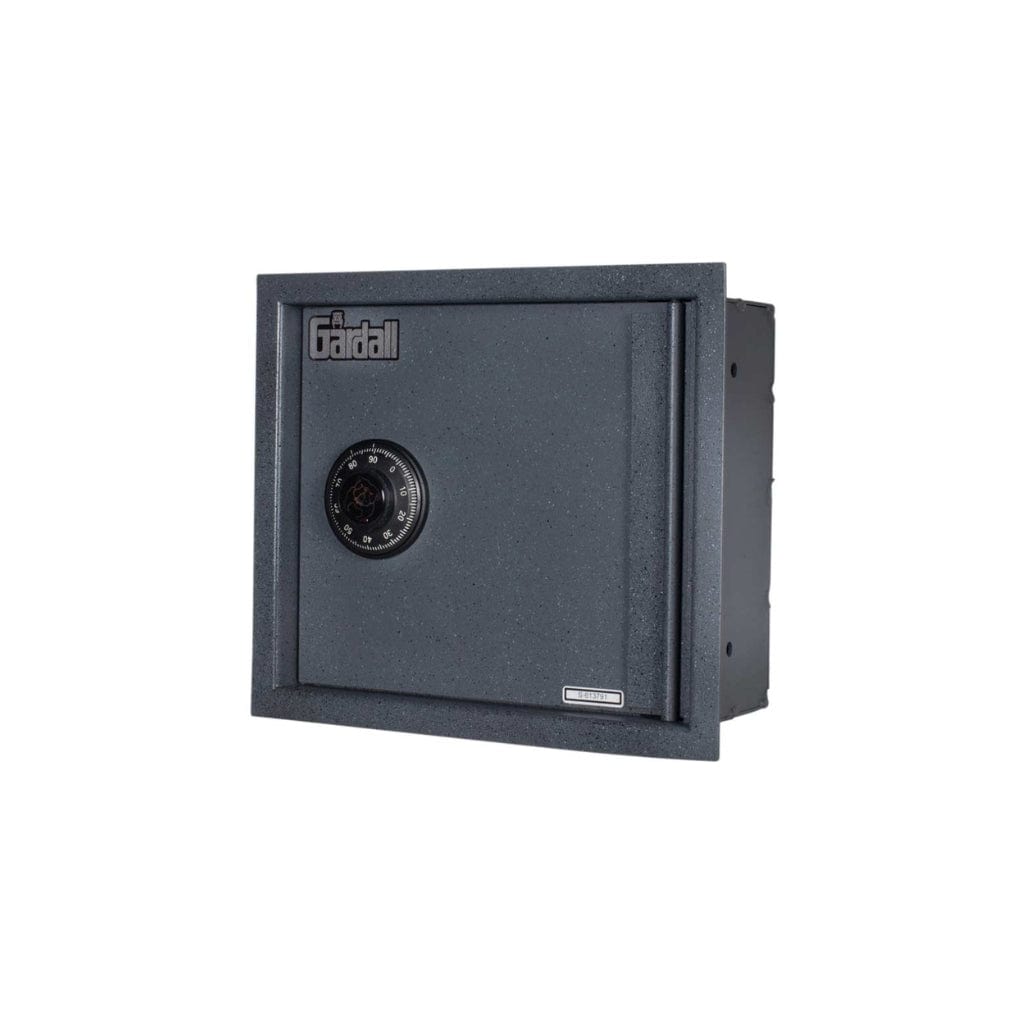
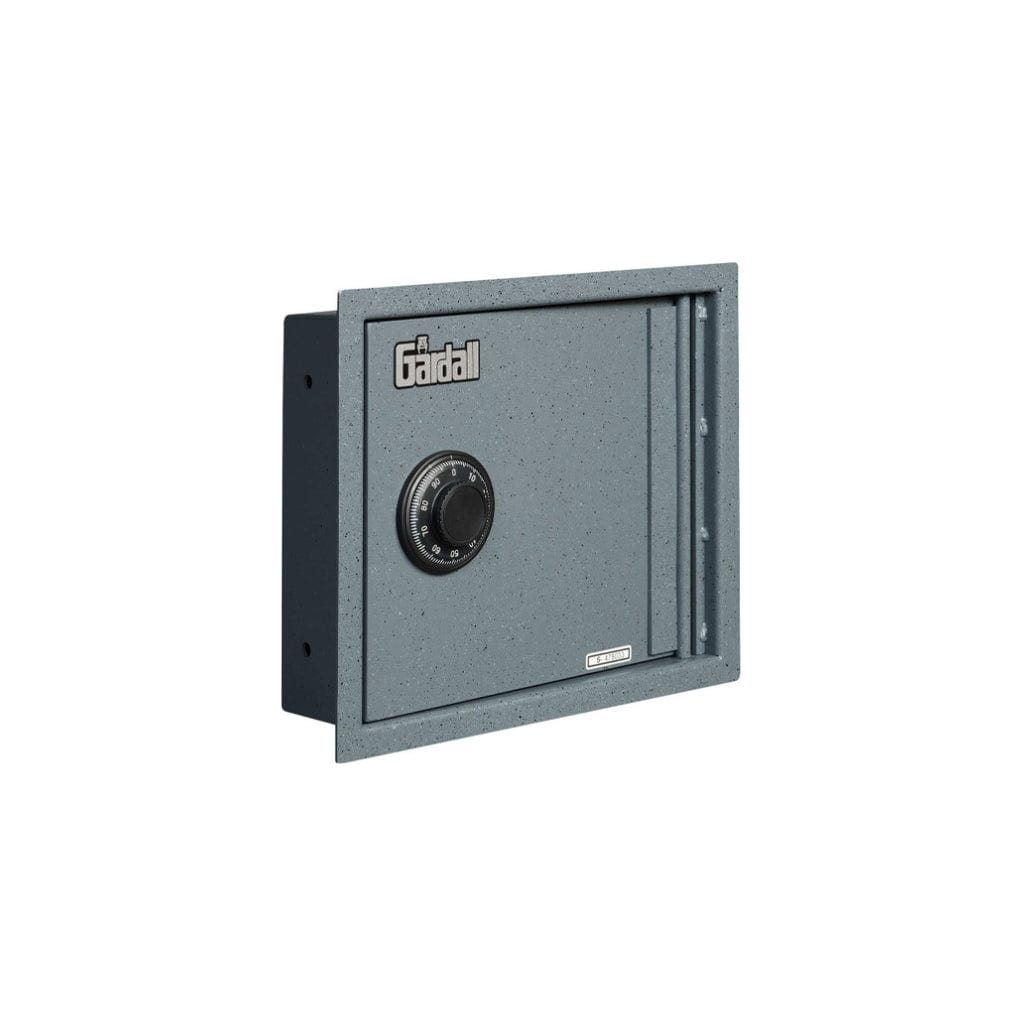
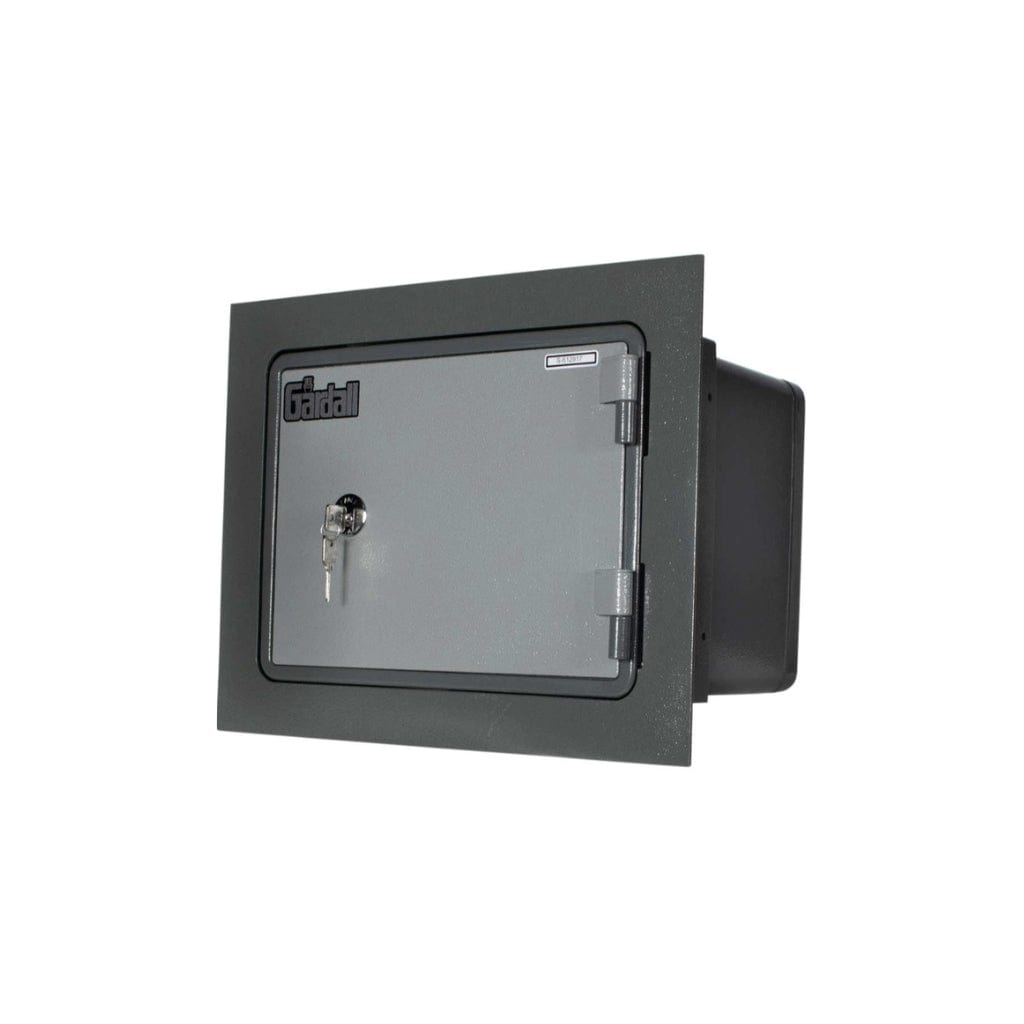
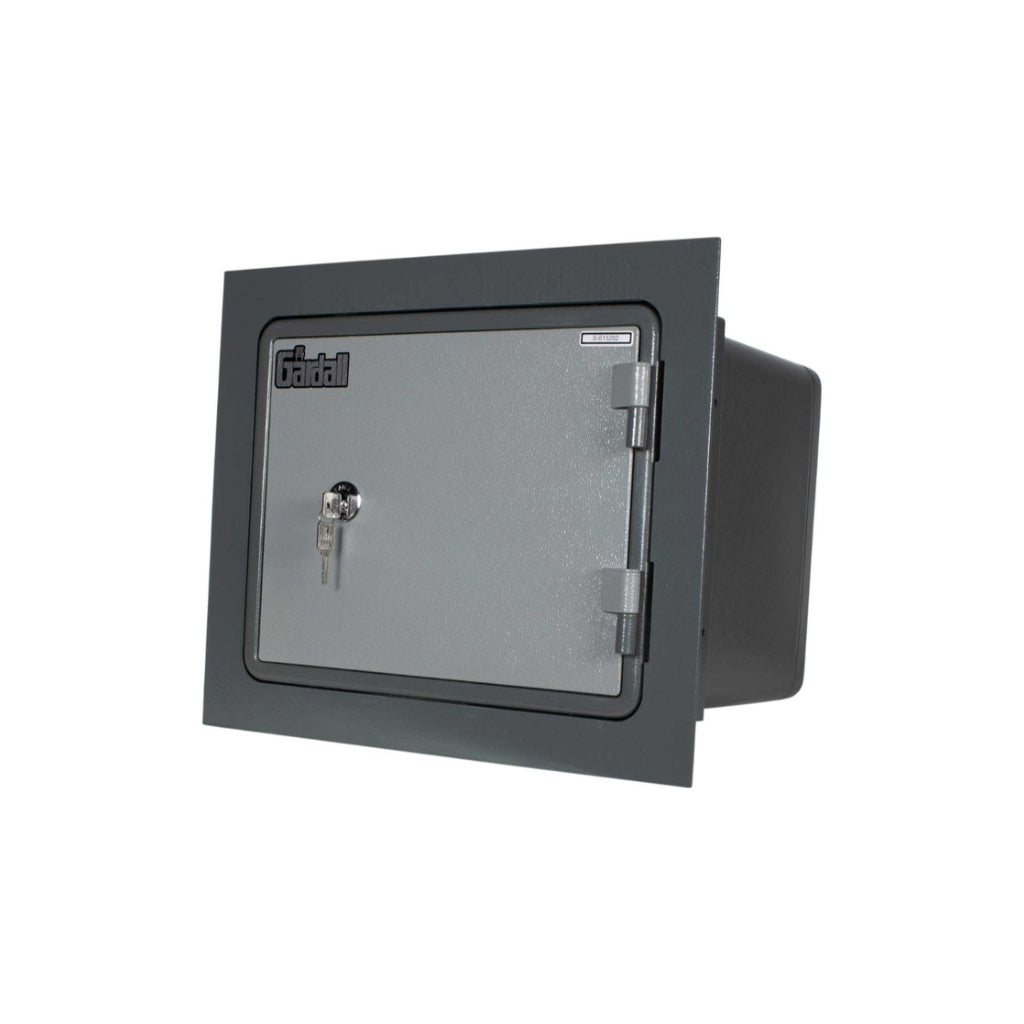
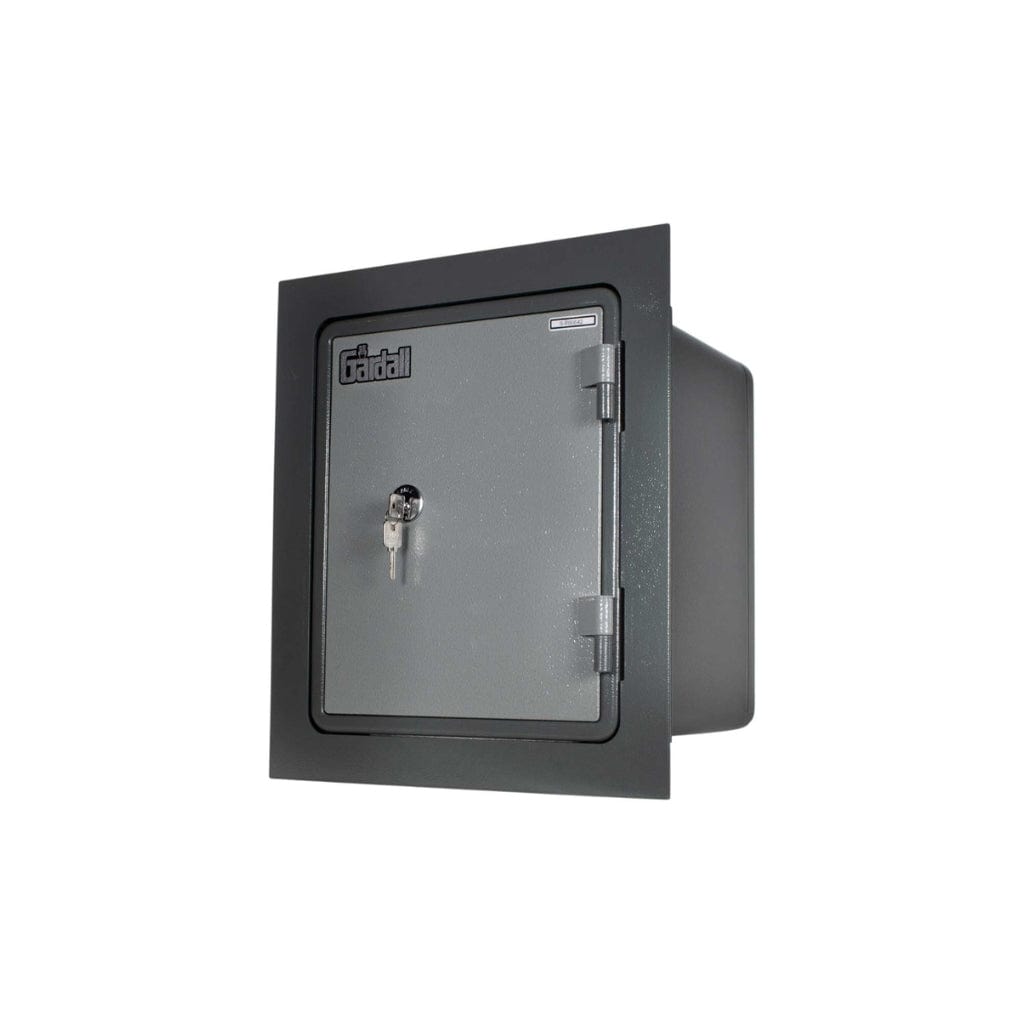
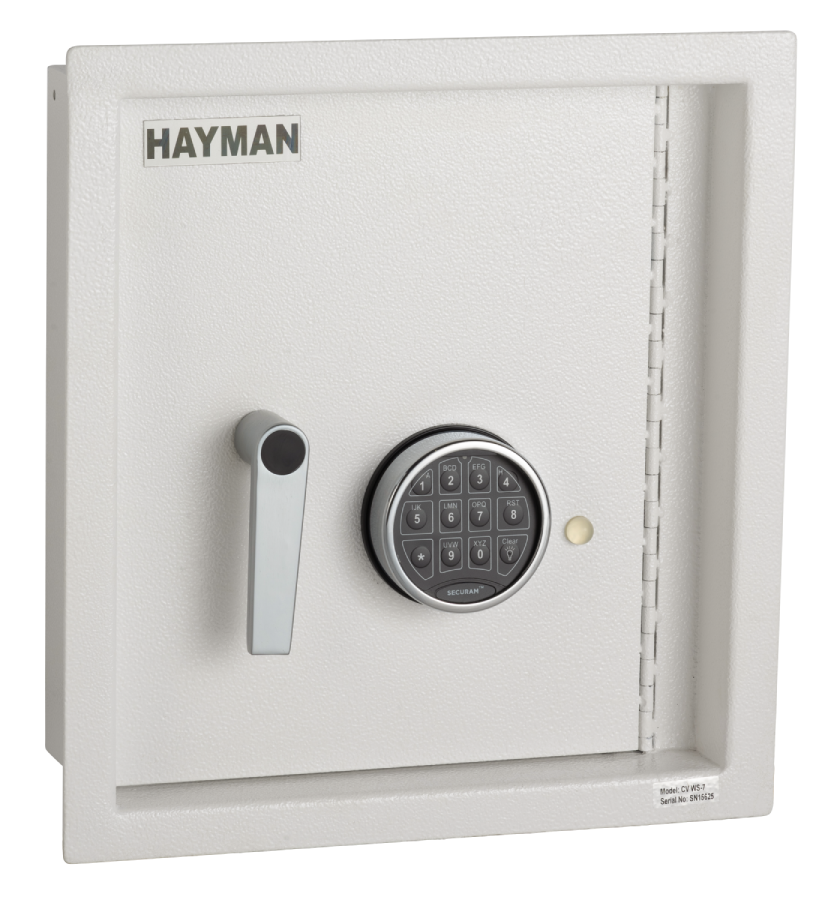
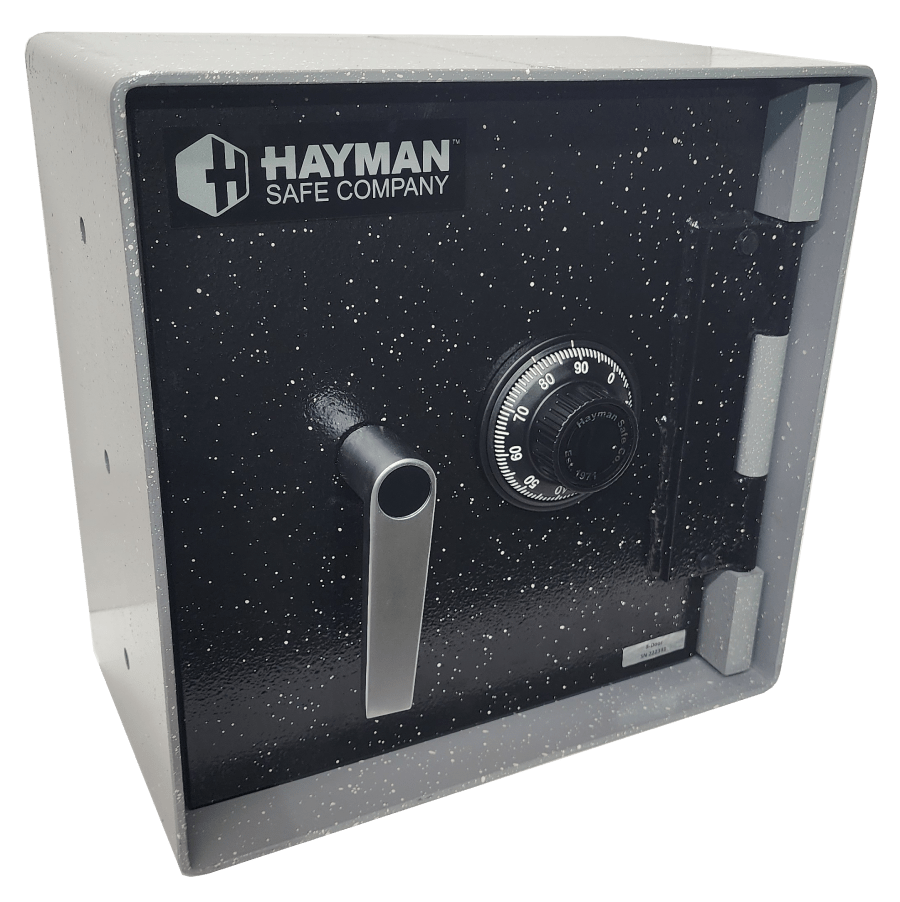
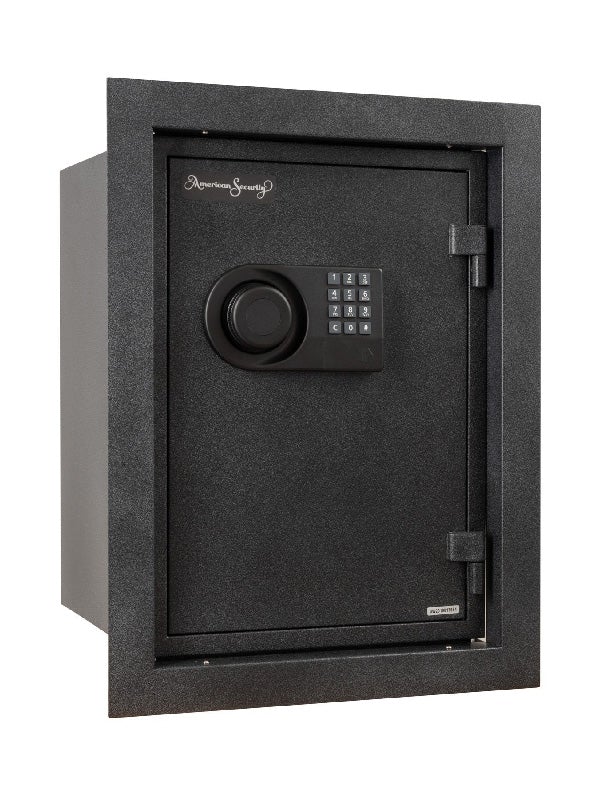
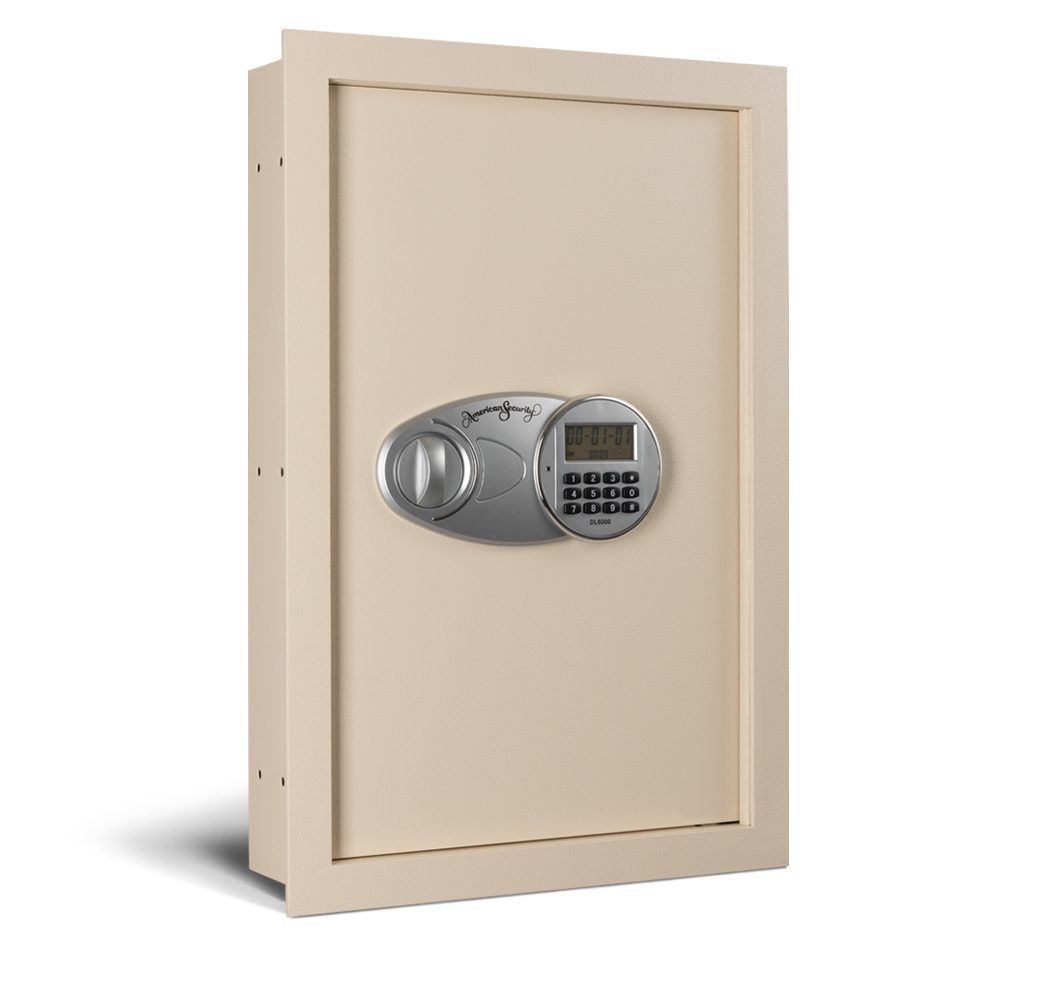
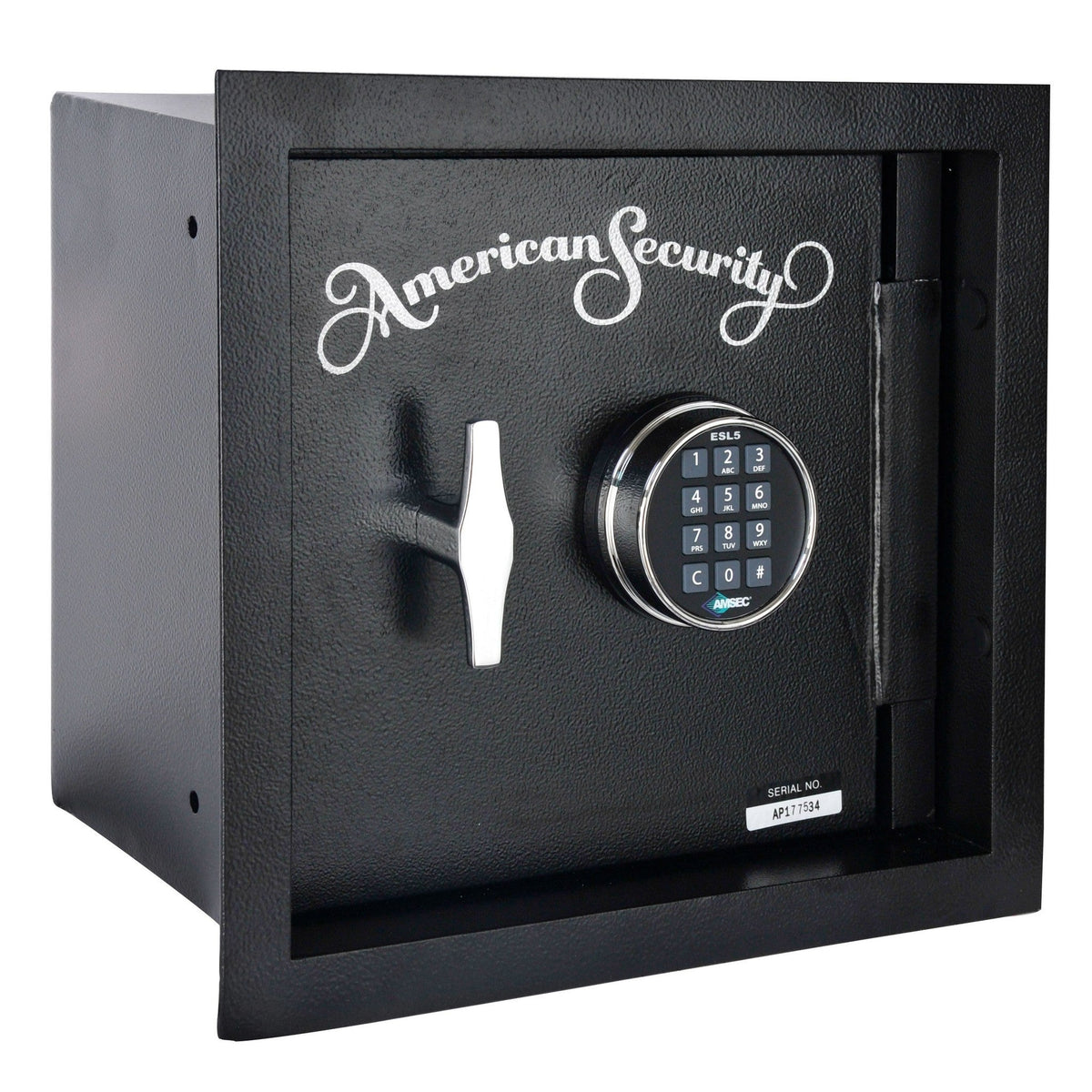
An in-wall safe is the most discreet fixed storage option available for a home. It installs between wall studs and sits flush with the drywall surface, hiding completely behind a picture frame, mirror, artwork, or wall panel. Unlike a floor safe or freestanding safe, an in-wall safe leaves no footprint in the room and gives no visual indication that a safe is present. Here is what to know before buying.
Installation: Fitting Between Studs
Standard residential wall studs are spaced 16 inches on center, and most in-wall safes are sized to fit precisely in this gap. Before purchasing, measure the depth of your wall cavity, which is typically 3.5 inches for standard 2x4 framing. Some in-wall safes extend slightly past the stud depth and require a recessed mounting frame. Always verify the rough opening dimensions against the stud spacing in your specific wall before cutting.
| Feature |
Standard |
Premium |
| Wall Cavity Depth |
3.5 inches (2x4 framing) |
5.5 inches (2x6 framing) |
| Lock Type |
Electronic keypad |
Biometric or electronic keypad |
| Fire Rating |
None (most standard models) |
30 to 60 minutes available |
| Concealment |
Frame cover included |
Mirror or picture frame door |
Fire Protection in In-Wall Safes
Most standard in-wall safes have no fire protection because the 3.5-inch wall cavity does not leave enough room for fire-rated insulation while maintaining usable interior space. If fire protection is your primary concern, a fireproof floor safe or a dedicated fireproof home safe is the better choice. In-wall safes are best suited for concealment of jewelry, cash, passports, and firearms from theft, not fire.
Best Rooms for an In-Wall Safe
The master bedroom closet is the most common location, offering privacy and quick access. A home office or living room works well if you have artwork or a framed piece to use as a cover. Avoid exterior walls, which can have insulation that blocks installation, and avoid walls shared with a bathroom, which can expose the safe to higher humidity levels over time.
In-Wall Safe Frequently Asked Questions
Are in-wall safes actually secure?
An in-wall safe provides good protection against opportunistic theft because it is concealed and physically embedded in the wall structure. A burglar who does not know the safe is there cannot steal it. However, in-wall safes are not rated for prolonged burglary attacks and are not fire-resistant in most cases. They are a strong secondary concealment layer rather than a primary high-security vault.
Can I install an in-wall safe myself?
Yes. Most in-wall safes are designed for DIY installation. You will need to locate the studs, cut the drywall to the rough opening dimensions, slide the safe body into the cavity, and anchor it to the studs on each side. Most models include a template for cutting and anchor hardware in the box. The process takes about an hour with basic tools.
Can a burglar pull an in-wall safe out of the wall?
An in-wall safe that is properly anchored to both studs is very difficult to remove without destroying the wall around it, which creates significant noise and time cost. Most burglars will not spend the time to do this. The concealment value is equally important: a safe a burglar does not see cannot be stolen.
What can I store in an in-wall safe?
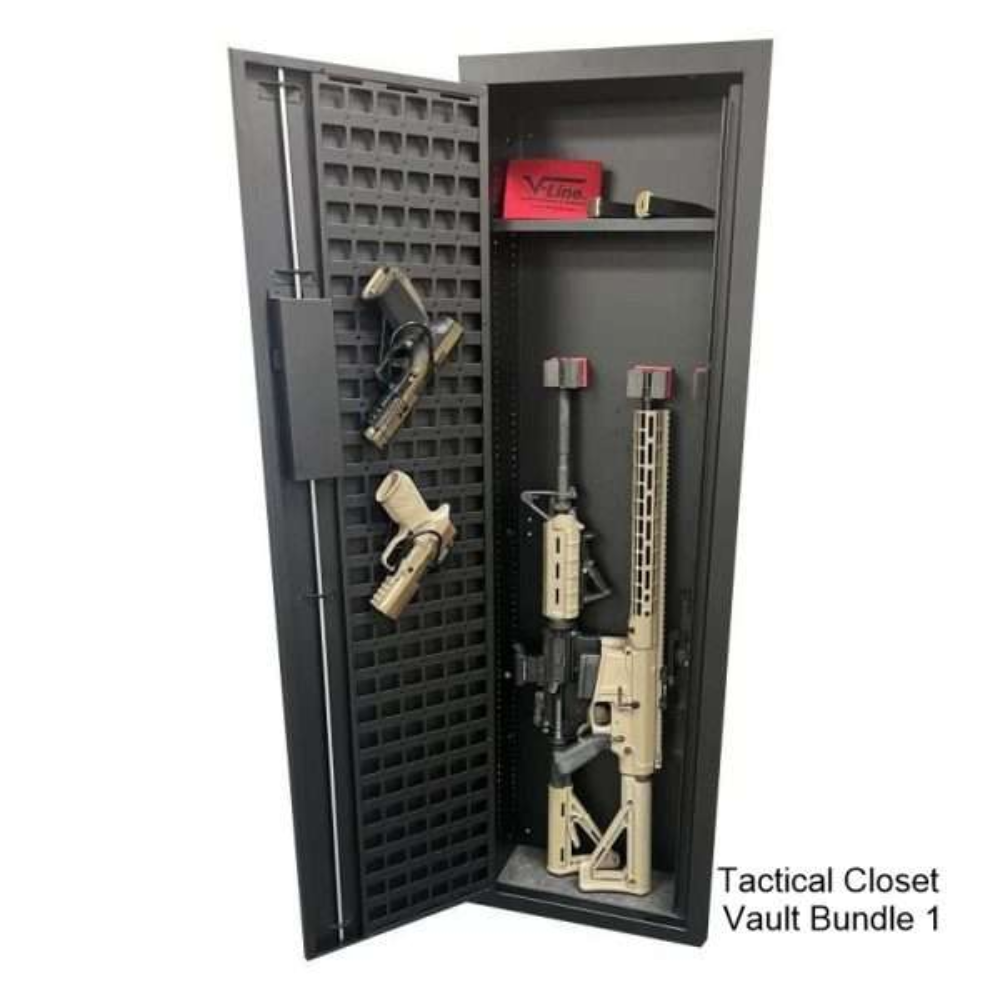
In-wall safes are sized for cash, jewelry, passports, backup keys, handguns, and small valuables. They are not large enough for long guns or multiple handguns. If you need firearm storage, look for a dedicated under-bed gun safe or a full-size gun safe instead.
Do in-wall safes come with a concealment cover?
Most in-wall safes include a frame that trims the drywall opening. Some models come with a decorative mirror or picture frame door that hinges open to reveal the safe door. If the model you choose does not include a cover, any standard picture frame or lightweight wall mirror can be mounted over the safe door.
Shop Related Hidden Safe Options
Browse our full selection of discreet and concealment safes: