How to Choose a Handgun Safe or Pistol Safe
A handgun safe has one job that a full-size gun safe does not: get out of the way in an emergency while keeping a firearm inaccessible the rest of the time. That means fast open times, small footprints for bedroom or vehicle placement, and lock mechanisms that hold up to attempted prying. The right choice depends on where the safe lives, who else is in the house, and how fast you need access.
Lock Type Comparison for Quick-Access Handgun Safes
| Lock Type |
Open Time |
Battery Required |
Best For |
| Biometric |
Under 2 seconds |
Yes |
Home defense, fastest access, multi-user households |
| Electronic Keypad |
3 to 5 seconds |
Yes |
Reliable daily use, memorable PIN access |
| RFID / Proximity |
Under 1 second |
Yes |
Wristband or card access in low-light conditions |
| Mechanical / Push-Button |
2 to 4 seconds |
No |
Battery-free, no electronics to fail |
Where to Place a Handgun Safe
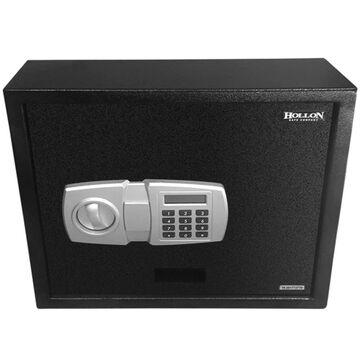
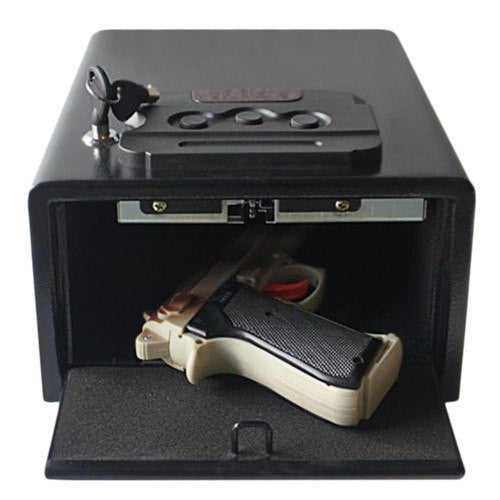
Placement determines everything about how useful a handgun safe actually is. The three most common locations each have trade-offs. A nightstand or bedside placement puts the firearm closest to where most home defense situations begin but is also the most visible to guests and children. A closet mount on a shelf or wall keeps it out of sight while staying within reach of the bedroom. A desk mount or vehicle console placement covers daytime access scenarios. Whatever location you choose, anchor the safe to a fixed surface.
What Separates a Real Handgun Safe from a Lock Box
A basic lock box uses thin sheet metal with a cable lock and provides minimal resistance to prying or cutting. A proper handgun safe uses 16-gauge or thicker solid steel, active deadbolt locking mechanisms, and a foam or rubber interior that does not scratch the firearm finish. The price difference between a lock box and a real handgun safe is usually less than $50, and the protection difference is significant. California DOJ-approved models meet a minimum safety device standard and are required in some local jurisdictions.
Handgun Safe Frequently Asked Questions
What is the best lock type for a bedside handgun safe?
Biometric or RFID for fastest access, electronic keypad for a backup if you prefer PIN reliability. Always choose a model with a secondary entry method in case the primary lock fails in a stressful situation or with low batteries.
Can I mount a handgun safe in my car?
Yes. Several models in this collection include a steel cable or mounting bracket for vehicle console, under-seat, or trunk installation. Look for vehicle-specific or universal-mount designations on the product listing. For dedicated vehicle gun safes, browse the Vehicle Gun Safes collection for console vault options.
How do I keep my handgun safe from being stolen?
Bolt or cable-mount the safe to a fixed surface. Every handgun safe in this collection includes anchor holes or a security cable. An unsecured safe, no matter how heavy or pry-resistant, can be taken and defeated later. Anchoring is the single most effective theft deterrent available.
What size handgun safe do I need?
Single-pistol safes work for one handgun and one magazine. Multi-pistol models hold two to four firearms and add space for a spare magazine, cash, or a passport. If you want to store a full-size pistol with a mounted light or suppressor, measure those dimensions first and confirm interior clearance before purchasing.
Do biometric handgun safes work in the dark?
Most biometric handgun safes include an interior LED light and a raised or illuminated keypad for low-light use. Test your safe's access in a dark room before relying on it for home defense. Muscle memory for the button placement matters as much as the lock type.
Is a handgun safe the same as a gun safe?
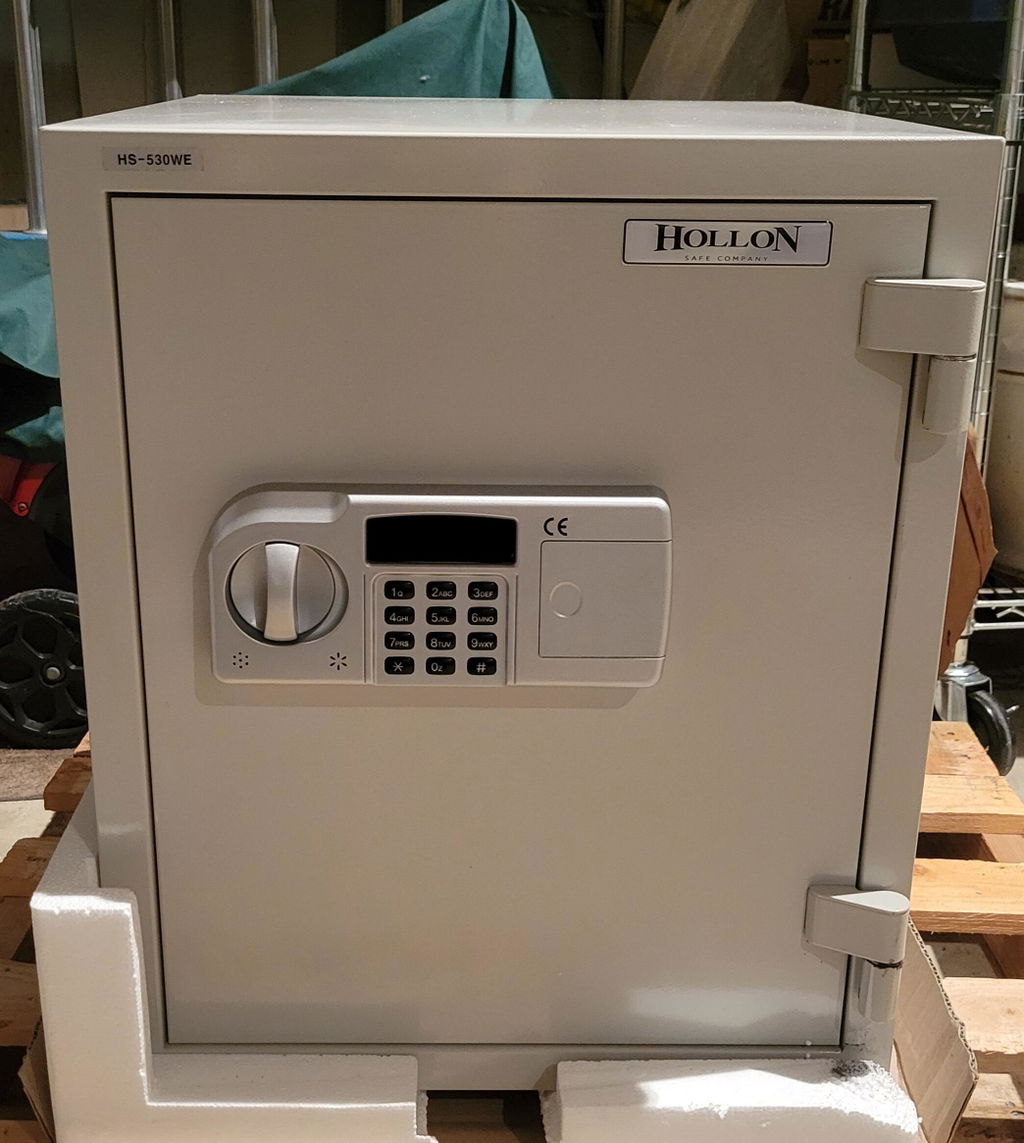
No. A handgun safe is sized for one to four pistols with fast-access locks. A gun safe is larger, heavier, RSC-certified for burglary resistance, and fire-rated. Both serve different roles: a handgun safe handles daily access and home defense; a gun safe handles long-term storage and larger collections.
Shop Related Safe Types