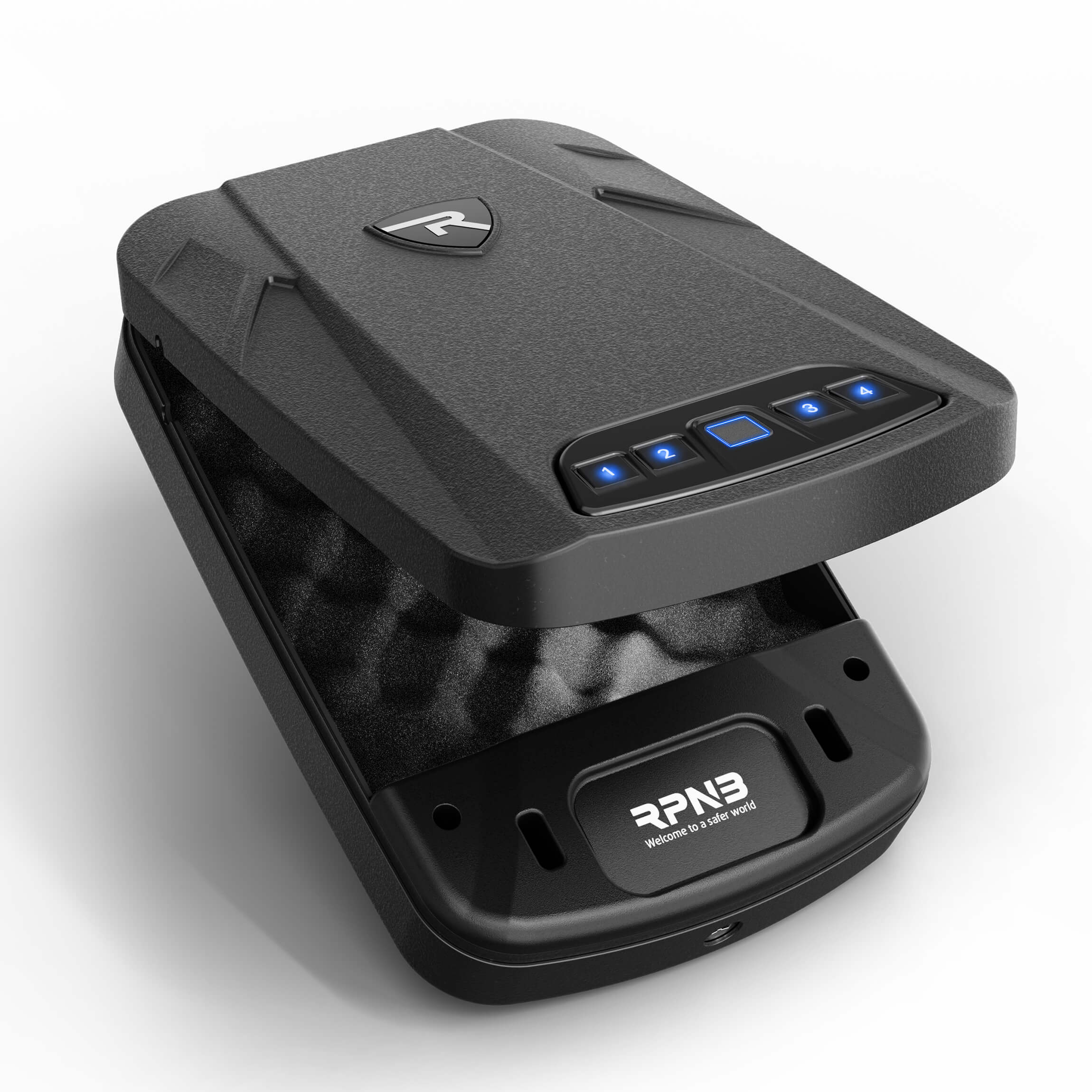
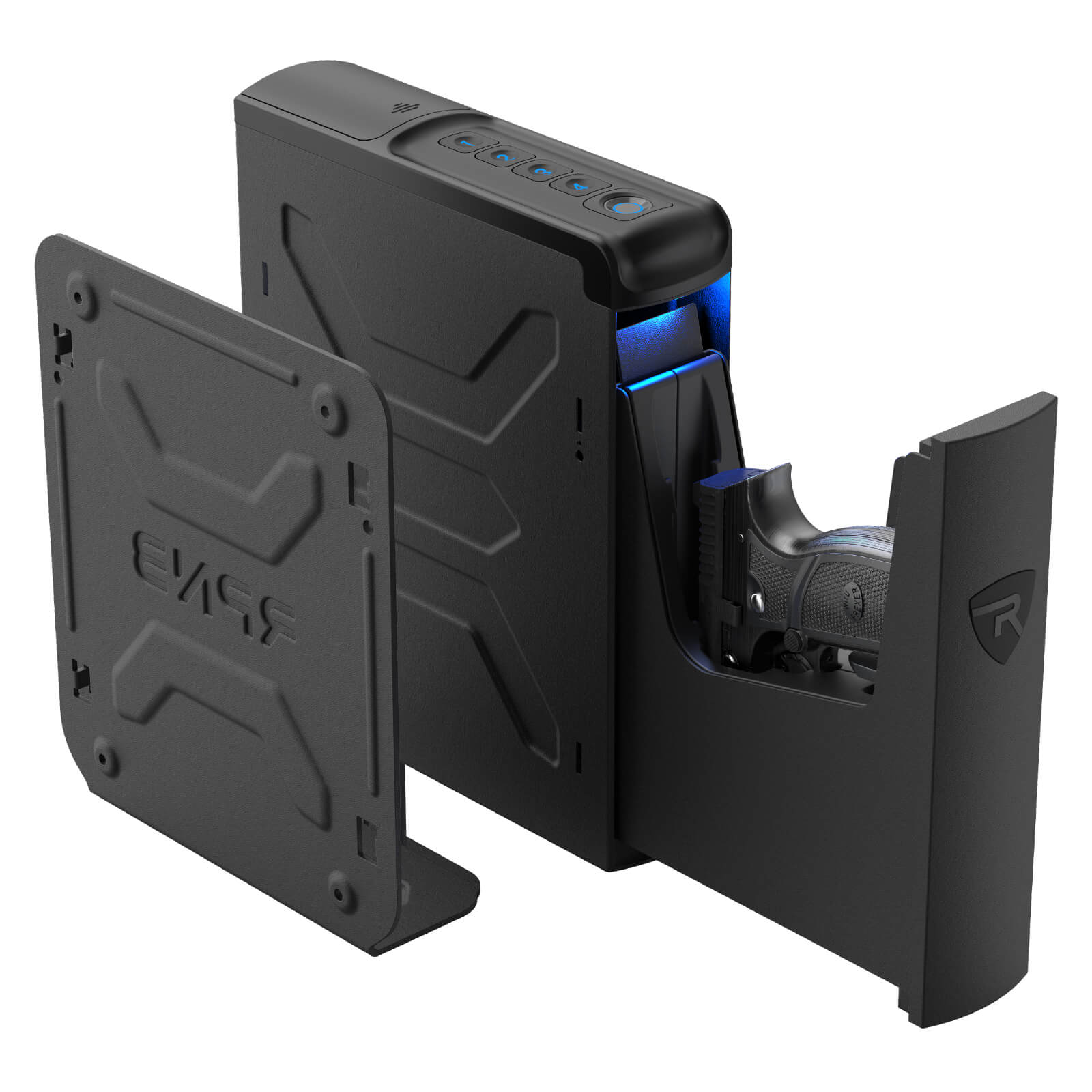
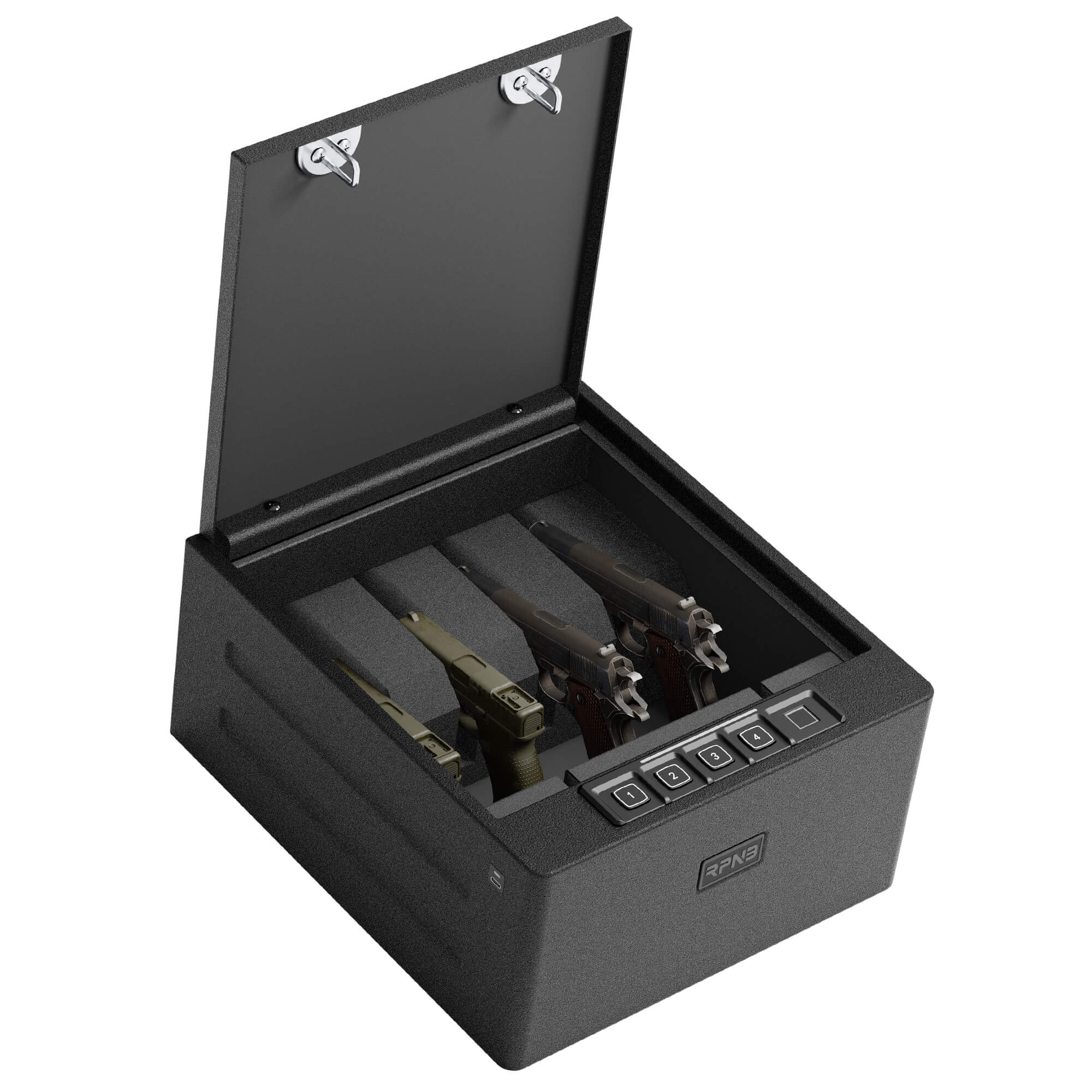
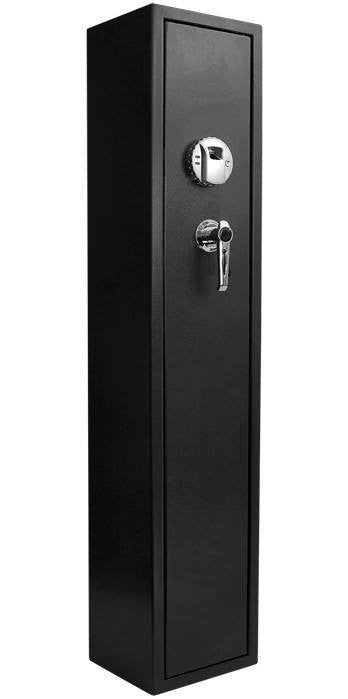
Biometric and Fingerprint Safes: Fast Access That Does Not Compromise Security
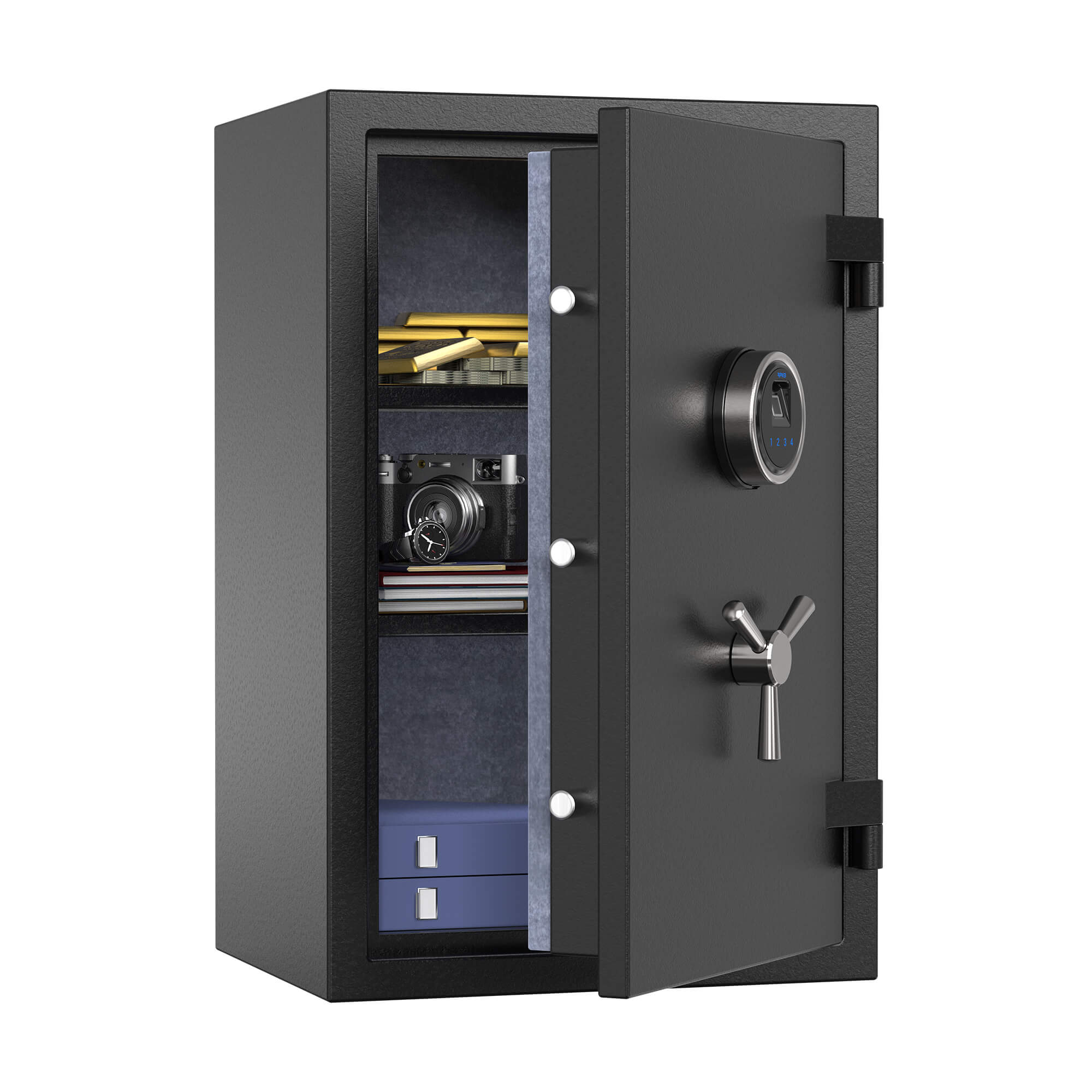
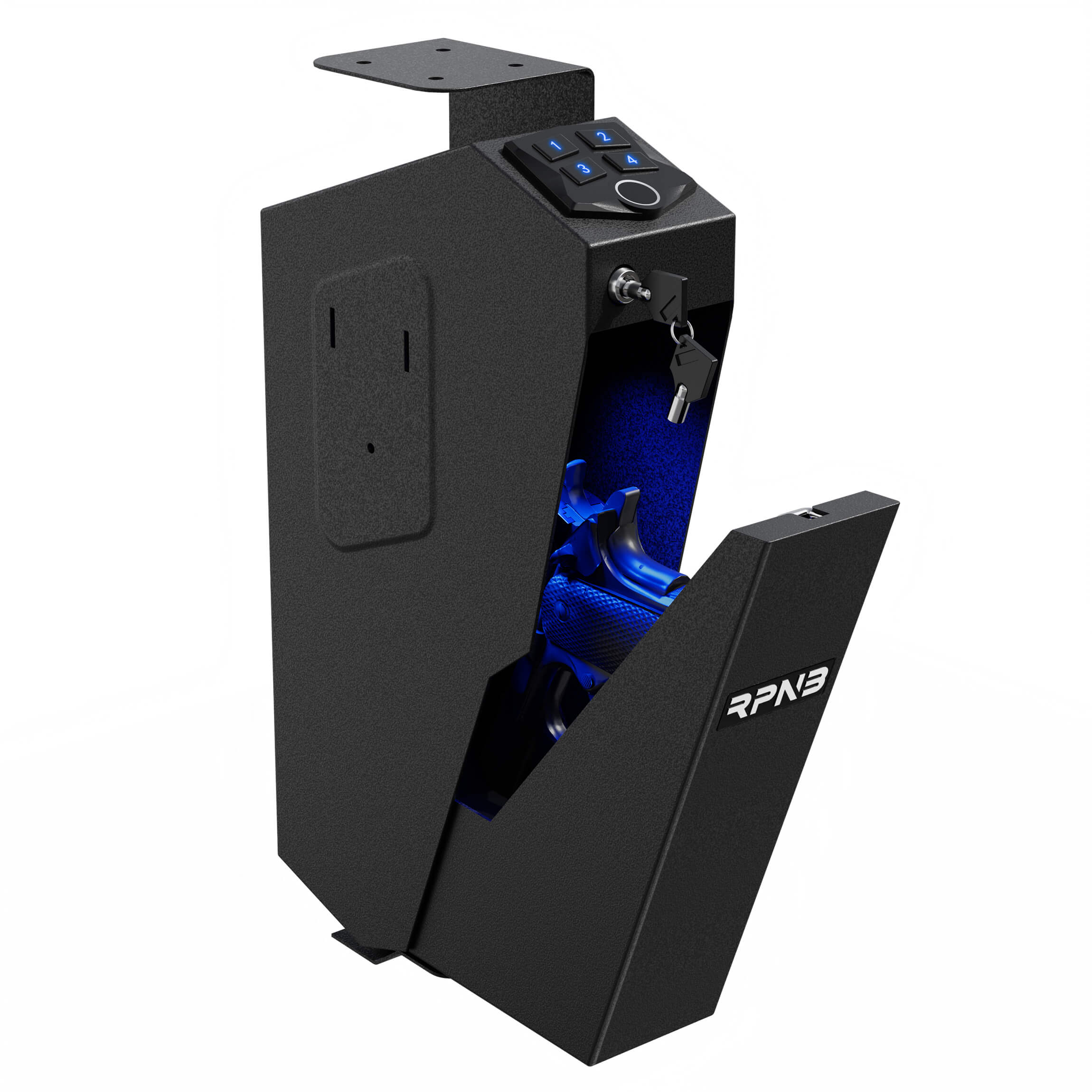
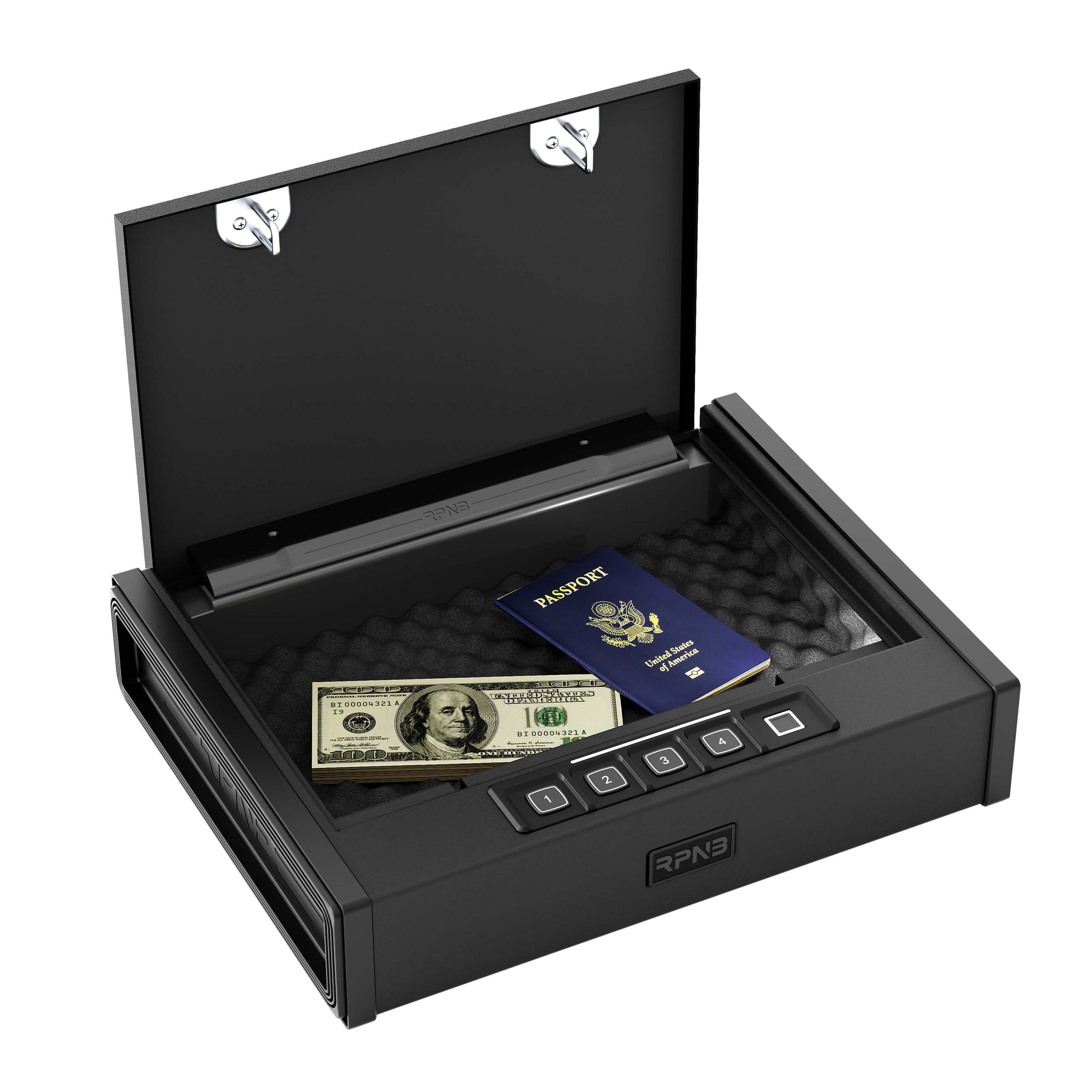
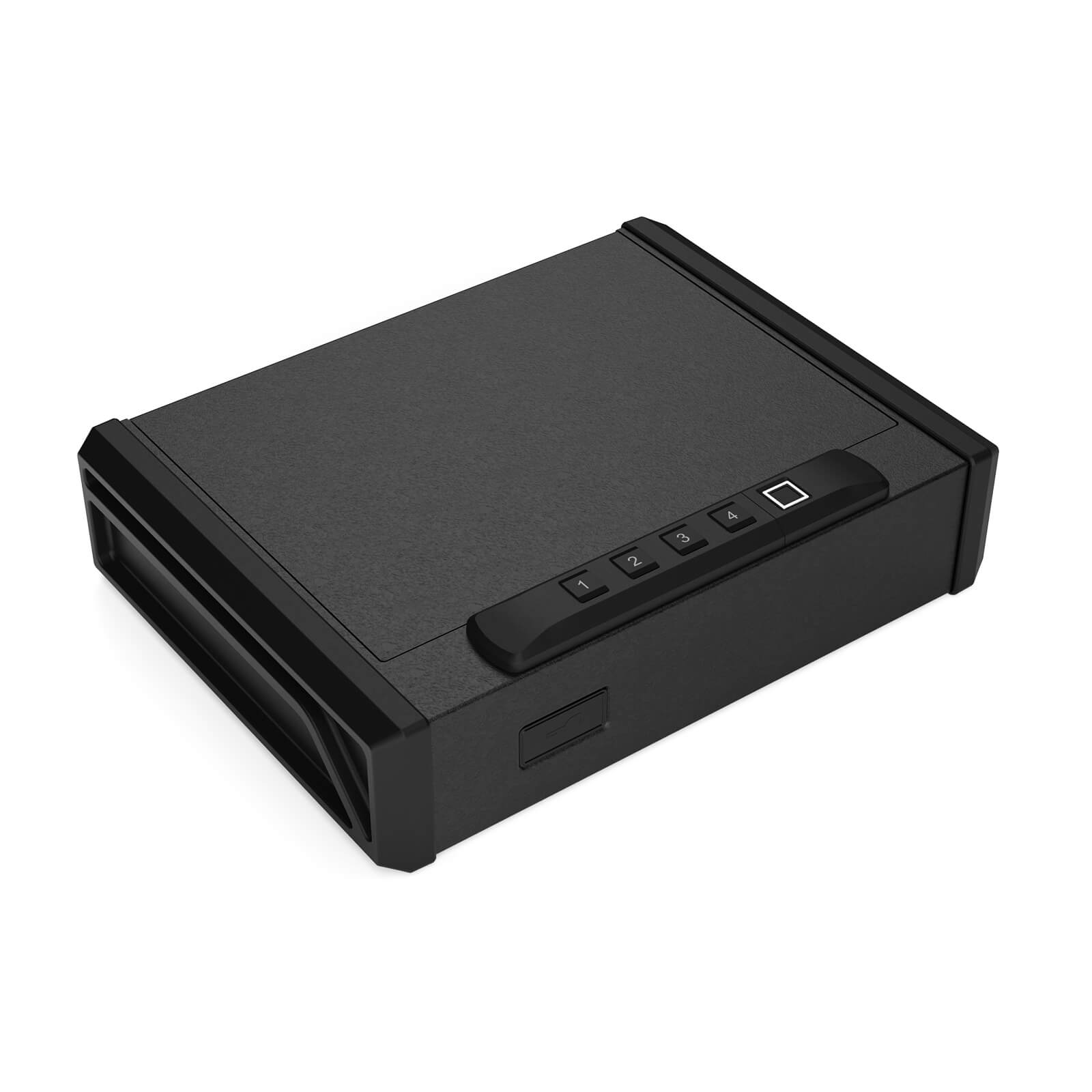
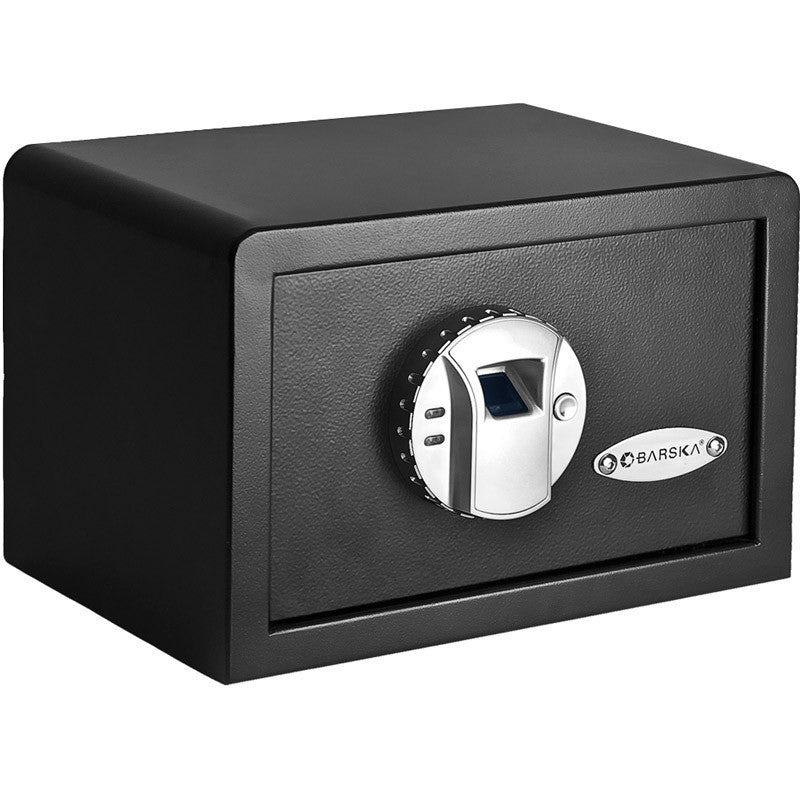
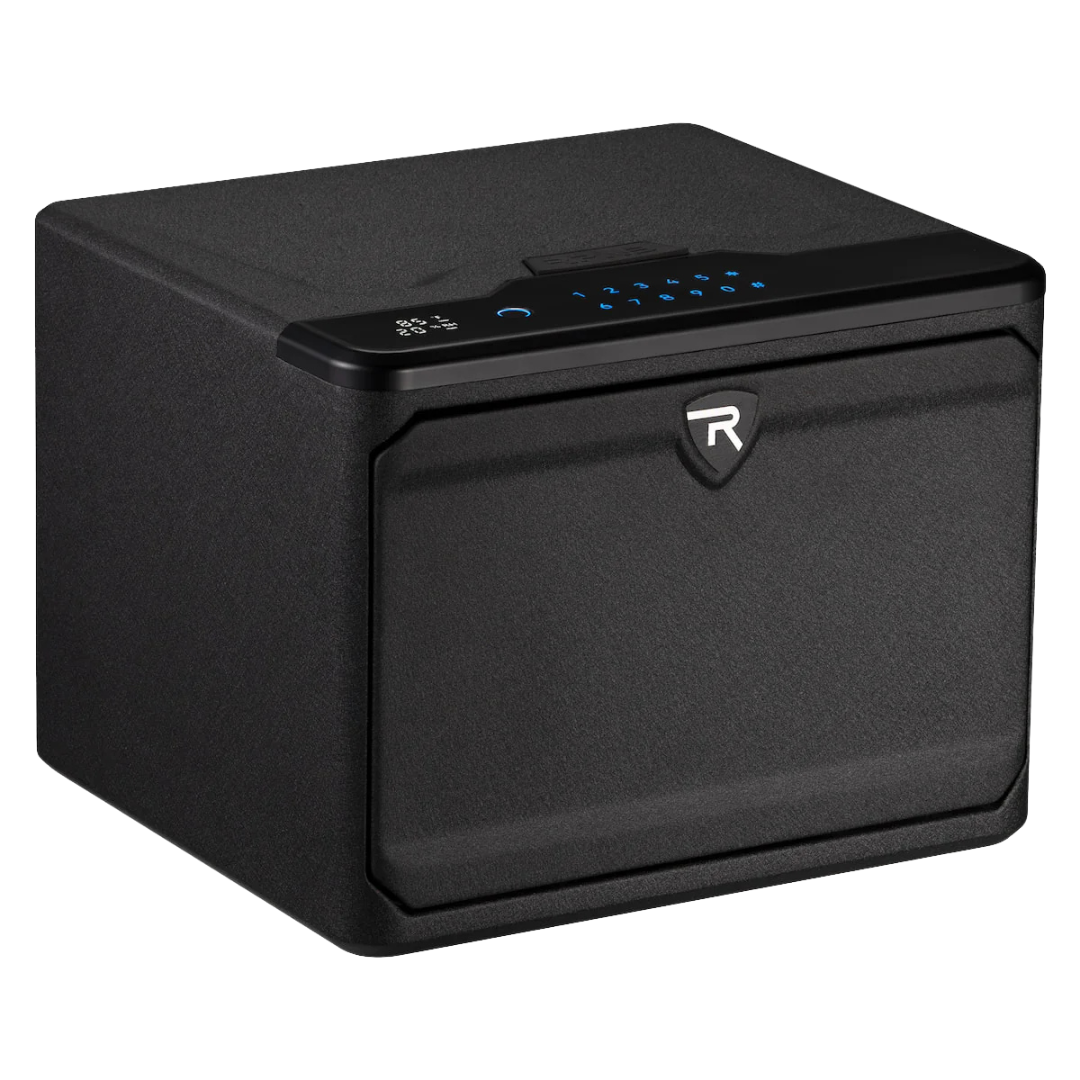
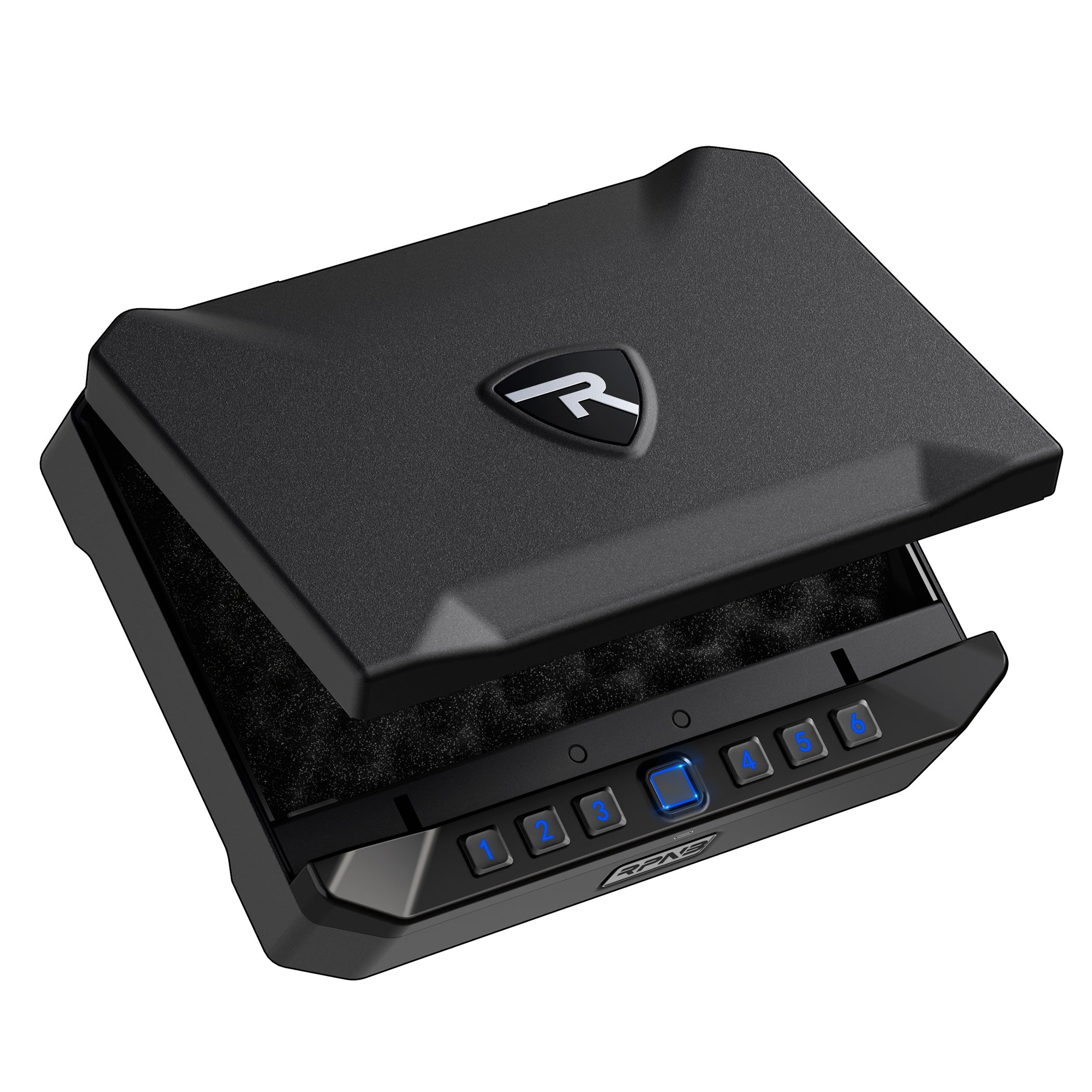
A biometric safe opens on a registered fingerprint in under two seconds. That speed matters for home defense scenarios where a keypad code under stress is not realistic. It also matters for households with multiple authorized users who need access without sharing a combination. The technology has matured significantly in the past five years, and today's optical and capacitive fingerprint readers are reliable enough for daily use when you choose a model from a tested brand.
Biometric Safes by Use Case
| Type |
Fingerprint Capacity |
Best Use |
| Biometric Handgun Safe |
20 to 120 prints |
Bedside home defense, 1 to 4 pistols |
| Biometric Rifle Safe |
30 to 120 prints |
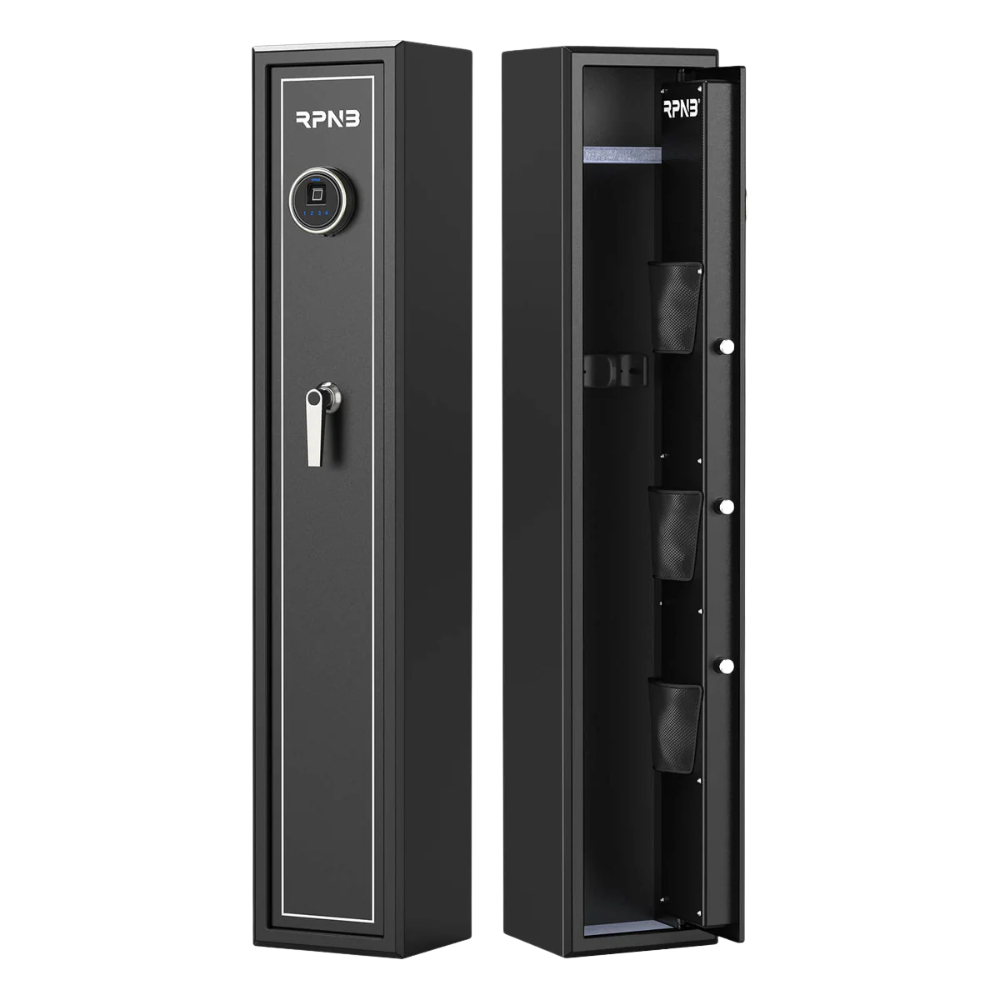
Long gun storage with fast-access lock |
| Biometric Home Safe |
10 to 50 prints |
Cash, jewelry, documents, valuables |
| Biometric Vehicle Safe |
10 to 30 prints |
Console or under-seat handgun storage |
What to Check Before You Buy a Biometric Safe
Three things matter most beyond the fingerprint speed. First, confirm the safe includes a backup entry method, either a keypad or override key. Wet hands, a cut finger, or cold temperatures can cause false rejections, and being locked out in an emergency is a real risk with biometric-only models. Second, check fingerprint storage capacity — homes with multiple authorized users need at least 20 stored prints to register several fingers per person. Third, look for a low battery warning indicator so a dead battery does not catch you by surprise.
Biometric Safe Frequently Asked Questions
How reliable are biometric gun safes?
Modern optical and capacitive fingerprint readers on name-brand biometric safes have false rejection rates below 1 percent under normal conditions. Performance drops with wet, dirty, or damaged fingers. Always register the same finger multiple times during setup to improve read accuracy, and register backup fingers on every authorized user.
Do biometric safes work without power?
No. Biometric locks require battery power. All models in this collection include a low-battery warning and a physical key override or backup keypad so you are never fully locked out. Replace batteries once a year regardless of the warning indicator.
Can multiple people use the same biometric safe?
Yes. Most biometric safes store between 10 and 120 fingerprints. A household with two authorized adults can register multiple fingers each and still have capacity to spare. Larger families or households with more users should look for models with higher fingerprint storage capacity.
Are biometric gun safes RSC certified?
Some are, some are not. Biometric handgun safes are typically not RSC certified because they are small-format quick-access units rather than residential security containers. Full-size biometric rifle safes from brands like Barska or RPNB may carry RSC certification. Check the individual product listing for certification details.
What is the difference between optical and capacitive fingerprint readers?
Optical readers use a light sensor to photograph the fingerprint — they are fast and common in gun safes. Capacitive readers map the electrical conductivity of the finger and are more commonly found in smartphone sensors. Both work reliably in safe applications. Optical readers can struggle more in very low-light conditions, though most safes compensate with an internal LED.
Should I choose biometric over electronic keypad?
Choose biometric when fastest possible access is the priority, especially for home defense handgun safes. Choose electronic keypad when you want reliability with zero fingerprint rejection risk, or when the safe will be used by one person who can memorize a PIN. The best setups combine both: a biometric model with a keypad backup covers both scenarios.
Shop Related Safe Types