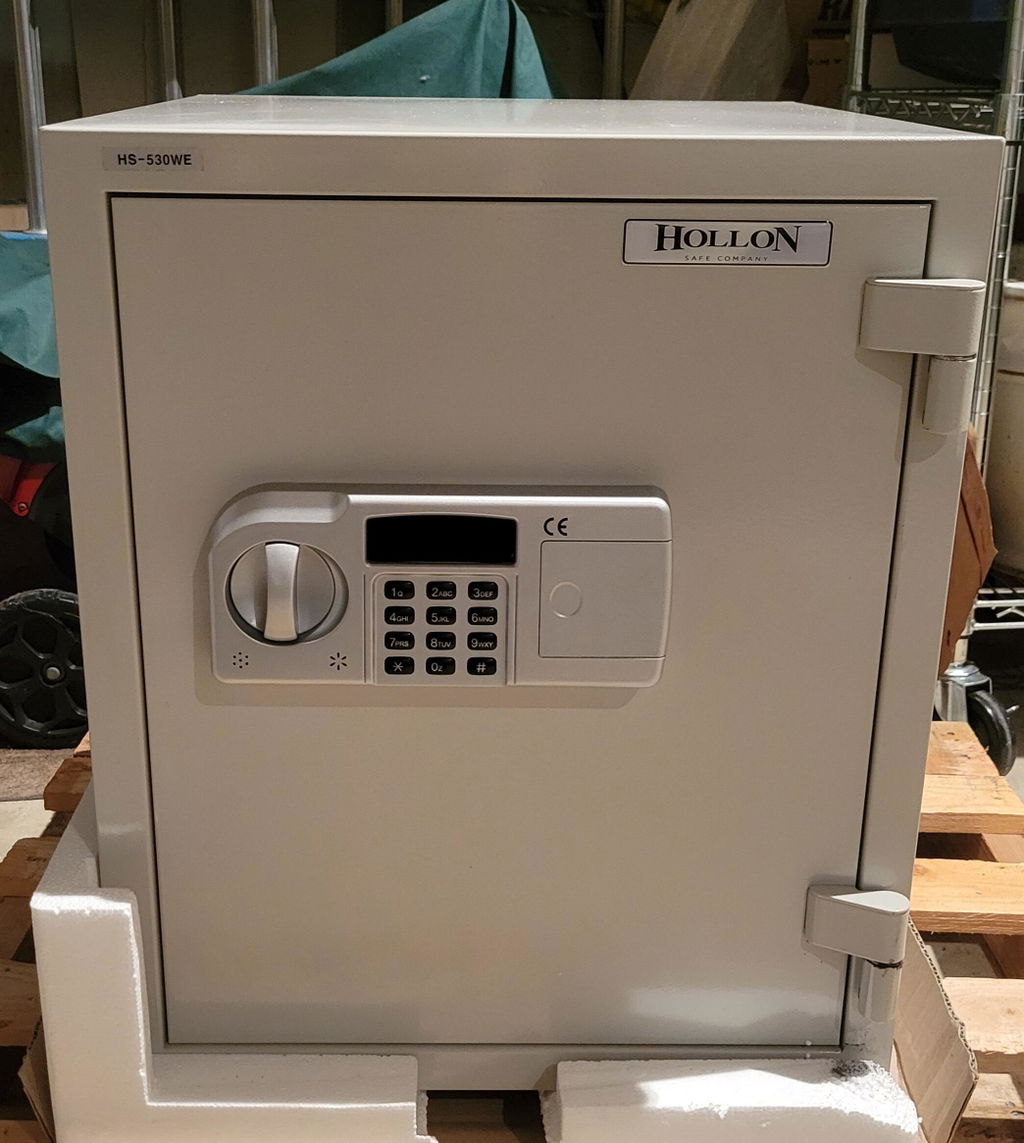

A heavy steel door makes an impression, but real vault security is decided by what happens around it: the construction of the safe or vault, the lock, the anchoring, the room, and the habits of the people who use it. A weak link in any one of those areas can undermine an otherwise impressive purchase.
For a homeowner, that may mean a gun safe that keeps firearms inaccessible to children and difficult for thieves to remove. For a business owner, it may mean a depository safe that lets staff make deposits without gaining access to the day’s cash. For a collector, it may mean a burglary-rated safe that protects jewelry, documents, and heirlooms against a determined attack.
The right level of protection is not always the largest or most expensive option. It is the one that matches what you are protecting, the risks you realistically face, and how the unit will be installed.
Vault Security Starts With the Threat You Need to Stop
Before comparing steel thickness or lock features, consider the likely threat. Most buyers need protection from more than one problem, but not every problem deserves the same priority.
A basic home safe may be intended to discourage opportunistic theft, keep prescription medications or handguns away from unauthorized users, and provide some fire protection for paperwork. That is a different assignment than protecting high-value jewelry, a large firearm collection, or cash receipts from a retail business.
Fire, burglary, unauthorized access, and water exposure each call for different features. A safe with a stated fire rating may protect paper records during a house fire but offer limited resistance to sustained tool attacks. A heavy burglary-rated safe may resist attack well but need separate attention to fire protection. Do not assume that a large safe, a digital keypad, or the word “vault” automatically covers every risk.
For businesses, access control deserves equal attention. A safe that protects cash after closing is only part of the solution if multiple employees handle deposits throughout the day. Depository safes, dual-control locks, audit-capable electronic locks, and time-delay features can reduce internal risk as well as external theft.
Know What Safe Ratings Actually Mean
Security specifications can feel technical, but a few standards offer useful guidance. The key is knowing what a rating measures and what it does not.
Burglary ratings and TL classifications
TL ratings are among the clearest indicators of a safe’s resistance to burglary attack. A TL-15 safe has been tested to resist a concentrated tool attack for at least 15 minutes on the door. A TL-30 safe is built and tested for at least 30 minutes of attack resistance. These ratings involve much more than thick exterior steel. They account for the door, body construction, locking system, relockers, and resistance to common burglary tools.
That does not mean a TL-15 or TL-30 safe is necessary for every household. These units are substantial investments, often very heavy, and may require professional delivery and installation planning. They make the most sense when the value of the contents, insurance requirements, or threat level justifies that level of protection.
For less concentrated risks, a quality gun safe or residential security container may be a practical choice. Read the specifications honestly. Look for steel thickness, door construction, active locking bolts, pry resistance, and an anchoring provision rather than relying only on broad marketing terms.
Fire ratings are a separate question
A fire rating typically describes how long a safe can protect its interior under specified test conditions. Common ratings may state 30 minutes, 60 minutes, 90 minutes, or up to two hours at high temperatures. The test details matter, especially when the contents include sensitive media.
Paper documents, firearms, jewelry, and cash do not all have the same tolerance for heat. Digital media can be damaged at lower temperatures than paper, so a standard fire safe may not be the right storage method for backup drives or irreplaceable digital records. Water resistance is also worth evaluating. Fire suppression can create as much concern for documents as heat itself.
Locks should fit the use case
A UL-listed mechanical or electronic lock is a strong trust signal, but the best lock depends on how the safe will be used. Mechanical dial locks are time-tested and avoid battery concerns. Electronic locks offer faster entry, user codes, and in some cases audit features or time delays. Biometric locks can be useful for quick-access handgun storage, provided the model has reliable enrollment, backup entry, and a sensible battery plan.
Fast access and maximum security can pull in different directions. A bedside handgun safe should allow an authorized adult to open it quickly, while a jewelry safe or commercial cash safe may benefit from deliberate access controls. Choose the lock based on the consequence of delayed entry versus unauthorized entry.
Installation Is Part of Vault Security
A safe that is not anchored can become a thief’s take-home project. Even a heavy unit may be vulnerable if burglars can tip it, move it with equipment, or take it elsewhere to attack without time pressure.
Whenever the manufacturer permits it, anchor the safe to a suitable concrete floor or structural surface using the specified mounting hardware. This is particularly important for smaller home safes, handgun safes, and units installed in garages or ground-level offices. Anchoring also helps prevent tip-over hazards when a heavy door is opened.
Placement matters just as much. A garage may offer convenient floor space, but it can expose a safe to humidity, temperature swings, and easier removal paths. An upstairs room may complicate delivery because of the combined weight of the safe and its contents. A closet can add discretion, but a cramped installation should not block the door swing, compromise anchoring, or make maintenance impossible.
For larger gun safes, TL-rated safes, and vault doors, involve professionals early. Confirm floor loading, stair access, doorway clearances, and the final path from the delivery point to the installation location. A security upgrade should not create a damaged floor, an unsafe moving situation, or a safe that cannot be properly secured.
The Room Around the Safe Matters
A vault door can turn a properly designed space into a serious protected area, but the door is only one component. Walls, ceiling, ventilation openings, utility penetrations, and the structure around the frame all affect the outcome. Installing a high-security vault door in a lightly constructed room does not create the same protection as a purpose-built vault enclosure.
For most homes, a well-installed safe is more practical than constructing a full vault room. A vault door is worth considering when you need substantial capacity, want walk-in organization, or are planning a new build or major renovation. It can also make sense for collectors who have outgrown standalone safes and want one controlled-access storage area.
Discretion adds another layer of protection. Avoid broadcasting a safe purchase on social media, and limit knowledge of its location and access codes to people who genuinely need them. Concealment is not a substitute for a rated safe and proper anchoring, but it can reduce the chance that an intruder targets the safe at all.
Daily Practices Can Protect or Undermine the Investment
The best safe cannot help if it is left unlocked, the code is shared casually, or the emergency key is stored in the obvious place. Build a few simple habits around the unit: close and lock it after every use, update codes when household or staff access changes, and keep backup keys separate from the safe itself.
For firearm storage, maintain a clear separation between access for authorized adults and access by children or guests. A quick-access safe can be a responsible solution for a defensive handgun, while unloaded long guns, ammunition, and high-value firearms may call for a larger anchored gun safe with organized interior storage.
Business owners should define who can access the safe, when deposits are made, and how discrepancies are handled. If employee turnover is frequent, electronic locks with changeable codes can be more manageable than a shared mechanical combination. Where cash volume or internal theft risk is high, consider time delays, dual control, or separate deposit and main-compartment access.
It is also smart to document valuables. Keep an inventory with photographs, serial numbers, appraisals, and purchase records stored securely outside the safe or in protected digital storage. This supports insurance claims and helps law enforcement identify recovered property.
Choosing the Right Level of Protection
A good purchase begins with an honest inventory: what you need to protect, its replacement value, whether fire resistance is required, who needs access, and where the unit can be installed. Then compare the details that affect real performance - rating, steel construction, lock type, boltwork, fire protection, weight, interior capacity, and anchoring options.
Secure Zoned helps buyers sort through these trade-offs because a quick-access handgun safe, a fire file cabinet, a TL-30 safe, and a vault door solve very different problems. The right choice is the one you will install correctly, use consistently, and trust when protection matters most.