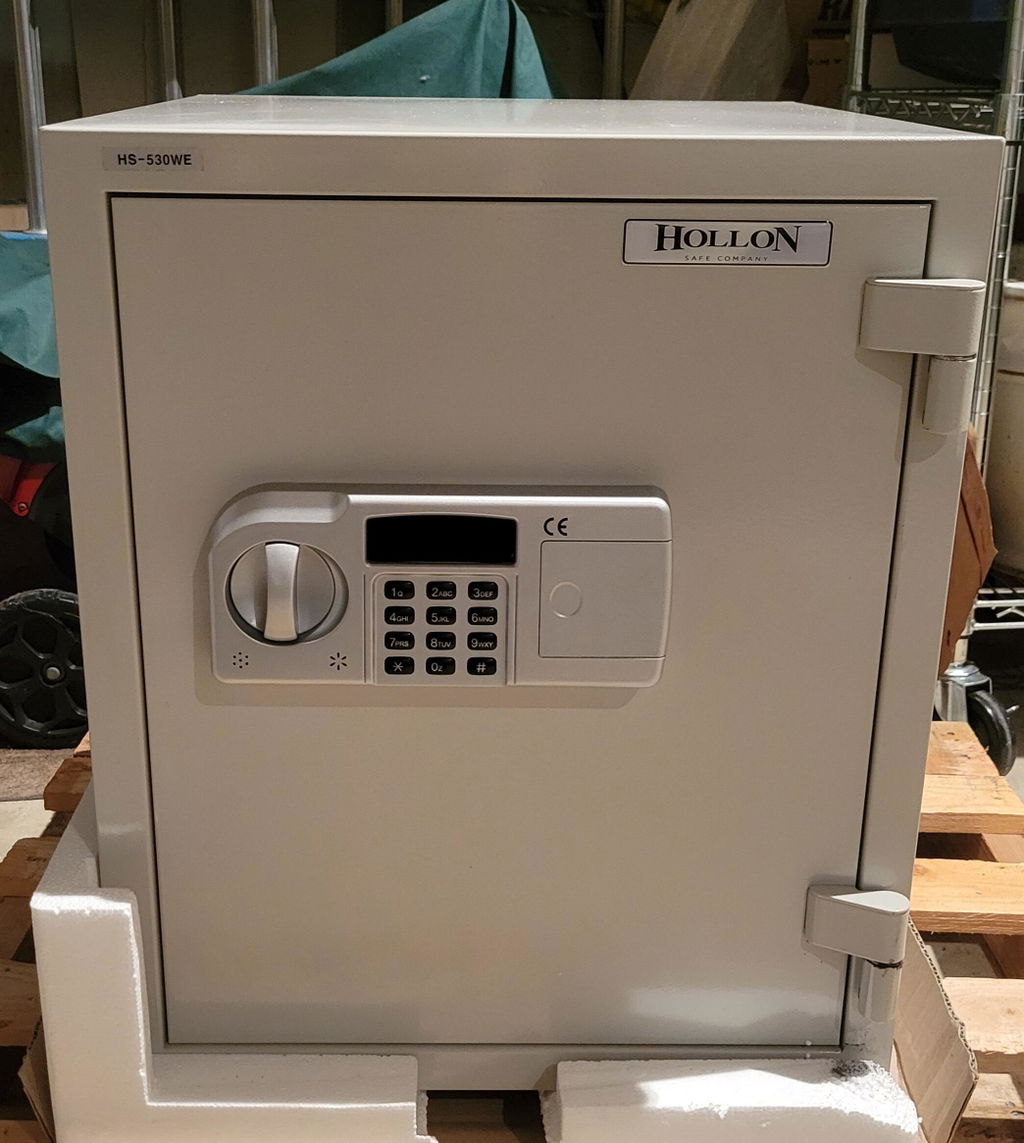

A house fire can destroy a computer long before flames reach it. Heat, smoke, and the moisture used to fight the fire can make hard drives, backup tapes, optical discs, and portable storage devices unreadable. That is why the top media storage safes are built around a different goal than an ordinary fire safe: keeping the interior cool and dry enough for sensitive electronic media to survive.
A media safe is a serious protection tool for family archives, business backups, medical records, legal files, surveillance footage, and irreplaceable digital photos. Choosing one starts with understanding the rating on the label, then matching its capacity and security features to the data you cannot afford to lose.
Why media needs more protection than paper
Paper burns, but it can tolerate more heat than electronic media. A conventional fire safe rated for documents is generally designed to keep its interior below 350 degrees Fahrenheit. That may be enough to preserve paper records, yet it can still be too hot for many digital storage formats.
Hard drives, SSDs, USB drives, memory cards, CDs, DVDs, tapes, and film can fail at much lower temperatures. Humidity is another concern. The insulation in a fire safe often releases moisture as it heats up, which helps control temperature but can create a damaging environment for electronics and magnetic media.
This is the defining trade-off with media protection. A larger, lower-cost document safe may offer plenty of space, but its fire label may not promise safe conditions for your backups. A properly rated media safe usually has a smaller interior because it uses thicker insulation and an additional inner compartment to control heat and humidity.
What separates the top media storage safes
The most meaningful specification is the fire classification, not a marketing phrase such as “fireproof.” Look for independently tested protection for digital media, ideally a UL Class 125 rating or a comparable tested standard. A Class 125 rating is designed to keep the interior below 125 degrees Fahrenheit during the rated fire exposure while also limiting humidity. That is the category most buyers should prioritize for electronic media.
UL Class 150 safes are also intended for heat-sensitive records, but they permit a higher internal temperature. They can be appropriate for certain film, photos, and other media, depending on the manufacturer’s guidance and what you plan to store. Class 350 protection is primarily for paper documents. It is valuable for deeds, passports, contracts, and tax files, but it should not be treated as equivalent media protection.
The duration matters just as much as the class. A one-hour rating may make sense for a home with a monitored alarm and a municipal fire response, while two-hour protection provides a wider margin for a rural property, a large home, or a business location where a fire could burn longer. More fire protection usually means more weight, a larger exterior footprint, and a higher price. Those are reasonable compromises when the contents include the only copy of vital data.
Fire protection is not the same as burglary protection
Many media safes are designed first for fire survival. Their insulation and composite construction can make them extremely heavy, but weight alone does not make a safe burglary-rated. If the contents include sensitive customer records, financial data, or valuable portable drives, evaluate the door construction, boltwork, lock quality, and anchoring provisions separately.
For higher theft risk, consider pairing a media safe with a stronger burglary-rated safe or installing it in a controlled-access area. A TL-rated safe offers a substantially higher level of burglary resistance than a typical residential fire safe, but it may not carry a media-specific fire classification. The right answer may be layered protection: a rated media insert or media chest placed inside a more secure burglary safe, provided the manufacturer confirms that the setup will not compromise access or fire performance.
Choose the right format for your backup plan
Media protection works best when the safe matches the media you actually use. A compact media chest can be a smart choice for a few portable drives, backup tapes, flash drives, and essential discs. It can fit inside a closet or office cabinet and may be easier to position than a full-size safe.
A freestanding media safe is better for businesses, photographers, medical offices, and homeowners with multiple backup sets. Before buying, measure the usable interior, not just the exterior dimensions. Thick fire insulation can leave surprisingly limited storage space. Allow room for protective cases, labeled containers, and airflow around items rather than packing drives tightly against the walls.
For offices, a fire-rated media cabinet or data safe can keep backup rotation organized. If staff need frequent access, a reliable electronic lock may be practical. If the safe will stay closed for long periods, a high-quality mechanical combination lock avoids concerns about batteries and keypad electronics. Neither option is automatically better. The best lock is one that fits your access needs and that responsible users can operate consistently.
Water resistance deserves close attention
Fire departments use substantial amounts of water, and sprinkler discharge can continue long after the immediate danger has passed. Water resistance is particularly valuable for media storage, but buyers should read the claim carefully. Some safes are tested for water exposure or submersion for a stated duration and depth; others only use water-resistant seals without a formal test.
Do not assume a fire rating includes water protection. If flooding, hurricanes, burst pipes, or sprinkler discharge are realistic risks at your location, choose a model with clearly stated water-resistance performance. Keep the safe off the floor when possible, especially in basements or storage rooms, and avoid placing it directly beneath plumbing.
Features that make a media safe easier to live with
A safe that is difficult to organize is more likely to be used poorly. Adjustable shelves, pull-out drawers, labeled media cases, and removable trays can make a meaningful difference. Businesses should also consider whether the safe needs space for a small external hard-drive case, a backup appliance, encrypted USB devices, or sealed document envelopes alongside the media.
Electronic media should be stored in stable conditions even when there is no emergency. Keep the safe in a climate-controlled area when possible, away from direct sunlight, damp concrete, and major temperature swings. Avoid storing media near batteries, corrosive chemicals, or loose objects that could damage connectors and cases.
A dehumidifier rod is not always appropriate inside a media safe because it generates heat and requires power. If humidity is a concern, follow the safe manufacturer’s recommendations rather than adding accessories that could affect performance. For long-term archival storage, check the recommended temperature and humidity range for the specific media type.
A practical buying checklist
When comparing models, focus on the protection claim first, then the real-world details that affect installation and daily use:
- Confirm the tested media classification, such as UL Class 125, and the length of the fire rating.
- Verify whether water resistance is tested and what conditions the test covers.
- Measure the usable interior and account for your media cases, not only the bare drives.
- Check the safe’s exterior dimensions, weight, delivery path, and floor-load considerations.
- Review lock type, anchoring options, warranty terms, and burglary-resistance features.
- Plan for at least two backup copies, with one stored in a separate location or secure cloud environment.
Where should you install a media safe?
Choose a location that balances protection with access. A ground-floor interior room is often better than a garage, attic, or damp basement. Garages can experience major temperature swings, while attics may become dangerously hot before a fire ever occurs. A room away from exterior walls can reduce exposure to weather and may offer better protection during a structure fire, although no location guarantees survival.
Installation is also a safety issue. Larger fire safes can weigh hundreds of pounds. Confirm door widths, stairs, turns, flooring, and the final placement area before delivery. If the safe includes anchoring hardware, use it when the installation surface and manufacturer instructions allow. Anchoring helps deter removal, but drilling or modifying a safe without guidance can affect its water or fire performance.
For a small business, limit access to the people responsible for backups and document the combination or emergency key procedure. For a household, make sure a trusted adult can access essential records if the primary owner is unavailable.
The right media safe is not necessarily the largest or the most expensive model. It is the one with a verified media rating, enough usable space for your backup routine, and security features that match the risk at your property. If you are comparing a compact chest with a full-size data safe, Secure Zoned can help clarify the fire rating, lock options, and installation requirements before you make a long-term investment in protecting what matters most.