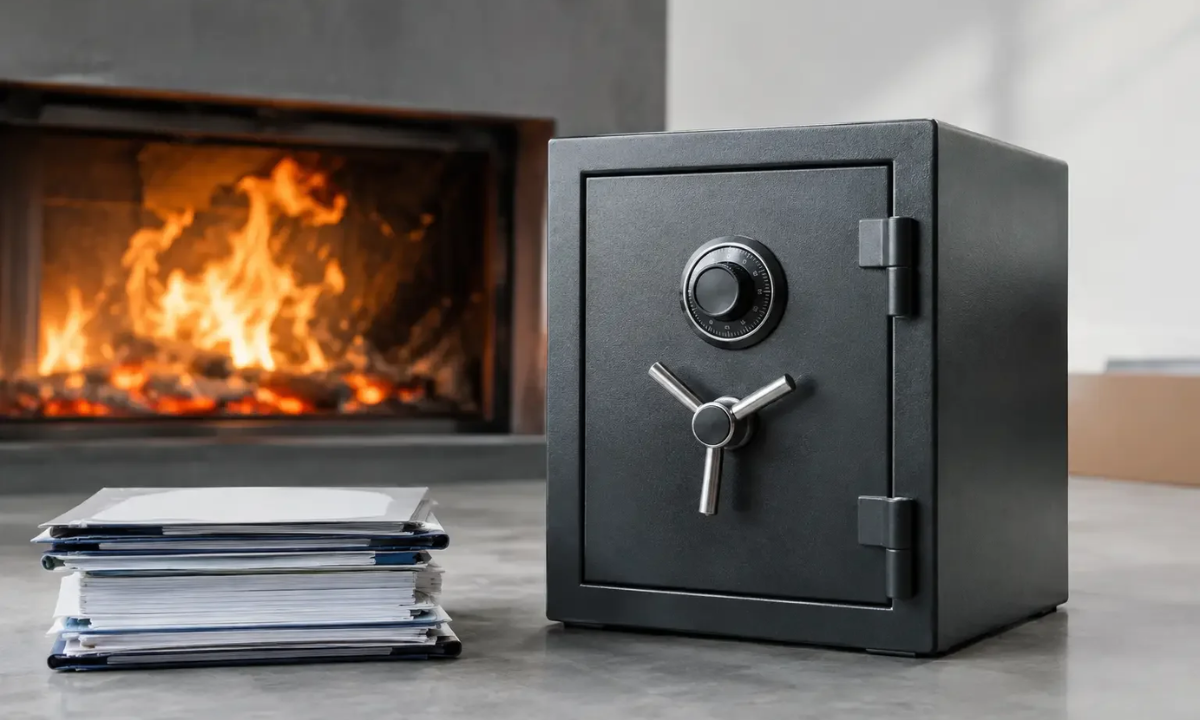
A house fire can turn a room from normal to dangerous in minutes. When the fire department leaves, the question is not whether a safe looked solid from the outside. It is whether the interior stayed cool enough, dry enough, and intact long enough to protect what you placed inside. That is the real focus of a fireproof safe performance review.
The word “fireproof” can be misleading. No consumer safe is invincible in every fire, every location, or every length of exposure. A quality fire-rated safe is designed to delay heat damage under defined test conditions. Understanding those conditions helps you choose protection that matches your documents, heirlooms, firearms, cash, or business records.
What a Fire Rating Actually Tells You
A fire rating is a time-and-temperature claim, not a blanket guarantee. You may see a safe rated for 30 minutes, 60 minutes, 90 minutes, or two hours at a stated external temperature, commonly up to 1,700°F. The rating should tell you how long the safe was tested and the heat level used during that test.
For paper documents, the interior must generally remain below about 350°F. That matters because paper can char and ignite at temperatures far below those outside the safe during a structure fire. The insulation inside a fire safe is engineered to absorb and slow heat transfer, buying time while the fire is actively burning.
The most confidence comes from a rating backed by a recognized independent testing organization, such as UL, rather than a broad marketing claim alone. A manufacturer’s stated fire rating can still be useful, but ask what test standard supports it. Two safes both labeled “one-hour fire rated” may not have been tested in the same way, at the same temperature, or with the same interior-temperature requirement.
Heat protection is not the same as media protection
Paper records and digital media do not tolerate the same conditions. USB drives, external hard drives, DVDs, photos, and some electronic storage can be damaged at temperatures well below the point where paper begins to burn. Humidity can also be a problem for electronics.
If digital backups are central to your household or business, do not assume a standard document safe is enough. Consider a purpose-built media safe or a separate protective media container placed inside a larger fire-rated safe. Keep a secure off-site or cloud backup as well. Physical protection works best when it is not your only copy.
How Fireproof Safe Performance Is Tested
In a meaningful fire test, a safe is placed in a furnace and exposed to rising temperatures for its rated duration. Test requirements may measure the interior temperature, examine the unit after cooling, and in some cases include an impact or drop test. That last part matters because floors can fail during a severe fire, sending a safe into a basement or lower level.
A safe that survives heat but springs open after a fall has not performed as a homeowner needs it to perform. Likewise, a safe that keeps paper below the target temperature in a controlled furnace test may face a different challenge in a fast-moving residential fire with uneven heat, collapse debris, and water from firefighting efforts.
This does not make ratings meaningless. It means they should be read as comparable performance benchmarks, not promises that every item will survive every disaster untouched. For many homes, a one-hour rating offers practical protection. For irreplaceable records, valuable collections, or locations where fire response may take longer, a 90-minute or two-hour rating may be worth the added cost and weight.
Fire Protection and Burglary Protection Are Different Jobs
A common buying mistake is choosing a fire safe as if its fire rating also proves strong burglary resistance. It does not. Some fire-focused safes use thinner steel and lighter construction because their main purpose is heat insulation. They can be an appropriate choice for passports, tax records, family photos, and modest valuables, especially when they are concealed and anchored. They are not automatically the right choice for high-value jewelry, significant cash, or firearms.
Burglary resistance comes from other features: steel thickness, door design, locking bolts, hardplate, relockers, pry resistance, and the safe’s ability to be securely anchored. For higher-risk valuables, evaluate fire protection and security construction as separate specifications.
A heavier burglary-rated safe with a good fire rating can provide a more balanced solution for many homeowners. A TL-rated safe is built for a much higher burglary threat, but it can be expensive, extremely heavy, and more than most households need. The right answer depends on what is inside, who may target it, and whether the safe will be installed properly.
Water resistance deserves its own review
Firefighting water, burst pipes, and flood conditions can ruin documents even when heat does not. Some safes include water-resistance testing or sealed door designs, but water resistance is not universal and is rarely identical to full submersion protection.
Read the water claim as carefully as the fire claim. Is the safe tested for a stated water depth and duration? Is it designed to resist water spray, or to remain sealed when submerged? If records are especially sensitive, place them in protective document sleeves or containers inside the safe. That simple extra layer can help after both a fire and a plumbing emergency.
Construction Details That Affect Real-World Results
A fire rating is the headline specification, but several design details influence how a safe performs after years of ownership. The door seal is one of them. Many fire-rated safes use an expanding seal around the door frame. Under intense heat, the seal swells to help block smoke, hot gases, and water from entering the safe.
The insulation material and its thickness also matter, although manufacturers do not always disclose every detail. More insulation usually means a larger, heavier safe for the same usable interior capacity. This is a trade-off worth accepting when fire protection is the priority. A compact safe can look spacious in product photos but lose a meaningful portion of its interior to protective wall construction.
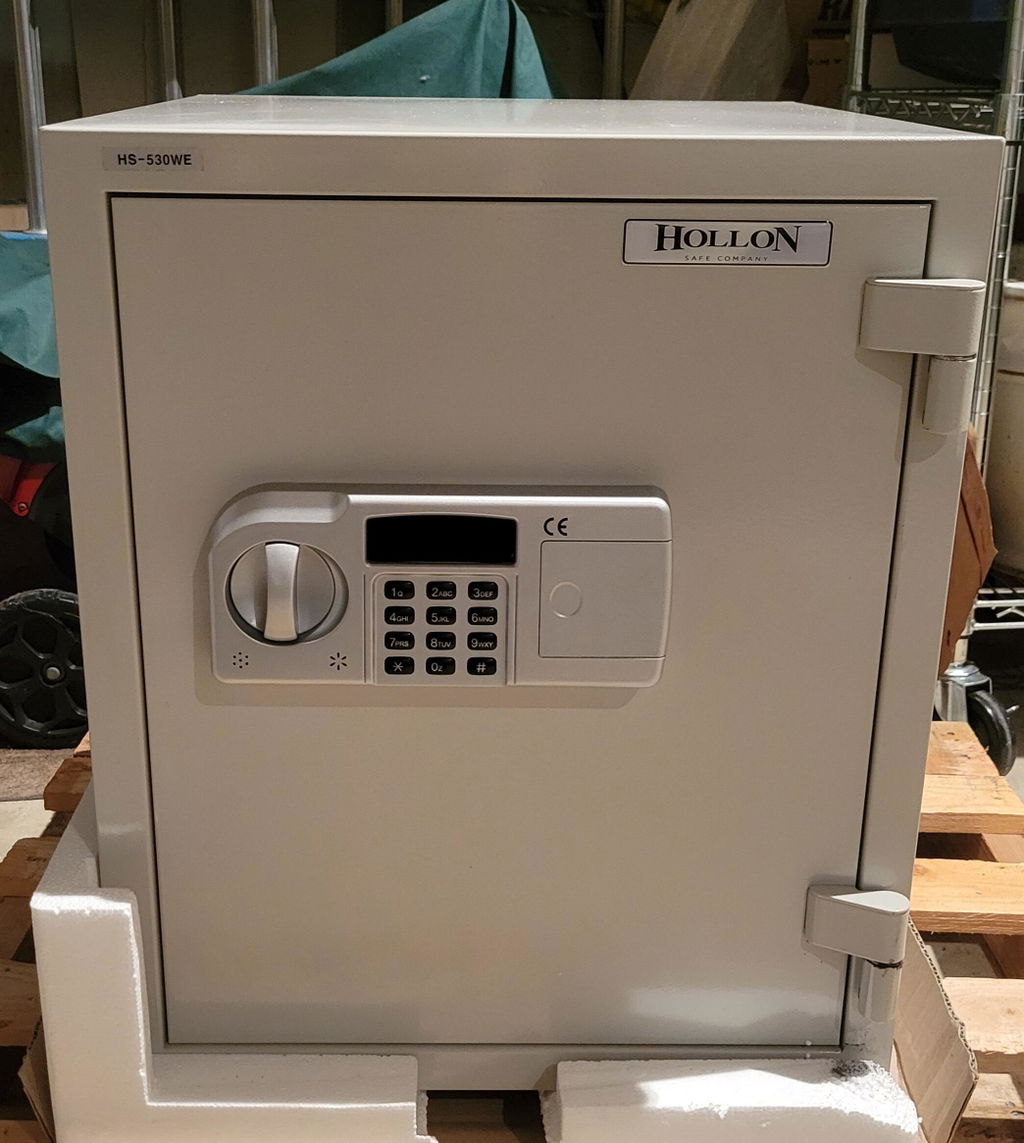
Lock choice matters for access and reliability, though it does not determine the fire rating by itself. A UL-listed electronic lock offers quick, convenient entry. Mechanical combination locks avoid batteries and suit owners who prefer simple long-term operation. Biometric locks can be useful for rapid access, but they should include a reliable override method and should be tested regularly by the owner.
For a fire safe holding documents rather than defensive tools, access speed may matter less than the consistency of the lock and the quality of the door seal. For firearm storage, safe access must be balanced with responsible storage practices and the need to prevent unauthorized access.
Size, Placement, and Installation Change the Outcome
Buy a safe for what you will need to protect several years from now, not only what you own this month. Paper files, jewelry boxes, backup drives, estate records, and family keepsakes take up more space than expected. It is usually smarter to leave room for organized storage than to pack a safe tightly enough that the door seal or contents are strained.
Placement requires a practical look at fire risk, theft risk, and the structure of your home or business. Garages may experience wider temperature swings and can be more exposed to forced entry. Upper floors can present difficult weight and delivery considerations. Basements may be vulnerable to water after a fire or flood, even though they can be less visible to burglars.
Wherever the safe goes, use an appropriate floor and follow the manufacturer’s anchoring instructions. Anchoring can prevent a burglar from simply removing the safe, and it helps keep the unit stable. Do not assume every fire-rated safe should be bolted down in the same way. Confirm that the mounting method does not compromise the unit’s listed performance or warranty.
A Practical Way to Compare Fire Safes
When comparing models, start with the property you are protecting and work backward. For birth certificates, insurance papers, tax documents, and family photos, prioritize an independently supported fire rating, adequate interior space, and reasonable water resistance. For valuables that could attract targeted theft, add stronger steel construction, a quality lock, anchoring capability, and burglary ratings where appropriate.
Then consider the fire duration realistically. A 30-minute model may fit a low-risk need or a secondary storage role. A one-hour safe is a sensible baseline for many homes. Longer ratings can make sense for rural properties, larger homes, businesses holding essential records, or valuables that cannot be replaced. The best safe is not always the one with the longest rating. It is the one whose tested protection, security features, size, and installation fit the risk you actually face.
Before purchasing, verify exterior dimensions, weight, delivery path, floor support, and the real interior capacity after shelves and door storage are accounted for. A safe that cannot be placed securely is not the protection solution it should be.
Protect what matters most by choosing based on tested performance rather than a label alone. If you need help weighing fire ratings against burglary protection, access needs, and installation realities, Secure Zoned can help you narrow the options without pushing you into more safe than your situation requires.