How to Choose a Floor Safe
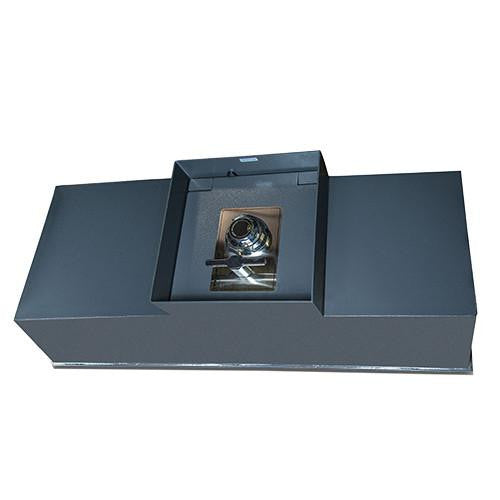
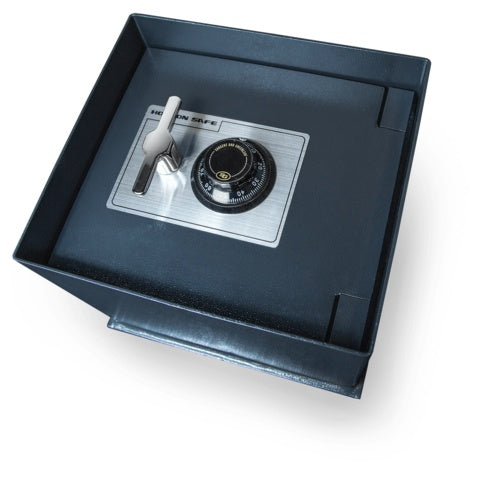
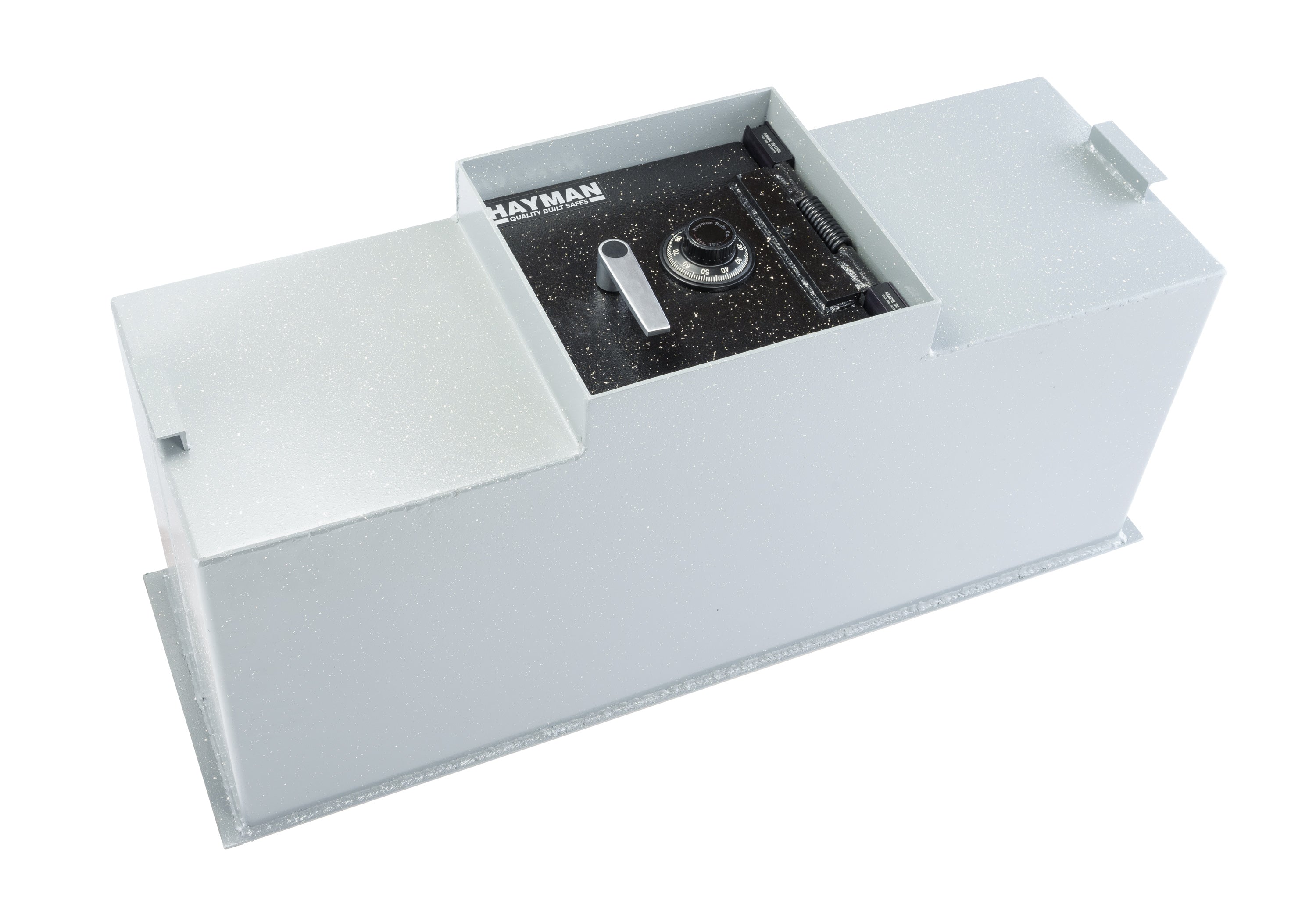
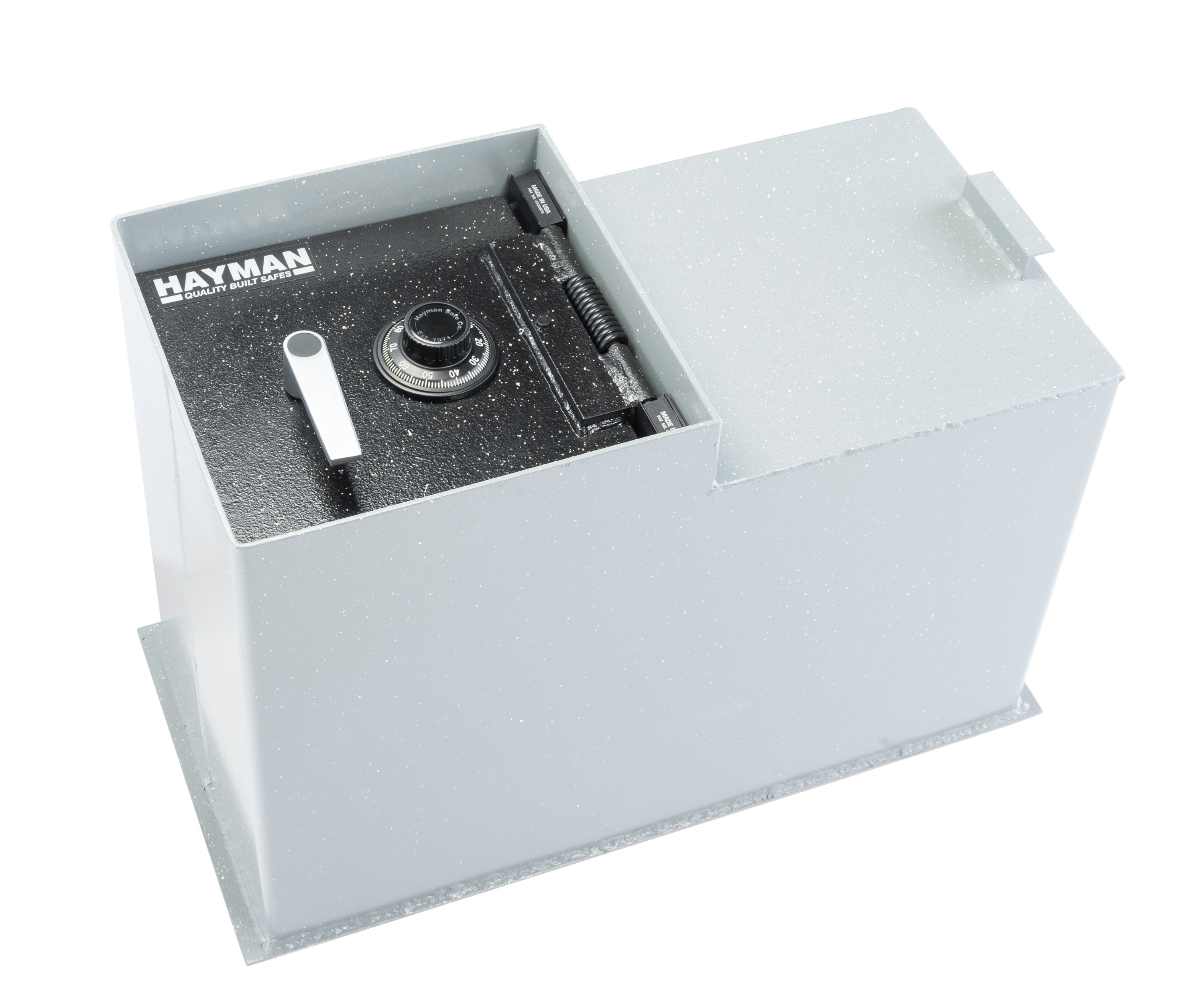
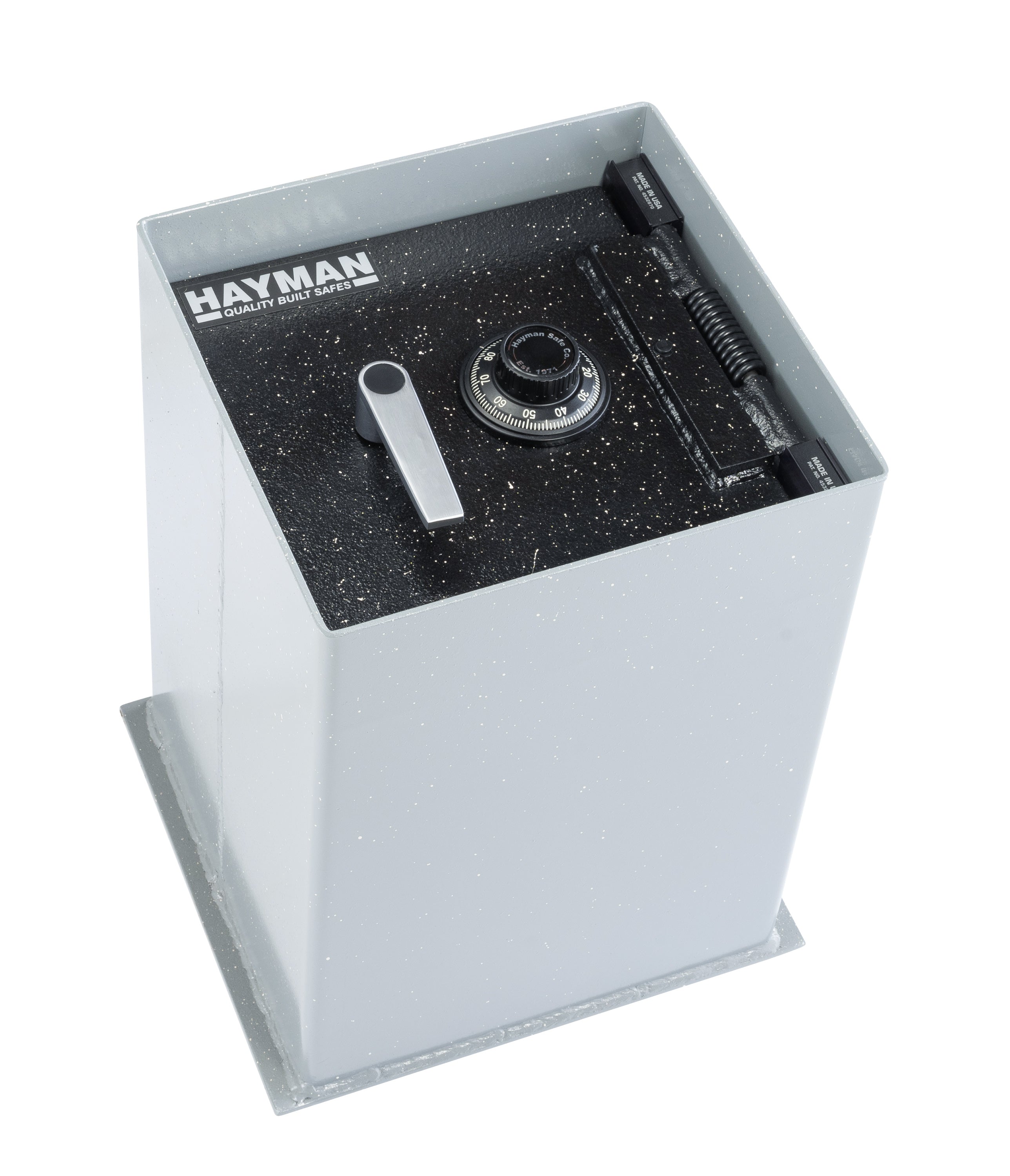
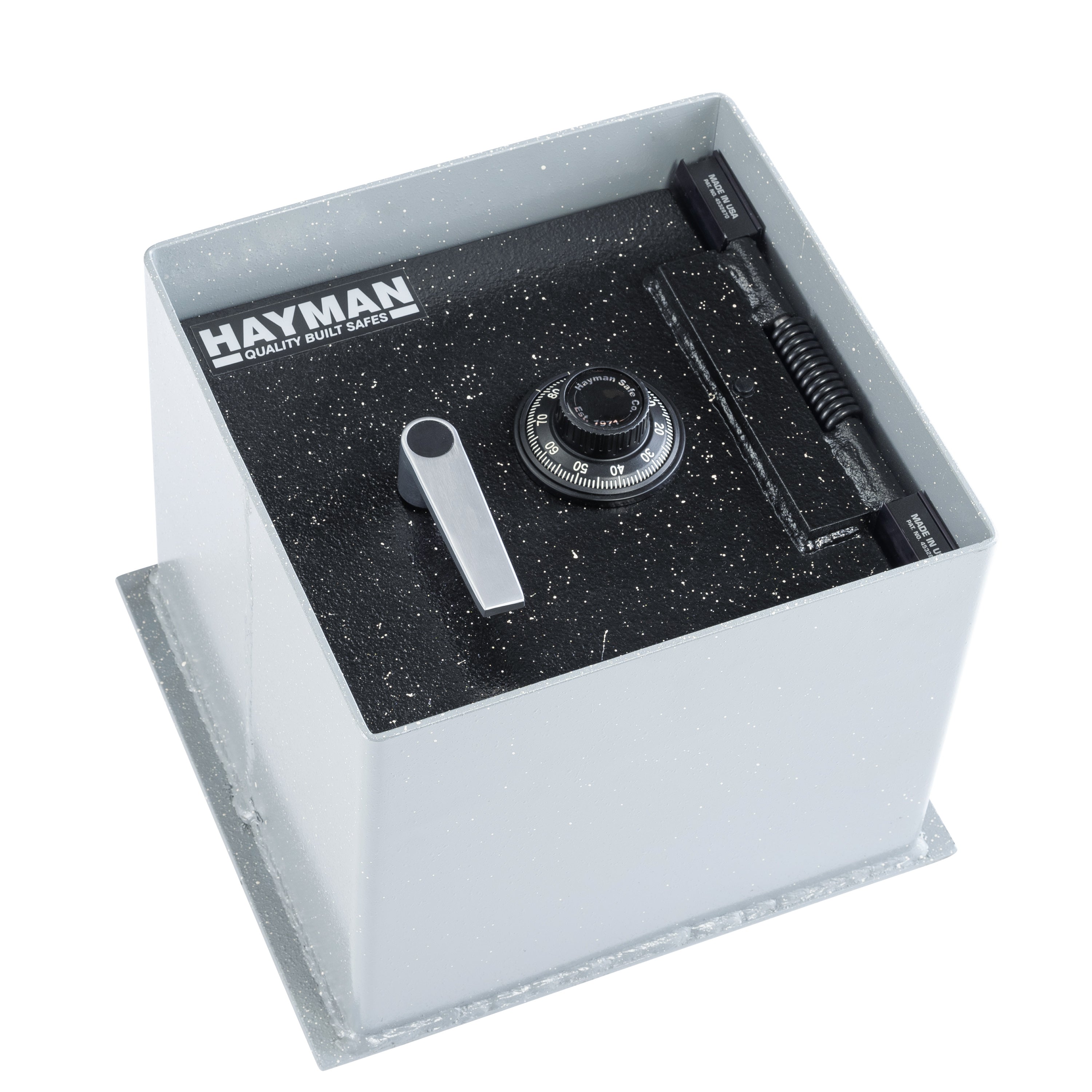
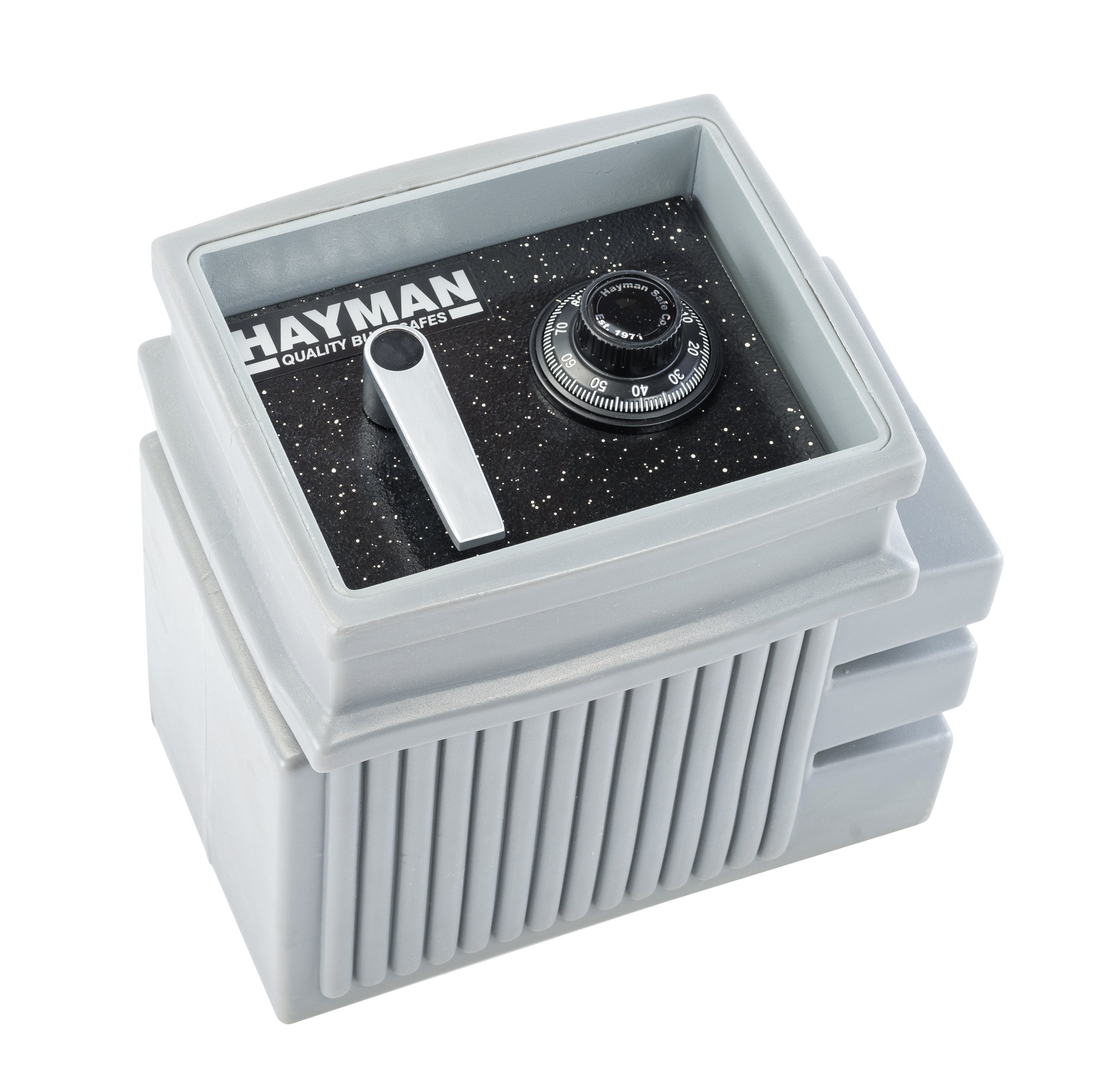
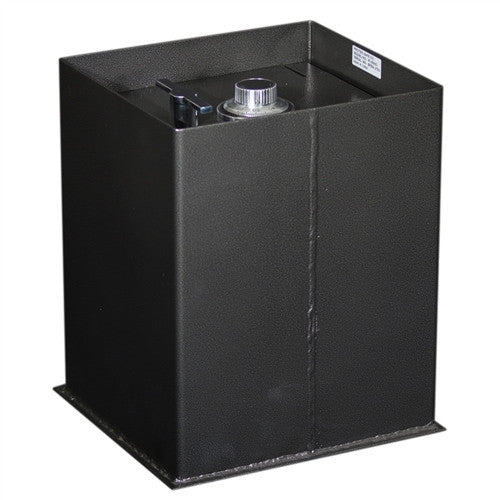
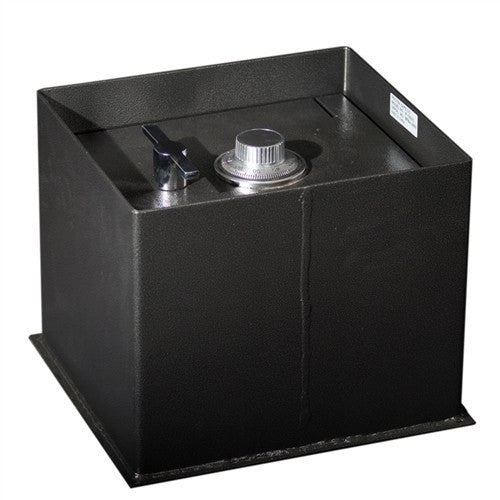
A floor safe offers the highest level of concealment available in residential security. Once installed in concrete or a wood subfloor and covered with carpet or a floor mat, the safe is effectively invisible. Unlike a freestanding safe or an in-wall safe, a properly installed floor safe cannot be carried away and is extremely difficult to locate without prior knowledge of its position. Here is what to know before buying.
Concrete vs. Wood Subfloor Installation
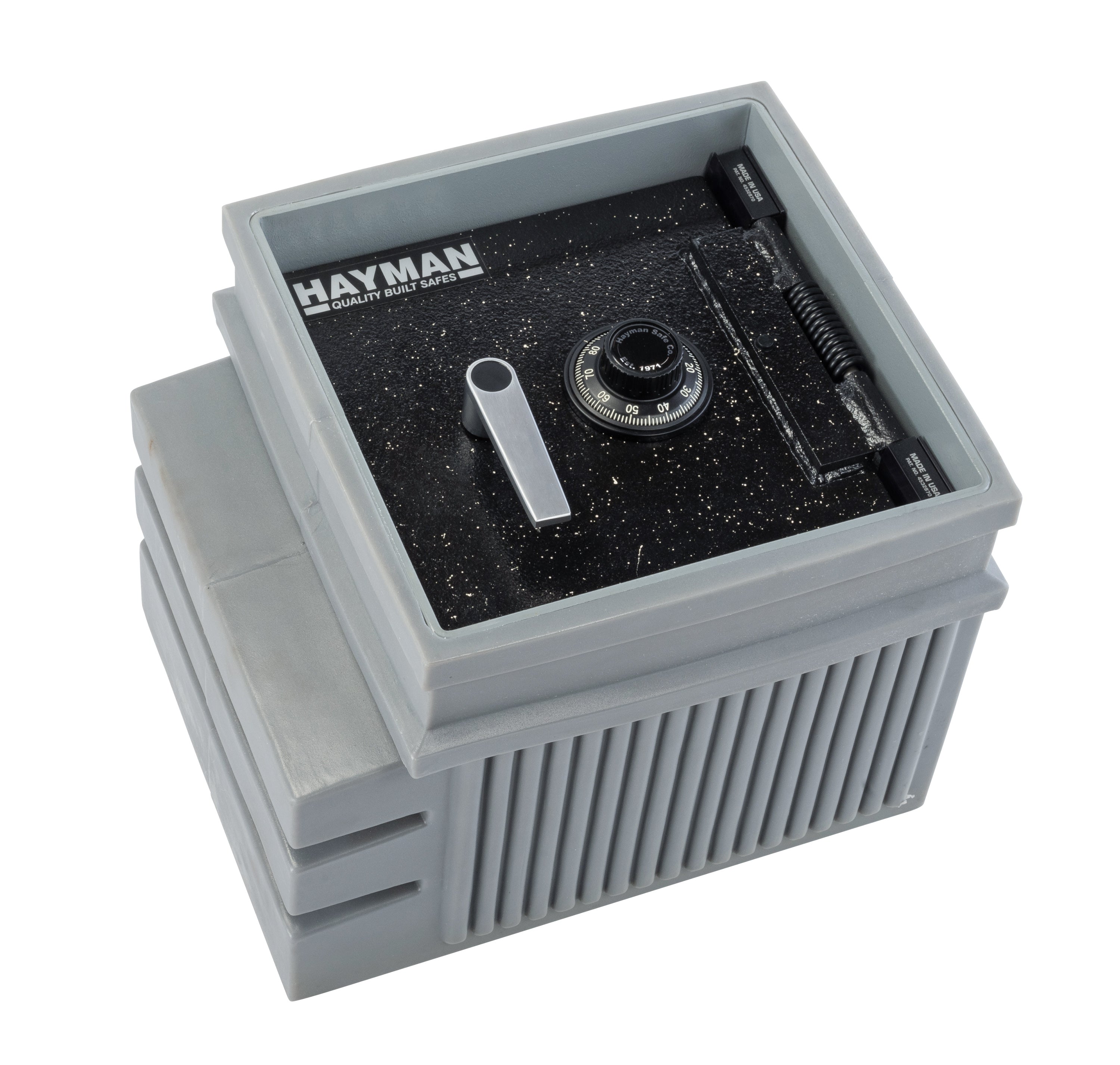
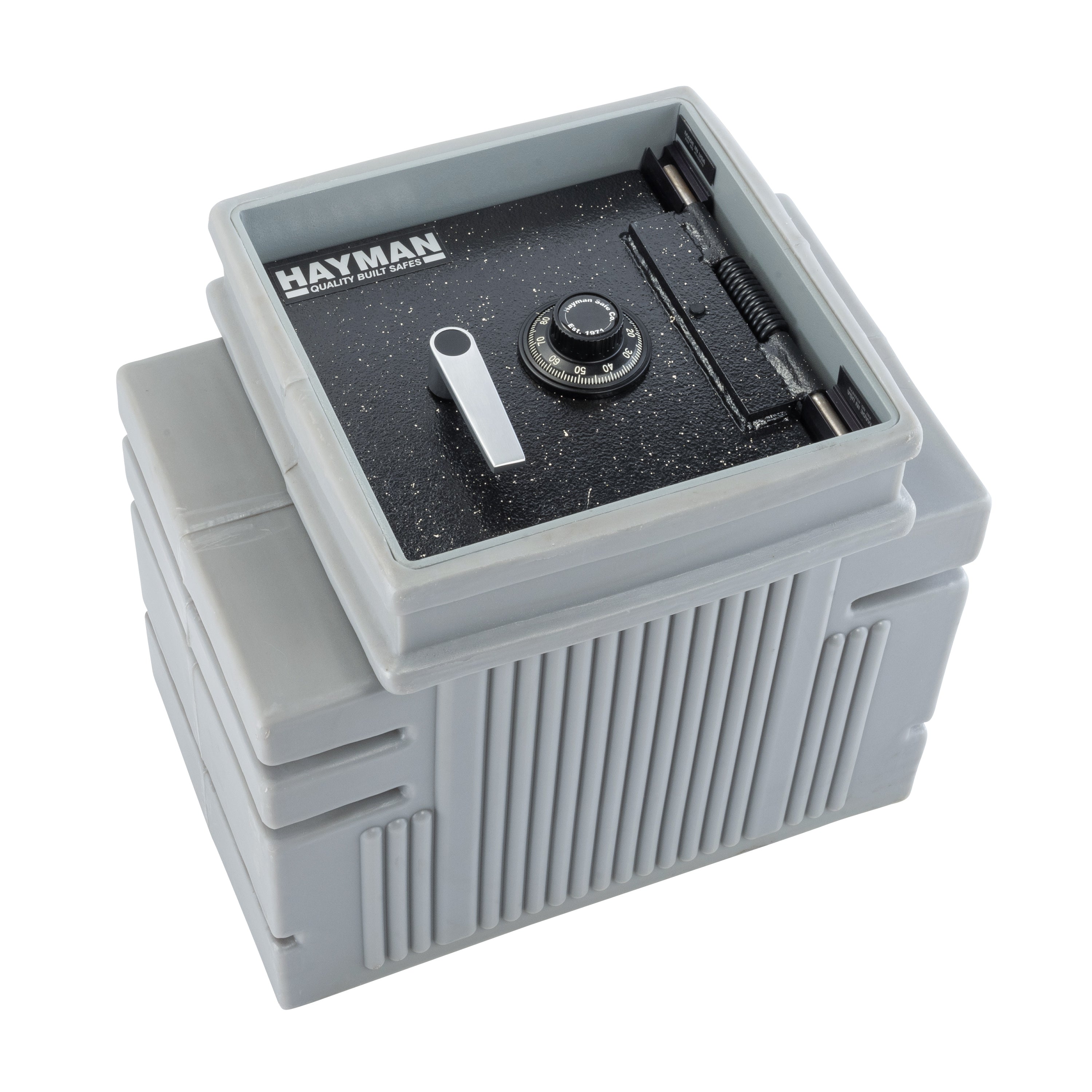
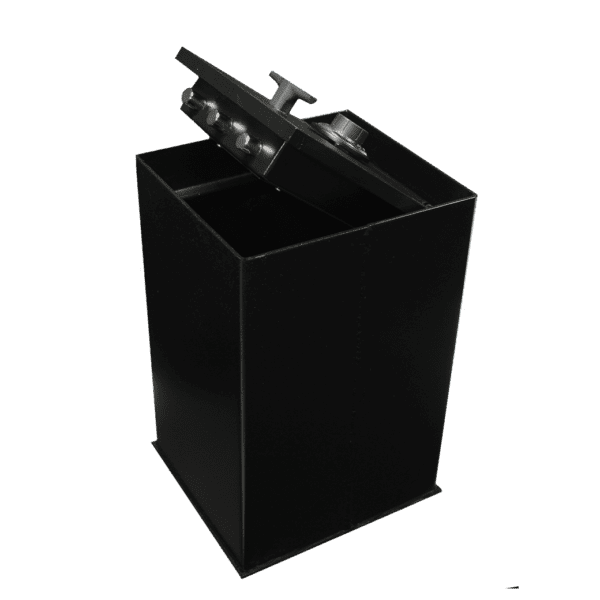
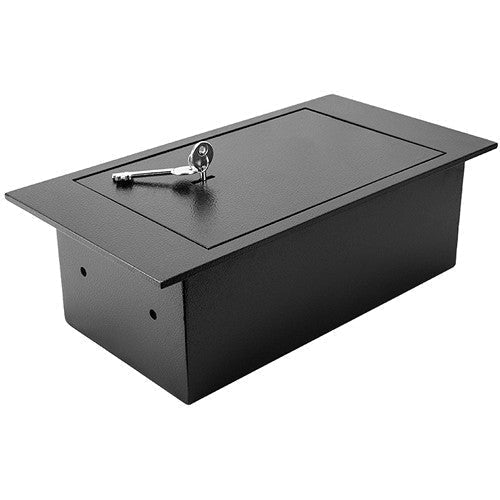
Floor safes installed in concrete use a form-fitting steel body that is dropped into a pre-cut concrete opening and surrounded by fresh concrete that cures around the safe body. Wood subfloor installation uses a recessed mounting kit that anchors between joists. Concrete installation provides significantly more resistance to prying and removal, and is the preferred method for any floor safe used as a primary security location. Wood installation is suitable for upper floors where concrete is not an option.
| Installation Type |
Security Level |
Best For |
| Concrete In-Ground |
Highest — encased in concrete |
Basement, garage, ground floor |
| Wood Subfloor |
Good — anchored between joists |
Upper floors, closets, bedrooms |
| Drop-In Body Only |
Requires lid or cover separately |
Replacement or custom installation |
Lock Types for Floor Safes
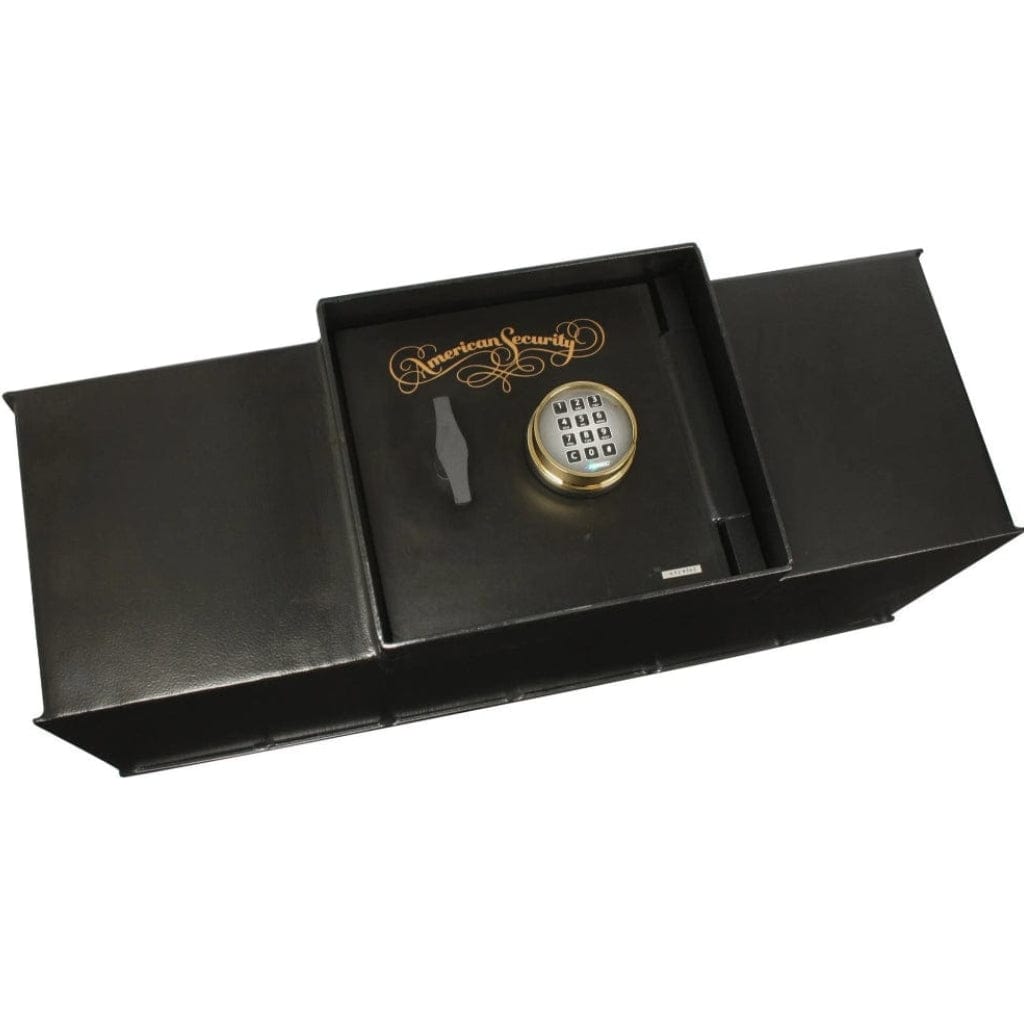
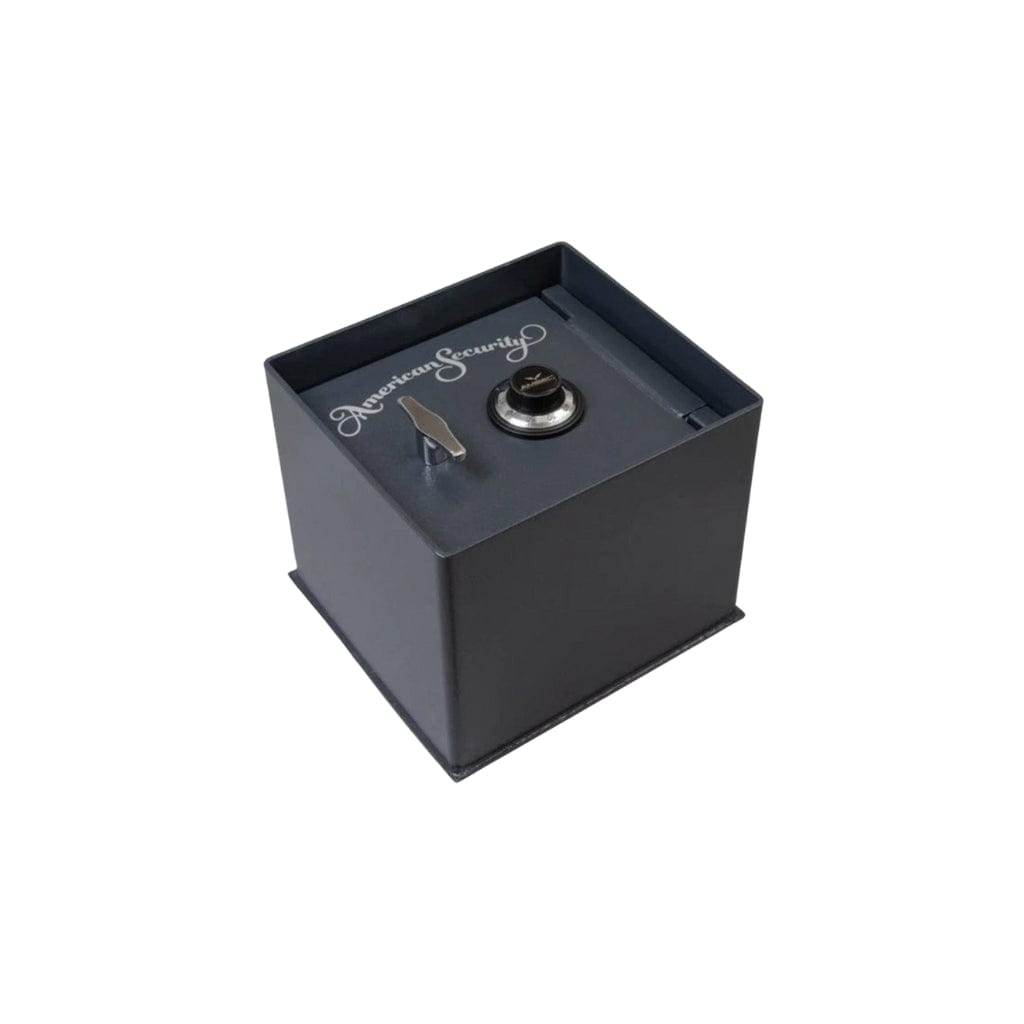
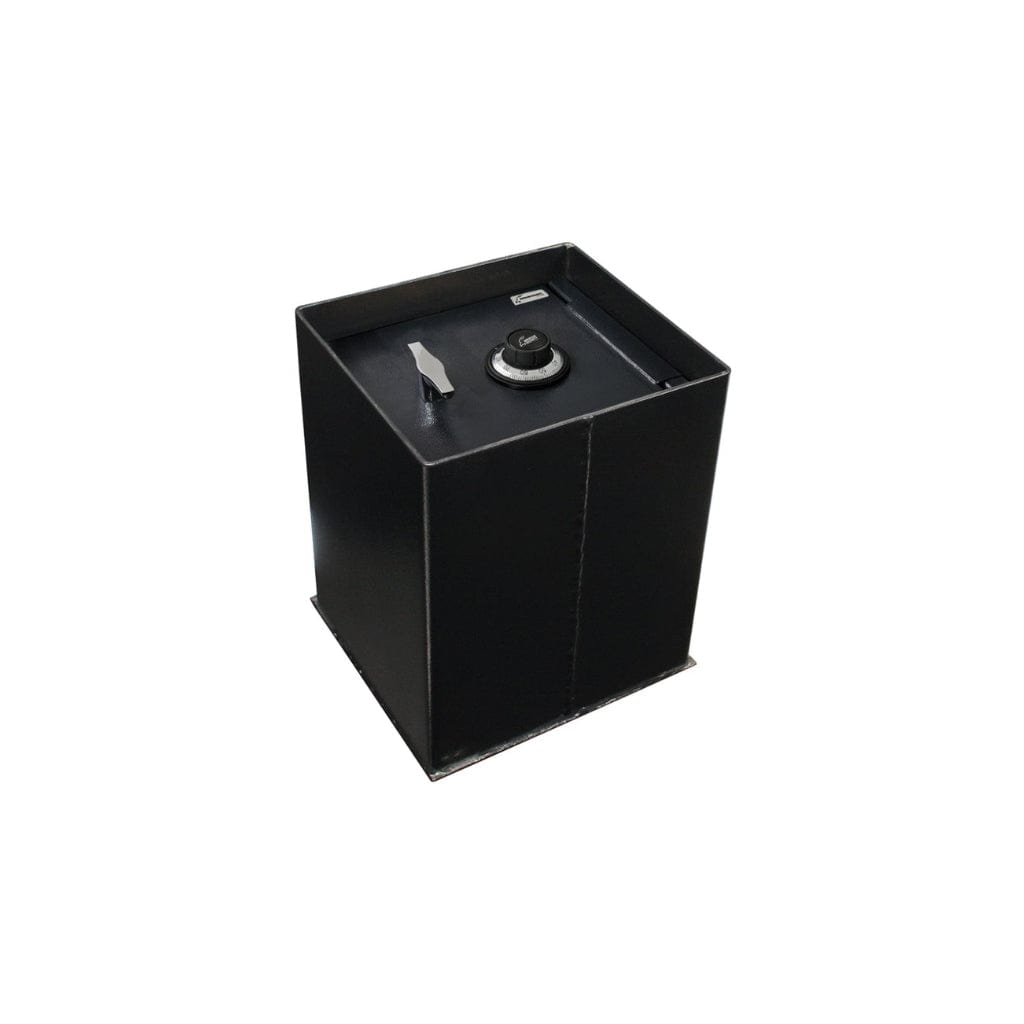
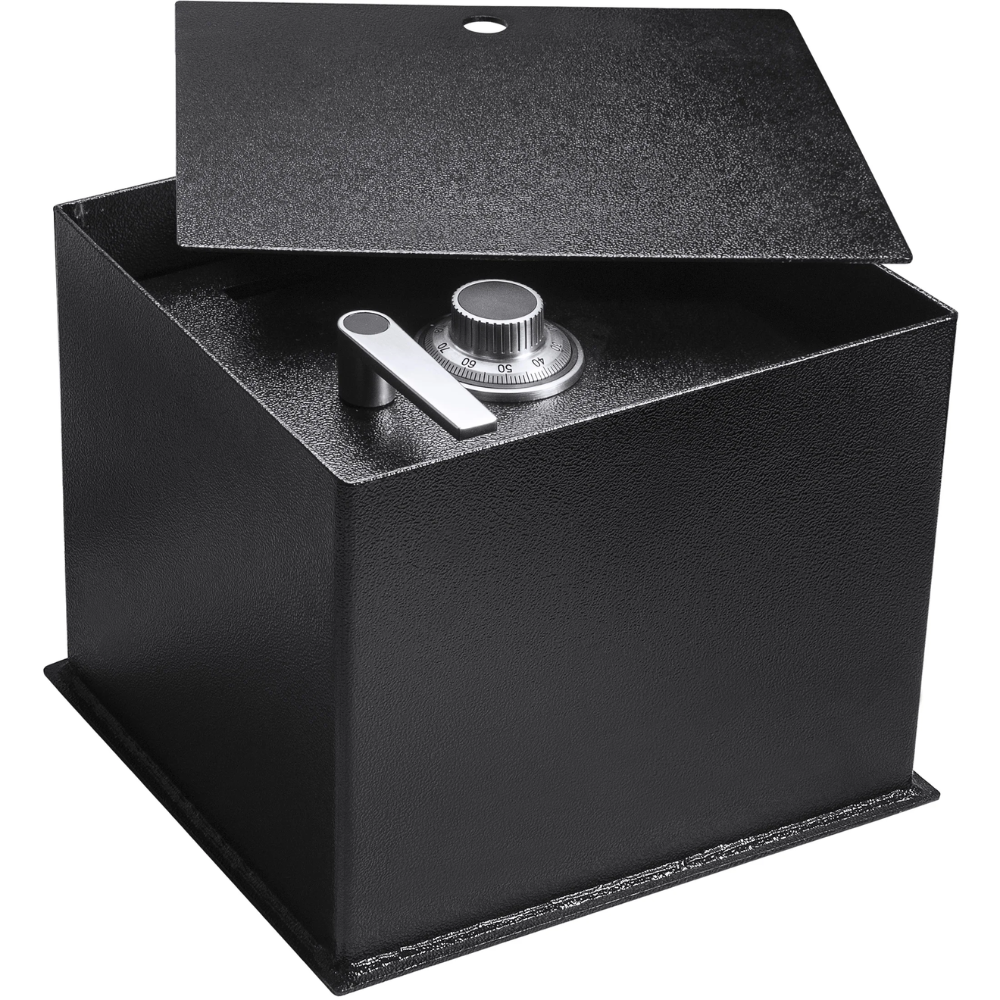
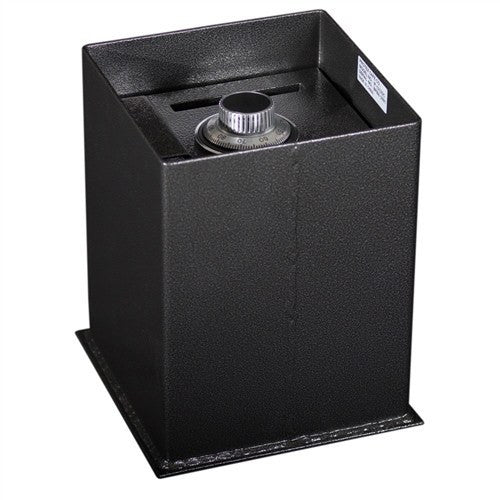
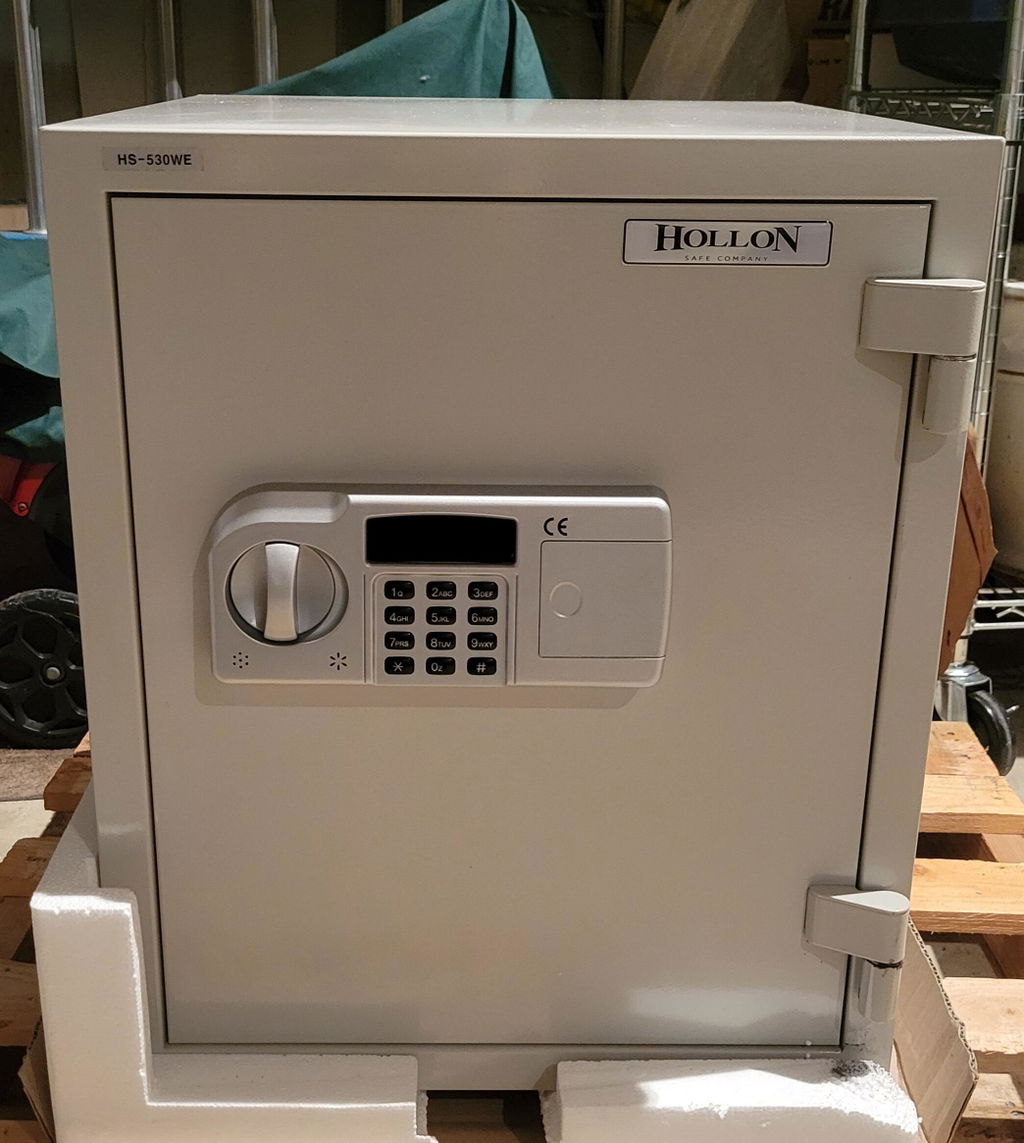
Traditional floor safes use a dial combination lock, which is highly reliable and requires no batteries. Electronic keypad models have become popular for their faster access, especially in locations where you may need to open the safe in low-light conditions. Some models offer both a primary electronic keypad and a mechanical dial backup. Biometric options are less common for floor safes due to the awkward access angle, but are available on select models.
Fire Protection in Floor Safes
Standard floor safes installed in concrete receive natural fire protection from the surrounding concrete, which acts as an insulator. However, the lid assembly, which sits at floor level, is the most vulnerable point in a fire. If fire protection is critical, look for a model with a fire-rated lid and gasket rather than relying on the concrete alone. Purpose-built fireproof floor safes with UL-listed ratings offer the most reliable protection for both burglary and fire scenarios.
Floor Safe Frequently Asked Questions
Are floor safes more secure than other types of safes?
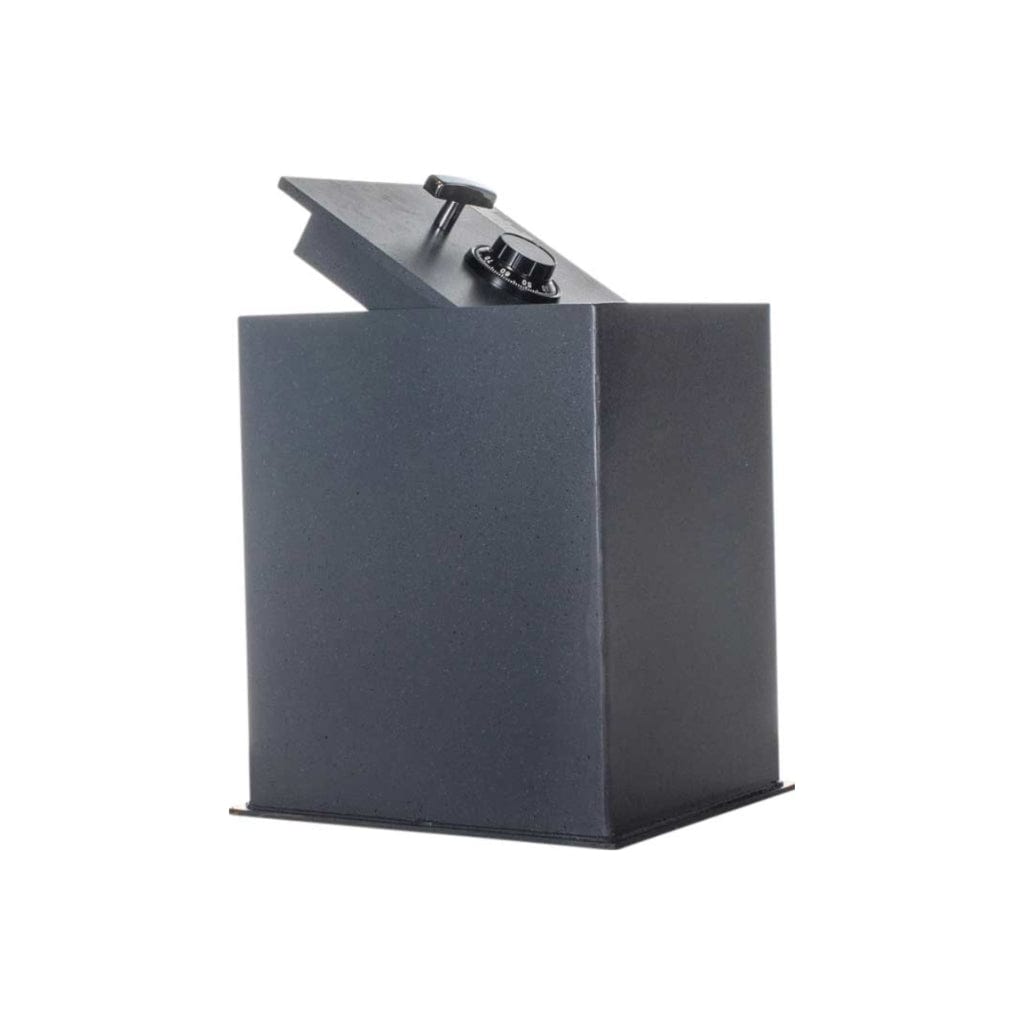
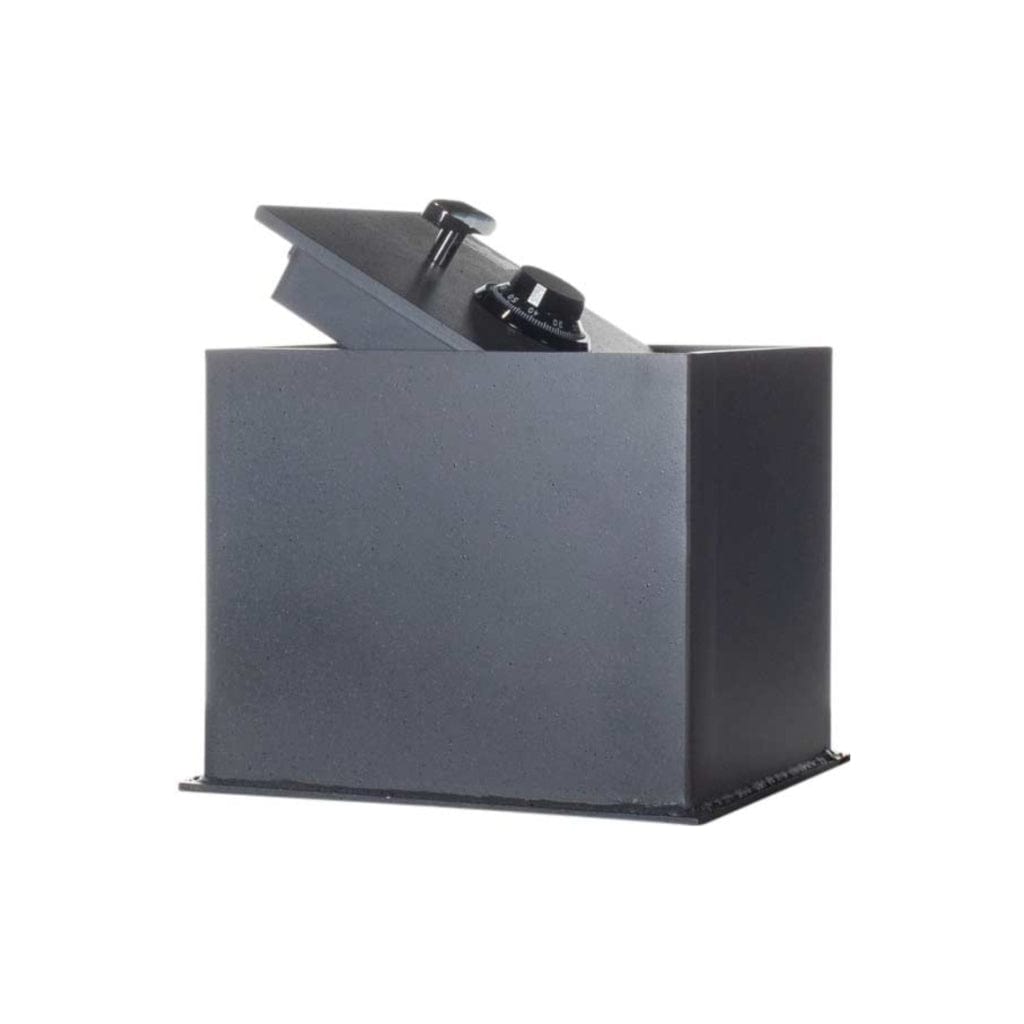
A properly installed concrete floor safe is one of the most secure residential options available because it cannot be removed, tipped, or pried open from the sides. The limiting factor is the lid assembly, which is exposed and must be rated for forced entry. A quality floor safe with a hardened lid and relocker is extremely difficult to defeat without specialized tools and significant time.
Can I install a floor safe myself?
Wood subfloor installations are manageable for an experienced DIYer with the right tools. Concrete floor safe installation requires cutting concrete, which typically needs a concrete saw and mixing new concrete to set the safe body. Most homeowners hire a contractor or a licensed safe installer for concrete installations to ensure the safe is level and the concrete is properly mixed and cured around the body.
What is a "body only" floor safe?
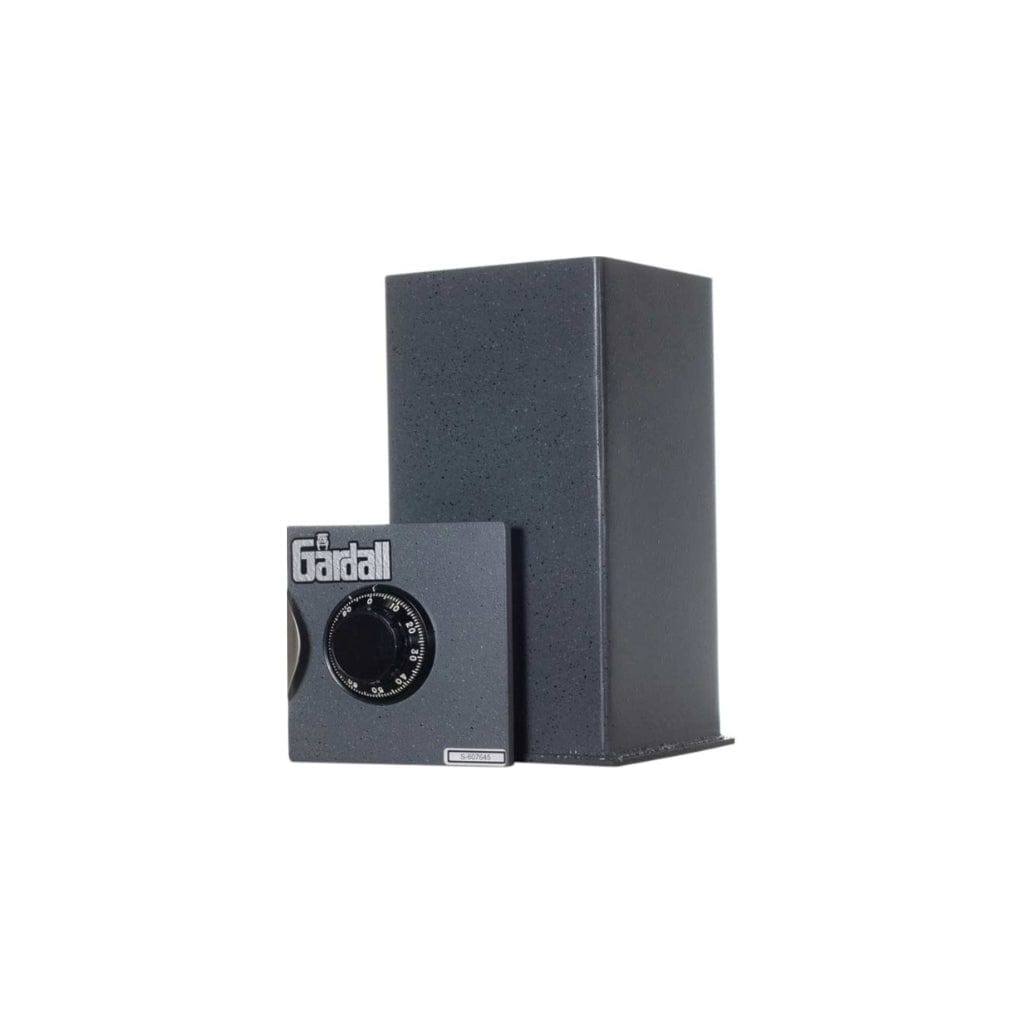
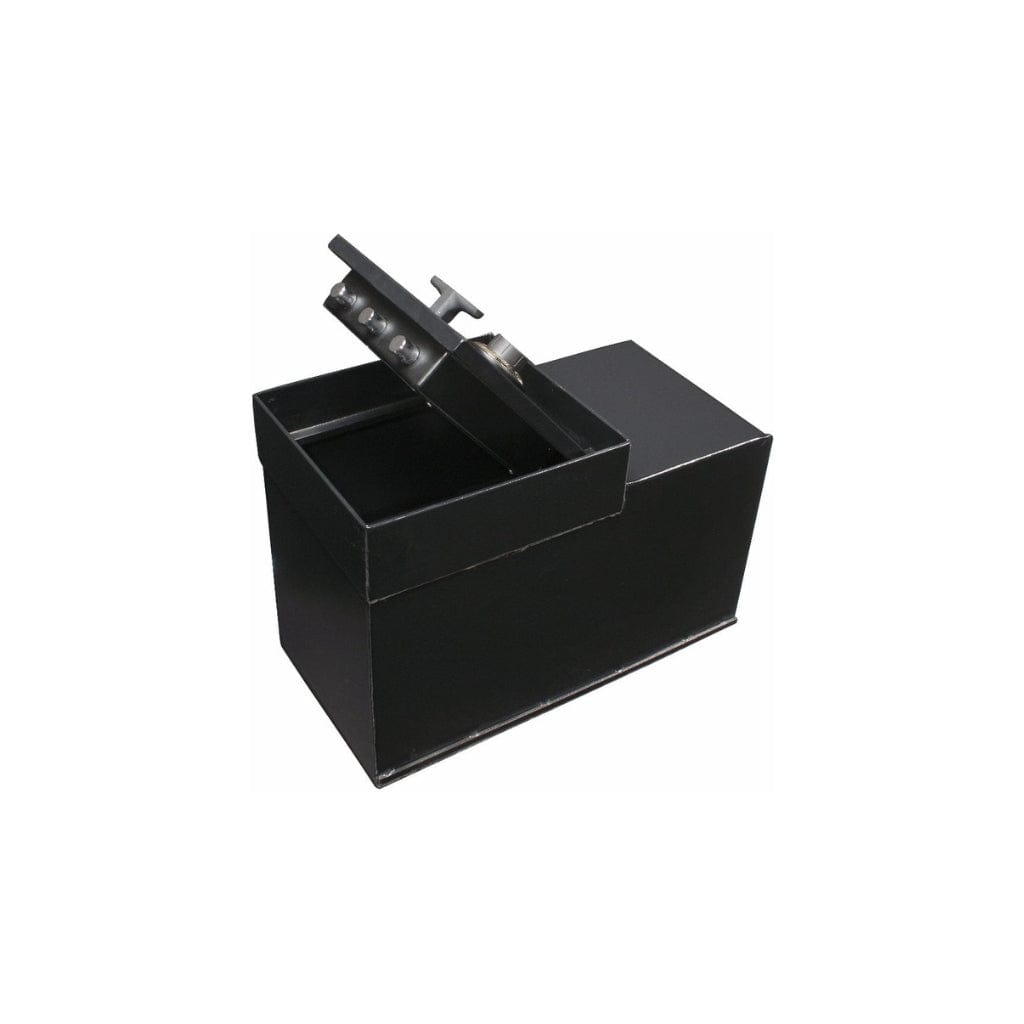
A floor safe body is the cylindrical or rectangular steel container that is set into the floor, without the lid assembly. Body-only safes are used for replacement installs where the existing opening fits the new body, or for custom projects where a different lid type will be used. If you are starting a fresh installation, confirm that you are purchasing a complete safe kit that includes both the body and the lid.
Where is the best place to install a floor safe?
The master bedroom closet and the basement are the two most common locations. A closet floor safe can be covered with a carpet insert cut to the exact lid size and is hidden under normal closet items. A basement concrete floor provides the most stable installation base. Avoid garages without climate control, as temperature swings can cause condensation inside the safe over time.
How large of a floor safe do I need?
Floor safes are typically smaller than freestanding safes because they are constrained by the concrete opening dimensions. Most residential floor safes hold cash, jewelry, passports, a handgun or two, and important documents. For long guns or large firearm collections, a full-size gun safe or vault door room is a better choice.
Shop Related Concealment Safe Options
Browse our full selection of hidden and fixed-installation safes: