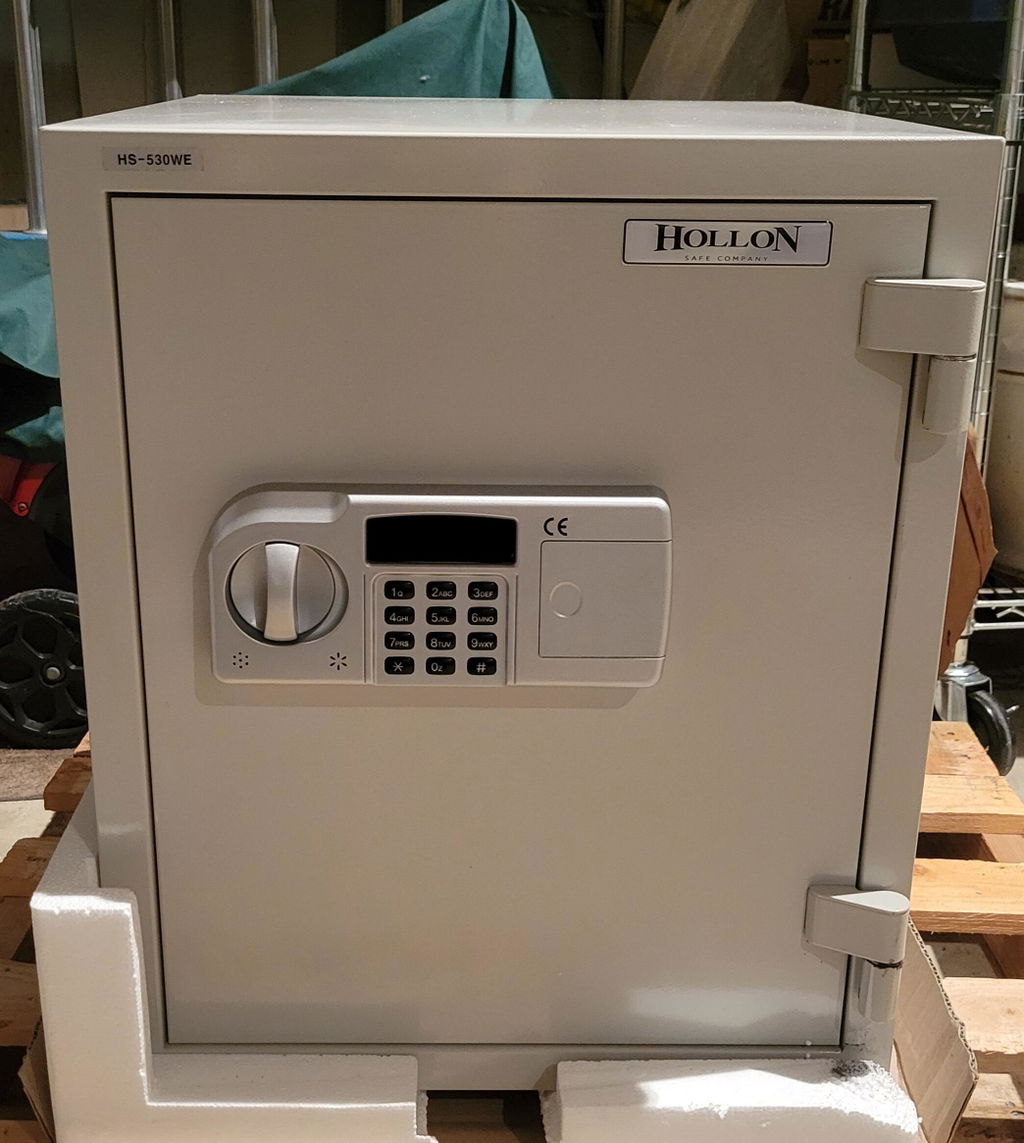
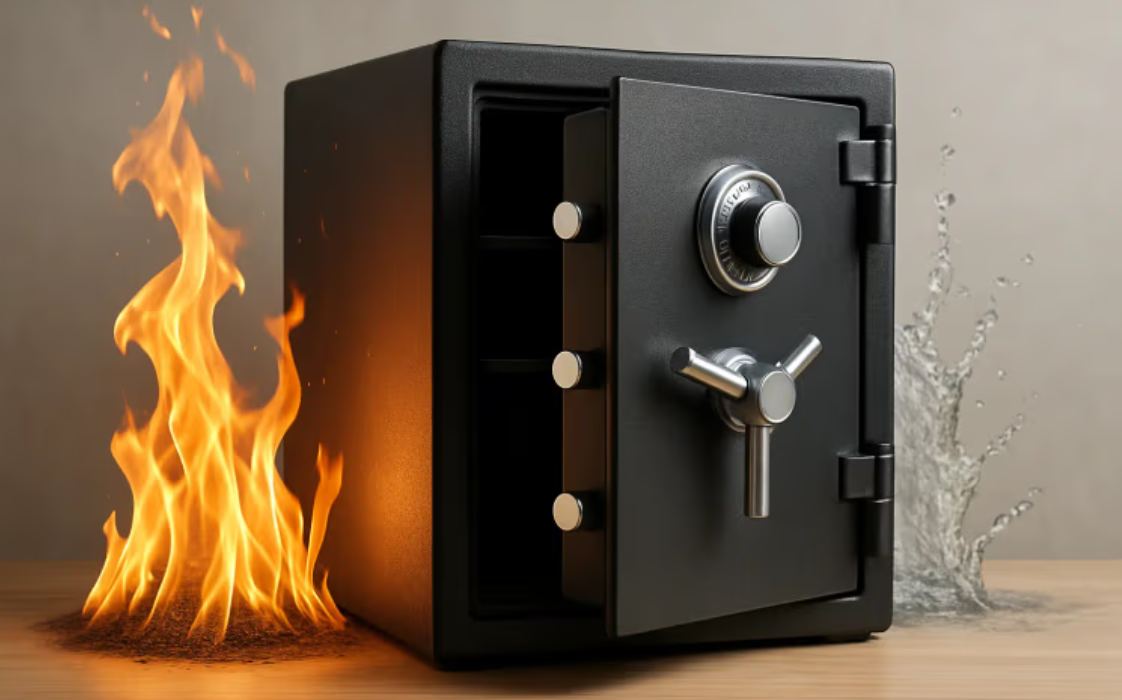
House fires rarely arrive on a tidy schedule. Neither do burst pipes, a backed-up sump pump, or the kind of storm that turns a “safe corner” of the house into a shallow pool. If you are buying a safe because you are done gambling with passports, deeds, backup drives, cash, or firearms paperwork, a fireproof and waterproof safe sounds like the obvious answer.
The catch is that those two words - fireproof and waterproof - get used loosely in the safe market. The best buying decision comes from understanding what a safe can realistically protect against, what the ratings actually mean, and where the trade-offs show up in daily use.
What “fireproof” really means for a safe
Most consumer safes are not literally fireproof. They are fire resistant for a defined time and temperature. That distinction matters because a safe is a heat-management system: steel shell, insulating fill, door seals that expand with heat, and an interior air space that you are trying to keep below a damage threshold.
Fire ratings are typically expressed as minutes at a stated exterior temperature, such as 30 minutes, 60 minutes, 90 minutes, or 120 minutes at temperatures that may reach 1,550°F to 1,700°F. The goal is to keep the inside below roughly 350°F for paper protection. For digital media, the target is much lower because heat and humidity ruin data quickly.
The “it depends” part is your realistic fire scenario. A detached garage fire behaves differently than a kitchen fire in a modern, open-plan home. Fire department response time, fuel load, and where the safe sits (basement vs second floor) all influence the heat exposure and whether the structure collapses onto the unit.
Paper vs media: two very different problems
Documents tolerate more heat than thumb drives and hard drives. That is why “data/media safes” and fire-rated media chests exist. They are built to keep the interior temperature and humidity far lower than a standard document safe.
If your must-protect items include backup drives, photos on optical media, or sensitive client records on external storage, treat that as a separate requirement. Many buyers do better with a true media-rated inner chest placed inside a larger fire-rated safe rather than assuming one box covers everything.
What “waterproof” usually means (and what it doesn’t)
In safe marketing, “waterproof” can mean anything from “keeps out splashes” to “survives short-term immersion.” Most full-size fire safes are better described as water resistant because their priority is fire performance, not being a dive case.
Water enters during real events in three common ways: fire hoses, sprinkler discharge, and flooding. Fire hose and sprinkler water is often the bigger day-to-day risk because it comes with heat, ash, and smoke that can carry contaminants into seams.
When you see a water claim, look for how it is defined. A meaningful statement specifies depth and duration, such as several inches of water for a number of hours. Even then, you should assume there is a limit. Door seals and boltwork openings are potential paths. A safe that handles shallow standing water may still lose the fight against extended submersion or pressurized water.
A practical approach is to combine a water-resistant safe with smart packaging inside: sealed document bags, zip pouches for small electronics, and an elevated placement for the safe when possible.
The balancing act: fire protection vs burglary protection
Fire insulation takes space and adds weight, but it does not automatically improve burglary resistance. Many fire-focused “chests” use thinner steel because they are built to keep heat out, not to stop tools. If your threat model includes theft - and for most homes and many businesses it should - you want to look beyond fire ratings.
Burglary resistance shows up in steel thickness, door design, boltwork, pry resistance, and lock quality. Higher-security burglary safes (including TL-rated models like TL-15 and TL-30) are engineered for tool attacks, but they are not always the top performers on fire minutes per dollar. Sometimes you choose a burglary-forward safe and add a separate fire-rated container inside. Sometimes you choose a fire-and-security hybrid. The right answer depends on what you are storing and where the safe will live.
Ratings and claims you can trust (and how to read them)
Safe specs can feel like alphabet soup, but a few signals are consistently helpful.
A third-party fire test is usually more meaningful than an in-house claim with no method described. Similarly, for locks, a UL-listed lock is a trust marker because it is evaluated against manipulation and reliability standards.
Also pay attention to how the door seals are described. Intumescent seals that expand under heat are common in stronger fire designs. For water resistance, look at door construction and gasket style, but stay realistic about what a gasket can do when a safe is exposed to hours of water pressure.
If you are buying for a business use case (cash, controlled keys, pharmacy storage, sensitive records), you also want to consider compliance and internal process. A safe that is “technically protective” but hard for staff to use correctly can become a daily workaround problem.
Choosing the right fire rating for your situation
A 30-minute rating can be reasonable for low-risk scenarios, especially if the safe is placed on a ground floor with good access for responders and you are primarily protecting duplicate items (copies of paperwork, not originals). But many homeowners buying a primary document safe aim for 60 to 120 minutes because it increases survival odds when the fire grows before suppression.
If you are in a rural area with longer response times, or the safe will be installed where heat can concentrate (closets, garages, upstairs rooms), more fire time is typically worth it. The trade-off is cost and weight, and weight leads directly into a major real-world factor: installation.
Installation is protection: anchoring and placement
A fireproof and waterproof safe is only as good as where it sits and whether it stays put. For theft prevention, anchoring is non-negotiable for many small and mid-size units. If a safe can be tipped, carried, or loaded into a vehicle, the burglary fight may happen somewhere else.
Placement also affects fire and water performance. Basements are convenient and naturally cooler during a fire, but they are also the first place to flood. Second floors may avoid minor flooding but can be exposed to collapse hazards in a serious fire. Garages introduce higher fire load risks (fuel, chemicals) and easier access for thieves.
For many homes, a main-floor interior location, anchored into concrete or properly into structural framing, is a balanced choice. For businesses, under-counter and back-office installations often work well, but you should think through visibility, staff access, and whether customers can observe keypad entry.
Lock options: mechanical dial vs electronic vs biometric
Lock choice is not just preference - it is about the environment and who needs access.
Mechanical dials are proven and do not rely on batteries, which is appealing for long-term document storage and low-touch use. Electronic keypads offer faster access, easy code changes, and audit-friendly processes in some models, which can help for retail, hospitality, and multi-user households. Biometrics can be excellent for quick access when properly implemented, but you should still plan for a backup method.
If you are pairing fire and water protection with quick-access needs (for example, a handgun safe that must be reachable but still protective), speed can conflict with sealing and heavy door construction. That is one reason many buyers split the job: a quick-access safe for immediate needs and a larger fire-rated safe for long-term storage.
What should go in a fireproof and waterproof safe
The best use is anything that is difficult or expensive to replace and that becomes a serious problem if compromised. Original identity documents, vehicle titles, property records, insurance policies, small valuables, and regulated paperwork are common. For businesses, that may include deposit materials, controlled keys, sensitive HR records, and backup drives - with the earlier note that media often needs dedicated protection.
Also consider what should not go in without extra care. Cash and paper can absorb odor and moisture after a fire event. Electronics can be damaged by humidity trapped inside a sealed safe after exposure. Desiccants and smart organization can prevent the safe from becoming a humidity capsule.
How to shop without getting oversold
If you want the simplest way to avoid disappointment, start with your threat list: fire duration risk, water exposure risk, and theft risk. Then decide what you are protecting (paper, media, firearms, cash) and where the safe will be installed. From there, match the safe category to the job rather than forcing one box to do everything.
When you are comparing models, insist on clear specs: fire time and temperature, lock type and any UL listing, steel thickness or construction description, weight, and anchoring provisions. If you are unsure how those details translate to your home or operation, that is the moment to talk to a specialist. Secure Zoned offers call/text guidance and a wide catalog across fire-rated, water-resistant, and higher-security options at Secure Zoned.
A helpful closing thought: buy the safe you can install correctly and use consistently - because the best protection is the one that is still locked, anchored, and organized the day you actually need it.