If you have ever had to replace a birth certificate, a deed, or a stack of insurance paperwork after a move, you already know the real cost is not the fees - it is the time, the delays, and the stress. A document safe is less about hiding papers and more about keeping them readable and legally usable after the two big threats: fire and water.
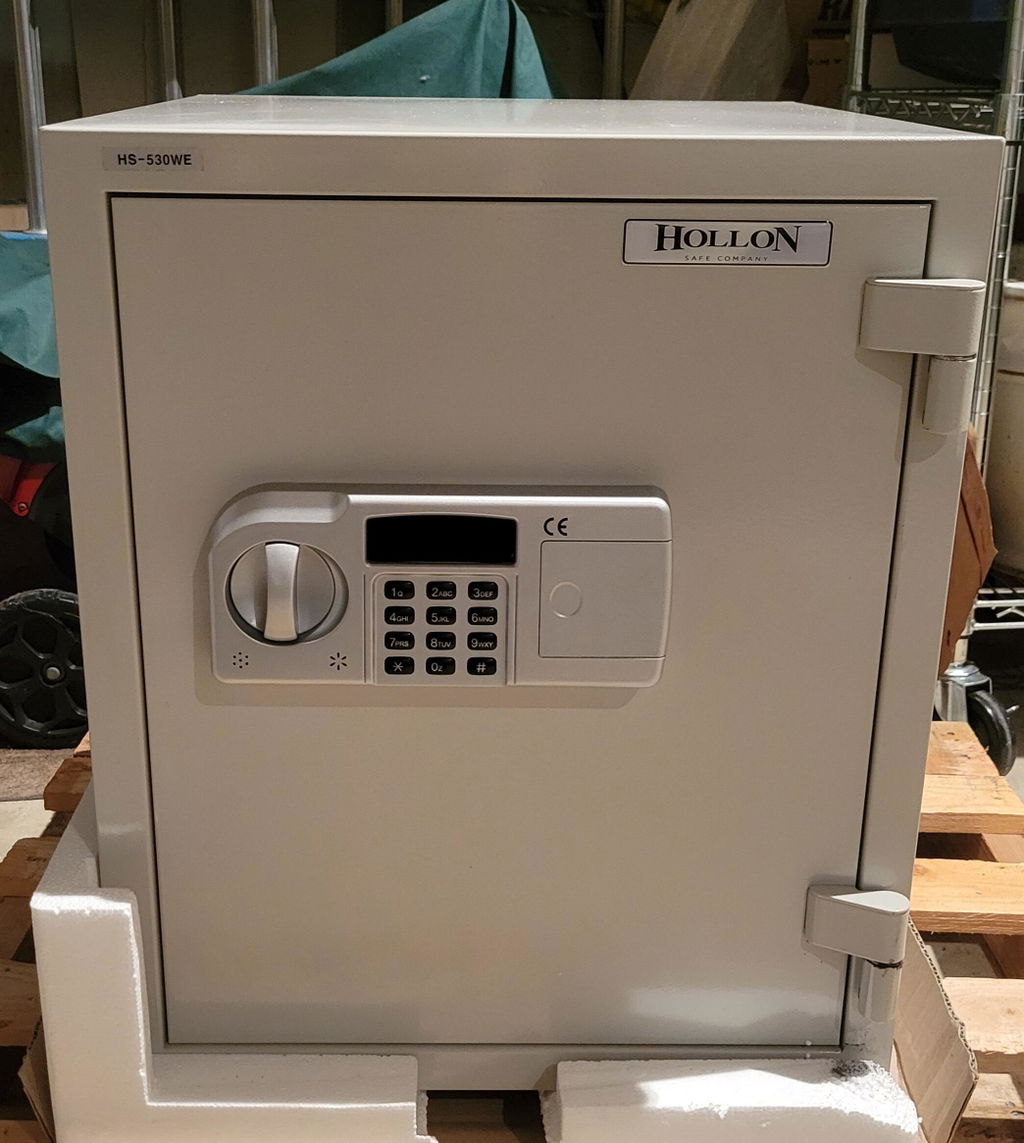
For most paperwork, start with our small fireproof safes, rated from 30 minutes to 2 hours.
The tricky part is that “best safe for important documents” depends on what kind of documents you mean, where they live (home office vs storefront vs back room), and what you are actually defending against. A safe that is perfect for fire protection can be the wrong choice if your bigger risk is burglary or frequent access.
What “best safe for important documents” really means
For paper, heat is the enemy that ends the conversation quickly. Paper chars around 405°F, and typical house fires can reach much higher. A document safe that only talks about “fireproof” without a time and temperature rating is not giving you enough information to trust it.
Water is the second issue, and it shows up in more ways than flooding. Fire hoses, sprinkler systems, and the water used to put out a fire can soak contents even if the safe survives the heat.
Security still matters, but for most document-only buyers, the first priority is survivability of the contents. If you are storing items that create identity theft risk (passports, Social Security cards, employee records) or documents tied to large-dollar assets (titles, deeds, contracts), then burglary resistance moves up the list fast.
Start with the contents: paper, photos, and digital media
A lot of people shop for a “document safe” and then store everything in it. That is fine until you add items that cannot tolerate the same internal temperatures paper can.
Paper is relatively forgiving compared to digital media. USB drives, external hard drives, and backup tapes can be damaged at lower temperatures and by humidity. Photos and some inks can also degrade.
If you are protecting paper only, a quality fire-rated safe or fire file cabinet is usually the right lane. If you are protecting digital media, you may need a data/media safe designed to keep internal temperatures lower than standard paper-rated units. That is a classic “it depends” moment: the best safe for your important documents may actually be the wrong safe for your backups.
Fire ratings: what to look for and what it means in real life
A fire rating should tell you two things: how long the safe was tested and at what external temperature. You will commonly see ratings expressed like “60 minutes at 1700°F” or “120 minutes at 1700°F.” Longer time ratings and higher temperature tests typically indicate more fire insulation and better protection, but they also usually mean a heavier safe.
For many homes, 60 minutes can be a practical baseline when you are storing core identity documents and essential records. If you are in a rural area with longer fire response times, storing irreplaceable records, or protecting business-critical paperwork, stepping up to 90 minutes or 120 minutes can be a smarter decision.
Two trade-offs to keep in mind:
First, more fire protection often means more bulk and weight. That can impact where you can install the safe and whether you can anchor it.
Second, not all fire ratings are created equal. You want clear, verifiable testing details. If the listing is vague, treat it as a red flag.
Water resistance: “waterproof” is not a plan
Some small chest-style boxes claim waterproof performance, but you should separate marketing language from real-world scenarios. Water protection can come from a gasketed door, a design that resists hose spray, or construction that reduces seepage during short-term exposure.
For document protection, water resistance is still valuable even if it is not absolute. A safe that helps keep out sprinkler runoff and hose spray can be the difference between readable documents and a pulpy mess.
If your primary threat is flooding (coastal areas, basement offices, or properties with previous water incidents), you may need a different approach: raising the safe location, choosing an in-home placement that stays above likely water lines, and using sealed document bags inside the safe as an added layer.
Burglary protection: when “fire safe” is not enough
Many document safes are designed around fire insulation, not forced-entry resistance. If your documents create financial exposure, burglary protection should be part of the buying decision.
A few practical signals help you gauge burglary resistance:
Steel thickness and door construction matter. Thin steel can be compromised faster, even if the safe has excellent fire insulation.
Look for real locking hardware - solid bolts, quality hinges, and a door design that resists prying.
If you need higher assurance, step into burglary-rated categories such as TL-15 or TL-30, which are built for tool-resistant attacks. These safes are heavier, more expensive, and often overkill for basic paperwork, but they are a strong fit for offices, cash-heavy operations, or any situation where documents and valuables overlap.
The trade-off is access and cost. A TL-rated safe is not something you slide into a closet and forget. It is a security investment, and it usually calls for professional placement and anchoring.
Lock choice: reliability and access style
For document storage, the “best” lock is usually the one you will use consistently without creating lockout risk.
Mechanical dial locks are time-tested and do not rely on batteries. They are a strong choice for long-term storage where you do not need fast daily access.
Electronic keypad locks are popular for a reason: faster entry, easier code changes, and simpler multi-user management for small businesses. The key is to choose quality hardware and maintain it - fresh batteries on a schedule and a code management process that does not live only in someone’s memory.
Biometrics can be convenient, especially for quick access, but for document-only storage it is often not necessary. If you do choose biometric access, look for models that still offer a keypad or key override and have a clear plan for authorized users.
Size and layout: document storage is about usable space
Legal and letter-size papers, folders, envelopes, and binders do not store the same way. A safe can look roomy in a photo and still be awkward for documents if it lacks adjustable shelving or a layout designed for files.
If you want to store hanging folders and keep documents easy to retrieve, a fire-rated file cabinet can be a better tool than a standard safe. File cabinets are built around document organization, and they reduce the temptation to overstuff, which can damage papers and make it harder to close and seal the door properly.
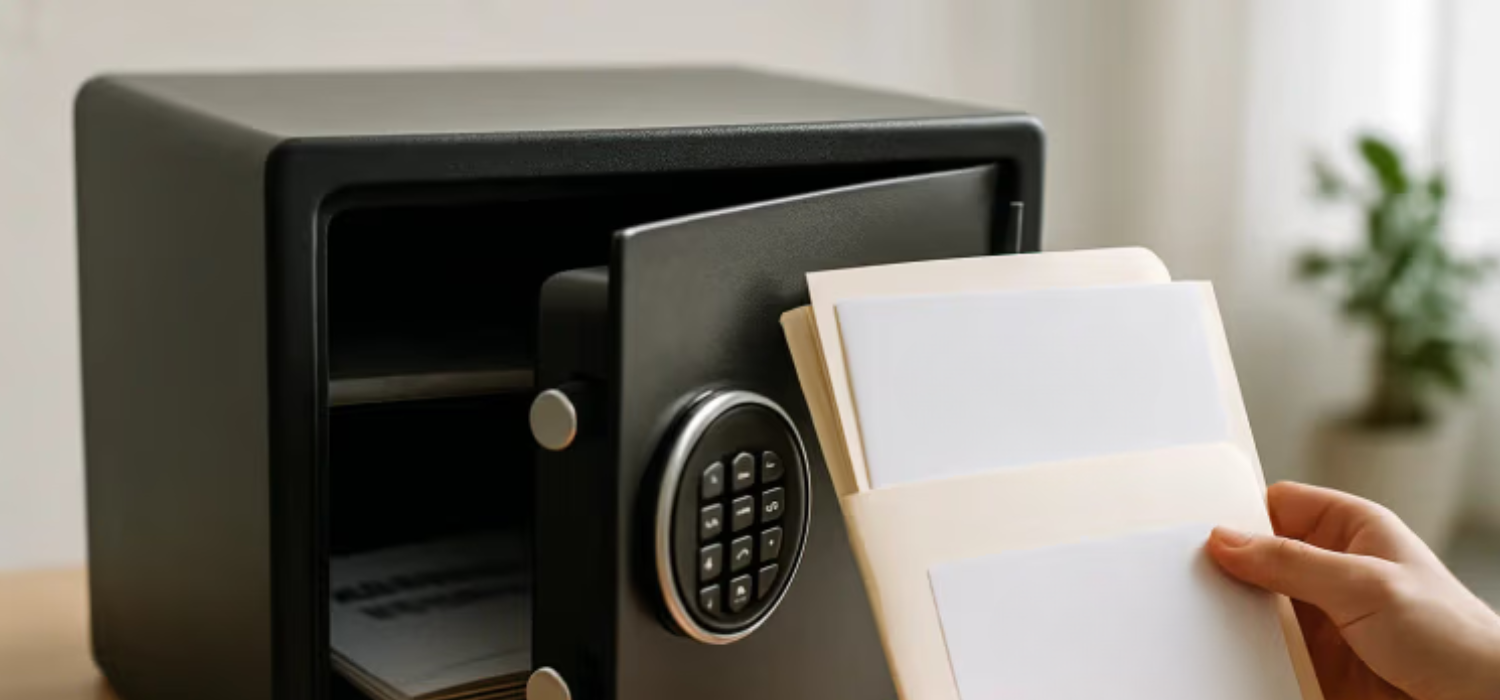
If you want a single unit that can hold documents plus passports, small valuables, or a lockbox, a safe with adjustable shelves and enough depth for file organizers is a practical middle ground.
Placement and anchoring: the part people skip
Where you put the safe affects both security and survivability.
For theft resistance, anchoring is critical. A smaller safe that is not bolted down can be carried out. Even document safes can be targets because thieves assume there are valuables inside.
For fire protection, avoid placing the safe where fire load is highest. Garages, utility rooms with flammables, and areas near fuel sources raise risk. An interior location can reduce exposure, and a ground-floor placement can be safer than a basement if flooding is plausible.
For water risk, elevation helps. Even a few feet can matter during sprinkler discharge or minor flooding. If you must place a safe in a basement office, consider setting it on a raised platform and using sealed document bags inside.
A simple way to choose the right category
If you want quick clarity, pick the lane first, then compare models within that lane by verified ratings and build quality.
If the mission is “paper survivability” for a home, focus on a fire-rated safe or fire file cabinet with a clear time and temperature rating, plus a gasketed door for water resistance.
If the mission is “paper plus identity risk,” add burglary resistance signals like thicker steel and stronger door construction, and prioritize anchoring.
If the mission is “business records with real consequences,” consider stepping up to higher security tiers, especially if the safe will also protect cash, controlled items, or regulated paperwork.
If the mission includes “digital backups,” do not assume a standard fire safe is enough. Data/media-specific protection can be the difference between restoring your records and losing them.
If you want help matching a safe to your exact use case and installation constraints, Secure Zoned can walk you through options by fire rating, burglary level, lock type, and size at Secure Zoned.
Small upgrades that make document protection better
Once you choose a safe, a few practical habits improve outcomes.
Keep originals in labeled folders and avoid loose stacks. Overstuffing can prevent proper sealing, which affects both fire and water performance.
Use sealed document pouches for the documents that would ruin your week if they got wet. It is a low-cost second layer, and it also helps keep paperwork organized.
Store a current inventory list inside the safe and a copy outside the safe. If a disaster happens, you will move faster with claims and replacements when you know exactly what was stored.
The real “best” choice is the one you can live with
The best safe for important documents is the one that matches your actual threats, fits your space, and supports your routines. If the safe is too small, you will pile papers on top. If it is too slow to access, you will leave documents in a desk drawer. If it is not anchored when it should be, it can disappear.
Pick the protection level that matches your risk, install it like you mean it, and then give yourself the quiet benefit of not having to think about those documents again unless you want to.