You can usually tell when someone bought the wrong gun safe the moment they try to load it. The rifles don’t fit the way the brochure implied, the scope hits the door panel, and the “extra capacity” turns into a puzzle of leaning barrels and scraped finishes. The safe technically works, but it doesn’t work for the way you actually store, access, and protect firearms.
Choosing well is less about finding a mythical “best safe” and more about matching real risks and real routines - break-ins, fire exposure, kids in the house, fast-access needs, where the safe will sit, and how you’ll anchor it. Here’s how to choose a gun safe with the same mindset we use when helping buyers compare models by security level, build quality, and installation practicality.
Start with the job: storage, access, or both?
A gun safe can be a long-term storage vault, a daily-access tool, or a hybrid. The right category depends on how you use firearms.
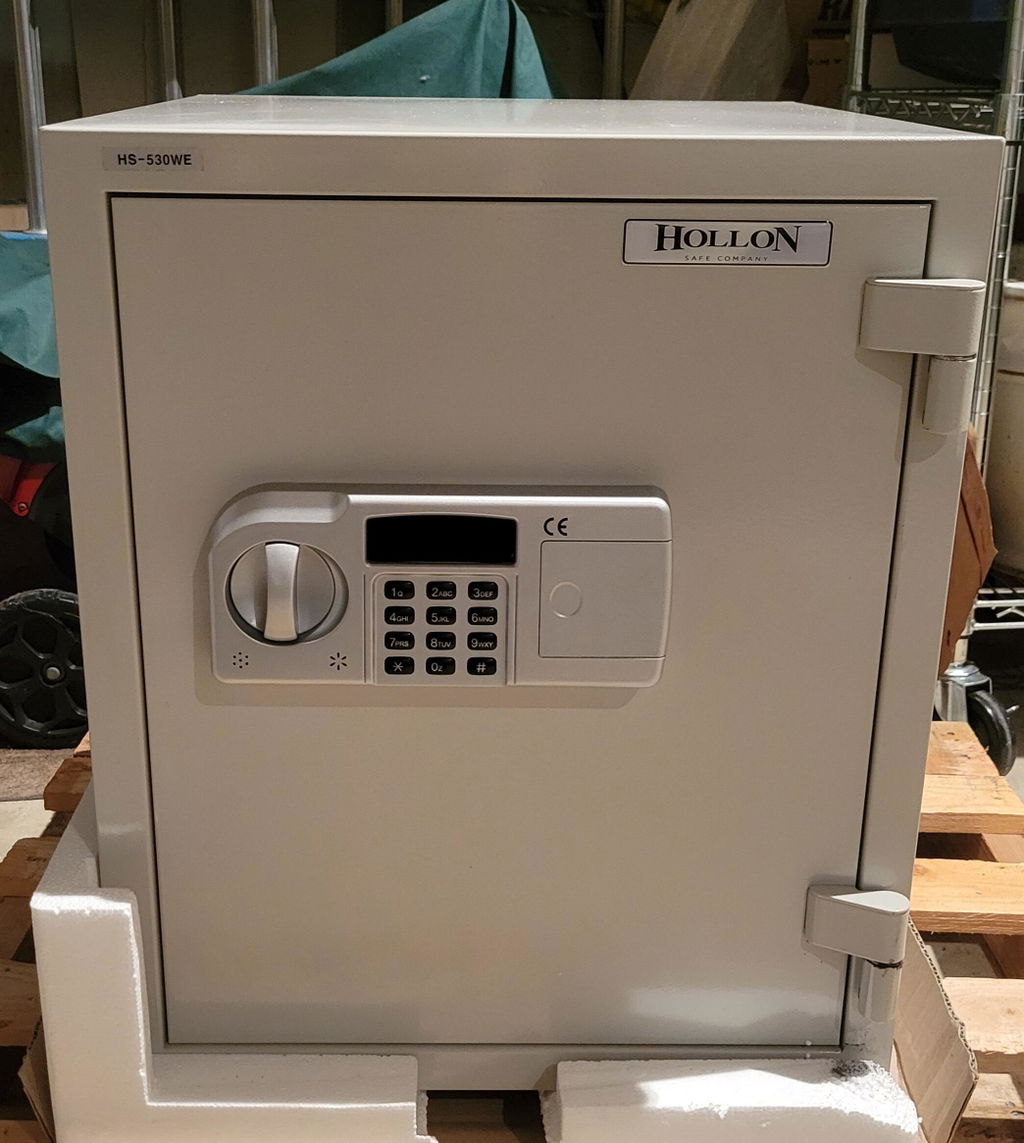
If the priority is responsible storage for multiple long guns and valuables, you’re usually looking at a full-size rifle safe with solid steel construction, a reliable lock, and a footprint that can be anchored. If the priority is immediate access to a defensive handgun, a quick-access handgun safe (often bedside or in a closet) is typically a better tool than walking to a big safe across the house.
Some homes need both: a primary rifle safe for the collection and a small quick-access unit for a single handgun. That approach can reduce compromise, because you don’t end up leaving a full-size safe unlocked for convenience or relying on a tiny box to protect everything.
Capacity: ignore the “gun count” and measure your real loadout
The advertised gun count is almost always a best-case number based on slim, unscoped long guns placed tightly together. Real life includes scopes, larger bolt handles, slings, AR-pattern rifles, and the simple desire to not scrape metal every time you pull something out.
A practical rule is to buy for the number of long guns you want to store comfortably - then add room for growth. If you currently have six long guns and two are scoped, a “12 gun” safe may feel full fast. If you’re a collector, plan for future purchases and for storage of cases, suppressors where legal, cleaning gear, documents, and small valuables.
Interior layout matters as much as raw capacity. Adjustable shelving, door organizers, and convertible interiors (rifle racks that swap with shelves) are what make a safe work for mixed storage. If you expect to store both long guns and handguns, look for interiors that let you separate them without stacking.
Security level: RSC vs TL-rated and what it means in the real world
Most residential “gun safes” on the market are classified as Residential Security Containers (RSC). That’s not a negative - it’s simply a category. RSC testing is aimed at resisting a short, tool-based attack. For many homeowners, a well-built RSC, properly anchored and placed smartly, is the right balance of protection and budget.
If your risk is higher - high-value collections, business inventory, precious metals, or you’ve experienced targeted theft - you may want to step into higher burglary ratings like TL-15 or TL-30. Those are commercial-style ratings designed to resist more aggressive, longer attacks with heavier tools.
The trade-off is weight, cost, and installation complexity. TL-rated safes are usually much heavier and may require delivery planning (stairs, thresholds, floor load). But they also change the equation for determined attacks. If you’re unsure which tier matches your situation, this is where talking through the threat model matters more than reading a spec sheet.
Steel and construction: what to look at beyond marketing language
When you’re comparing safes, focus on measurable construction details.
Body steel thickness and door construction are core indicators of burglary resistance. Many entry-level units use thinner steel with reinforced door edges, while higher-security models use thicker plate and stronger door assemblies. Also pay attention to how the door seals and how the frame is built - a stout door doesn’t help as much if the body is light.
Locking bolts are another area where specs matter. More bolts aren’t automatically better if the overall design is light, but a well-engineered multi-bolt system and solid hinge-side engagement can reduce pry vulnerability.
Look for relocking protection. Relockers are designed to keep the safe locked if the lock is attacked. You’ll see mechanical relockers and other anti-tamper features on better-built models, and they’re worth prioritizing when burglary resistance is a goal.
Fire protection: match the rating to your home and location
Fire ratings get misunderstood because buyers assume a single number equals total protection. Real fire performance depends on exposure duration, temperature, safe placement, and how the safe is constructed.
A common benchmark is a fire rating such as 60 to 120 minutes, often at temperatures that can reach 1200°F to 1700°F depending on the rating. If your home is rural and fire response times can be longer, leaning toward longer ratings can make sense. If you’re in a condo with sprinklers and quick response, you might prioritize burglary resistance and anchoring over extreme fire duration.
Also think about what you’re protecting. Paper documents have different tolerance than digital media. If you need to protect hard drives, photos, or backup media, you may want a dedicated data/media solution or at least an interior strategy that reduces heat exposure.
No fire rating guarantees zero damage. Fire protection is about improving the odds that contents survive and remain usable. If you store critical documents, consider adding a smaller fire-rated document container inside the gun safe for layered protection.
Water and humidity: the quiet damage most people overlook
Even in non-flood zones, water intrusion can happen during firefighting. Some safes have seals designed to limit smoke and water penetration, which can be a meaningful benefit in a real event.
For day-to-day ownership, humidity control is the bigger issue. Basements, garages, and some closets can create a corrosion-friendly environment. Plan on a dehumidifier rod or desiccant system, and make sure the safe has a way to route power or accommodate the device. A small add-on can prevent the long, expensive headache of rust and pitting.
Lock types: electronic, dial, and biometric - pick what you’ll use correctly
Lock choice is less about “best” and more about reliability plus user behavior.
Mechanical dial locks have a long track record and don’t rely on batteries, but they’re slower to open and less convenient for frequent access. Electronic keypad locks are fast and popular for daily use, but they require battery maintenance and sensible code management. Biometric locks can be extremely convenient on quick-access handgun safes, but performance depends on sensor quality and consistent finger placement, and they still need a backup method.
For many households, the best lock is the one every responsible adult can operate under stress without shortcuts. If a lock is annoying, people tend to leave safes unlocked or delay re-locking - and that defeats the point.
One more spec to watch: UL-listed locks. A UL listing is a meaningful trust signal that the lock meets specific standards, and it’s worth prioritizing when you’re buying for long-term security.
Installation and anchoring: where the protection becomes real
A heavy safe feels secure until you remember that organized thieves bring dollies, straps, and time. Anchoring is one of the simplest ways to prevent removal attacks, and it’s especially important for lighter gun safes and quick-access units.
Plan the location before you buy. Measure doorways, hallways, tight turns, and stairs. Consider how the door swing will work in the room and whether shelving or baseboards interfere. If you’re placing the safe in a garage, think about humidity swings and visibility when the door is open.
Floor type matters. Concrete is typically straightforward for anchoring with the right hardware. Wood subfloors can also work, but you want to anchor into structure, not just thin material. If you rent or can’t anchor, it becomes even more important to choose a heavier unit and a less obvious placement.
Also consider the human factor: the safe you can’t comfortably access won’t get used properly. If it’s too cramped to reach the lock, or the interior is too tight to manage your collection, your daily habits will drift away from secure storage.
Quick-access handgun safes: focus on speed plus retention
If you’re buying a handgun safe for bedside or vehicle-adjacent storage, speed is only half the equation. The other half is retention - preventing unauthorized access and preventing the safe itself from being removed.
Look for a design that can be anchored, cabled, or otherwise secured to a fixed object, especially if it’s small enough to carry. Verify that it fits your handgun with a light or optic if you run one. And make sure the opening method works for you in the dark, under stress, and with dry hands.
Quick-access safes are a good place for biometric features, but keep realistic expectations and always keep a backup entry option.
Choosing a retailer: support matters when the safe weighs hundreds of pounds
Gun safes aren’t a casual purchase. Delivery coordination, placement concerns, and comparing similar-looking models are where buyers get stuck. A retailer that can talk through trade-offs - security level, ratings, dimensions, lock type, and anchoring - saves time and prevents expensive returns.
If you want help narrowing options across recognized brands and security tiers, Secure Zoned offers high-touch guidance and a broad safe catalog at https://securezoned.com.
The decision that pays off later
A good gun safe disappears into your routine. It opens the way you expect, stores what you actually own (not what the label imagined), and stands up to the threats your home is most likely to face. If you choose based on real capacity, credible security ratings, and a practical installation plan, you’ll feel the difference every time you close that door - not because it’s fancy, but because it’s doing its job quietly and consistently.