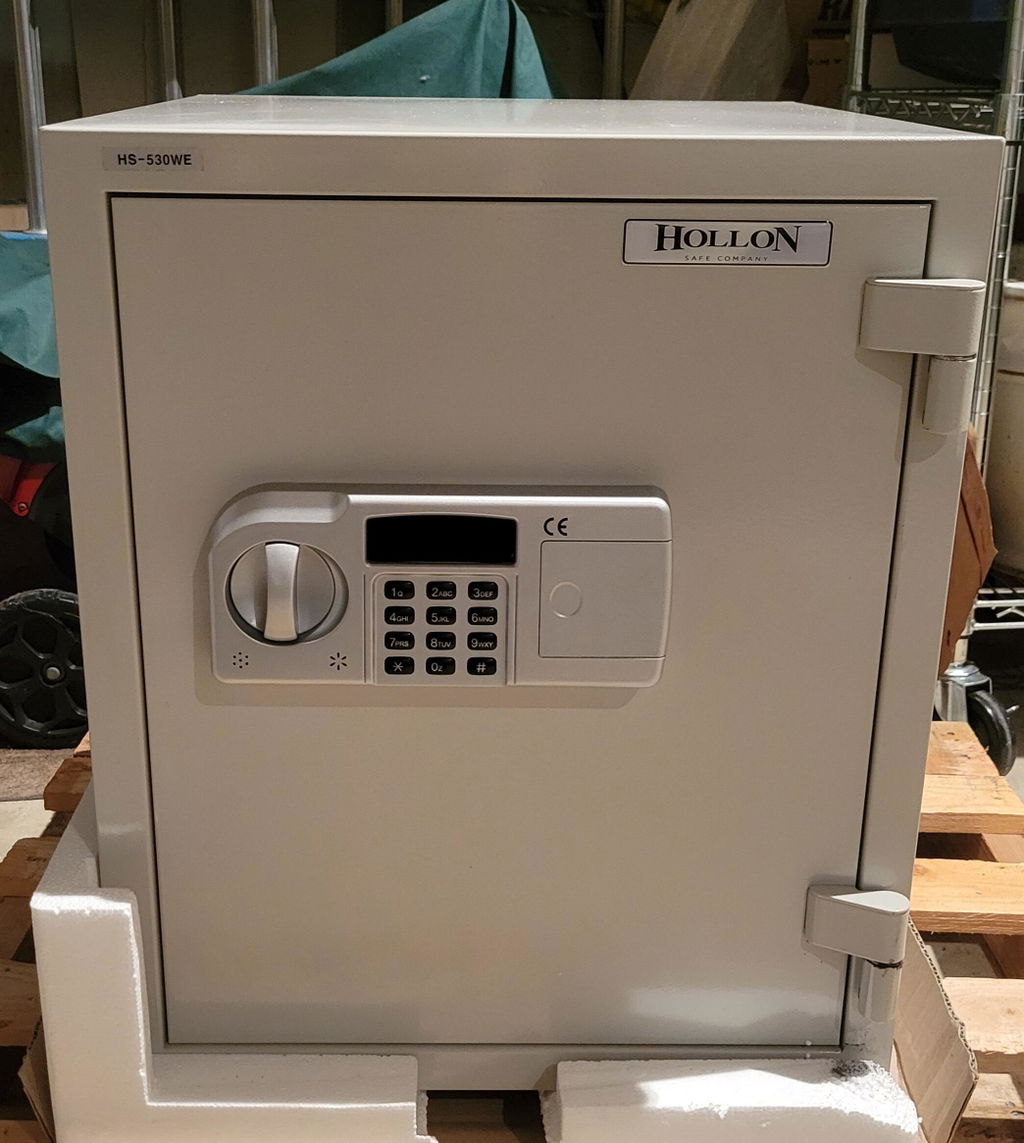

A safe looks simple until you try to answer one question: what, exactly, are you protecting against?
If your biggest worry is a house fire, a steel box that survives prying doesn’t help much if the inside turns into an oven. If your concern is smash-and-grab theft, a “fire safe” that’s basically drywall and thin metal can be carried off. Hollon has earned a strong reputation because its lineup lets you choose protection intentionally - fire, burglary resistance, quick access, or heavier commercial-grade security - without guessing what you’re really buying.
What people mean when they say “Hollon home safes”
Most buyers using the phrase “Hollon home safes” are looking for one of three outcomes: protect irreplaceable paperwork, secure everyday valuables like jewelry and cash, or store firearms responsibly. Hollon covers all three, but the best model depends on the threat profile and how the safe will live in your home.
Hollon’s catalog generally breaks down into fire-resistant home safes, burglary-resistant options (including B-rated and heavier bodies), and true high-security units in TL-rated territory. You’ll also see form factors that solve real home problems: compact footprints for closets, in-wall units for discreet installs, and larger interiors that accommodate long guns or bulky folders.
The key is matching the safe’s construction and rating language to what you’re protecting.
Start with the threat: fire, burglary, or both
A lot of homeowner disappointment comes from buying for the wrong threat. Fire and burglary protection are built differently, and you often trade weight, price, and interior volume to get both.
Fire protection: time, temperature, and the real goal
A fire rating is about buying time. You’re trying to keep the internal temperature low enough that paper doesn’t char and digital media doesn’t cook, long enough for the fire to be controlled or burn out.
Hollon’s fire-oriented models typically use layered fireboard or composite insulation and are tested to hold internal temperatures down at high external temperatures for a set time. When you compare models, pay attention to the time rating (for example, 60, 90, or 120 minutes) and the temperature (often listed around 1400°F to 1700°F). More time usually means thicker walls and more weight, and it often reduces interior capacity more than you expect.
If you’re protecting paper documents, a strong fire rating can be the main feature. If you’re protecting SSDs, photos, or backup drives, consider stepping up to a data/media-rated solution instead of assuming a document fire safe is enough.
Burglary resistance: steel, doors, and what stops prying
Burglary resistance is about steel thickness, door design, boltwork, and relockers. Thin-gauge steel can look impressive with glossy paint, but it doesn’t stop basic pry attacks.
Hollon’s burglary-resistant designs commonly step up to thicker steel bodies and doors, stronger boltwork, and features that keep the door engaged even under attack. In practical terms, heavier steel and a well-supported door edge make it harder to bend the frame, peel the door, or pop the locking mechanism.
If your goal is to keep valuables from walking out the front door in five minutes, this is where you prioritize weight, anchoring capability, and construction over interior bells and whistles.
“Both” protection: where most homeowners land
Most households want both fire and burglary coverage, but the mix depends on what you own and where you live. If your home is in a dense area with quicker fire response, you might lean heavier on burglary resistance. If you’re rural and response times can stretch, a longer fire rating becomes more relevant.
In many cases, the right move is to choose a model with a meaningful fire rating and solid steel construction, then install it correctly so it can’t be tipped, pried, or carried out.
Choosing a Hollon safe by use case
Documents, passports, and family records
For paperwork, you want predictable fire performance and a door seal that expands under heat to reduce smoke and moisture intrusion. Capacity matters too - letter-size folders and document bags eat space quickly, and small “home safes” fill up fast.
If you plan to store birth certificates, titles, insurance policies, and a few valuables, a mid-size fire-rated unit often fits best. If you’re storing hanging files, deeds, and thicker binders, consider a fire file cabinet or a safe specifically designed around document organization.
Jewelry, cash, and high-value personal items
For small high-value items, burglary resistance and discreet placement usually matter more than huge capacity. This is where you consider a heavier body, a tighter door gap, and a lock you’ll actually use consistently.
Also think about interior protection. Jewelry and watches benefit from soft-lined shelving or storage trays, but you can also add organization later. The priority is a safe that resists attack and stays in your house.
Firearms: responsible storage and quick access
Firearm storage tends to split into two needs: fast-access handgun storage and longer-term storage for rifles, shotguns, and optics.
For a bedside handgun safe, you’re looking for quick, reliable entry (electronic keypad or biometric, depending on your preference), solid mounting, and a layout that allows a consistent draw. For a larger gun safe, you care about interior height, door organizer options, the ability to bolt it down, and enough room for optics and cases without crowding.
Hollon’s broader lineup gives you options across these categories, but your best “home safe” might actually be a dedicated gun safe if you need long gun capacity and a stronger door.
Lock types: what “better” really means
Most buyers choose between a mechanical dial and an electronic keypad, and both can be excellent when you stick with reputable components.
A mechanical dial is simple and time-tested. It can be slower, and it’s not everyone’s favorite for daily access, but it doesn’t rely on batteries.
An electronic lock is faster and easier for most families to use consistently. Battery maintenance is real, but manageable - replace on a schedule, keep a spare, and avoid cheap off-brand replacements.
If a model offers a UL-listed lock, that’s a meaningful trust signal. Not all locks are created equal, and the lock is the part you touch every day.
Installation matters as much as the safe
A lighter safe that’s anchored properly can outperform a heavier safe that isn’t. Home safes often fail because they’re left freestanding in a closet. Two people and a hand truck can remove more than you’d think.
Plan your install before the delivery shows up. Check the safe’s weight, your flooring, and your path of travel. Many homeowners choose a ground-floor corner location for stability and easier anchoring. If you’re installing upstairs, think about weight distribution and whether you need professional placement.
Anchoring is the non-negotiable if burglary resistance matters. Use the manufacturer’s anchor points and appropriate hardware for wood subfloors or concrete. A safe that can’t be tipped is harder to pry and far harder to steal.
Common mistakes when shopping Hollon
The first mistake is buying by exterior size. Fire insulation and thick doors reduce interior capacity. Always check interior dimensions and usable shelf space.
The second is treating “fireproof” as a blanket term. Fire ratings are specific, and the details matter. Time and temperature are what you compare, not marketing labels.
The third is underestimating how you’ll use the safe. If you open it daily, a slow dial in a tight closet can become annoying enough that people stop locking it. Convenience is part of security because it drives consistent behavior.
When to step up to higher security
If you’re storing large amounts of cash, controlled substances, high-value collections, or business assets at home, you may want to look beyond typical residential fire safes. That’s where B-rated construction or TL-rated burglary safes come into the conversation.
TL-15 and TL-30 ratings indicate tested resistance against tool attacks for a defined time. These units are heavier, more expensive, and less forgiving on delivery logistics, but they’re built for a different level of threat.
It depends on your risk, your insurance requirements, and whether you’re protecting items that would be hard to replace financially or personally.
Getting the right fit without guessing
If you’re comparing models and the spec sheets start to blur together, focus on the few details that drive real-world outcomes: a meaningful fire rating for your location, steel and door construction that matches your theft risk, a lock type you’ll use reliably, and a plan to anchor the unit.
If you want help narrowing down Hollon options by use case, security level, and install constraints, Secure Zoned offers hands-on guidance alongside a broad selection of safes at Secure Zoned.
Protecting what matters most isn’t about buying the biggest box you can afford - it’s about choosing the protection you actually need, then setting it up so it performs when you’re not there to think about it.