A military discount is a welcome perk, but it should never be the reason you choose a gun safe. The real job of military discount gun safes is still the same as any other safe - secure firearms from unauthorized access, protect valuables from fire, and hold up under daily use for years. If you are active duty, retired, a veteran, or part of a household that wants to use a Heroes program wisely, the best approach is simple: start with protection needs, then apply the discount to a model that truly fits.
That matters because gun safes vary more than many buyers expect. Two safes can look similar online and be miles apart in steel thickness, fire protection, lock quality, interior layout, and weight. A discount helps the budget, but a lower price on the wrong safe is still the wrong buy.
How to shop military discount gun safes the smart way
Most buyers start with capacity. That makes sense, but it can also lead to disappointment. A safe labeled for 24 rifles rarely stores 24 scoped long guns comfortably unless you keep spacing tight and accessories to a minimum. If you own AR-style rifles, shotguns with optics, or a growing collection, sizing up is usually the smarter move.
The better place to begin is with your use case. Are you trying to keep a few defensive firearms secured but quickly available? Are you protecting a larger collection in a garage, closet, or dedicated room? Do you also want coverage for passports, cash, family documents, medals, or hard drives? The answers shape the type of safe far more than the discount itself.
For many military families, that use case includes more than firearms. Deployment paperwork, keepsakes, tax records, and backup drives often end up sharing space with handguns or long guns. That is why interior layout, shelving flexibility, and fire protection matter just as much as the lock on the door.
Start with the kind of protection you actually need
A gun safe usually has to do two jobs at once: resist unauthorized entry and provide some level of fire protection. The right balance depends on where the safe will live and what you are storing inside.
If your main concern is preventing child access or deterring a smash-and-grab theft, a solid residential gun safe with reliable boltwork, a quality lock, and anchor holes may be enough. If the safe will sit in a garage, workshop, or an area with greater theft exposure, heavier construction and proper anchoring become much more important.
Fire ratings deserve a closer look because this is where shoppers can get misled. A fire label only tells part of the story unless you know the duration and test temperature. A safe rated for 30 minutes at a lower temperature is not in the same class as one rated for 90 minutes or 2 hours at 1400 to 1700 degrees. Higher ratings usually mean more insulation, more weight, and a higher price, but for documents, heirlooms, and electronics, that extra protection can be worth it.
Water resistance may also matter if the safe is going into a garage, lower level, or area with potential sprinkler exposure. Not every gun safe is built for that. If flood or water intrusion is part of your risk picture, it is worth checking the details instead of assuming every fire-lined safe covers both.
What specs matter most in military discount gun safes
Steel thickness is one of the biggest indicators of burglary resistance in the consumer safe category. Thicker steel generally means better resistance to prying and forced entry, though overall door design, reinforcements, locking bolts, and relockers also matter. A safe with decent steel but weak boltwork can still be a compromise.
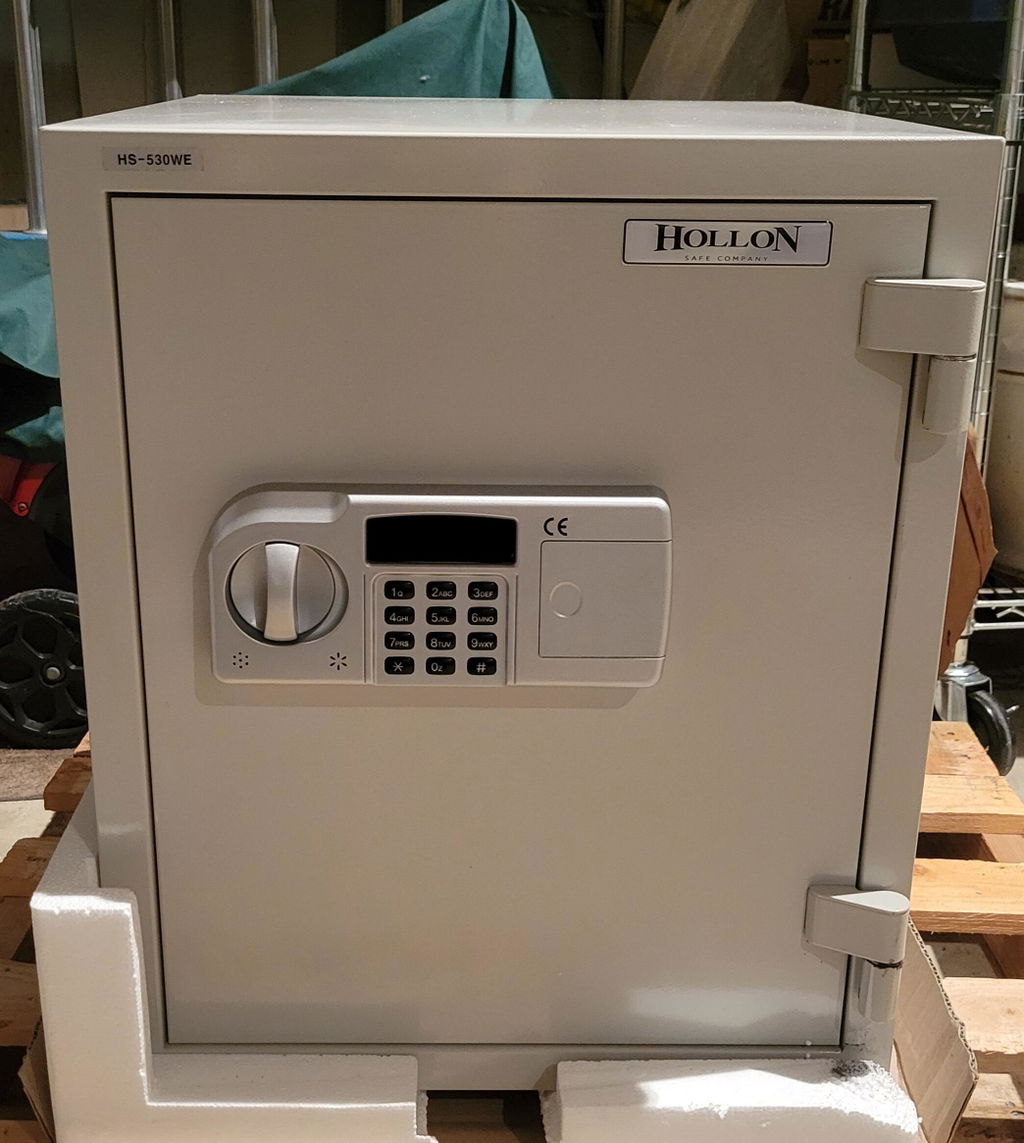
Lock type is another practical choice. Electronic locks are popular because they are fast and easy to use, especially for buyers who want simpler access without carrying a key. Mechanical dial locks appeal to buyers who prefer a time-tested design with no batteries involved. Biometric options can make sense for quick-access handgun safes, but quality varies, so consistency matters more than the feature list.
Then there is weight. Heavier safes are harder to move, which is good for security but also affects delivery, placement, and floor loading. A safe that seems perfect on paper may be unrealistic for an upstairs room or narrow hallway. This is one of those it-depends decisions where the strongest option is not always the most practical one for the home.
Interior organization is often overlooked until the safe arrives. Adjustable shelving, door organizers, handgun racks, and flexible rifle storage make a bigger difference than many buyers expect. If you plan to store ammo, documents, pistols, and long guns together, the interior needs to support that mix without turning into a cluttered mess.
Don’t let the discount hide the trade-offs
There is nothing wrong with looking for value. In fact, military pricing can make a better safe more attainable. The key is knowing where lower-cost models cut corners.
Often, the trade-off shows up in fire protection, steel thickness, interior finish, or lock tier. Some entry-level safes do their job well for basic home storage, especially when anchored properly and used within their limits. But they are not interchangeable with heavier, better-insulated models built for more demanding protection goals.
This is especially true if you are comparing a promotional safe from a big-box store to a model from a recognized safe brand. Specs like gauge, fire rating, bolt count, and lock listing tell a much clearer story than marketing language. If a product description feels vague, that is usually a sign to slow down.
A good retailer should help you compare those details honestly. That includes saying when a lower-priced safe is enough and when it is not. Buyers making a high-consideration purchase do not need hype. They need straight answers about what they are paying for.
Installation matters more than most buyers think
Even a well-built safe can underperform if it is poorly installed. Anchoring is one of the simplest ways to improve real-world security, especially for safes under the 1,000-pound range. A thief who cannot pry it open may still try to tip it, move it, or remove it entirely.
Placement also affects performance. Closets and corners can reduce pry access. Climate-controlled interior spaces are generally better than garages for protecting finishes, optics, and paper items, though many owners still use garage placement successfully with the right safe and environment. If the safe is going on concrete, wood framing, or an upper floor, that should guide both safe selection and install planning.
Delivery details are part of the buying decision too. A very heavy safe with a great discount may not be such a bargain if getting it into place becomes difficult or expensive. Think through door widths, stairs, turns, and the final room before you buy.
Who benefits most from a military discount on a gun safe
The obvious answer is military members, veterans, and their families, but the biggest benefit goes to buyers who were already planning to purchase a quality safe and want to stretch the budget intelligently. A discount can help you step up from a bare-bones cabinet to a real safe, or from a smaller model to one that fits future growth.
That upgrade path is often the smartest use of the savings. Instead of treating the discount as a chance to spend less at all costs, treat it as a way to improve one of the specs that matters most to you - better fire protection, thicker steel, more room, or a stronger lock.
That is where a retailer like Secure Zoned can be especially helpful. When a store carries a broad range of gun, home, and business safes and offers hands-on guidance, it is easier to compare the practical differences between models rather than guessing from photos alone.
A better way to decide
If you are comparing military discount gun safes, narrow your choices by asking a few plain questions. What are you protecting? How fast do you need access? Where will the safe go? How much fire protection do you want? Are you buying for today’s collection or the one you will likely have in three years?
Those answers usually point to the right category quickly. A handgun owner wanting bedside access needs something very different from a collector storing long guns, documents, and valuables in a dedicated room. Neither is wrong. They are just different jobs.
The discount should be the last filter, not the first one. When you choose the safe based on security level, fire rating, construction, and installation fit, the military pricing becomes what it should be - a meaningful bonus on a product you can trust to protect what matters most.
A good gun safe should feel like one purchase you do not have to second-guess every time you leave the house.