A handgun vault usually gets judged in the worst few seconds of its life. It is either fast when you need it, or it is not. That is why the search for the best biometric handgun vaults is less about flashy features and more about one simple question: will this safe give you reliable access while still keeping unauthorized hands out?
For most buyers, the right answer lives somewhere between speed, construction quality, and fit for the space. A bedside vault has a different job than a vehicle vault. A home with kids calls for different priorities than a single-owner setup in a private office. Biometric access can be an excellent solution, but only when the vault itself is built well and the fingerprint reader is backed by smart design choices.
What makes the best biometric handgun vaults worth buying
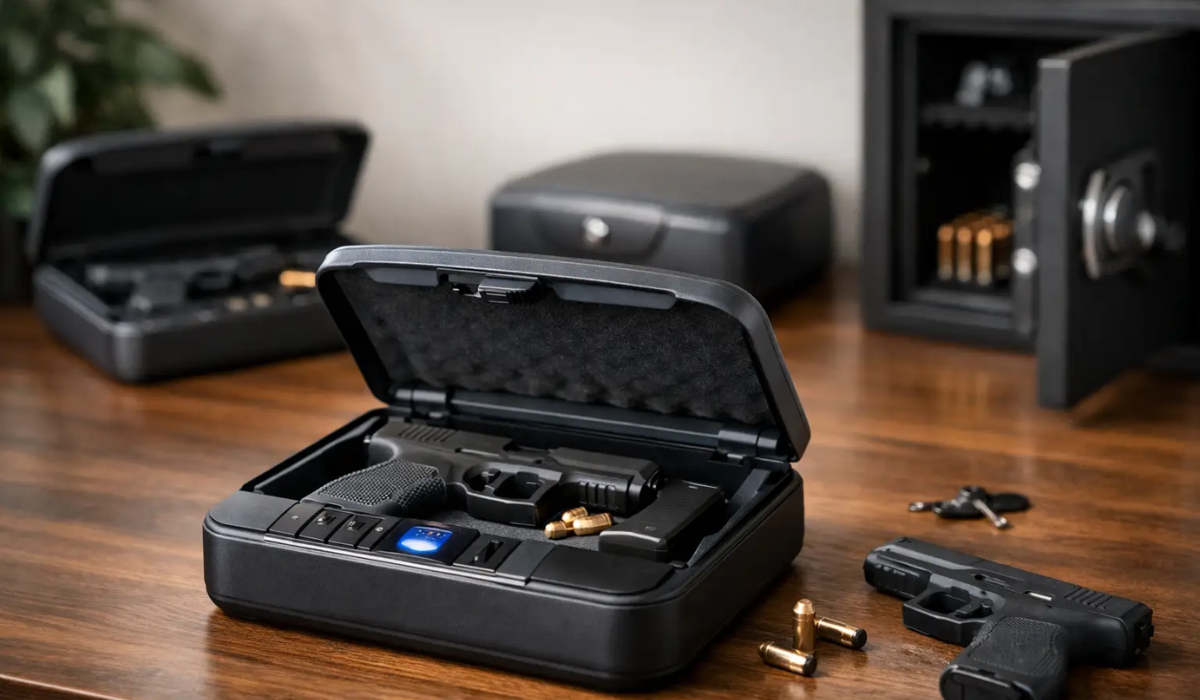
A biometric reader is only one part of the product. If the body is thin, the lid flexes, the mounting is weak, or the backup entry options are poor, the vault may still disappoint. The best models combine quick fingerprint access with solid steel construction, pry resistance, tamper alerts in some cases, and dependable backup access through a keypad or mechanical key.
Speed matters, but consistency matters more. A vault that opens in one second 95 percent of the time is less reassuring than one that opens in 1.5 seconds almost every time with a properly enrolled fingerprint. That is a trade-off many first-time buyers miss. Marketing tends to emphasize scan speed, while experienced buyers pay more attention to build quality, sensor reputation, and whether the vault can be securely anchored in place.
Interior fit matters too. Some handgun vaults are sized for a compact pistol and a spare magazine. Others can handle a full-size handgun with an optic. If you own a pistol with a weapon light, red dot, or taller suppressor-height sights, dimensions stop being a minor detail and become the difference between a clean fit and constant frustration.
7 best biometric handgun vaults to consider
1. Vaultek Slider Series
The Vaultek Slider stands out for buyers who want discreet placement and quick single-hand access. Its sliding design works well next to a bed, under a desk, or inside certain furniture setups where a traditional top-opening lid would be awkward.
This is a strong option when space is tight and presentation matters. It also tends to appeal to buyers who want modern features such as app-based controls and activity history. The trade-off is that slim-profile designs are more specialized. You need to confirm your handgun setup fits, especially with optics or lights attached.
2. Vaultek LifePod 2.0 Biometric
For travel between authorized locations or for a lighter-duty quick-access role, the LifePod 2.0 Biometric is a practical choice. It is not trying to be a heavy steel burglary safe. It is trying to provide controlled access, portability, and protection against casual tampering.
That distinction matters. If you need a vehicle-safe option for temporary storage or a lockable case that adds biometric convenience, it makes sense. If your top concern is resisting forced entry inside the home, a heavier steel vault with anchor capability is the better play.
3. Barska Biometric Handgun Safe
Barska has long been part of the biometric safe conversation, and its handgun vaults remain a familiar entry point for budget-conscious shoppers. These safes often appeal to first-time buyers who want fingerprint access without moving into premium pricing.
The upside is straightforward value. The caution is equally straightforward: with lower-priced biometric safes, consistency and steel thickness can vary more than on higher-end models. That does not make them a bad choice, but it does mean expectations should be realistic. For a guest room, closet shelf, or lower-risk application, they can make sense. For primary bedside defense access, many buyers prefer to step up in build quality.
4. Hornady RAPiD Safe Night Guard
This model is popular for bedside use because it doubles as a clock and discreet room accessory. It offers fast RFID access and, on certain versions, biometric capability depending on the exact configuration. If the goal is to keep a handgun close without an obvious tactical look, it does that job well.
The real advantage here is placement and concealment. The limitation is capacity. This is not the vault for multiple handguns or oversized setups. It is best for a simple, ready-access bedside role where low visual profile matters.
5. Liberty HDX-250 Smart Vault
Liberty’s HDX line earns attention because it balances a straightforward quick-access format with a respected safe brand name. The biometric reader, interior lighting, and sturdy housing make it appealing for home defense users who want a no-nonsense bedside or closet vault.
This is a good example of a product that does not need to overpromise. It focuses on dependable access, enough room for common handgun setups, and anchor-ready construction. For many households, that balance is exactly what makes a vault practical day after day.
6. Winchester Biometric Pistol Safe
Winchester brings brand familiarity for many gun owners, and its biometric pistol safes typically target the buyer who wants recognizable branding and a traditional quick-access form factor. These models often fit well in bedroom, closet, or office environments where a simple top-opening safe is the most natural choice.
As with any model in this category, compare more than the logo. Look closely at gauge, interior dimensions, mounting points, and backup entry method. The strongest value usually comes when the vault matches your exact handgun size and where you plan to install it.
7. Hollon Biometric Pistol Safe
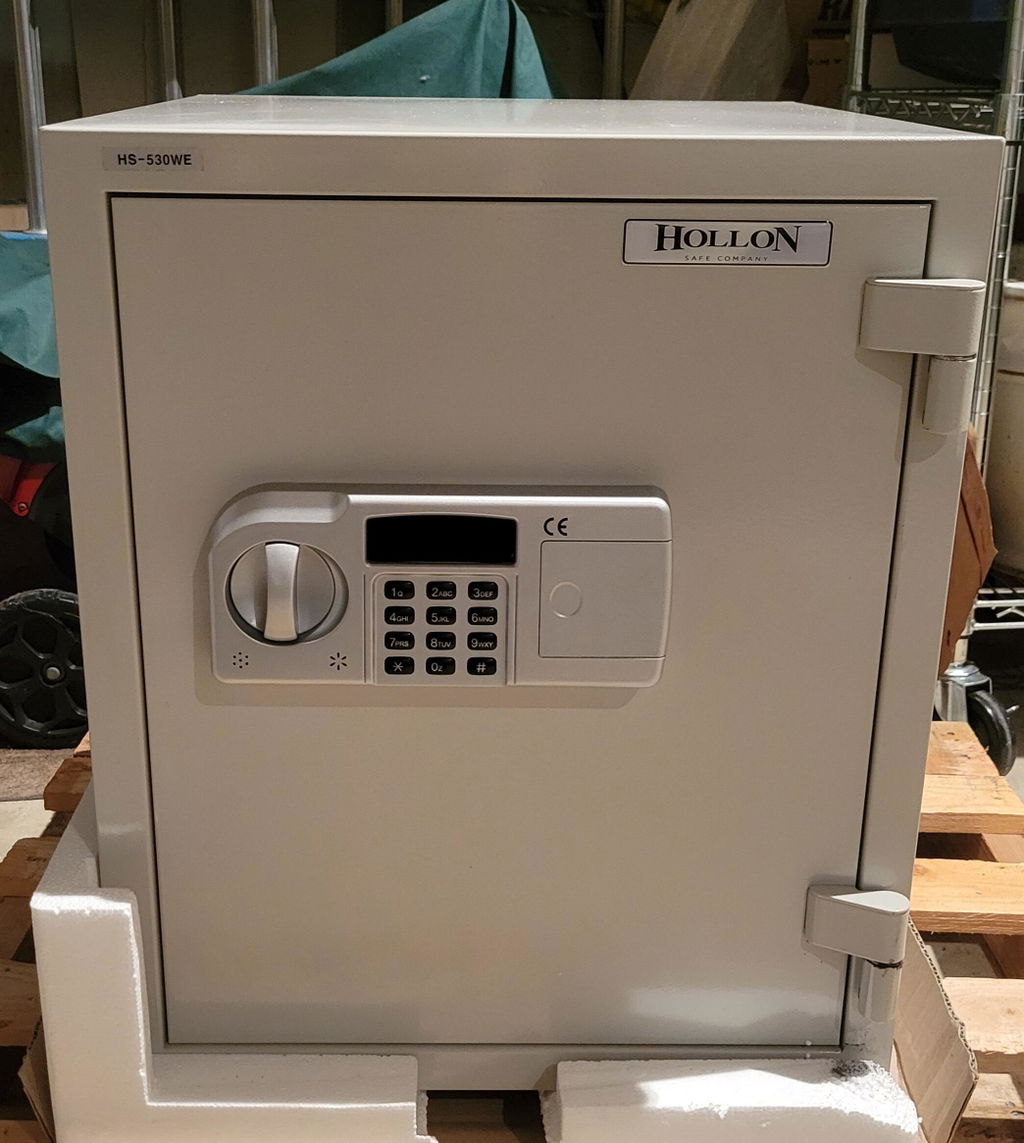
Hollon is better known in many circles for heavier burglary and fire-rated safes, which is one reason its handgun vault options catch serious buyers’ attention. If you prefer brands with a stronger security reputation across the broader safe market, Hollon is worth a close look.
What tends to separate these models is a more security-first feel. That does not automatically mean every biometric handgun vault from Hollon is the best fit for every buyer. It does mean shoppers who prioritize steel construction and brand credibility often put Hollon on the shortlist quickly.
How to choose the best biometric handgun vaults for your setup
Start with where the vault will live. For a bedside installation, quick opening direction, quiet access, and low-light usability matter more than portability. In a vehicle, cable attachment and compact size may matter more than thick steel. In a closet or office, you may have room for a heavier and more secure unit that is bolted down properly.
Then think about the handgun itself. A compact pistol with flush sights is easy to accommodate. A full-size handgun with a red dot and mounted light is not. Buyers often assume all handgun vaults fit all handguns, but optic cut clearance and accessory length are common reasons for returns and frustration.
Biometric performance also depends on the user. Dry skin, dirty hands, poor enrollment, or rushed finger placement can affect read rates. That is why the best vaults do not rely on fingerprint access alone. A quality keypad, RFID, or mechanical override gives you a second path if your fingerprint does not read cleanly in the moment.
Important trade-offs buyers should know
Biometric access is fast, but it is not magic. Fingerprint readers are generally more convenient than dialing a combination and often faster than entering a code under stress. Still, no biometric safe should be chosen on scanner speed alone.
Heavier vaults are usually better at resisting attack, but they are less flexible to place and move. Smaller vaults are easier to hide, but they can limit what firearms and accessories fit inside. Feature-rich smart vaults can be impressive, but some buyers will be better served by a simpler design with fewer variables and a strong track record.
Budget matters as well. If cost is tight, it is usually smarter to buy a simpler well-built vault from a trusted brand than a feature-packed unit with questionable long-term reliability. The fingerprint reader may be what draws your eye, but steel, hinges, fit, and mounting are what give the vault its backbone.
A smart buying standard for biometric handgun vaults
If you are comparing options and want a simple benchmark, look for a vault with solid steel construction, pre-drilled mounting holes, a biometric reader that stores multiple fingerprints, and at least one dependable backup entry method. Then verify interior dimensions against your actual firearm setup, not just the manufacturer’s general handgun description.
That approach weeds out a lot of disappointing options quickly. It also helps you buy for the real job the vault has to do, whether that is securing a home-defense pistol from children, keeping a handgun accessible in a bedroom, or adding controlled access in a private office.
The best biometric handgun vaults are not just the fastest or the most expensive. They are the ones that fit your firearm, your space, and your security expectations without forcing compromises you will regret later. Choose the vault that will still make sense after the novelty wears off, because that is the one most likely to protect what matters when it counts.