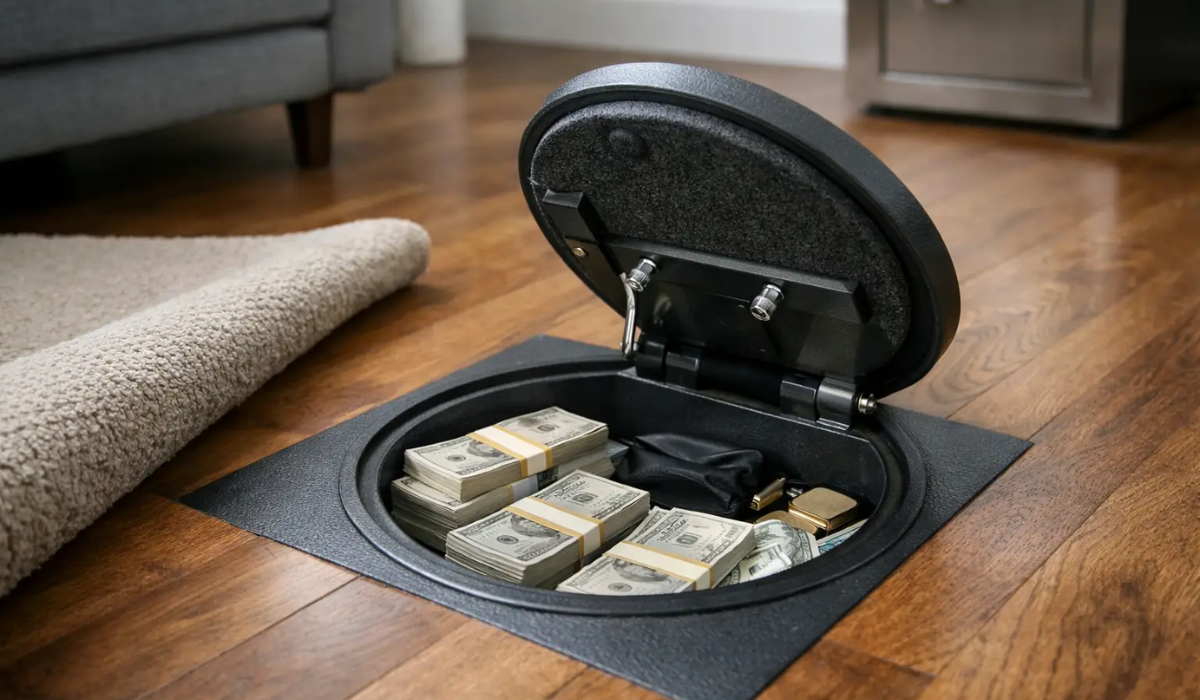
A stack of cash in a desk drawer feels temporary right up until it goes missing. For homeowners, retail operators, and anyone who keeps emergency cash on hand, a floor safe for cash storage can solve a very specific problem - how to keep money hidden, anchored, and harder to remove in a smash-and-grab.
That said, floor safes are not automatically the best safe for every cash-storage situation. They shine when concealment matters and when you want a unit that is built into the structure of the space. They are less ideal when you need large capacity, frequent access, or strong fire protection without careful planning. The right choice depends on how much cash you store, how often you need it, and whether your bigger concern is theft, fire, or convenience.
When a floor safe for cash storage makes sense
A floor safe is usually installed below floor level and covered by a door, rug, or piece of furniture. That hidden placement is its biggest advantage. A burglar cannot target what they do not quickly find, and a safe that is embedded in concrete is much harder to carry off than a small portable unit.
For cash, that matters. Paper currency is compact, easy to move, and one of the first things thieves look for. If your goal is discreet storage for emergency funds, small business cash reserves, or valuables that do not need daily handling, a floor safe can be a smart option.
It is especially appealing in homes where visible safes are not desirable or in offices where a low-profile installation reduces attention. Some buyers also prefer floor safes because they do not take up wall or closet space. In a room where every square foot counts, that can be a real advantage.
What a floor safe does well - and where it falls short
The strongest argument for a floor safe is concealment. Most burglars work fast. They go after obvious targets, and they do not want to spend extra time pulling up flooring or searching under carpet for a hidden hatch. A properly installed floor safe also benefits from the surrounding concrete, which adds resistance against pry attacks and removal.
But there are trade-offs. Floor safes tend to be smaller than many home or office safes, so they are not ideal if you need to store large cash deposits, document binders, or bulky valuables. Access can also be less convenient. Reaching down into the floor is fine for occasional use, not always for busy daily cash handling.
Fire protection is another area where buyers need to slow down and read the specs carefully. Some floor safes benefit from natural protection because heat rises, and the surrounding concrete can help insulate the chamber. Still, not every model carries a formal fire rating, and that distinction matters if the contents are highly sensitive. If your top concern is keeping cash and paper records intact during a major house or business fire, a dedicated fire-rated safe may be a better fit.
How to choose the right floor safe for cash storage
The best floor safe is not just the one with the thickest steel or the biggest lock. It is the one that matches your actual use case.
Start with capacity and cash volume
Think about how much cash you plan to keep inside on an average day, not just your maximum. Emergency savings, rolled bills, deposit bags, and small valuables all take up space differently. A safe that looks roomy on paper can feel cramped once you add envelopes, passports, jewelry, or backup documents.
If you run a cash-heavy business, be realistic. A floor safe may work for reserve funds or overnight storage, but if employees need to make frequent drops, a depository safe is usually a better tool. Depository models are designed for repeated use and controlled access. A floor safe is better suited to lower-frequency retrieval.
Pay attention to steel thickness and build quality
For burglary protection, construction matters more than marketing language. Look for clear information on body material, door thickness, and how the locking bolts engage. A heavier, better-built safe generally gives you more resistance to attack than a thin, lightly made box installed in the floor.
This is where brand reputation matters too. Established safe makers tend to publish meaningful specs instead of vague claims. If a listing does not clearly explain steel thickness, lock type, and installation method, treat that as a warning sign.
Choose a lock that fits your access habits
Electronic locks are popular because they are fast and easy to use. They work well if you need regular access and want the convenience of a code. Mechanical dial locks are slower, but many buyers appreciate their long-term reliability and the fact that they do not depend on batteries.
There is no universal winner here. For infrequent access to emergency cash, a dial lock can be perfectly sensible. For a business owner who needs quick entry, an electronic lock may be worth it. Either way, a quality lock from a recognized safe manufacturer is more important than novelty features.
Think carefully about fire and moisture
Cash is paper. That sounds obvious, but it changes the buying decision. If fire is a major concern, look for a safe with a legitimate fire rating or be prepared to store cash in a setting where environmental risk is lower.
Moisture is another issue with floor installation. Basements, slab foundations, and humid climates can all create condensation concerns if installation is not handled properly. Ask about placement, drainage risk, and whether the safe interior needs added moisture control. A hidden safe is only helpful if the contents stay dry.
Installation matters more than most buyers expect
A floor safe is only as good as its installation. This is not the category to treat like a simple DIY weekend project unless you have the right experience and know your slab, flooring, and location constraints.
Most floor safes are designed to be set into concrete. That gives them the anchoring strength and surrounding protection that make the format worthwhile. A poor install can leave gaps, weaken concealment, or create moisture issues that show up later.
Placement deserves just as much thought as the safe itself. You want a location that is discreet but still practical to access. A closet floor can work well. Under a rug in a home office can work too. In a business, the location should balance employee access, privacy, and structural feasibility. The safest location on paper is not always the one you can realistically use.
If you are comparing options, ask not just what the safe weighs or how thick the door is, but how it is meant to be installed and what kind of floor it requires. Good guidance at this stage can save a lot of frustration later.
Floor safe vs. wall safe vs. depository safe
A floor safe for cash storage competes with a few other common choices, and this is where buyers often get stuck.
A wall safe is easier to access and can be hidden behind furniture or artwork, but it is usually limited by wall cavity depth and may offer less anchoring strength than a floor unit set in concrete. For light cash storage and convenience, it can work well. For deeper concealment and removal resistance, the floor safe often has the edge.
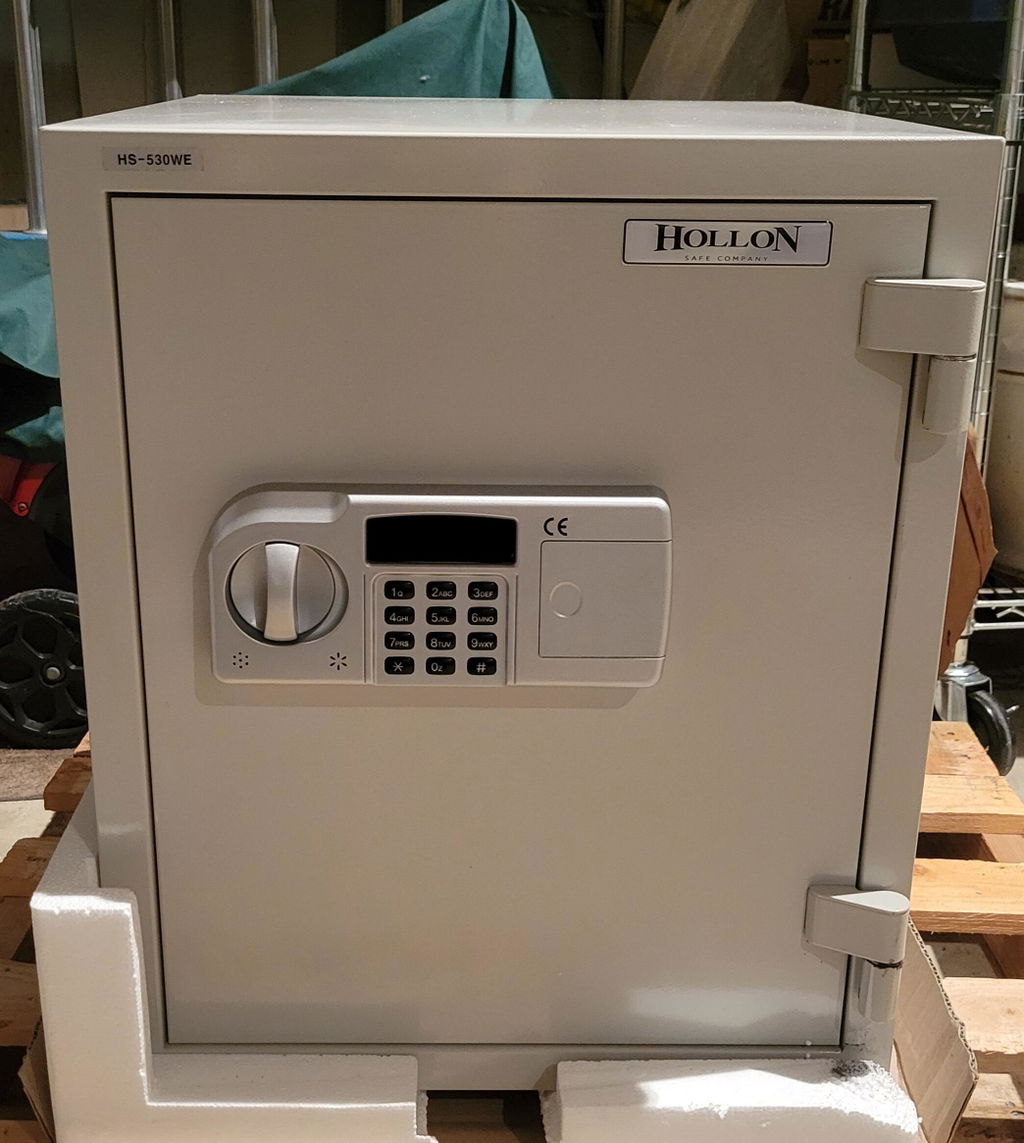
A standard home safe gives you more room and often better fire-rated options. It is a better fit for mixed storage, especially if cash is only one part of what you are protecting. The downside is visibility. Even when bolted down, a larger upright safe is harder to conceal.
A depository safe is usually the best answer for businesses handling regular cash drops. It supports workflow better than a floor safe and can limit who accesses deposited funds. If your cash storage is tied to employee procedures, shift changes, or point-of-sale management, a depository model is often the more secure and practical choice.
Common mistakes to avoid
One mistake is buying based on hiding place alone. Concealment matters, but so do construction quality, lock reliability, and installation. Another is overestimating fire protection because the safe sits low to the ground. Some floor safes perform well in that area, but assumptions are not the same as tested ratings.
Buyers also sometimes choose too little capacity. Cash tends to be stored with other small valuables, and a safe that is full on day one leaves no room for flexibility. Finally, do not ignore access patterns. If you need to open the safe several times a day, a hidden floor unit may become more frustrating than secure.
For many buyers, the sweet spot is simple: choose a floor safe when you want discreet, anchored storage for cash and small valuables, and when access is occasional rather than constant. If you need bigger capacity, repeated drops, or stronger certified fire protection, another safe category may serve you better.
The best safe is the one that matches the risk you actually face, fits the way you use cash, and gets installed correctly the first time. When those pieces line up, a floor safe stops being just a hiding place and starts becoming a dependable part of your security plan.