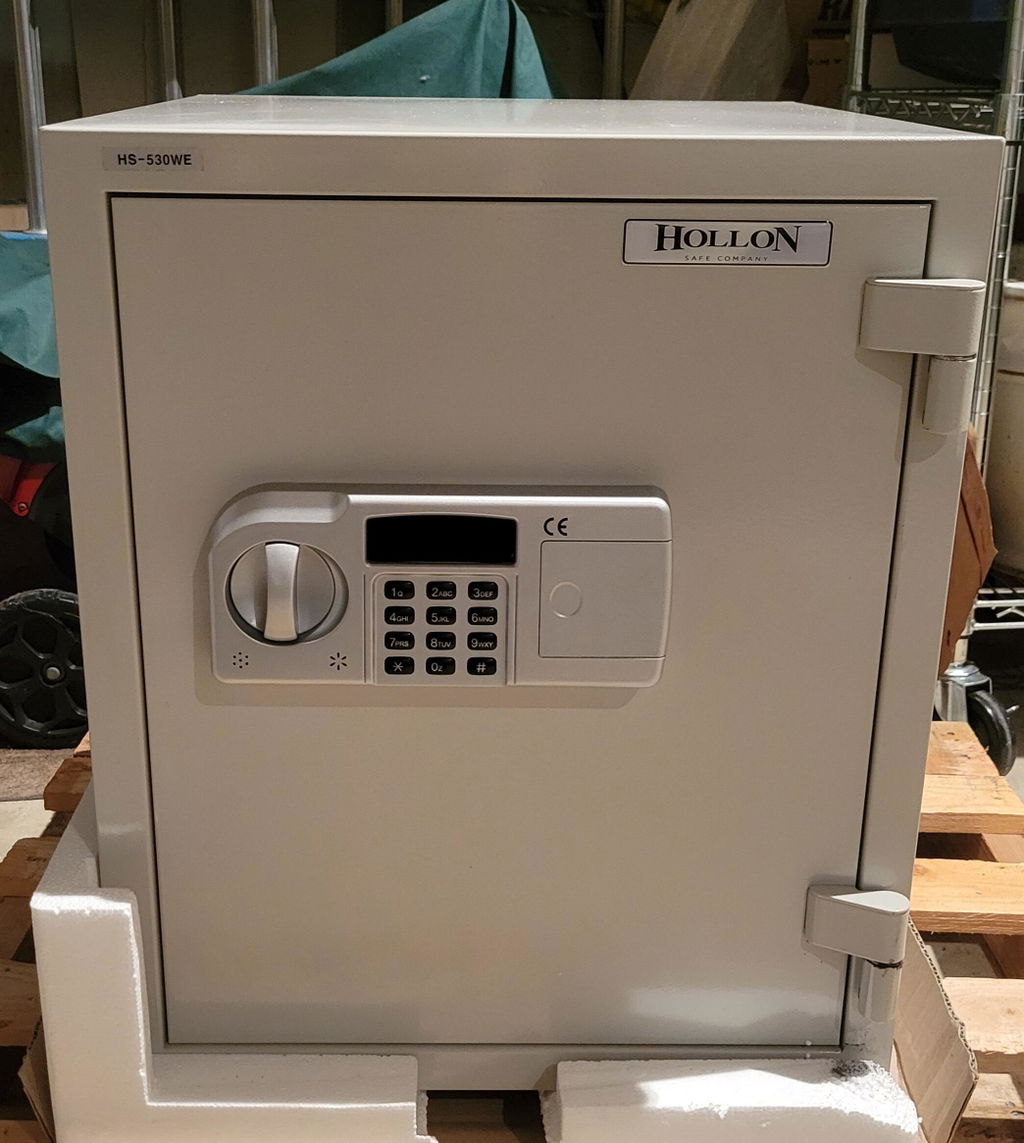

A floor safe that is not anchored is still a safe, but it is also a carry-out risk. Two people, a dolly, and a quiet hallway can turn “hidden security” into a quick removal - especially with smaller floor safes and many compact burglary units. Anchoring is what changes the equation from “can they move it?” to “can they defeat it in place?”
This is where shoppers get stuck: the safe has pre-drilled anchor holes, maybe it even comes with bolts, but what are the actual floor safe anchoring requirements? The answer depends on your floor type, the safe’s design, and what you are trying to defend against. Below is a practical, US-focused way to think about anchoring so your installation matches the protection level you paid for.
Floor safe anchoring requirements: start with the threat
“Required” can mean three different things.For many homeowners, “required” means the safe should not be easily removed during a burglary. For businesses, “required” may mean meeting internal policy, insurance expectations, or reducing shrink where cash or controlled items are involved. For higher-security safes - including TL-rated burglary models - “required” can also mean following manufacturer instructions so the safe performs as tested and you do not compromise the warranty or rating expectations.
It also depends on how the safe is built. A true in-floor safe that is installed into a concrete cutout and backfilled can be inherently resistant to removal because the body is encased. Many “floor safes” sold online are more accurately compact burglary safes intended to sit on a slab and bolt down. Both can be effective, but the anchoring approach is not the same.
What “anchored” means in real terms
Anchoring is not just “put bolts in holes.” The goal is to transfer pulling and prying forces into the structure of the building.A good anchor setup does three things at once. It prevents tipping (so an attacker cannot get leverage), prevents sliding (so they cannot reposition for a better attack), and resists uplift (so they cannot pry straight up and tear fasteners out). If your install only addresses one of those, it may still fail under force.
The practical baseline most installers target is at least two anchors, with four preferred when the safe has four mounting points. More anchor points generally spread load better, but only if they are installed into sound material and tightened correctly.
Concrete slab installs (most common, most secure)
If you have a poured concrete slab in a garage, basement, or ground-floor utility area, you are working with the best-case anchoring surface.For concrete, floor safe anchoring requirements typically come down to using the right anchor type and achieving proper embedment depth. Many safes include basic wedge anchors or sleeve anchors, but the included hardware is often a “starter kit,” not a universal answer. Concrete strength, slab thickness, and safe hole diameter matter.
Anchor types that are commonly acceptable
Wedge anchors are a standard choice for heavy loads in solid concrete. Sleeve anchors can work well in certain conditions and are sometimes more forgiving with slightly irregular holes. Concrete screws (often sold as heavy-duty masonry screws) can be convenient, but their performance is heavily dependent on hole quality and embedment depth.If the safe is higher-value or you are protecting firearms or cash, it is reasonable to treat wedge anchors as the default unless the manufacturer specifies otherwise.
Embedment and slab thickness: the part people skip
Your anchor needs enough concrete “bite” below the safe. If you only have a thin slab or you drill too shallow, you can tighten the bolt and still have weak resistance to prying.A common rule of thumb is that you want at least a few inches of embedment in solid concrete, but you must confirm it against the anchor manufacturer’s specs and your slab thickness. A 3 to 4 inch slab may not safely support deep anchors in every location, especially near edges or control joints.
If you are not sure how thick your slab is, this is one of those “it depends” moments where getting quick guidance is worth it. You can sometimes estimate in unfinished areas or at transitions, but guessing can lead to drilling into thin concrete, hitting vapor barriers, or compromising radiant heat tubing if present.
Placement matters more than people think
Anchors perform best when they are not drilled too close to an edge. If your safe location is tight - like near a wall where you want it hidden behind a cabinet - you still need clearance so the anchor does not crack out the side of the slab.Also pay attention to the safe’s interior access. Many safes require the door open to reach anchor holes. That means you need enough swing clearance to fully open the door during installation, and enough room to run a drill vertically.
Wood subfloor installs (possible, but it’s a different standard)
Bolting a floor safe to a wood subfloor can be appropriate for lighter units or for quick-access needs, but it is not equivalent to concrete anchoring.The “requirement” here is structural backing. Screwing into plywood alone is not the same as anchoring into joists or blocking. If the safe is fastened only to a thin subfloor layer, a determined thief can rip the fasteners out with prying and rocking.
What good looks like on wood
A strong wood-floor installation typically means lag bolts that go through the safe and into solid framing members, or into a properly installed blocking system between joists. Large washers or a steel backing plate can help distribute load, which reduces the chance of the bolt heads pulling through.This is also where location matters. If your chosen spot is between joists, you may need to open the floor from below (basement or crawlspace) to add blocking. If you cannot access below, your “best possible” wood-floor anchor may still be weaker than you expect.
If you are storing high-value items or firearms and you have the option, anchoring on a slab is generally the stronger play.
In-floor safes set into concrete: anchoring vs setting
True in-floor safe installs are often more about proper setting than about bolt-down anchoring.If the safe body is installed into a cored or cut opening and then set in concrete, the concrete itself becomes the “anchor.” Here, floor safe anchoring requirements shift to installation requirements: correct hole sizing, proper depth, and correct backfill so voids do not create weak points.
Trade-off: in-floor installations can be extremely discreet and resistant to removal, but they are harder to relocate and more sensitive to water intrusion risk depending on your site conditions. If your basement has a history of moisture, you will want to think about water-resistant protection, dehumidification, and how the lid or door seals.
Don’t ignore the safe’s own construction and rating
Not every safe body is meant to take the same anchoring force.A lighter gun safe or compact burglary safe may have thin base steel and smaller anchor holes. Over-torquing bolts can deform the base or strip hardware. Conversely, a heavy TL-rated burglary safe may have engineered anchor points designed for serious pull-out resistance, and the manufacturer may specify exact anchor sizes.
If your safe has a tested burglary rating, follow the manufacturer’s anchoring instructions closely. Even when a rating does not legally require anchoring, performance expectations assume the safe is installed as designed.
Hardware sizing: match the hole, the load, and the floor
People often ask, “Is a 3/8 inch bolt enough?” The honest answer is that it depends on the safe and the floor.If the safe has 1/2 inch anchor holes, using smaller bolts with extra washers can reduce clamping effectiveness. If the hole is 3/8 inch, forcing a larger anchor can damage the safe. The safe’s bolt-hole pattern is a built-in constraint, so you typically size anchors to what the safe accepts, then pick the best-performing anchor type within that size.
For concrete, also match the drill bit to the anchor spec. A slightly oversized hole can dramatically reduce holding strength, especially for concrete screws.
Common installation mistakes that undermine anchoring
Most anchoring “failures” are not because the anchor type was wrong. They are because the install was rushed.One frequent issue is drilling into cracked or weak concrete and assuming the anchor will compensate. Another is not cleaning the hole out before setting the anchor, which can prevent full seating. People also mount the safe over carpeting, underlayment, or uneven tile and end up with a gap under the base. That gap becomes leverage space, and it can loosen bolts over time.
If your location has tile, you can still anchor, but you need to avoid cracking it and you need a flat, tight base. In some cases, moving the safe a few inches to land on a more suitable section of floor is the difference between “bolted down” and “securely installed.”
When insurance, policy, or compliance changes the definition of “required”
Some insurance policies or business procedures specify that safes must be anchored, particularly when storing cash, narcotics, firearms, or sensitive records. They may not specify anchor size, but they may require “bolted to the floor” or “per manufacturer instructions.”If you are in a regulated environment or you are standardizing across multiple locations, treat the manufacturer’s instructions as your minimum baseline, then document the installation. A photo of the anchored base from inside the safe, plus a note on anchor type and location, can be helpful if you ever need to show that the safe was installed correctly.
Getting the anchoring plan right before the safe arrives
Because Secure Zoned supports buyers who are deciding between models, one of the smartest moves is to think about your anchoring surface before you purchase. If you know you have a post-tension slab, radiant heat, or limited access to joists, that can influence whether you choose a heavier safe with a more aggressive anchor pattern or a different style of security solution.If you want a second set of eyes on safe type, weight class, and how it will mount in your space, you can talk with the team at Secure Zoned and align the safe selection with a realistic install plan.