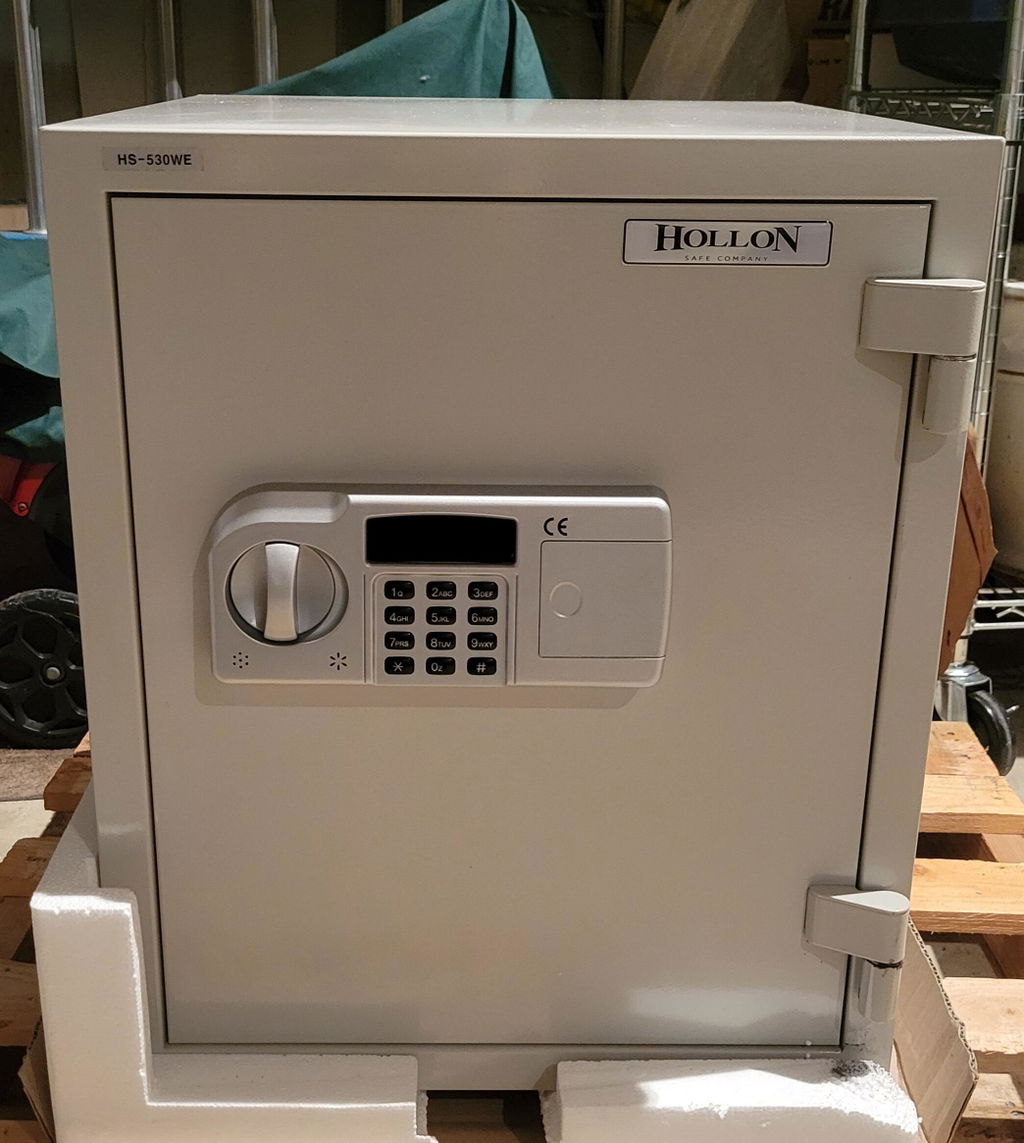
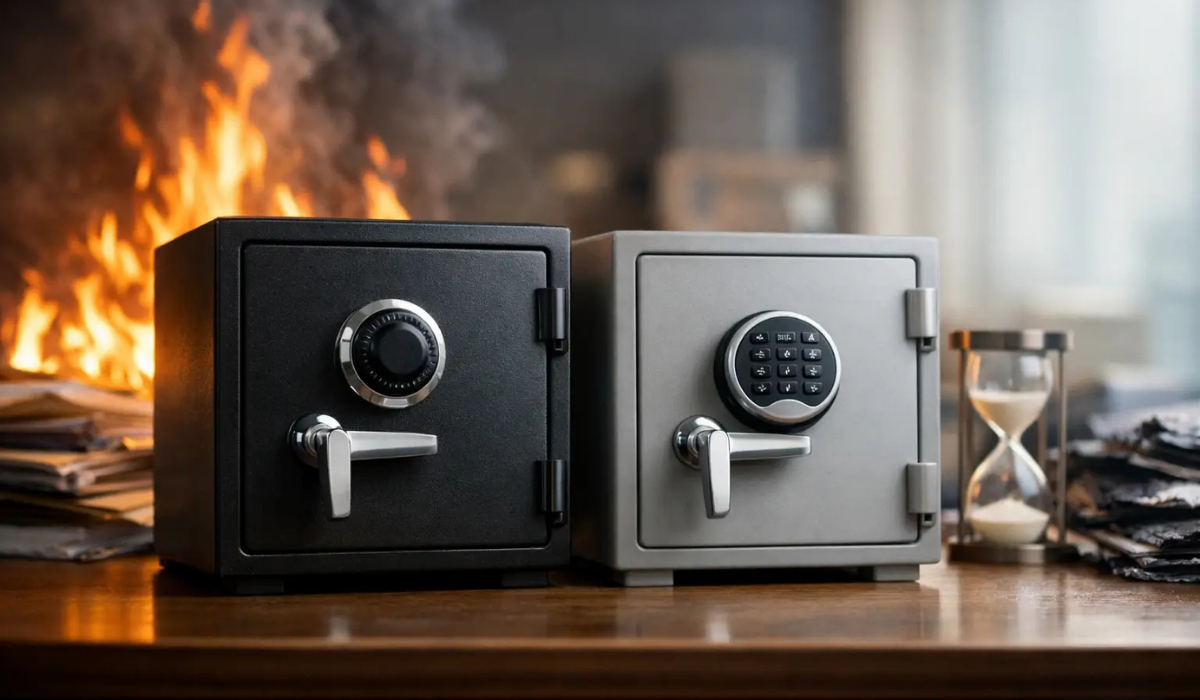
A safe labeled 30 minutes at 1,400°F can look reassuring right up until you compare it to another model rated 90 minutes at 1,680°F and realize the numbers are not telling the same story. That is where a proper fire safe rating comparison matters. If you are protecting paper records, firearms, family jewelry, cash, or digital media, the rating on the door is only useful when you understand what was tested, how long the interior stayed below a damage threshold, and whether the safe’s build matches the kind of fire risk you actually face.
Why fire ratings are harder to compare than they look
Most shoppers expect fire ratings to work like appliance specs. Bigger number, better product. Sometimes that is true, but safe ratings are not always measured the same way across brands or categories.
A fire rating usually combines two things - temperature and time. For example, a safe may be advertised as 60 minutes at 1,400°F or 120 minutes at 1,700°F. That sounds straightforward, but the test method behind those claims can vary. Some are based on independent lab testing. Others come from manufacturer testing. Some ratings focus on paper protection, while others are stricter because they account for media like hard drives, USB devices, or backup tapes, which can fail at much lower internal temperatures.
This is why buyers get tripped up when doing a fire safe rating comparison. One safe may carry a shorter rating from a more rigorous test, while another shows a longer rating from a less demanding method. On paper, the second one can look stronger even when the first may be the better-built product.
What a fire rating usually means
For most home and business safes, the fire rating is designed around paper protection. Paper chars at roughly 350°F, so the goal of the safe is to keep the inside below that point for the stated amount of time while the outside is exposed to extreme heat.
That does not mean everything inside is equally protected. Documents may survive where passports with laminated elements, cash, photos, firearms with optics, or digital storage devices may not. If you are storing electronics or media, the fire rating alone is not enough. Those items usually need a much lower internal temperature than paper does.
It also helps to understand that house fires are not all identical. Fire departments can respond quickly, or conditions can intensify and burn longer depending on fuel load, room layout, and whether the safe is upstairs, in a garage, or against an exterior wall. A 30-minute rated safe may be fine for some households and a poor fit for others.
Fire safe rating comparison by common rating tiers
30-minute fire ratings
This is often the entry point for budget-friendly home safes and smaller personal models. For basic document protection in lower-risk settings, it can be a reasonable starting point. If your goal is to protect a few important papers from a brief fire event, this tier may cover the basics.
The trade-off is margin. Thirty minutes is not much buffer if a fire burns hot, access is delayed, or the safe sits in a part of the home where heat builds quickly. For many gun owners or homeowners protecting irreplaceable items, this tier can feel a little thin.
45- to 60-minute fire ratings
This is where many buyers start to find a better balance between cost, size, and meaningful protection. A 60-minute rating is common in quality home safes, gun safes, and office models because it gives more breathing room without pushing price and weight as high as premium fire-rated units.
For a lot of households, this range is the practical middle ground. It is often enough for documents, some valuables, and firearms when paired with good burglary protection and proper anchoring. If you are comparing safes for mixed use, this is one of the strongest categories to look at first.
90-minute to 2-hour fire ratings
This tier is usually better suited to buyers with higher exposure or more valuable contents. Think extensive paper records, family heirlooms, business documents, or safes installed in locations where a longer burn is possible. You will often see heavier bodies, more insulation, and higher overall safe weight in this range.
That added protection comes with trade-offs. The safe may be significantly heavier, harder to place, and more expensive to move or install. Interior space can also shrink because thicker insulation takes up room. A larger exterior does not always mean more usable interior capacity.
The test itself matters as much as the number
A meaningful fire safe rating comparison should always ask who tested it and under what conditions. Independent testing carries more weight because it gives buyers a more standardized benchmark. Manufacturer-tested ratings are not automatically bad, but they deserve closer scrutiny.
Look for details beyond the headline claim. Was the safe tested for the full duration at the listed external temperature? Was there a cool-down period? Did the test include an impact component, such as a fall through a burning floor? Was the interior temperature limit specified?
Those details matter because real fires are not just about peak heat. Structural collapse, prolonged smoldering, and water exposure from suppression can all affect what survives. A safe that performs well in a controlled heat test may not perform the same way under every real-world condition.
Fire ratings for gun safes versus document safes
Gun safe buyers often assume a higher fire rating automatically means broader protection, but the storage goal matters. Fire-rated gun safes are usually built to protect firearms, optics, documents, and some valuables in one place. That is convenient, but it is not the same as storing digital media in a specialized media safe.
For firearms, a 60- to 90-minute rating is often a sensible target if the safe also has strong steel construction, a reliable lock, and anchoring capability. A safe with a long fire rating but thin steel can leave you better protected from heat than theft, which is not a great trade if burglary is also part of the risk.
For paper-heavy office use, fire file cabinets and document safes may offer better organization and more purpose-built fire performance. For mixed storage, the best choice usually depends on which risk is less forgivable - fire damage, break-in risk, or both.
Don’t compare fire ratings without looking at build quality
A fire label gets attention, but it should not make you ignore the rest of the safe. Two models with similar fire claims can perform very differently in daily use and in a forced-entry attempt.
Steel thickness matters. Door construction matters. So do the lock type, relockers, bolt work, and whether the safe can be anchored to concrete. A heavy fire liner is helpful, but it does not replace burglary resistance. For some buyers, especially business owners handling cash or homeowners securing firearms, theft risk is more immediate than total fire loss.
There is also the issue of fit and placement. A very large fire-rated safe may seem like the safer choice until you realize it cannot be installed where it needs to go, or its weight creates delivery challenges. Better protection on paper does not help much if the safe ends up in a poor location or never gets bolted down.
How to choose the right fire rating for your situation
If you are protecting birth certificates, passports, wills, and a few backup valuables, a quality 60-minute safe is often a strong starting point. It gives better protection than entry-level models without forcing you into the cost and weight of a commercial-grade unit.
If the safe will hold firearms, optics, important documents, and sentimental items, moving up to 75, 90, or 120 minutes can make sense, especially if your home is rural, your fire response time is longer, or the safe will sit in a garage where temperatures can spike fast.
If you run a business and need to protect records, cash, or sensitive paperwork, the right answer depends on both fire and burglary exposure. A longer fire rating may matter, but so may a depository format, better lock control, or even stepping up into a higher security category altogether.
The best buying decision usually comes from matching the contents to the safe, not chasing the highest fire number available. Ask what you are protecting, how replaceable it is, how long you need it protected, and what other risks the safe has to handle.
A smarter way to read a fire rating
Think of a fire rating as one part of a protection package, not the whole story. A 60-minute safe from a reputable brand with credible testing, solid steel, and good installation can be a much smarter purchase than a lightly built model boasting a bigger number.
That is the real value of a fire safe rating comparison. It helps you separate marketing from meaningful protection and choose a safe that fits your home, your business, and the items you would hate to lose. When the label starts to make sense, the buying decision usually gets a lot easier.
Protect what matters most by choosing for the real risk, not just the boldest claim on the door.