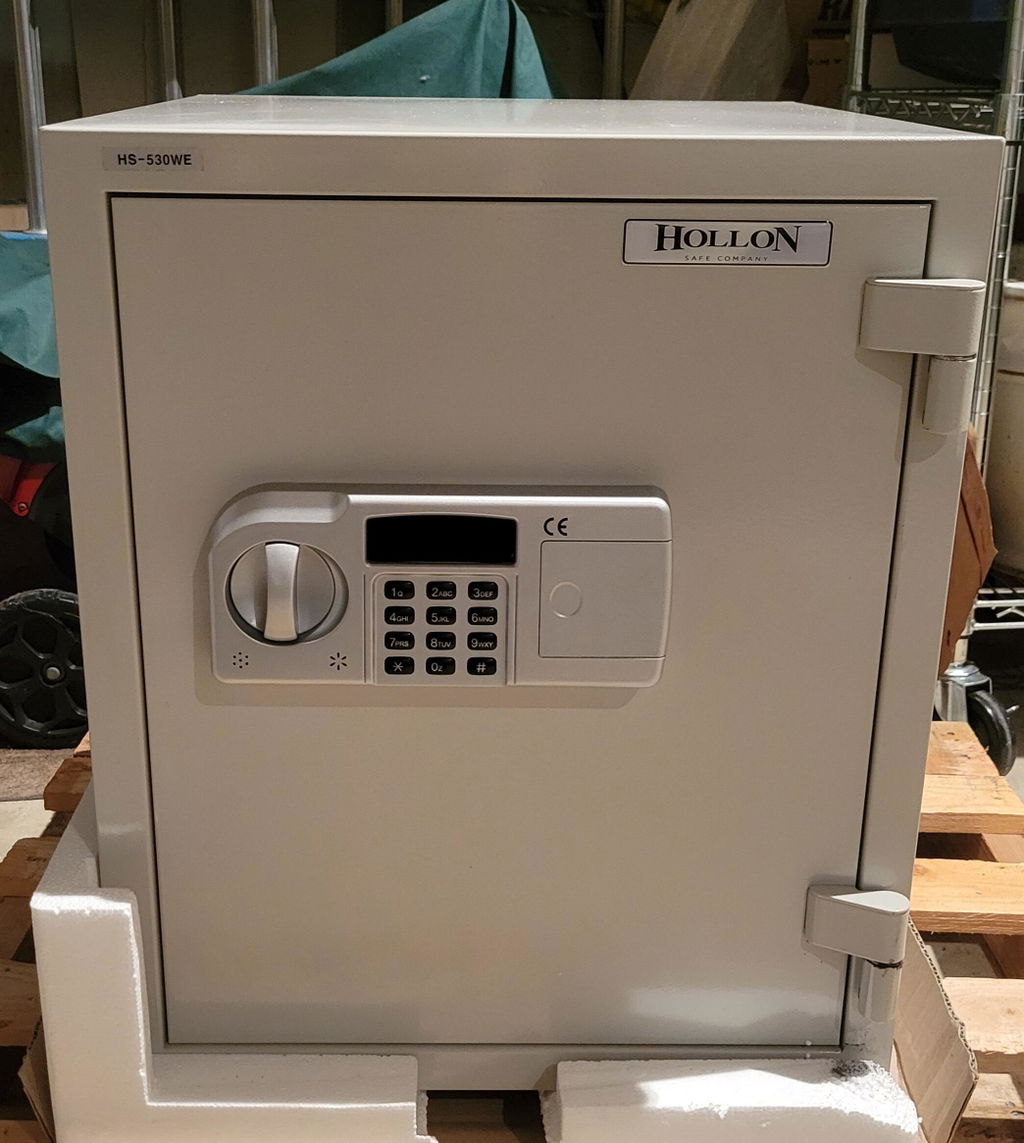
A safe can be built with thick steel, solid bolts, and a reliable lock, but the wrong location can still make it easier to find, attack, or damage. If you're wondering where to place a home safe, the right answer usually comes down to three things - what you're protecting, how quickly you need access, and whether the safe can be anchored properly.
That last point matters more than many first-time buyers expect. A burglar does not always try to break into a safe on the spot. If the safe is small enough to carry and not bolted down, they may simply take it and work on it elsewhere. Placement is not just about hiding a safe. It is about slowing theft, improving survivability in a fire, and making sure the safe is actually usable when you need it.
Where to place a home safe depends on what it protects
A document safe, a jewelry safe, a handgun safe, and a full-size gun safe should not always go in the same type of spot. The best location changes with the use case.
If you're protecting passports, wills, backup drives, cash, and family documents, a climate-stable part of the home is usually a better choice than a garage or attic. Extreme heat, humidity, and temperature swings can affect paper, electronics, and some lock components over time.
If the safe is for defensive firearm access, speed matters alongside security. A quick-access handgun safe near the bed makes sense if it is secured against unauthorized access and mounted properly. That is a very different placement strategy from a fire-rated document safe meant to stay out of sight.
For heavier gun safes and burglary safes, structure matters as much as privacy. You need a floor that can support the weight and a location that allows the safe to be anchored into concrete or substantial framing when the model is designed for it.
The best places in a home for a safe
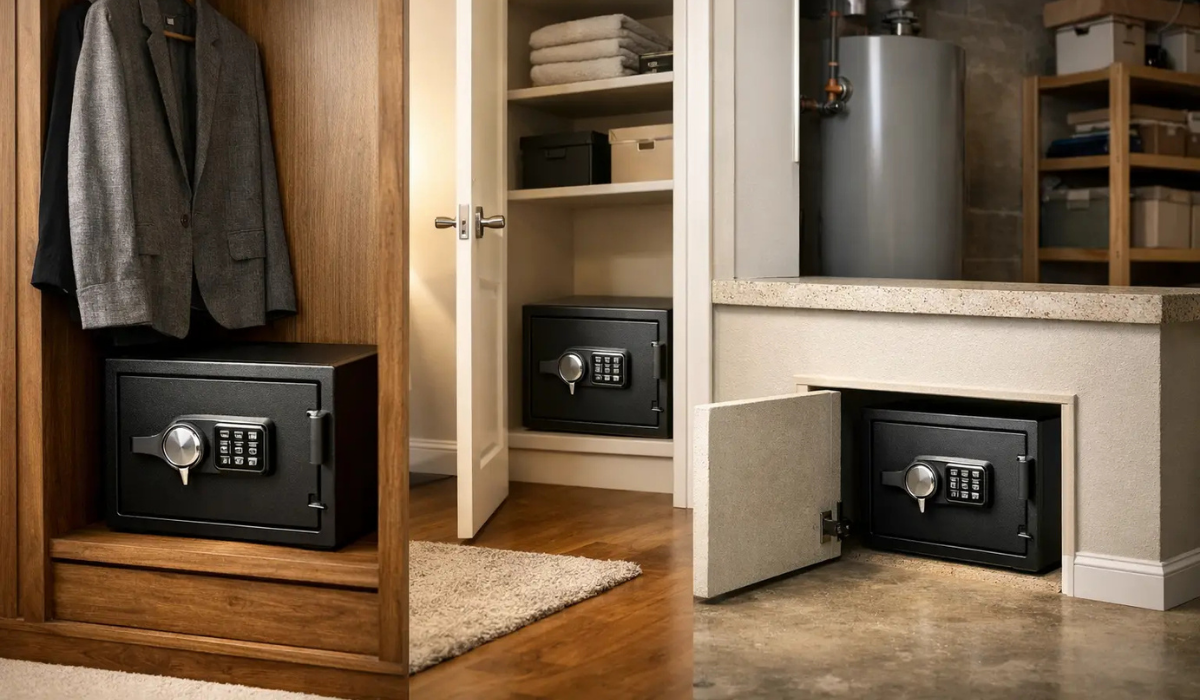
For many homeowners, a closet in a master bedroom or secondary bedroom is a practical starting point. It offers privacy, keeps the safe out of immediate view, and often gives you enough wall depth and floor support for installation. A closet also makes it easier to conceal the safe behind hanging clothes or built-in shelving without creating a moisture problem.
A ground-floor interior room is another strong option, especially for heavier safes. Weight is a real installation factor. Large fireproof safes, gun safes, and TL-rated units can weigh hundreds or even thousands of pounds. Placing that kind of safe on an upper floor may require a structural review, particularly in older homes.
A basement often works well for burglary protection because it is less visible and usually offers concrete anchoring. But there is a trade-off. Basements can bring moisture and flood risk. If your area has a history of water intrusion, that needs to be part of the decision. A water-resistant safe helps, but location still matters.
A home office can make sense for documents, backup media, and business records if the safe blends into cabinetry or sits in a low-visibility corner. For people who need regular access to paperwork, this is often more realistic than storing everything in a remote part of the house. The safe you use consistently is better than the one that is technically well hidden but annoying to reach.
Where not to place a home safe
The garage is common, but it is not always ideal. It can work for certain gun safes or heavy safes when anchoring and space are the top priorities, but garages are typically more exposed to humidity, heat, dust, and temperature changes. They are also a predictable place for thieves to check.
An attic is usually a poor choice. Access is inconvenient, temperatures can become extreme, and floor loading can be a serious concern. In a fire, attic spaces can also be hit hard.
A main bedroom closet can be a good location, but the obvious spots inside a primary bedroom are also among the first places many burglars look. That does not mean never use the bedroom. It means avoid the most predictable setup, especially if the safe is small and not deeply integrated into the space.
Avoid placing a safe where it is visible from windows, frequently seen by guests, or easy to attack with long pry-bar clearance. Tight placement against a side wall or within built-ins can reduce attack angles. That kind of detail can make a meaningful difference.
Hiding versus securing
People often focus on concealment first, but concealment alone is not security. A hidden safe that is lightly built and not anchored may still be a quick win for a burglar once found. A properly anchored safe in a less obvious location usually offers better real-world protection than a loosely placed safe hidden behind a picture.
That is especially true for compact home safes. Small models are convenient, but they are also more vulnerable to removal if not bolted down. If your safe includes pre-drilled anchor holes or mounting hardware options, use them when the installation surface allows it.
Built-in wall safes and floor safes can be excellent when chosen for the right purpose. A wall safe offers concealment and convenience, but wall depth limits burglary protection and storage size. A floor safe is harder to remove and easy to disguise under a rug or furniture, though installation is more involved and access is less convenient for daily use.
Fire, water, and structural realities
Safe placement is not just about theft. If you're protecting irreplaceable records, heirlooms, or digital backups, think about what happens during a house fire or plumbing failure.
Interior locations are often better than perimeter walls because they may be less exposed to direct heat in some fire scenarios. That said, fire resistance comes primarily from the safe's tested rating, not the room alone. A safe rated for 60 minutes or 120 minutes at a specified temperature gives you a clearer protection benchmark than a location strategy by itself.
Water is the other half of the equation. Basements, garages, and rooms near water heaters, laundry connections, or plumbing lines create extra risk. If those locations are your best structural option, look closely at water resistance and elevate the safe slightly when appropriate and approved by the manufacturer.
For very heavy safes, placement should start with the floor. Concrete slabs are ideal for weight and anchoring. Wood-framed floors may be fine for smaller units, but larger safes can exceed what is wise for a given area. This is one of those it depends situations where the safe's loaded weight, footprint, and your home's construction all matter.
Quick access safes need a different strategy
If the safe is meant for home defense, placement should support fast, consistent access while still preventing unauthorized entry. A biometric or keypad handgun safe near the bed, inside a closet, or secured to furniture can work well when children, visitors, or service providers may be in the home.
The key is balancing speed with retention. Under a bed can be useful. A nightstand mount can be useful. A closet shelf can be useful. But only if the unit is mounted securely and the opening method is one you can operate reliably under stress and in the dark.
For long gun storage, the discussion changes. A full-size rifle safe usually belongs in a location that supports its weight, minimizes visibility, and allows enough room for the door swing. It should also be placed where humidity can be managed, especially if you're storing firearms long term.
A simple way to choose the right location
Start with the safe's purpose. Then ask four practical questions. Can this area support the weight? Can the safe be anchored here? Will the contents be protected from heat, moisture, and daily exposure? And can you access it the way you actually live?
That process usually narrows the field quickly. A small fire safe for passports may fit best in a closet on the main floor. A large gun safe may belong on a slab in a low-visibility room. A quick-access handgun safe may need to stay close to where you sleep. One house can easily have more than one correct answer.
At Secure Zoned, this is why safe selection and placement go together. Fire rating, lock type, steel construction, mounting options, and dimensions all affect where a safe should live once it arrives.
The best safe location is not the one that sounds clever. It is the one that fits your risks, your home, and the way you need to protect what matters most.