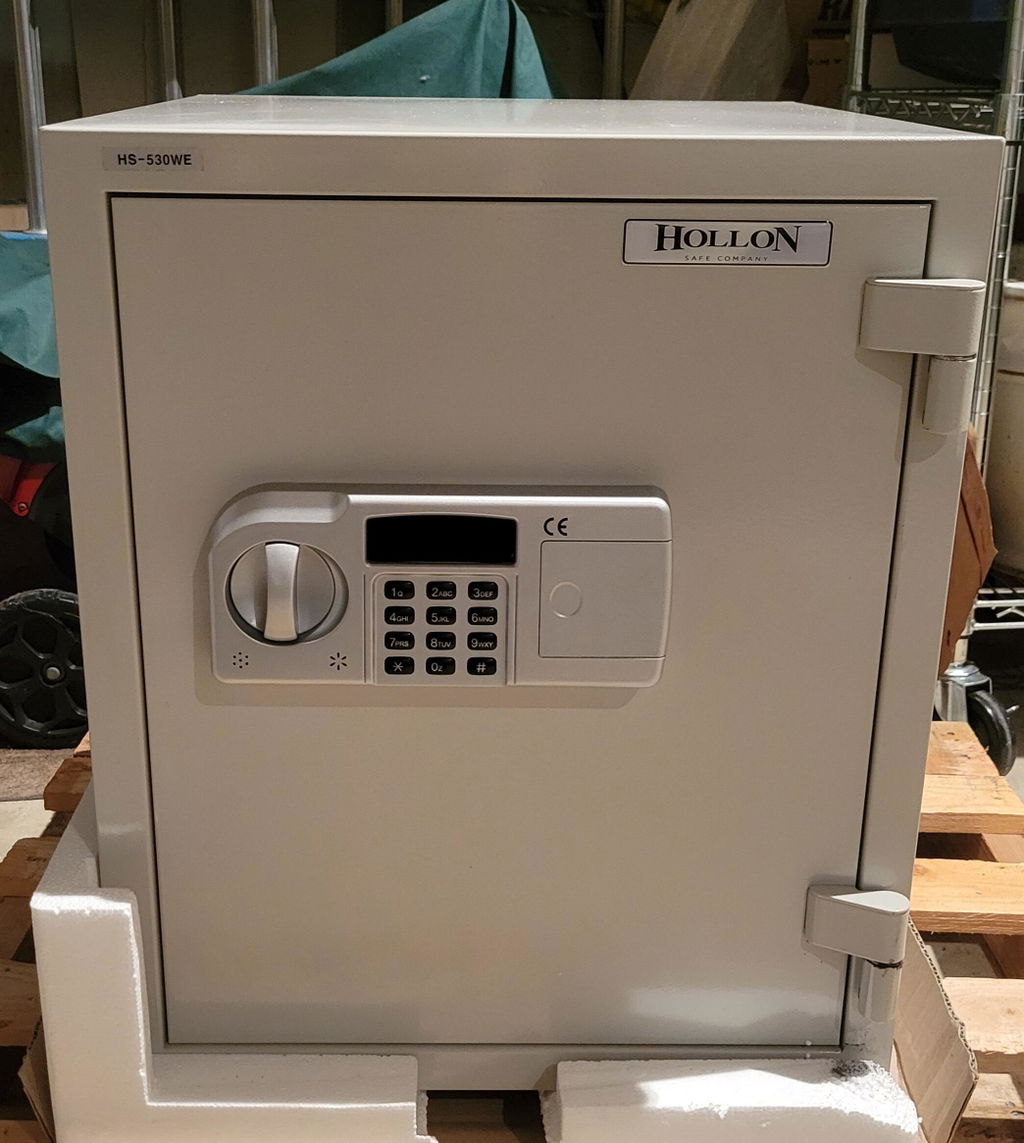
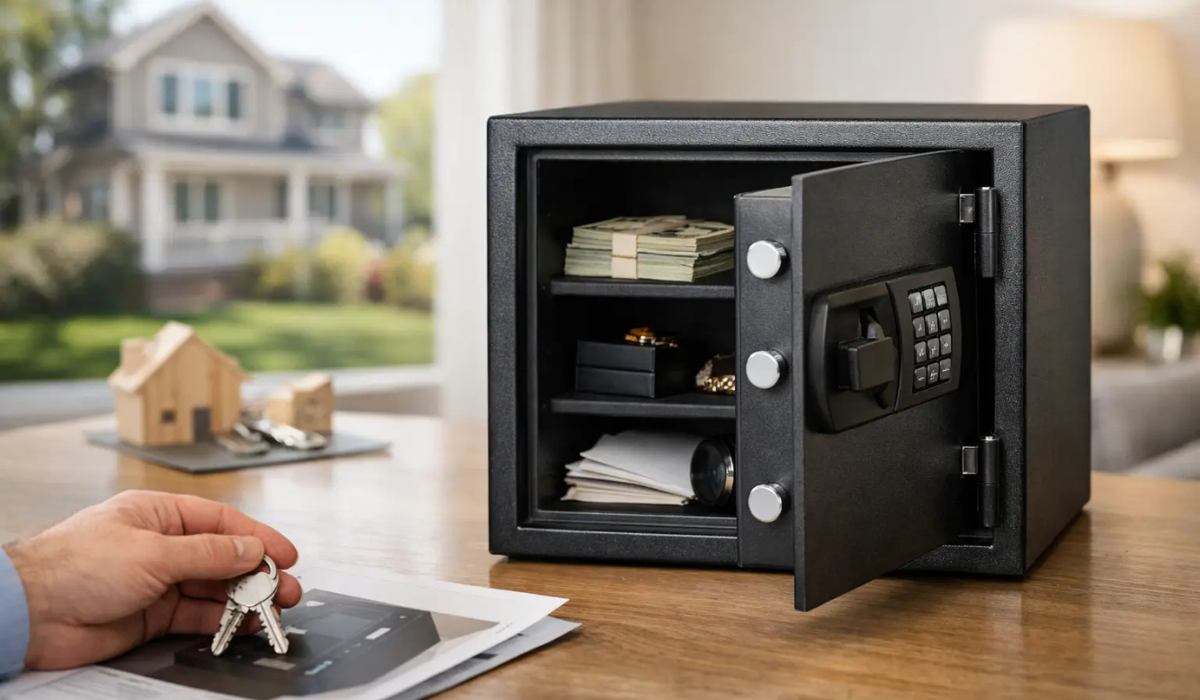
A safe that looks perfect on a product page can be the wrong fit once it reaches your home. Maybe it protects paperwork well but cannot handle a pry attack. Maybe it stores valuables securely but is too small for a growing firearm collection. A good residential safe buying guide starts with one question: what exactly are you trying to protect, and from what?
That question matters because no safe is best at everything. Some are built around fire protection for documents and family records. Others focus on burglary resistance, heavier steel, stronger bolts, and better anchoring. Some balance both. The right choice comes from matching the safe’s construction and ratings to your real-world risks, not just picking the biggest model or the lowest price.
How to use this residential safe buying guide
Think in layers. A residential safe is there to slow down theft, limit damage, and protect what would be hard or impossible to replace. For one buyer, that means passports, birth certificates, and backup drives. For another, it means jewelry, cash, or handguns that must stay secured but accessible. For many households, it is a combination of all three.
Start by listing the contents you need to protect today, then add some room for the next few years. Safe owners often outgrow their first purchase faster than expected. If you are storing firearms, optics, important documents, and valuables in the same unit, interior capacity disappears quickly.
Choose the right safe type first
The biggest mistake first-time buyers make is shopping by appearance before use case. Residential safes come in several categories, and each solves a different problem.
A fire safe is best when your top concern is paper records, heirlooms, photos, and digital media. These models are built to maintain a lower internal temperature during a house fire for a stated period of time. If you mainly want to protect deeds, wills, insurance paperwork, and irreplaceable family items, fire performance should be near the top of your checklist.
A burglary safe puts more emphasis on steel thickness, door strength, boltwork, and lock protection. These are better suited for jewelry, cash, watches, and other high-value items that are attractive to thieves. If you live in an area where smash-and-grab theft is a bigger concern than fire, burglary features deserve more attention.
A gun safe or home safe can bridge both needs, especially for homeowners who want to secure firearms responsibly while also protecting documents and valuables. Just remember that advertised gun capacity is usually optimistic. A safe labeled for a certain number of long guns may hold fewer once you add scopes, slings, shelves, and storage bins.
Wall safes and floor safes are more specialized. They can work well for concealment, but they usually involve trade-offs in capacity, installation complexity, and, depending on the model, fire protection.
Fire ratings matter, but so does what you store
Fire ratings can look simple on paper and still be confusing in practice. You will usually see a time rating paired with a temperature, such as 30 minutes, 60 minutes, or 120 minutes at a stated external heat level. That tells you how long the safe is designed to protect contents under test conditions.
For paper documents, a solid fire rating may be enough. For digital media like hard drives, flash drives, and backup discs, the standard is different because electronics can be damaged at lower internal temperatures than paper. If digital storage is part of your plan, make sure the safe is actually suited for that purpose or use a dedicated internal media container.
It also helps to be realistic. A fire rating is not a promise that every item will survive every fire. House fires vary, and placement inside the home can affect exposure. A good fire-rated safe improves your odds significantly, but it should still be paired with smart storage habits and, when possible, off-site or cloud backups for critical data.
Burglary protection starts with steel and anchoring
If a safe can be tipped, pried, or carried out, its paper specifications matter less. Burglary resistance begins with body construction, door design, lock protection, and weight. In general, heavier safes with thicker steel and stronger doors offer better resistance than lightweight cabinets dressed up to look secure.
Look closely at steel thickness, hardplate, relockers, bolt coverage, and recessed doors. These features help a safe resist common attacks. A UL-listed lock is another trust signal worth paying attention to because it speaks to lock quality and testing, not just convenience.
Anchoring is just as important as construction. Many residential safes are designed with pre-drilled anchor holes, and that is a feature you should use. A properly anchored safe is much harder to remove or pry open. For many homes, bolting a safe to concrete is the strongest option. Upper-floor installation may require a different approach, and floor loading should always be considered before moving a heavy safe into place.
Lock type: quick access or long-term reliability?
Lock choice is partly about preference and partly about use case. Electronic keypad locks are popular because they are fast, easy to use, and convenient for households that need regular access. They are especially common on handgun safes and many modern home and gun safes.
Mechanical dial locks appeal to buyers who want a traditional lock with no batteries to replace. They can be slower to open, but many owners value their long-term simplicity. For a safe that you access only occasionally, that trade-off may be worth it.
Biometric locks can be a strong fit for quick-access handgun storage, especially when responsible firearm access is a priority. But biometric performance depends on sensor quality, setup, and user habits. A good biometric safe should still offer a reliable backup entry method.
There is no single best lock for every household. If speed matters most, electronic or biometric options may make sense. If you care more about straightforward, proven operation over time, a mechanical dial may be the better fit.
Size, interior layout, and future-proofing
Buyers almost always underestimate how much interior room they need. Shelves, door organizers, ammo, cash trays, jewelry drawers, and document bins all eat into usable space. Even a well-sized home safe can feel tight once it is actually loaded.
That is why interior layout deserves as much attention as exterior dimensions. Adjustable shelving gives you flexibility as your needs change. Door storage can help maximize capacity, especially in gun safes. A jewelry owner may want lined compartments and organization. A document-focused buyer may care more about shelf spacing for files and binders.
If you are between two sizes, the larger safe is often the smarter long-term buy, assuming your space and floor can support it. The price jump is usually easier to justify now than replacing the safe later.
Placement affects security more than many buyers realize
Where the safe goes is part of how well it works. A garage may offer more installation flexibility and space for a larger model, but temperature swings and moisture can be hard on certain contents. A master closet may be more discreet and climate-controlled, but space can be limited. A first-floor interior location often gives a good balance of accessibility, concealment, and structural support.
Try not to place a safe where delivery and installation become an afterthought. Measure doorways, hallways, stair clearances, and the final footprint before you buy. That sounds basic, but it prevents expensive problems on delivery day.
For homeowners protecting documents and valuables, discreet placement usually beats display placement. A safe that is less visible to guests, contractors, or casual visitors adds another layer of security.
Don’t overpay for ratings you don’t need
Some buyers need a high-security safe with advanced burglary ratings. Many do not. If your goal is protecting passports, insurance documents, family photos, and moderate-value jewelry from common home risks, a well-built residential safe with a solid fire rating and good anchoring may be the sweet spot.
On the other hand, if you are storing significant cash, high-value watches, expensive jewelry, or other concentrated assets, stepping up to a more security-focused safe may be warranted. The point is not to buy the most expensive safe on the page. It is to buy the one that fits the value of the contents, the likely threats, and how you live.
That is where clear specs matter. Weight, steel thickness, fire rating, lock type, internal dimensions, and anchoring features tell you more than marketing language ever will.
A few final buying signals worth checking
Before you commit, pay attention to warranty coverage, delivery details, and what is included with the safe. Some models include shelves, anchor hardware, or door organizers. Others do not. If the safe is especially heavy, white-glove or threshold delivery may change the overall buying experience as much as the safe itself.
It also helps to buy from a retailer that can explain trade-offs honestly. A good seller will tell you when a model is better for documents than burglary defense, or when a safe works well for basic home use but not for concentrated high-value storage. That kind of guidance matters on a purchase like this.
Protecting what matters most is not about choosing the flashiest safe. It is about choosing a safe you will place correctly, anchor properly, and trust for years when it matters most.