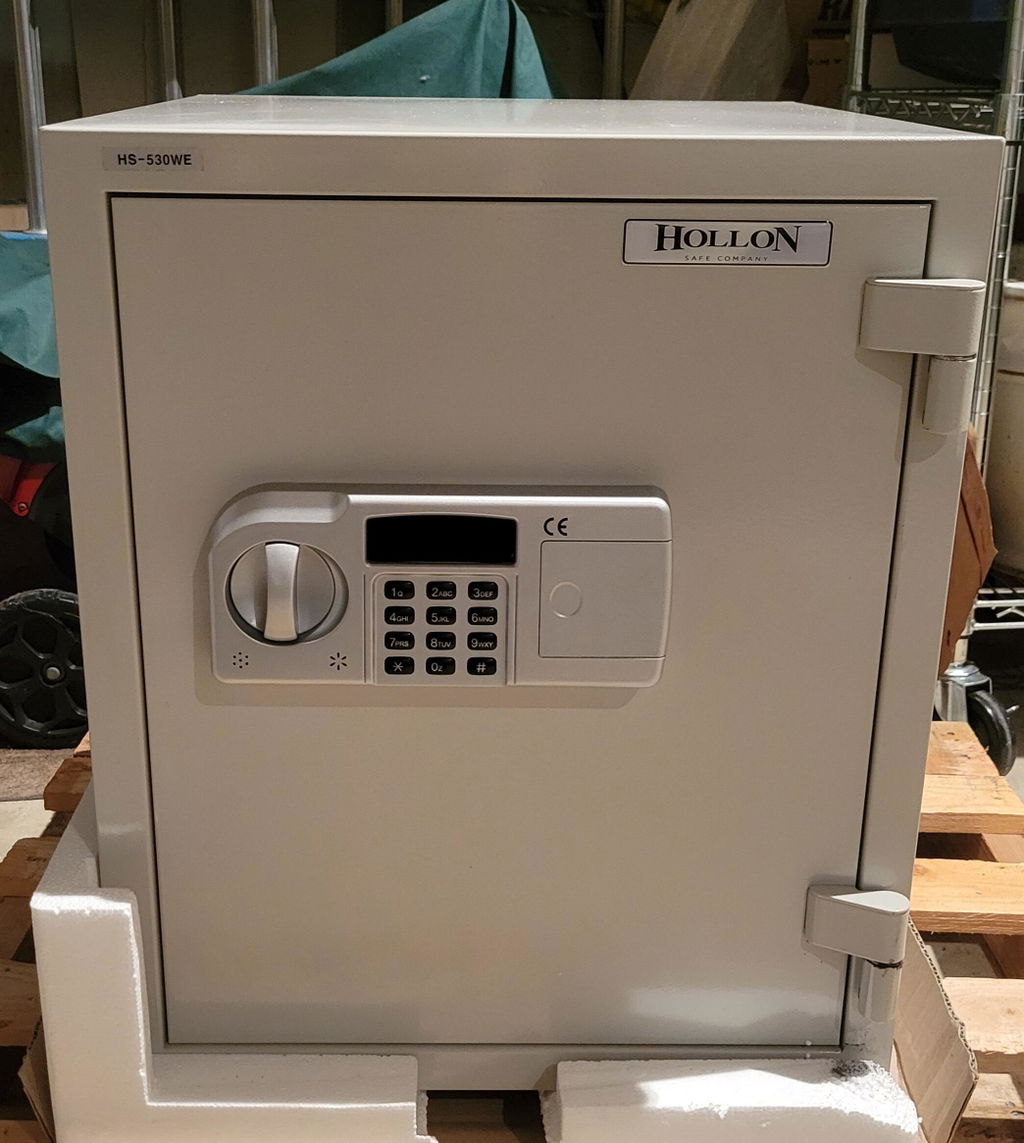
A safe can look impressive on a product page and still be the wrong choice for what you need to protect. Thick doors, big bolts, and a heavy body all sound reassuring, but burglary protection is one area where the rating matters more than the marketing. If you are looking for a guide to burglary safe ratings, the goal is simple: understand what the labels actually mean before you trust a safe with firearms, cash, jewelry, records, or business deposits.
The first thing to know is that burglary ratings are not all created equal. Some are formal third-party test standards. Others are industry shorthand that can help describe construction but do not mean the safe passed a recognized break-in test. That distinction matters because a safe meant to slow down a smash-and-grab at home is very different from one built to resist sustained attacks with tools.
What burglary safe ratings really tell you
A burglary rating is meant to give you a baseline for forced-entry resistance. In plain English, it helps answer a practical question: if someone targets this safe, how much protection is it designed to provide, and against what kind of attack?
That does not mean any safe is burglar-proof. Given enough time, tools, and privacy, almost any container can be compromised. Ratings are about delay and resistance. The longer a safe resists attack, the better the chance that the thief gives up, gets interrupted, or cannot access the contents before law enforcement or staff respond.
This is also why placement and installation matter so much. A well-rated safe that is not anchored can sometimes be removed and attacked elsewhere. A lighter residential safe in a visible area with proper anchoring may outperform expectations simply because the thief cannot work on it for long.
A guide to burglary safe ratings by category
For most buyers, the ratings and labels you will run into fall into three broad groups: construction-based labels like B-rate and C-rate, residential security ratings like RSC, and commercial burglary ratings such as TL-15 and TL-30.
B-rate and C-rate
B-rate and C-rate are common terms in the safe industry, but they are often misunderstood. These labels generally describe construction standards rather than a formal burglary test certification.
A B-rate safe usually refers to a safe body made with at least 1/4-inch steel or a door with similar substantial steel construction, depending on how the manufacturer uses the term. A C-rate safe is typically a step up, often associated with thicker steel, such as a 1/2-inch steel door. The catch is that these labels are not as tightly standardized in the real world as shoppers might expect.
That makes B-rate and C-rate useful, but not definitive. They can tell you something about the steel used, but they do not tell you how the lock, boltwork, relockers, hardplate, door fit, and overall design will hold up during an attack. If you see these labels, treat them as a construction clue, not the final word on burglary protection.
RSC - Residential Security Container
RSC stands for Residential Security Container. This is a recognized UL classification and one of the most common ratings found on home safes and gun safes.
An RSC is tested to resist a limited attack using common hand tools for a short period of time. That may sound modest, and compared with commercial TL ratings, it is. But for many homeowners, RSC protection is still very relevant. Most residential burglaries are fast. Thieves want easy access, portable valuables, and a quick exit. An anchored RSC from a reputable manufacturer can be a strong deterrent against that kind of attack.
Where buyers get tripped up is assuming all gun safes are equal because they look similar. Some are RSC-rated. Others are not independently rated at all. If you are securing firearms responsibly, especially in a household with kids or frequent visitors, that difference is worth paying attention to.
TL-15
TL-15 is where burglary protection moves into a much more serious category. This is a UL burglary rating for safes that have been tested against concentrated attack using common mechanical and electrical tools on the door for a net working time of 15 minutes.
The phrase net working time is important. It does not mean the entire break-in attempt lasted only 15 minutes. It means the clock runs only while testers are actively applying tools to the safe. Real elapsed time can be much longer.
A TL-15 safe is often appropriate for higher-value jewelry, cash, controlled substances, sensitive business records, and other contents where a basic residential container is not enough. These safes are usually much heavier, better engineered, and more expensive than standard home safes, but the added protection is real.
TL-30
TL-30 safes are tested to a higher standard than TL-15, with 30 minutes of net working time against attacks using a broader range of tools on the door. In practice, these safes are built for more aggressive burglary resistance and are often used by jewelers, pharmacies, retailers, and serious private owners protecting high-value contents.
There is also a category called TL-30x6, which extends protection to all six sides of the safe, not just the door. That matters in environments where a thief could attack the body, side walls, top, or bottom with enough time and access.
For many home users, TL-30 is more safe than they truly need. For some business owners, it may be the right minimum. It depends on what is inside, how exposed the safe is, and how much risk you are carrying if it is breached.
What the rating does not tell you
This is where good buying decisions usually happen. A burglary label is valuable, but it does not answer every important question.
It does not tell you whether the safe offers meaningful fire protection for documents, media, heirlooms, or guns. A safe can be strong against attack and still offer little or no insulation against heat. Likewise, a fire-rated safe may not provide the level of burglary protection you expected.
It also does not tell you whether the lock fits your daily use. A UL-listed mechanical lock has a strong reputation for reliability. An electronic lock may offer faster access and easier user management. A biometric lock can be convenient for quick-access handgun safes, but convenience should not be confused with high-end burglary resistance.
You also need to look at weight, anchoring, and location. A lighter safe with a decent rating that is properly bolted down may be a better real-world choice than a heavier unit left unsecured in a garage corner. And for businesses, cash handling patterns matter. A depository safe can reduce exposure during the workday even if your larger burglary safe handles overnight storage.
How to choose the right rating for your situation
For basic home use, an RSC-rated safe is often a sensible starting point. That is especially true for document storage, family valuables, and many gun ownership needs. The key is not to overestimate what it is designed to do. It is protection against opportunistic or limited attacks, not a substitute for a commercial burglary safe.
If you are protecting expensive watches, large amounts of cash, valuable jewelry, rare firearms, or business assets, moving into TL-rated territory usually makes sense. The price jump can be significant, and so can the delivery and installation demands, but those costs need to be weighed against what a loss would actually mean.
For business owners, the safe choice often depends on the operation. A restaurant or retail store handling daily cash may need a depository model for employee drops and a higher burglary rating for storage. A pharmacy or jewelry operation may need TL-15 or TL-30 protection because the contents are valuable, targeted, and often tied to insurance requirements.
For homeowners, there is also a practical midpoint. Some buyers do not need a full TL-rated safe, but they do need better steel thickness, hardplate protection, relockers, and serious anchoring than entry-level models offer. That is where comparing the actual specs becomes more useful than chasing the biggest-looking safe for the lowest price.
Common mistakes when reading burglary ratings
One of the biggest mistakes is assuming heavier always means better. Weight helps, but construction quality and rating matter more. Some safes gain weight from fire insulation rather than stronger anti-theft design.
Another mistake is treating unofficial labels like a full certification. If a manufacturer says a safe is built with B-rate or C-rate construction, that may be helpful information, but it is not the same as a UL burglary classification.
Buyers also sometimes ignore installation. Even a good safe can underperform if it is left unanchored, placed where pry attacks are easy, or installed in an isolated area where a thief can work without interruption.
Finally, there is the tendency to buy for today only. If your valuables are likely to grow over time, or if your business may face stricter insurance requirements later, buying one level up can be a smart move.
When you read burglary safe ratings the right way, you stop shopping by appearance and start shopping by threat level. That is usually the moment a safe becomes more than a metal box - it becomes a security decision you can actually feel confident about.