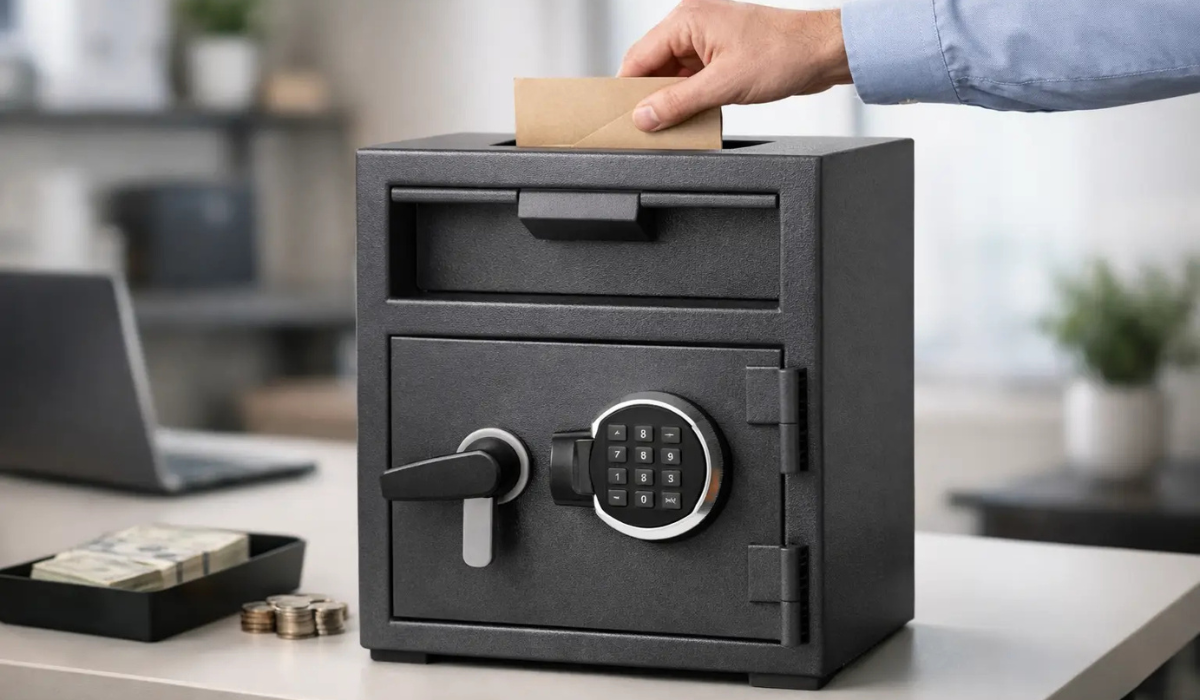
A deposit safe earns its keep in the quiet moments most business owners never see - the cash drop between shifts, the envelope slipped in after close, the bill bag tucked away before a bank run. If you are looking for a practical guide to choosing deposit safes, the right place to start is not brand or price. It is how cash moves through your business, who handles it, and what risks you are actually trying to reduce.
Deposit safes are built for one main job: let staff make drops without giving them full access to the contents. That sounds simple, but the details matter. A restaurant handling daily till counts has different needs than a convenience store taking frequent cash drops, and both are different from an office collecting rent checks or a hotel securing deposit envelopes.
What a deposit safe should do
A good deposit safe does two things at once. First, it limits internal access by separating the drop point from the storage compartment. Second, it slows down forced entry with heavier steel, better door construction, stronger bolts, and anchoring options.
That combination is what makes a deposit safe different from a basic office safe. A standard safe may protect valuables, but if multiple employees need to make deposits throughout the day, opening the main compartment every time creates unnecessary exposure. A depository design reduces that problem.
Guide to choosing deposit safes for your business
The best way to shop is to work backward from your cash-handling routine. Think about what is being deposited, how often, and by whom. A model that works well in a low-volume office can become a bottleneck in a busy retail environment.
Start with deposit size. If your staff only drops cash envelopes, checks, and small deposit bags, a rotary hopper or front-loading slot may be enough. If you need to deposit thicker bundles, coin rolls, or larger bank bags, a narrow slot can create daily frustration. Buyers often focus on outside dimensions and overlook the size of the actual drop opening, but that opening determines whether the safe fits your workflow.
Next, consider how often drops happen. High-frequency businesses usually benefit from a design that is quick and forgiving, especially during rush periods. If employees have to force envelopes through a tight slot or struggle with an awkward hopper, they are more likely to leave deposits unsecured until later. That is not a staff problem. It is a safe selection problem.
Slot, drawer, or hopper?
The deposit method affects both convenience and security. Front-loading slots are common and straightforward. They work well for flat deposits like checks, receipts, and standard envelopes. They are also easy to use in tight back-office spaces.
Rotary hoppers are often a better fit when you want added protection against fishing attacks, where someone tries to retrieve dropped contents through the opening. Many businesses prefer them for cash-heavy environments because they handle thicker deposits better than a slim slot.
Drawer-style depository safes can be useful when larger drop bags are part of the routine, but they are more dependent on the exact bag size and handling process. They can be the right answer, just not automatically the most secure one for every setting. It depends on what is going in and how disciplined the drop procedures are.
Think about internal theft and external theft separately
This is where buyers sometimes oversimplify the decision. A deposit safe is not only about stopping a break-in after hours. It is also about controlling access during the workday.
If one person or manager should be the only one opening the safe, choose a lock setup that supports that. If you need shared access with accountability, that points you in a different direction. External burglary resistance matters, but internal access control matters just as much in many businesses.
Lock types and daily use
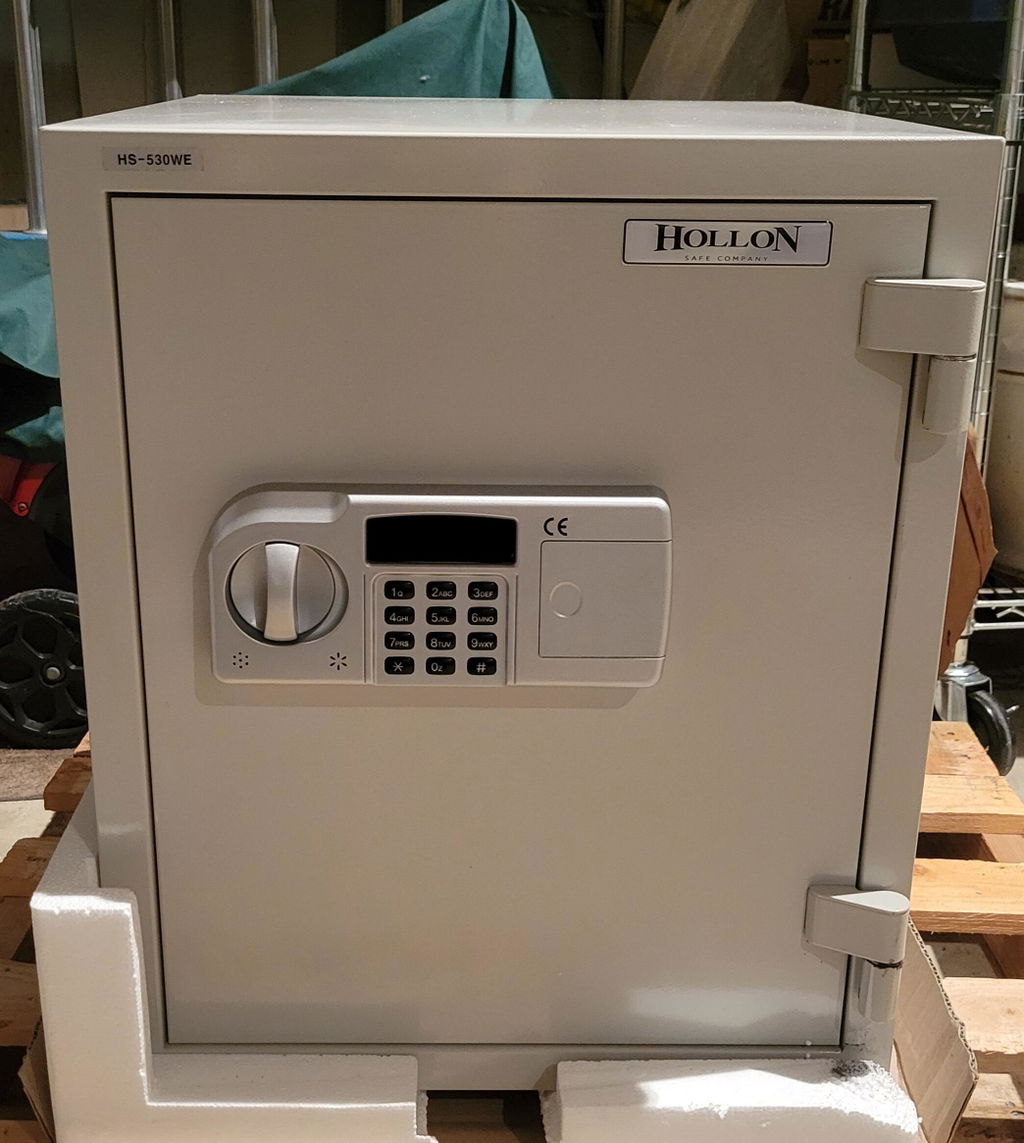
For most buyers, lock choice comes down to mechanical dial versus electronic keypad. Mechanical locks have a long track record and fewer electronics to worry about. They are reliable, but slower to open and less convenient if several authorized users need access.
Electronic locks are usually the practical choice for businesses because they are faster and easier to manage. Managers can change codes when staffing changes, and daily opening is simpler. That convenience matters if the safe is opened often.
Still, there is a trade-off. Electronic locks depend on power from a battery, so maintenance is part of ownership. It is not difficult, but it is not zero. The better question is not which lock is universally better. It is which one fits your staff habits and operating rhythm.
For higher-risk environments, buyers may want to look for features like time delay, dual control, or audit-friendly access options. Not every business needs that level of control, but in some cash-heavy settings it adds meaningful protection.
Steel thickness, door strength, and real security
A deposit safe should not be judged by appearance alone. Two safes can look similar online and perform very differently once steel thickness, door construction, boltwork, and overall weight enter the picture.
Heavier safes generally offer better resistance to attack, especially when paired with solid anchoring. Thin steel cabinets may still serve a purpose in very low-risk applications, but they are not the same thing as a serious depository safe. If your cash exposure is meaningful, pay attention to body construction and door strength, not just the lock.
Relockers, hard plates, and reinforced doors are also worth noting. These features help resist tampering and targeted attacks. They may sound technical, but the practical takeaway is simple: the safe should be built to make quick theft difficult, noisy, and time-consuming.
Don’t ignore weight and anchoring
A safe that can be carried off is a weak point, even if the lock is excellent. That is why anchoring matters. Most deposit safes should be bolted down to concrete whenever possible.
This affects buying in a practical way. The floor location, available clearance, and installation surface all matter before you place an order. A larger safe is not always better if it cannot be installed properly in the space where it needs to work.
Capacity: buy for the real deposit cycle
One common mistake is buying too small because the safe is only meant for short-term storage. That logic makes sense until a weekend, holiday, staffing issue, or delayed bank run leaves more cash inside than expected.
Choose capacity based on your busiest realistic cycle, not your average day. If deposits pile up for two or three days, can the safe still handle envelopes or bags without jamming the process? A safe that reaches practical capacity too early stops being useful.
At the same time, do not overbuy blindly. An oversized safe can take up valuable space and cost more than necessary. The goal is enough capacity for your real operation, with a little breathing room built in.
Placement matters more than many buyers expect
Where the safe lives will shape how well it works. Back office placement is common, but convenience needs to be balanced with discretion. If the safe is too visible to customers, that creates one kind of risk. If it is tucked so far away that staff delay drops, that creates another.
Look at the path employees take when handling cash. The safest process is often the one that is easiest to follow consistently. A deposit safe should support routine, not complicate it.
This is also where dimensions matter beyond width and height. Door swing, hopper clearance, and wall proximity can all affect usability. On paper, a safe may fit the footprint. In practice, it may be awkward to operate.
Fire protection - useful, but not always the first priority
Some buyers want fire protection in a deposit safe, and in certain businesses that makes sense, especially if checks, records, or sensitive documents are stored with cash. But for many retail and restaurant applications, burglary resistance and controlled deposits are the first priorities.
If fire protection matters, check the actual rating rather than assuming every safe offers meaningful fire resistance. Fire ratings, duration, and test standards vary. It is better to match the safe to the contents than to pay extra for protection you do not need or misunderstand.
When it pays to step up in quality
If your business handles modest deposits in a low-risk setting, a basic depository safe may be enough. But if cash volume is high, staff access is broad, or the location has elevated burglary risk, stepping up in construction quality usually pays off. This is one of those purchases where replacing an underbuilt safe later often costs more than choosing correctly at the start.
The strongest buying decisions come from being honest about exposure. How much cash is inside at peak times? Who can reach it? How quickly would a thief try to remove it or attack it? Once those answers are clear, the right safe category gets easier to identify.
A good deposit safe does not just store money. It tightens procedure, reduces temptation, and gives owners more control over one of the most vulnerable parts of daily operations. Choose one that fits the way your business actually runs, and it will protect more than cash - it will protect consistency, accountability, and peace of mind.