
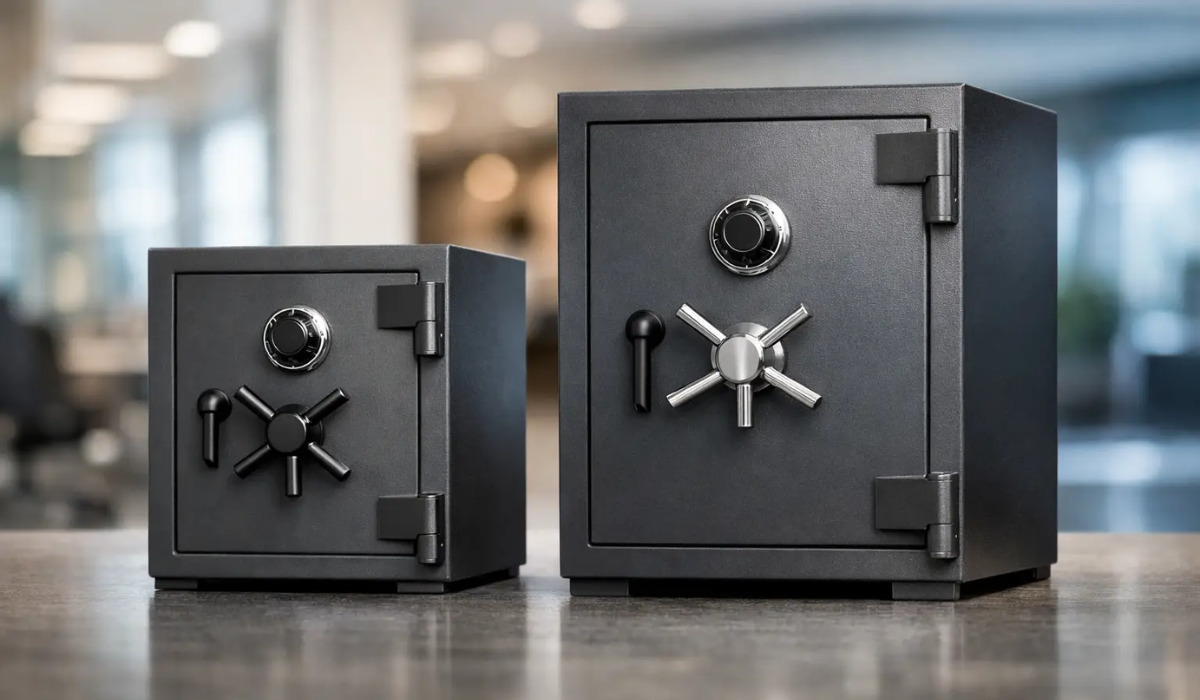
A safe can look formidable in a showroom and still offer very different protection when a determined burglar brings tools. That is why the TL 15 vs TL 30 decision matters. These labels are not marketing shorthand for “good” and “better.” They are UL burglary ratings that reflect tested resistance to forced entry, and the difference can materially affect the kind of valuables you protect, the safe’s weight, and the budget required to install it correctly.
For homeowners, collectors, jewelers, and businesses handling cash or sensitive items, the right choice starts with the likely threat - not simply the largest rating available. A TL-rated safe is a serious security purchase. Matching that security level to your location, asset value, and installation plan is what turns a heavy steel box into meaningful protection.
What a TL Rating Actually Means
TL stands for Tool-Resistant. Under UL burglary safe standards, a TL-rated safe must resist a trained attack using a specified range of common burglary tools. The rating applies to the safe’s door and body, not just its lock or front panel.
A TL-15 safe is tested to withstand 15 minutes of net working time during an attack. A TL-30 safe is tested for 30 minutes of net working time using the applicable tool list. That list includes hand tools, picking tools, mechanical and electric tools, drills, carbide drills, pressure-applying devices, abrasive cutting wheels, and power saws.
“Net working time” deserves emphasis. It does not mean a burglar has only 15 or 30 minutes at the property. The clock measures the time attackers are actively working on the safe during the test. Time spent changing tools, examining the safe, repositioning, or planning does not count. In a real break-in, even a 15-minute resistance rating can create enough delay to increase the chance of detection. Thirty minutes creates a substantially more demanding obstacle.
A TL rating is a burglary classification, not a fire rating. Many TL-rated safes also offer fire protection, but the fire performance must be evaluated separately. Always review the specific model’s fire rating, lock listing, construction details, and installation requirements rather than assuming one rating covers every risk.
TL 15 vs TL 30: The Core Difference
The most direct difference between TL-15 and TL-30 is the tested attack time: 15 minutes versus 30 minutes of net tool attack. On paper, that sounds like a simple doubling. In practice, achieving another 15 minutes of tool resistance usually requires significantly more material, more complex barrier construction, stronger boltwork, and more weight.
A quality TL-15 safe is designed for serious residential or light commercial protection. It can be an excellent fit for jewelry, collectible firearms, important documents, precious metals, cash reserves, or other valuables that would be difficult to replace. It is a meaningful step above many conventional residential safes, particularly when the safe is properly anchored and placed away from easy access.
A TL-30 safe is built for higher-value targets and higher-risk environments. It is often the more appropriate choice for jewelry businesses, pharmacies, retail cash storage, collectors with significant assets, or homeowners whose valuables could attract a deliberate, well-equipped attack. The added rating gives the safe more time to resist cutting, drilling, prying, and other sustained attempts to breach the door or body.
The practical takeaway is not that every buyer should choose TL-30. It is that a TL-30 safe is intended for a different level of exposure. If loss would be financially devastating or if the safe may be targeted by experienced thieves, the additional resistance is easier to justify.
Construction Differences You Can Expect
Exact construction varies by manufacturer and model, so compare published specifications carefully. Still, moving from TL-15 to TL-30 generally means more than thicker steel alone.
Both categories may use layered composite barriers in the door and body. Those barriers can combine steel with highly resistant materials designed to slow drills, cutting wheels, and other tools. A higher-rated safe may add layers, increase barrier thickness, use more sophisticated hardplate protection around the lock, or employ additional defensive materials in vulnerable areas.
You may also see differences in boltwork, relockers, door design, and overall mass. Relockers are secondary locking devices intended to engage if an attacker attempts to punch, drill, or tamper with the lock area. They are not a substitute for a TL rating, but they are an important part of a well-designed burglary safe.
Weight is one of the clearest real-world differences. TL-30 safes can become extremely heavy, especially at larger capacities. That weight supports security, but it also affects delivery, floor loading, stair access, placement, and anchoring. Before ordering, measure every doorway and turn in the delivery path and confirm that the installation location can safely support the loaded safe.
When a TL-15 Safe Makes Sense
TL-15 is often the practical choice when you need serious burglary resistance without stepping into the cost and installation demands of a larger commercial-grade safe. It works well for many homeowners who are protecting valuable collections, family heirlooms, legal documents, watches, or firearms beyond the protection offered by a standard gun safe.
It can also suit small businesses with limited overnight cash, controlled access, and a monitored alarm system. For example, an office may use a TL-15 safe for sensitive records and backup media, while a small retailer may use one for overnight cash storage within limits established by its insurer.
A TL-15 safe is especially compelling when it is part of a layered plan. A monitored alarm, cameras, limited visibility from windows, controlled key or code access, and secure anchoring all reduce the chance that an attacker can work uninterrupted. The safe does not have to carry the entire security burden by itself.
For responsible gun owners, a TL-15 safe may be appropriate when firearms share space with high-value accessories, collectibles, or other valuables. However, capacity and access still matter. A burglary safe designed for valuables may not offer the long-gun storage layout, door organization, or quick access that a dedicated firearm storage solution provides.
When TL-30 Is Worth the Extra Investment
TL-30 is worth serious consideration when the asset value is high enough that an attack is likely to be deliberate rather than opportunistic. Jewelry inventory, precious metals, rare collectibles, expensive watches, substantial cash holdings, and business assets are common examples.
It is also a stronger fit where a burglar may have time to work. A detached office, a rural property, a business closed overnight, or a home that sits vacant for extended periods can create more opportunity for a sustained attack. In those situations, the extra tested resistance of a TL-30 safe can be far more meaningful than a cosmetic upgrade or a slightly larger interior.
Insurance requirements may also drive the decision. Some insurers set maximum cash or jewelry coverage amounts based on the safe’s UL burglary rating. Before buying, ask your insurance provider what safe classification is required for the amount and type of property you plan to store. Do not assume a “fireproof” label or a thick-looking door meets a policy’s burglary requirements.
The trade-off is cost. TL-30 safes generally cost more to manufacture, ship, deliver, and install. Their added weight can require specialized moving equipment and may limit where they can be placed. For lower-value items or low-risk locations, that extra expense may not produce a proportional benefit.
Don’t Overlook Installation and Daily Use
A higher-rated safe is not automatically secure if it can be removed from the building. Whenever the manufacturer permits it and the site supports it, anchoring the safe to a suitable concrete foundation is one of the most valuable steps you can take. Follow the manufacturer’s instructions and use qualified installers for heavy safes or complex placements.
Placement matters as well. A safe in a garage, exposed basement, or highly visible office area may face greater attack opportunity than one located in a controlled, less obvious part of the property. At the same time, avoid putting a heavy safe in a location with moisture concerns, poor access for service, or inadequate structural support.
Think about what you need to access daily. A business manager making frequent deposits may need an appropriate depository solution in addition to an overnight burglary safe. A homeowner who needs rapid access to a defensive handgun may need a separate quick-access safe, while long-term valuables remain in the TL-rated safe. One safe does not always need to perform every job.
Choosing With Confidence
Start with the replacement value of what you are protecting, then consider who might target it and how much uninterrupted time they could have. A TL-15 safe is a strong, sensible choice for many high-value home and light commercial applications. A TL-30 safe earns its higher cost when the stakes, exposure, or insurance requirements rise.
The best safe is not simply the one with the biggest label. It is the one whose tested protection, fire performance, size, lock, placement, and anchoring plan fit the risks you actually face. Protect what matters most by choosing a safe that makes a thief’s job difficult - and gives you confidence long after the delivery team leaves.