Business Safes: Protecting Cash, Documents, and Assets at Work
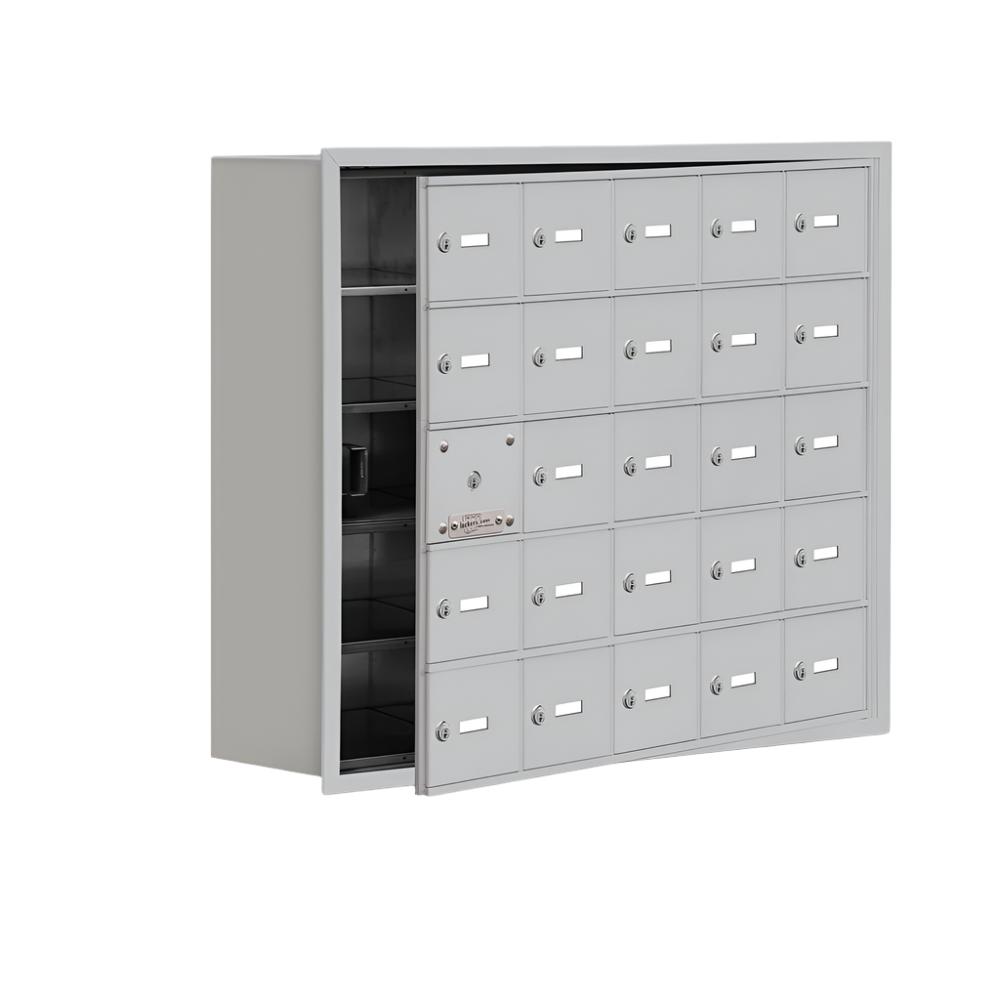
A business safe has a different job than a home safe. At home the threat is primarily burglary and fire. At a business you also have to account for internal theft, cash-handling procedures, compliance requirements, and the reality that multiple employees may need access at different times. Secure Zoned carries business safes across every commercial use case, from a single drop slot for a quick-serve restaurant to a heavy-gauge floor safe for a jewelry store.
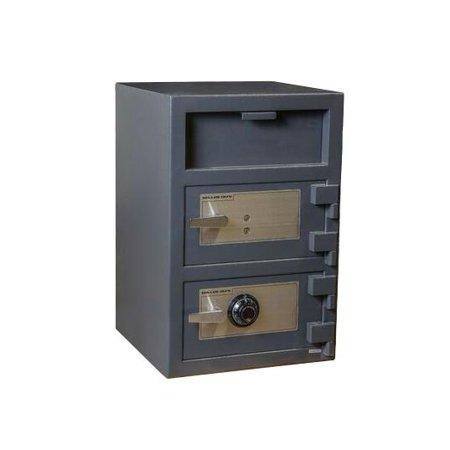
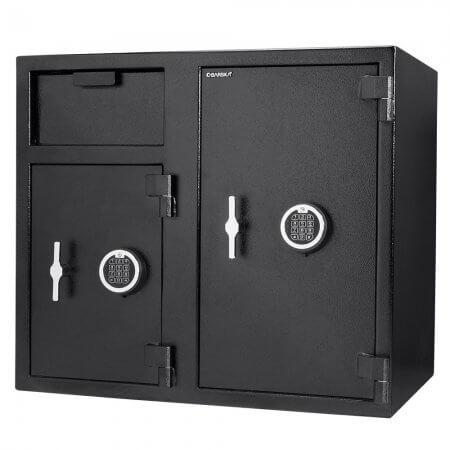
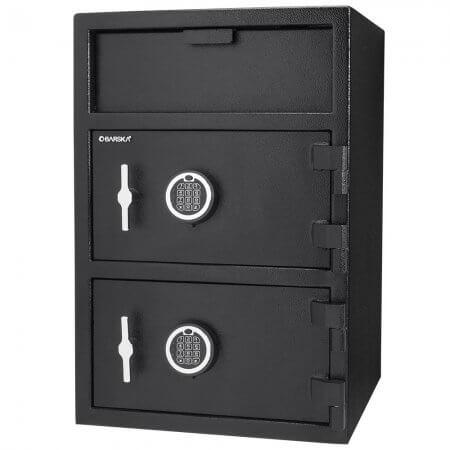
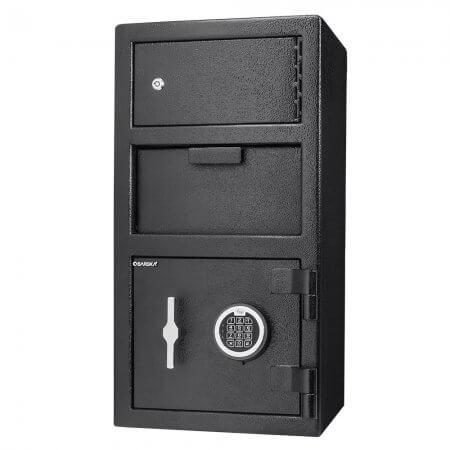
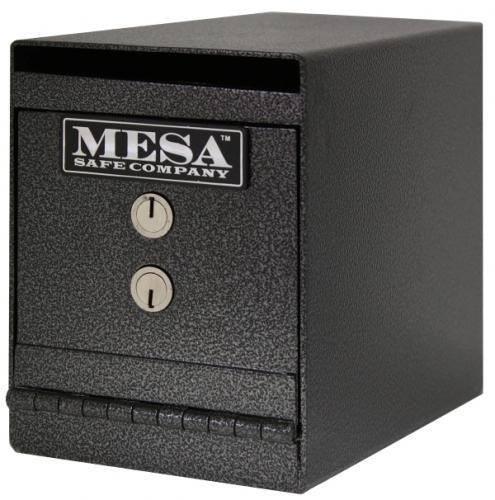
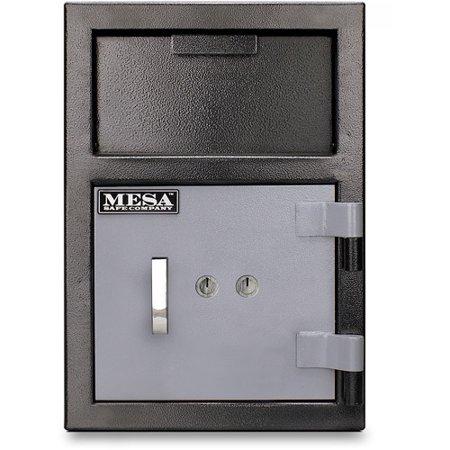
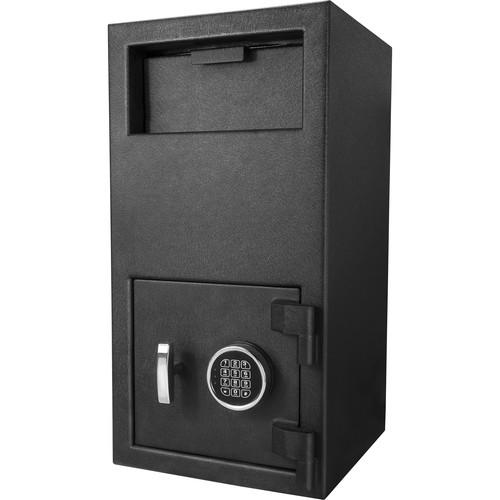
The most common commercial safe categories are cash management safes, depository safes, fire-rated document safes, and floor or wall units for valuables. A cash management safe with a drop slot lets employees deposit at the end of each shift without opening the main compartment, which limits exposure even if the front-of-house staff is compromised. Depository safes with time-delay locks add another layer: even a manager who knows the combination cannot open the safe for a set delay window, which makes the safe unattractive to a robber working under a time constraint.
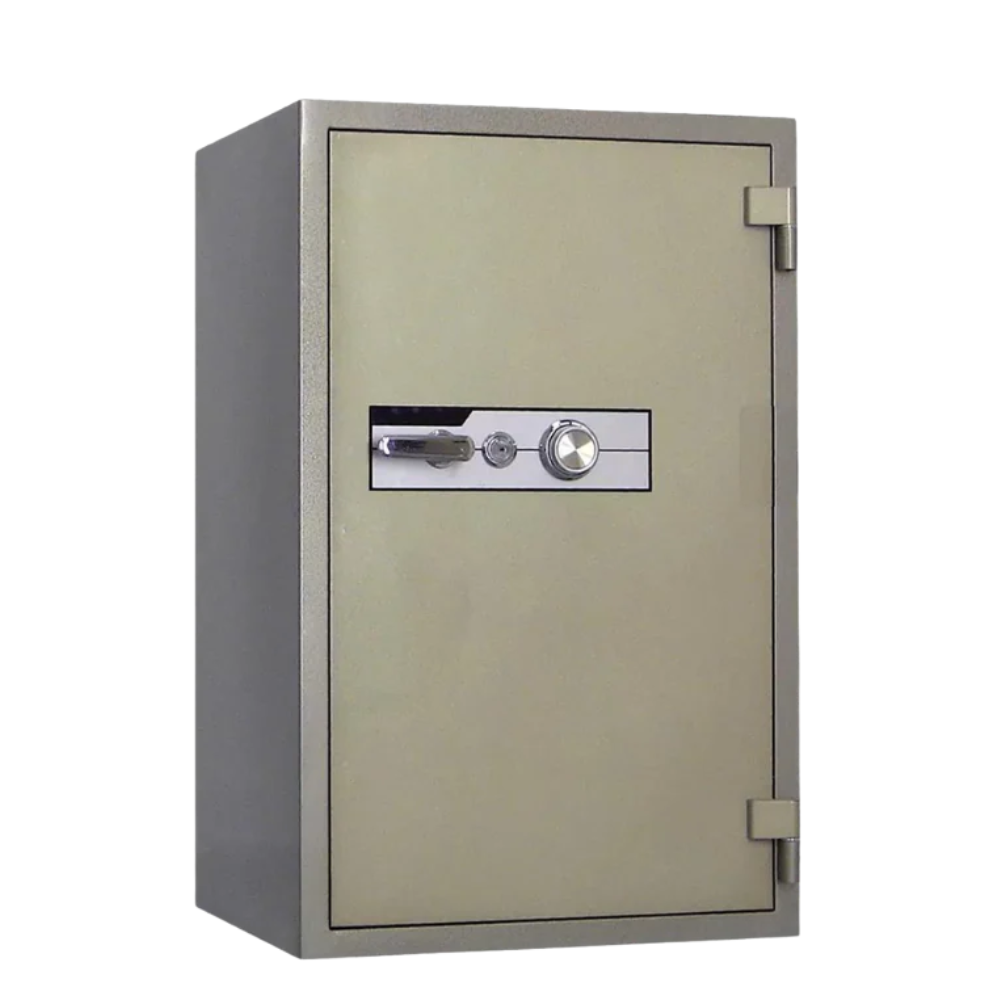
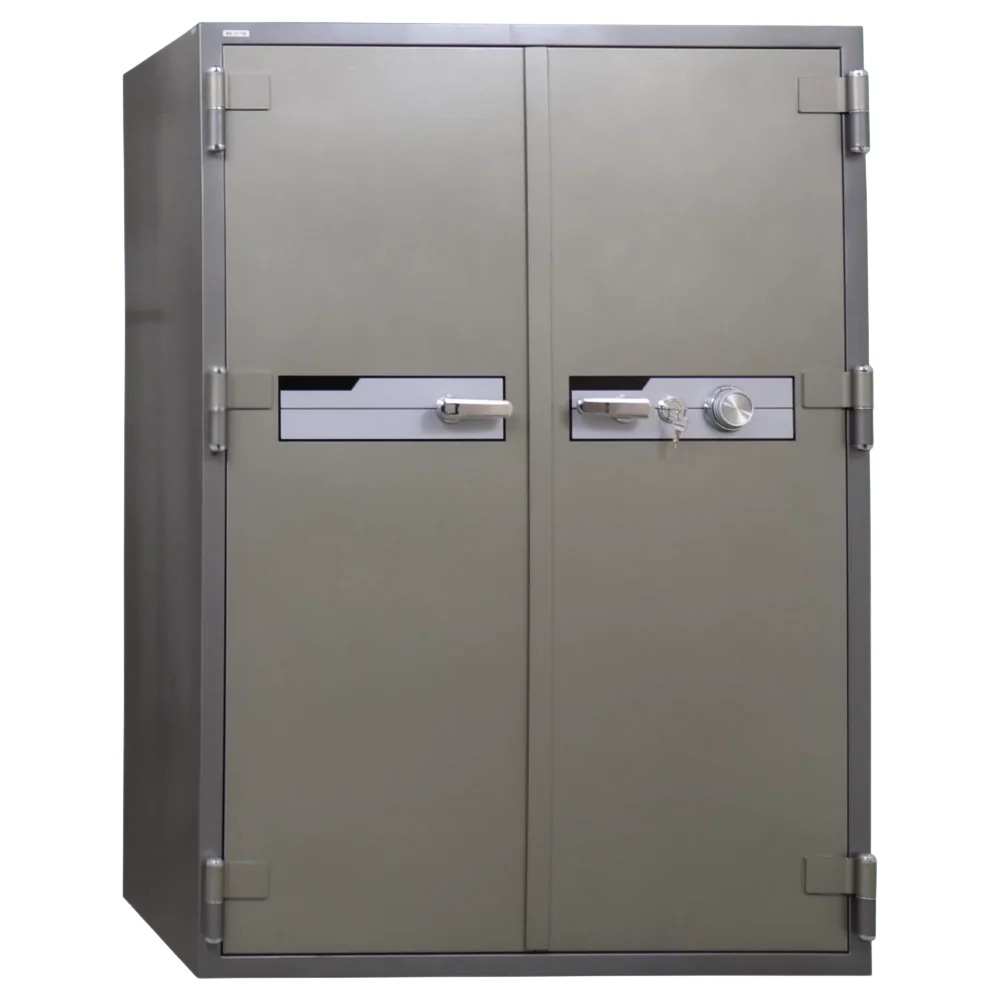
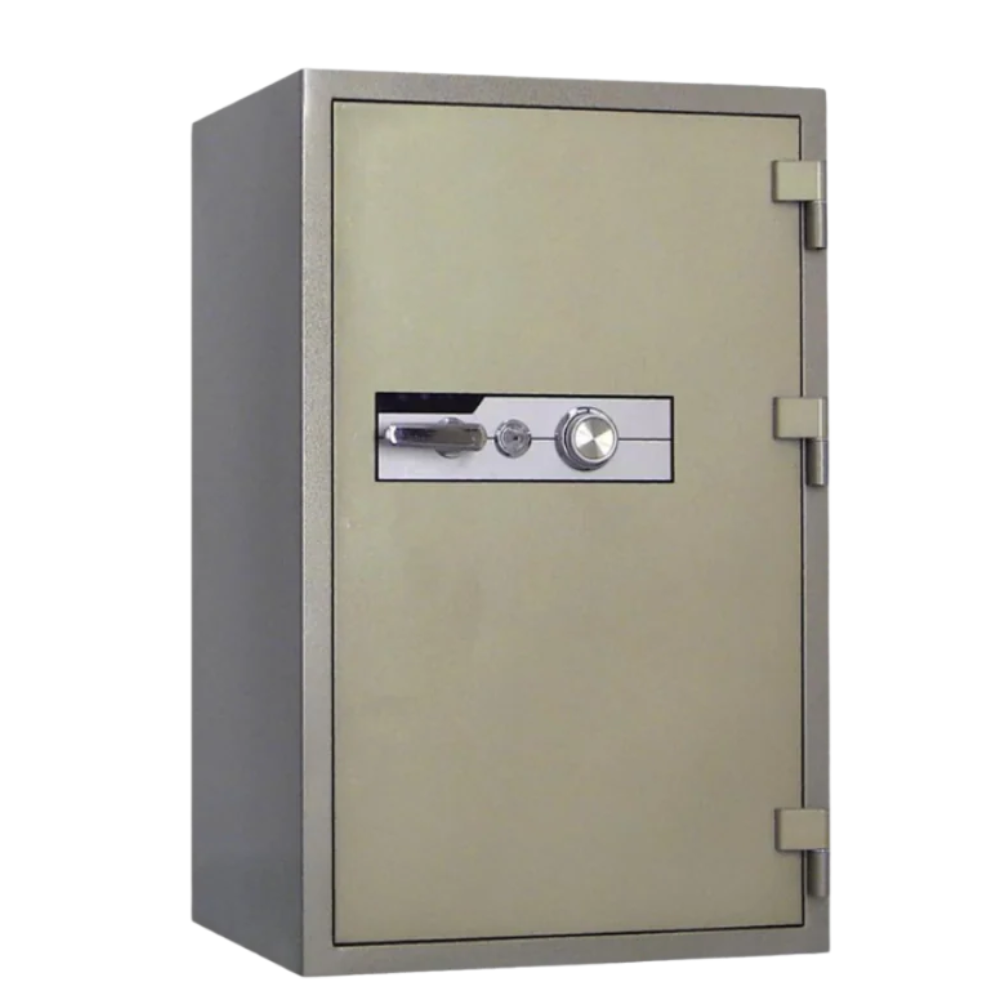
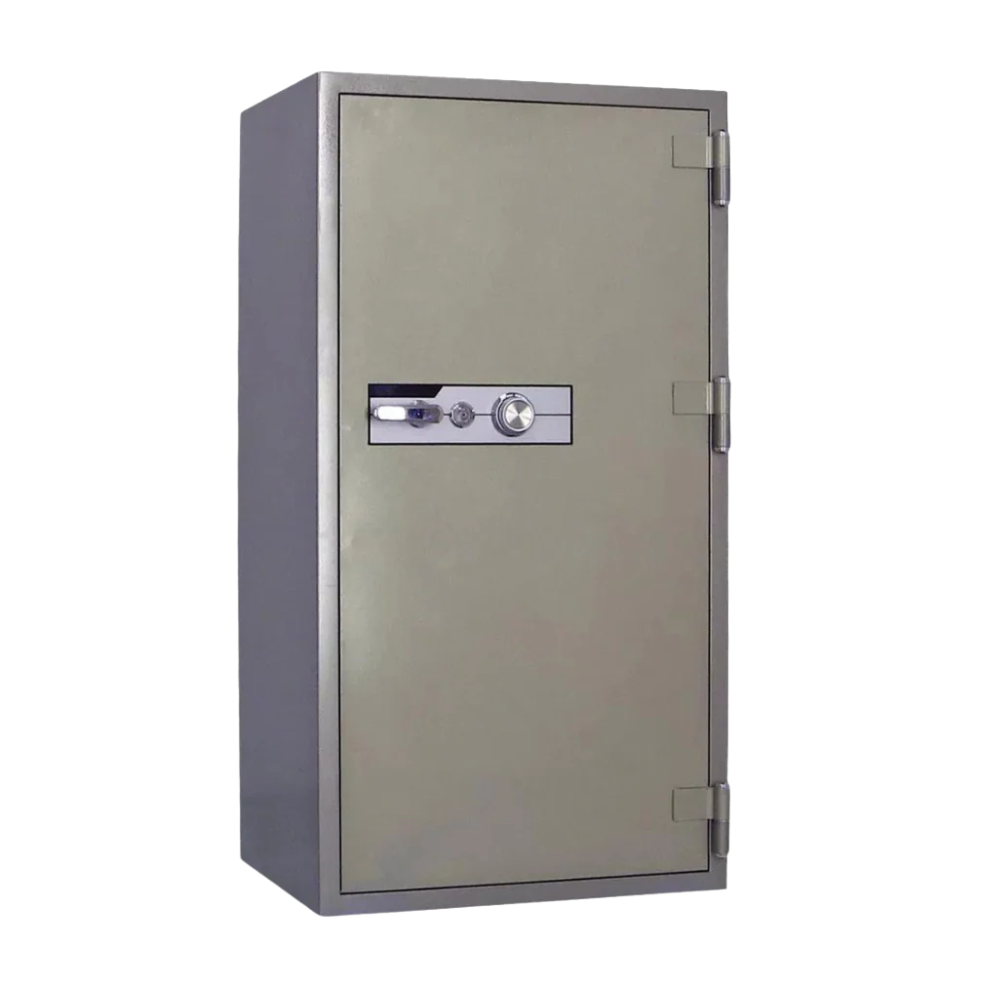
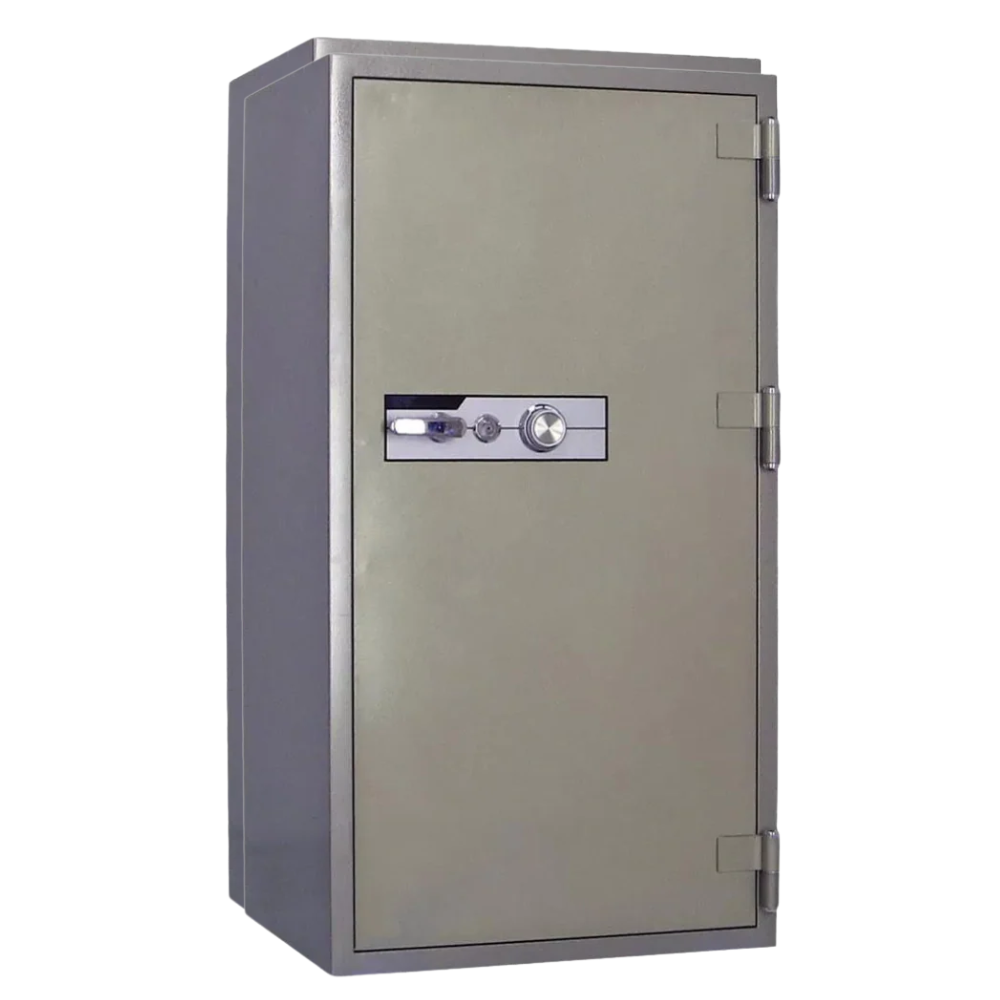
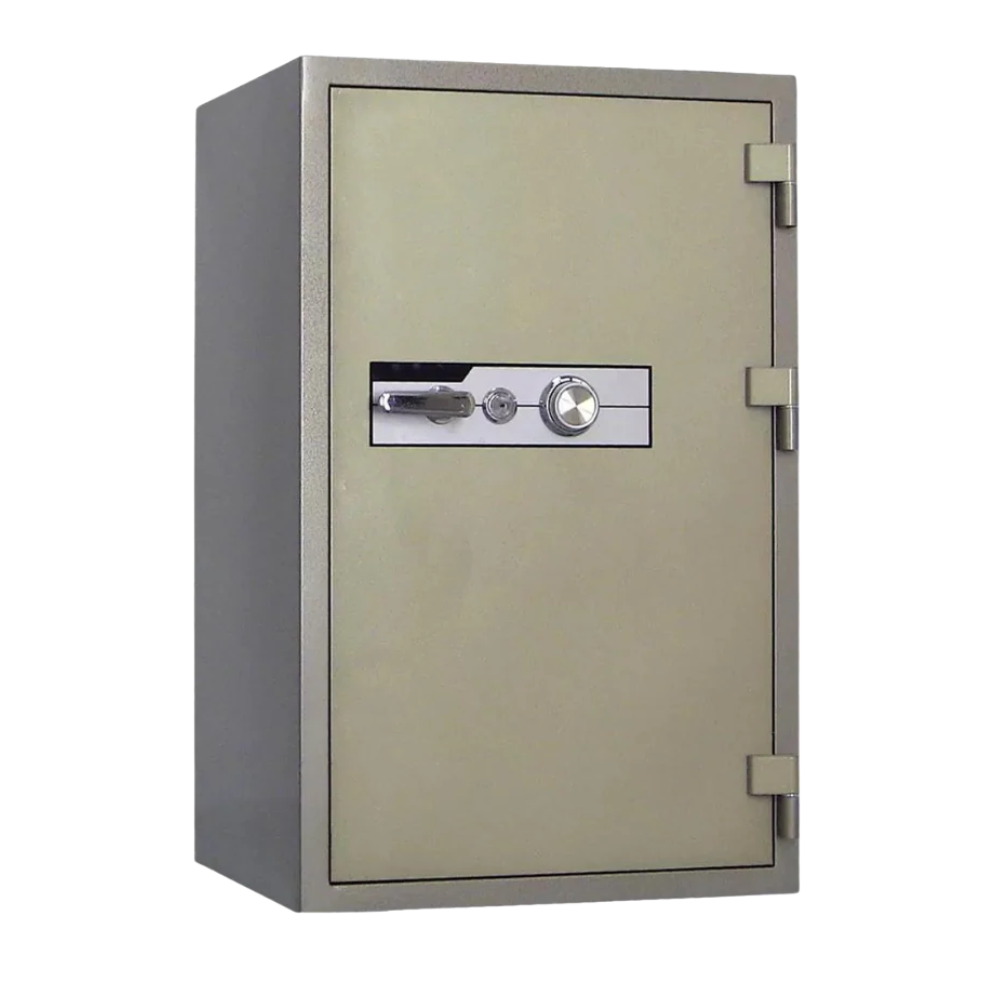
For document protection, the key spec is UL fire rating at the paper threshold. Paper ignites at 451 degrees Fahrenheit, so a safe rated to keep interior temperature below 350 degrees during a 1-hour or 2-hour fire test is the right baseline. Digital media and hard drives need a lower threshold (125 degrees internal), so if you are protecting backups or USB drives alongside paper, look for a media-rated safe or store electronics in a separate media-rated drawer inside a larger fire safe.
Business Safe Types by Use Case
| Safe Type |
Best For |
Key Feature |
| Depository / Drop Safe |
Restaurants, retail, gas stations |
Drop slot, time-delay lock option |
| Floor Safe |
Jewelry, pawn, high-value retail |
Concealed in concrete, UL TL-rated options |
| Fire-Rated Document Safe |
Law offices, medical, accounting |
UL 1-2 hour fire label, large file capacity |
| Hotel In-Room Safe |
Hotels, vacation rentals |
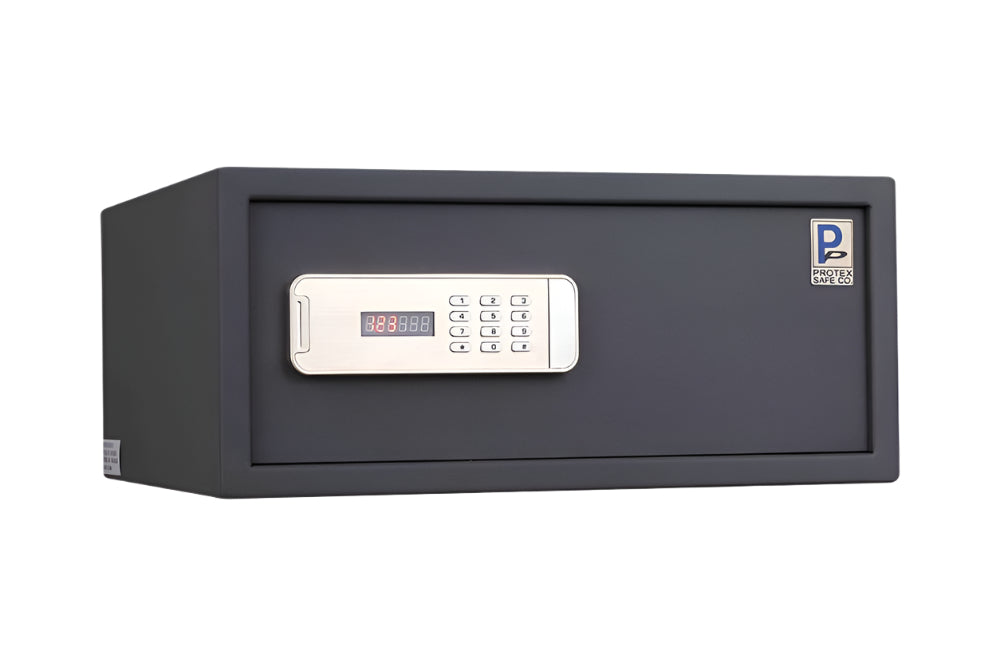
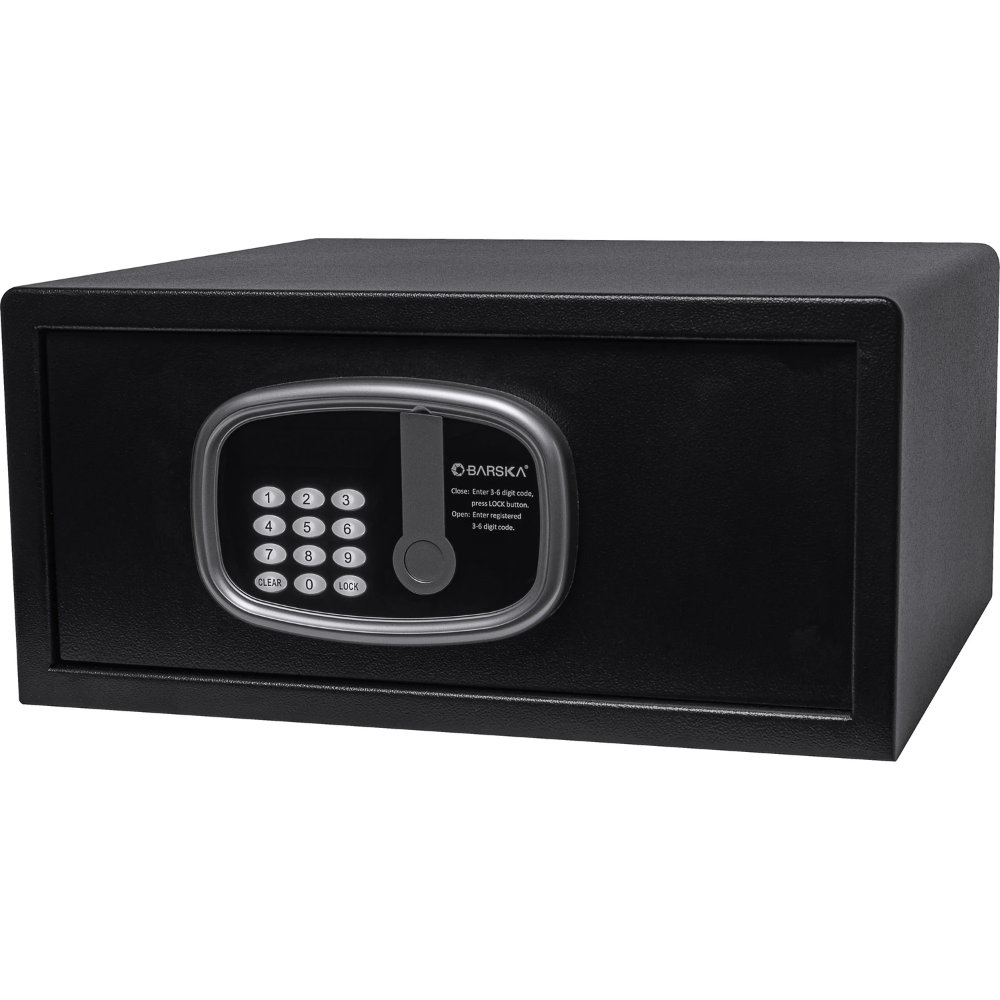
Master override, audit trail, laptop size |
| Pharmacy / Narcotics Safe |
Pharmacies, medical facilities |
DEA-compliant, heavy-gauge, audit log |
What is a time-delay lock on a business safe?
A time-delay lock requires a waiting period between entering the correct combination and the safe actually opening. Delays are typically set between 1 and 99 minutes. The practical effect is that a robber who forces an employee to open the safe at gunpoint cannot walk out quickly -- the safe will not open until the delay expires. Most commercial insurance carriers offer premium reductions for safes with verified time-delay locks, so the feature often pays for itself over time.
Does my business safe need a UL rating?
UL ratings matter for two reasons: insurance and verified performance. Many commercial insurance policies require a UL-listed safe to qualify for coverage of the contents. A UL TL-15 or TL-30 rating means a team of testers attacked the safe for 15 or 30 minutes with common burglary tools and could not gain entry. For cash management the minimum to ask about is UL RSC (Residential Security Container) or TL-15. For high-value inventory or a large cash business, TL-30 is the practical standard.
How do I choose between a floor safe and a freestanding business safe?
A floor safe installed in concrete is nearly impossible to remove, which is the strongest physical deterrent available. The tradeoff is that you give up flexibility -- the safe stays put even if your business moves. Freestanding safes can be anchored to the floor with bolts through the interior base, which is nearly as secure for most threat profiles. If you own your building and expect to stay for years, a floor safe makes sense. If you lease or may relocate, a heavy freestanding safe bolted to the slab is the more practical choice.