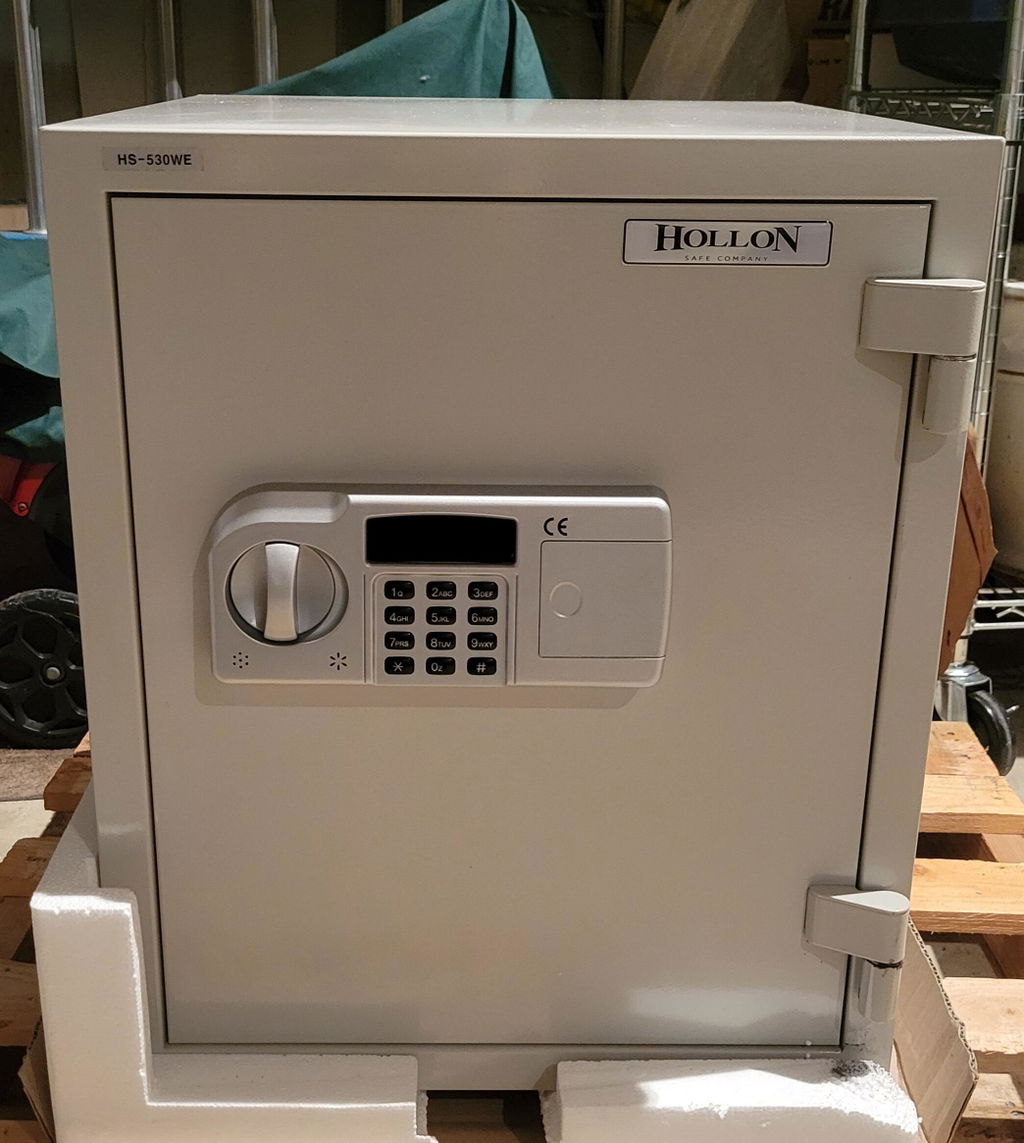
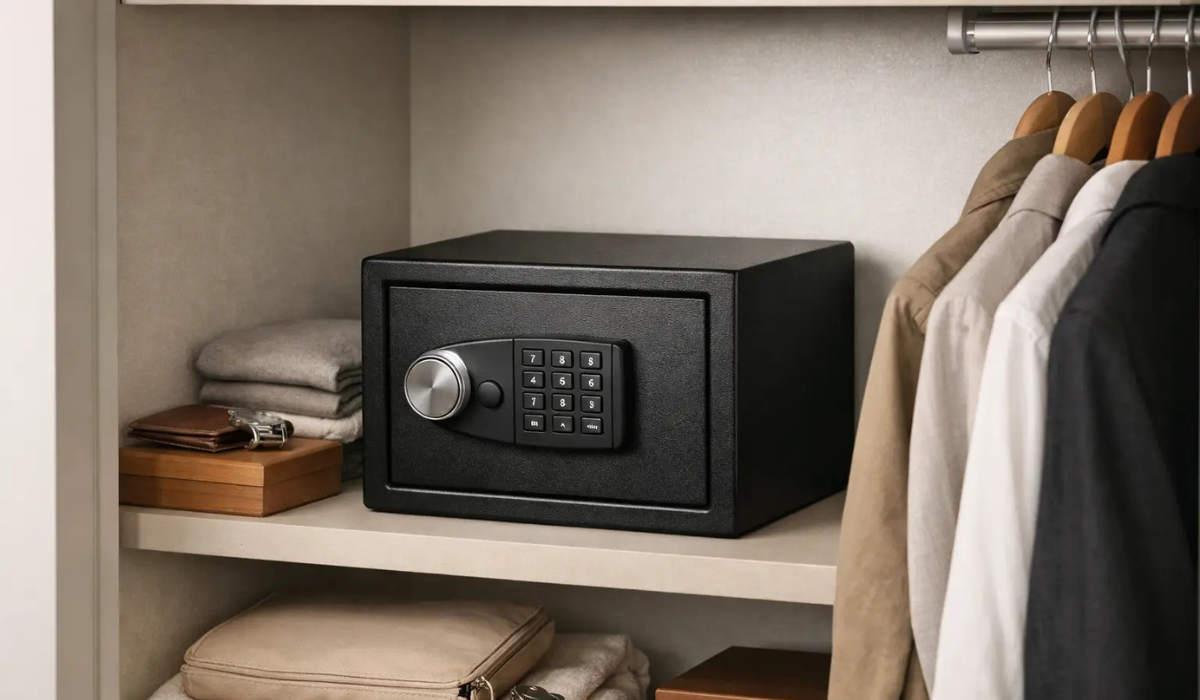
If your plan is to tuck a small safe for apartment closet storage behind hanging clothes and forget about it, the details matter more than the footprint. Apartment living changes the equation. You usually have less space, fewer installation options, shared walls, and a stronger need to keep valuables out of casual sight without turning your closet into a construction project.
That is why the best choice is rarely the smallest box you can find. A good apartment closet safe needs to fit the space, yes, but it also needs enough weight, steel, and anchoring capability to resist a quick grab-and-go theft. If you want fire protection for passports, cash, backup drives, jewelry, or a handgun, that adds another layer to the decision.
What makes a small safe for apartment closet use work
A closet safe has a different job than a bedside safe or a full-size home safe. In most apartments, the closet is about concealment first and security second. That means the safe should stay low-profile, fit cleanly on a shelf or floor, and avoid advertising itself every time the door opens.
But concealment is not security by itself. If a thief can carry the safe out in under a minute, the closet location did not solve much. For apartment use, the sweet spot is usually a compact safe that can be anchored to a solid surface, has a pry-resistant door, and offers enough internal space for the items you actually need to protect.
Size matters, but not in the way many buyers assume. Going too small can create frustration fast. Documents get folded, jewelry trays do not fit, and a handgun safe becomes unusable if you want to store anything else alongside it. Going too large creates its own problems, especially in shallow reach-in closets where door swing, shelf height, and flooring strength all come into play.
Start with what you need to protect
The right safe depends on your contents. If you are mainly protecting documents, cash, passports, birth certificates, and external hard drives, interior layout matters as much as outside dimensions. A compact fire-rated safe may be the better fit than a basic steel security box.
If the safe is for jewelry, watches, or small heirlooms, look for shelves or soft-lined interiors that help organize fragile items. If it is for a handgun, responsible storage changes the requirements again. You may need faster access, a different lock style, and a design that supports secure mounting without compromising readiness.
This is where buyers sometimes get tripped up. A small safe marketed as "personal" or "portable" may be fine for basic privacy, but not for meaningful burglary resistance. Thin steel, simple tubular locks, and very low weight are common in low-end models. For apartment use, especially if the safe will hold firearms or high-value items, it is worth stepping up to a better-built unit.
The closet measurement that matters most
Many people measure only width and height. In a closet, depth is often the dealbreaker. Between baseboards, bifold doors, hanging clothes, and shelf overhang, the usable space can be tighter than it looks.
Measure the exact spot where the safe will go, then leave room for door swing and lock access. A safe may technically fit the footprint but still be awkward to open if the door hits a wall, a shoe rack, or the closet frame. This is especially true for safes with thick doors or protruding keypad housings.
If you are placing it on a shelf, check the shelf's load capacity. Fire-rated safes and better burglary-resistant models can get heavy quickly, even in small sizes. On the closet floor, weight is usually less of an issue, but floor type matters for anchoring.
Fire protection versus burglary protection
This is one of the biggest trade-offs in a small safe for apartment closet placement. Fire protection and burglary resistance are related, but they are not the same thing.
A fire-rated safe is designed to insulate contents during high heat for a stated period, such as 30 minutes, 60 minutes, or longer at a specified temperature. That is important for documents, media, and sentimental items. But some fire safes are not especially strong against physical attack. On the other hand, a compact burglary safe with heavier steel and stronger bolts may offer less fire protection than you expected.
For many apartment buyers, a balanced model makes the most sense. If your main concern is personal papers and backup drives, prioritize verified fire performance. If your concern is theft of cash, jewelry, or a handgun, construction and anchoring deserve more attention. If you need both, expect the safe to weigh more and cost more. That trade-off is real.
Lock type matters more in daily use than on paper
The lock is not just a spec. It affects how often you use the safe properly.
Electronic keypad locks are popular because they are simple and quick. For a closet safe that you open regularly, they are often the easiest option. Good electronic locks are reliable, but they do depend on battery maintenance. That is not a major drawback if you check them routinely.
Mechanical dial locks are time-tested and do not rely on batteries, but they are slower. For long-term document or valuables storage, that may be perfectly fine. For faster access, most people prefer an electronic lock.
Biometric locks can be convenient, especially for handgun storage, but quality matters. Fingerprint access sounds great until a low-end scanner struggles with dry skin, dirty fingers, or inconsistent reads. In this category, the brand and lock quality matter more than the marketing.
Why anchoring is the make-or-break feature
For apartment use, anchoring is often the difference between a real security upgrade and an expensive metal box. A small safe is easier to hide, but it is also easier to remove unless it is secured.
The challenge is that apartment dwellers may not want to drill into concrete or make major modifications. That is understandable, but it means you should think carefully about placement. Closet floors with wood subfloors can sometimes support secure bolting. Some buyers anchor to a solid shelf structure or a platform, though that depends heavily on construction quality.
What you want is a safe with pre-drilled anchor holes and solid mounting hardware options. Even a determined thief wants speed. A properly anchored safe changes the situation from easy removal to noisy, time-consuming attack. That is a meaningful difference.
If your lease limits installation, it is still worth discussing temporary or low-visibility mounting options before giving up on anchoring altogether. This is one of those areas where practical guidance matters more than a generic product description.
Features worth paying for in a small apartment closet safe
Not every premium feature matters in this category, but a few are worth prioritizing. Better steel thickness, a recessed or pry-resistant door, live locking bolts, and a quality lock are all more meaningful than cosmetic extras. If fire protection matters, look closely at the tested rating rather than vague wording like "fire resistant."
Interior lighting, shelves, and soft-lined compartments can improve day-to-day use, especially for jewelry or documents, but they should come after the core security features. The same goes for finish and branding. In a closet, performance matters more than appearance.
Weight is also a feature, even if it is not marketed that way. All else equal, a heavier safe is harder to carry off and often reflects more substantial construction. Of course, heavy is only good if your space can handle it and you can still get it installed where you need it.
Common buying mistakes
The most common mistake is buying for the closet, not for the contents. A safe that fits perfectly but does not protect what matters is still the wrong safe.
The second mistake is treating all compact safes as equal. They are not. Two safes with similar dimensions can differ dramatically in steel thickness, lock quality, door construction, and fire protection.
The third mistake is underestimating installation. In an apartment, the best safe on paper can become a poor choice if it cannot be anchored or opened comfortably in the actual closet space. That is why dimensions, door clearance, and mounting options should be checked before you buy, not after delivery.
So what should most apartment buyers choose?
For most people, the best small safe for apartment closet use is a compact, anchor-ready model with a reliable electronic lock and enough room to avoid overpacking it on day one. If you are storing documents or irreplaceable items, add a verified fire rating. If you are storing valuables with higher theft risk, favor stronger steel and anti-pry construction.
You do not need a massive safe to make a real security improvement. You do need a safe that fits your space, matches your risks, and is built well enough that hiding it in a closet is only one part of the protection plan.
A good safe should make you feel more settled, not more uncertain. When the size, lock, rating, and installation plan all line up, your closet stops being just extra storage and starts doing what it should - protecting what matters most.