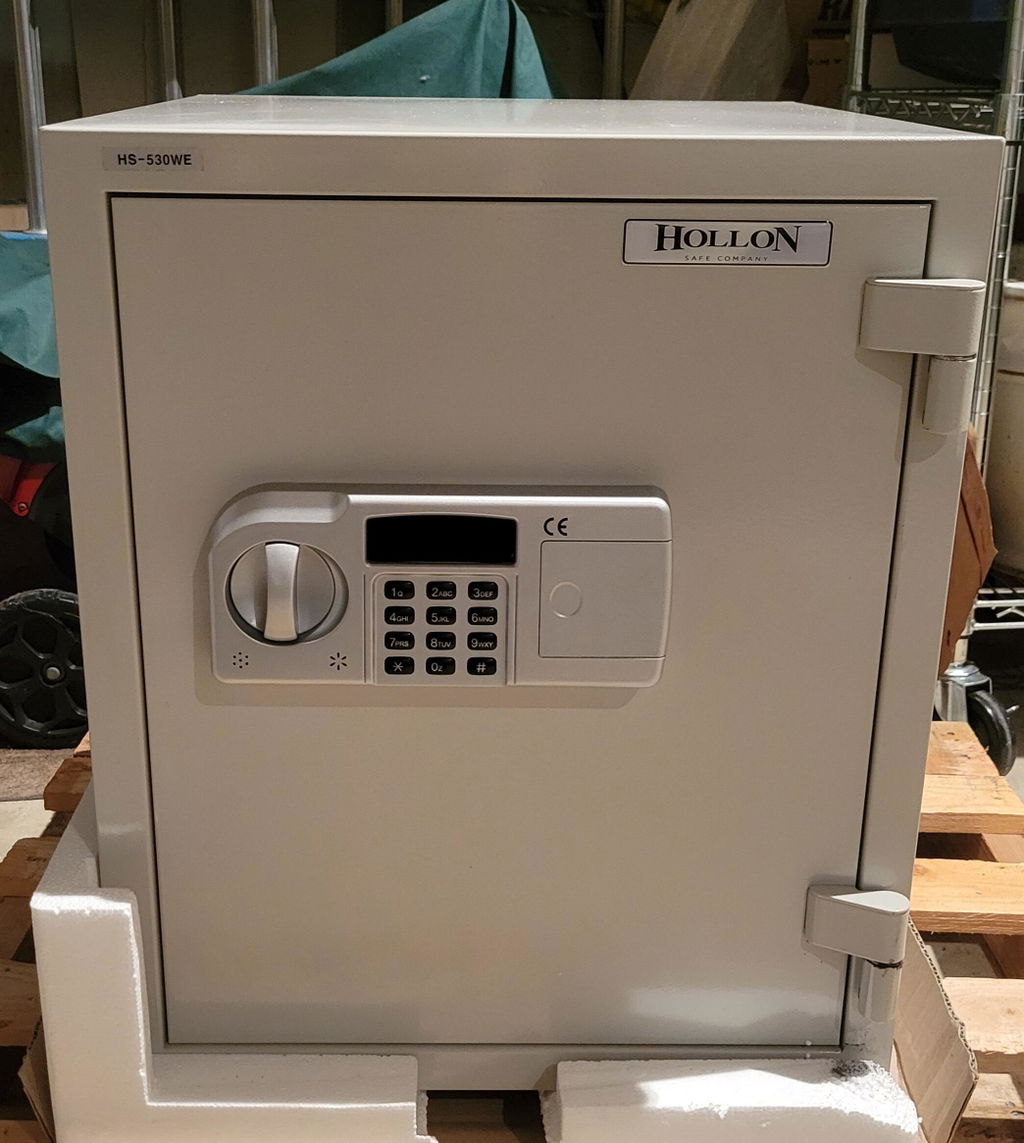
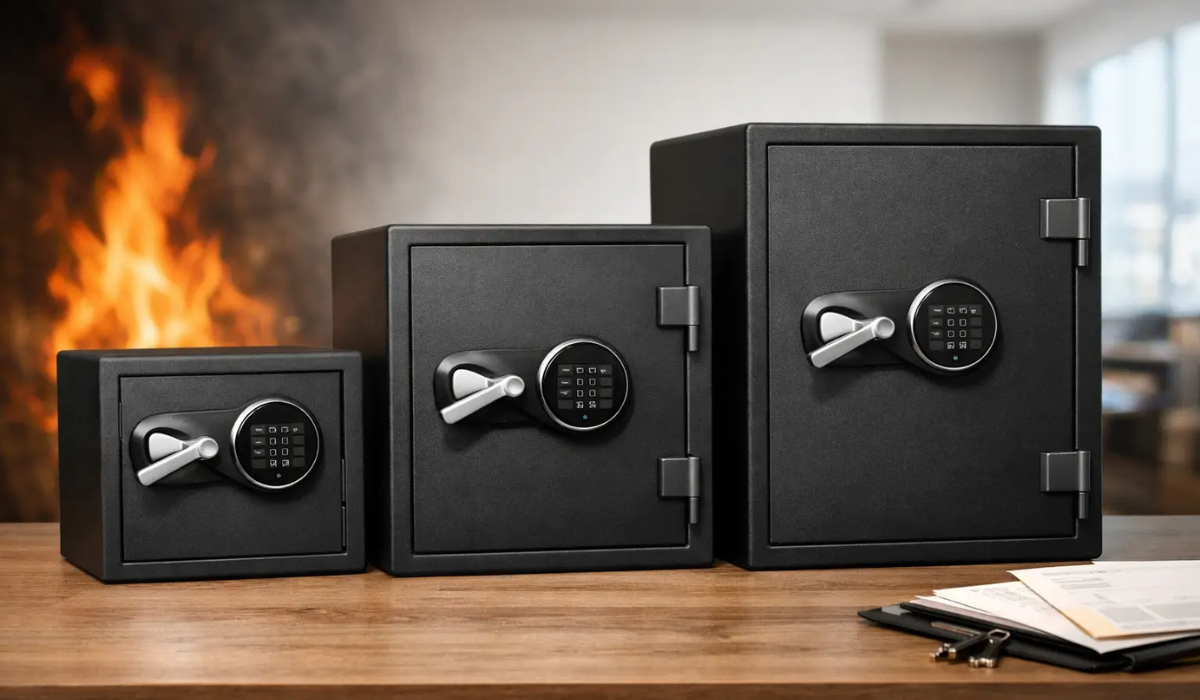
A safe that is too small creates a problem most buyers do not notice until after delivery: the items fit, but only barely. Important papers get stacked tightly, jewelry boxes do not sit flat, and there is no room for the next set of tax records, family photos, or inherited valuables. This fireproof safe capacity guide will help you choose interior space based on what you actually need to protect, not just a number on a product page.
For most homes, a little extra capacity is worth more than buying the smallest model that can hold today’s contents. For businesses, the right size also affects daily workflow - especially when employees need to deposit cash, store records, or access inventory without overfilling the safe.
Start With Usable Interior Capacity
Safe capacity is often listed in cubic feet, calculated from the interior height, width, and depth. It is a useful starting point, but it does not tell the full story. Shelves, door panels, locking bolts, drawers, and interior trim all reduce the practical space available for your belongings.
A 1.0-cubic-foot safe may sound generous for passports and legal documents, but it can fill quickly when you add a letter-size file organizer, a few document folders, jewelry cases, and a small amount of cash. Likewise, a large gun safe may have plenty of cubic footage while offering less usable shelf space once rifles, door organizers, and interior dividers are in place.
When comparing models, look at the listed interior dimensions, not exterior dimensions alone. Measure the items that are difficult to rearrange, such as a fireproof document box, a large jewelry case, a laptop, coin albums, or binders. Then leave clearance around those items so you can retrieve them without unpacking the entire safe.
A Simple Capacity Formula
Add the width, depth, and height requirements of your largest items, then account for the way they will be stored. A stack of paper may need only a few inches of height, while hanging folders require more vertical space. Jewelry trays need a flat surface. Digital media may require a separate interior container.
As a practical rule, plan to use no more than about 60 to 70 percent of a safe’s stated interior volume on day one. The remaining space gives you room to organize contents, add future records, and avoid cramming valuables against the door or shelves. If you expect your collection or document storage to grow, moving up one size is usually the better decision.
Fireproof Safe Capacity Guide by Use Case
The best capacity depends on the type of property you are protecting. A homeowner storing passports has different needs than a retailer handling daily deposits or a collector protecting jewelry and important records.
Important Documents and Family Records
For a basic home document safe, capacity needs can be modest at first. Passports, birth certificates, Social Security cards, property records, insurance policies, and a small amount of cash can fit in a compact fireproof safe. The challenge comes from full-size documents.
If you store letter-size or legal-size folders, confirm that the interior is wide and deep enough for them to lie flat. A safe can have adequate cubic footage but still be too narrow for a standard file folder. Buyers who want to keep tax records, estate documents, medical records, or multiple years of business paperwork should consider a model with file-ready dimensions or a fire-rated file cabinet.
For most households, a small safe around 0.5 to 1.0 cubic foot works for essential documents only. A 1.2- to 2.0-cubic-foot model provides more comfortable room for folders, binders, keepsakes, and a document organizer. If several family members will use the safe, capacity can disappear faster than expected.
Jewelry, Watches, and Small Valuables
Jewelry does not require much volume, but it does require orderly storage. Loose pieces can become tangled, scratched, or difficult to inventory. Consider the footprint of jewelry boxes, watch winders, trays, and small cases rather than estimating space by the items alone.
A compact burglary and fire safe may be sufficient for a few items, particularly when it is bolted down in a discreet location. A larger home safe makes more sense for collections, heirlooms, or valuables stored in protective cases. Adjustable shelves are especially useful here because they let you dedicate one level to documents and another to jewelry or small collectibles.
Cash, Business Records, and Daily Deposits
Business owners should think beyond total capacity. A depository safe is designed to accept cash drops or envelopes without opening the main compartment, which can improve cash-handling procedures. Its internal storage area must still be large enough for the volume of deposits collected between scheduled pickups.
A restaurant, retail shop, hotel, or office that makes several deposits each day may outgrow a small drop safe quickly. Estimate your busiest day, not your average day, and include the space taken by deposit bags, envelopes, checks, and bundled currency. If the safe will hold backup paperwork, keys, or other operational items, add capacity for those as well.
For records that must remain accessible and protected from fire, a fire-rated filing cabinet may be more efficient than stacking boxes inside a standard safe. It offers organized storage and avoids wasting vertical safe space on bulky file containers.
Digital Media and Backup Drives
Paper and digital media do not have the same heat tolerance. A fire rating that protects paper documents may not provide adequate protection for external hard drives, USB drives, DVDs, or other sensitive media. Heat, humidity, and water used during firefighting can all damage electronics.
Capacity planning for media should include a media-rated interior container or a safe specifically rated for digital media. Do not assume a small hard drive means you only need a small safe. The protective container, power cords, backup drives, and any organized storage cases take up more room than the devices themselves.
Do Not Confuse Capacity With Protection Level
A larger safe is not automatically more secure or more fire-resistant. Capacity and protection are separate buying decisions. A roomy safe with a short fire rating may be the wrong choice for irreplaceable records, while a highly fire-resistant safe with limited burglary protection may not suit high-value jewelry or cash.
Review the fire rating carefully. Ratings commonly state a time period and test temperature, such as 60 minutes at a specified temperature. The rating should be evaluated alongside the materials you are storing and the likely fire risk at the installation location. A garage, workshop, or business stockroom may call for different protection than an interior closet.
Burglary resistance matters too. Look at construction details such as steel thickness, locking bolts, bolt-down capability, relockers, and the lock type. For substantial cash or high-value collections, a burglary-rated safe, including TL-rated options where appropriate, may be more important than additional cubic feet.
Plan for Shelves, Door Storage, and Access
Interior layouts change the way a safe feels in daily use. Adjustable shelves make it easier to accommodate binders, document boxes, and items of different heights. Door pockets and organizers can free up shelf space, but remember that they extend into the interior when the door closes.
Think about how often you will access the contents. A safe for emergency documents can be more densely packed than one used every day. For frequently accessed business items, leave a clear working area and avoid stacking deposits or supplies behind one another. For firearms, preserve enough room to remove and return each firearm safely without forcing it past other stored items.
Also measure the installation path before choosing a larger model. Verify doorways, stair turns, elevator limits, and the final location. Fireproof safes are heavy, and added capacity often means a significant increase in weight. Confirm that the floor can support the safe and that the chosen location allows secure anchoring when the model is designed to be bolted down.
Leave Room for What You Cannot Predict Yet
The right fireproof safe is rarely sized only for what you own this month. Families add records, businesses accumulate paperwork, and valuables often grow through purchases, gifts, and inheritances. Choosing a safe with sensible expansion room helps keep protected items organized and easy to reach when they matter most.
If you are between two sizes, compare the interior dimensions, fire rating, weight, and burglary features before deciding. A slightly larger safe with the right protection level can serve your household or business for years, while a cramped safe often becomes an expensive temporary solution.