When a buyer asks for a gun safe lock comparison, they usually are not asking about abstract features. They are asking a real-world question: if you need secure storage every day, and possibly fast access under stress, which lock gives you the best balance of security, reliability, and speed?
That answer depends on how the safe will be used. A full-size rifle safe in a climate-controlled room has different demands than a bedside handgun safe. A collector may prioritize long-term dependability and lower maintenance, while a family with a defensive firearm may care more about quick access and simple operation in the dark. Lock type matters because it changes not only how you open the safe, but also how you live with it.
Gun safe lock comparison by lock type
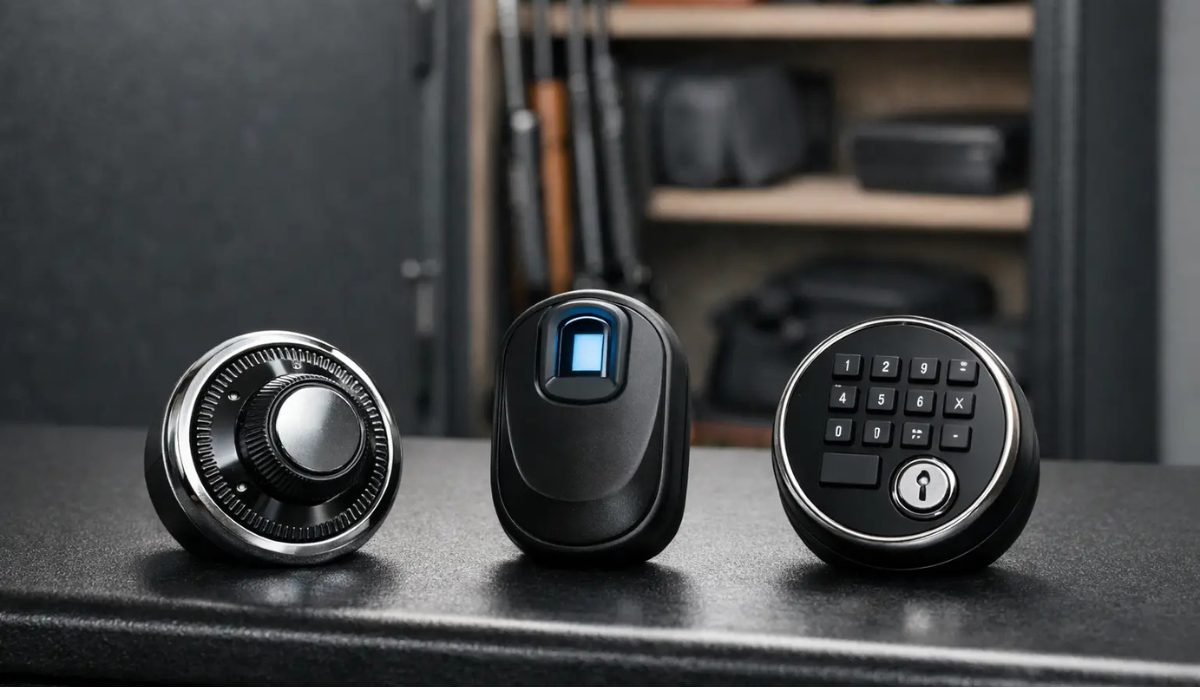
Most gun safes fall into four lock categories: mechanical dial, electronic keypad, biometric, and key-operated locks. Each one has strengths. Each one also has trade-offs that are easy to gloss over until the safe is already installed.
Mechanical dial locks
The traditional dial lock remains popular for a reason. It does not rely on batteries, software, or electronic components. On a long ownership timeline, that simplicity has value. For many buyers, especially those choosing a larger gun safe for long guns, documents, and valuables, a dial lock is still one of the most dependable options.
The trade-off is speed. Dialing a combination takes more time, more concentration, and more light. It is not the lock most people want for immediate access at 2 a.m. It also has a learning curve. If multiple people in the household need access, not everyone will feel equally comfortable with the process.
From a service standpoint, dial locks tend to appeal to buyers who want lower maintenance and fewer electronic failure points. If access speed is secondary to stable, long-term operation, this lock type deserves serious consideration.
Electronic keypad locks
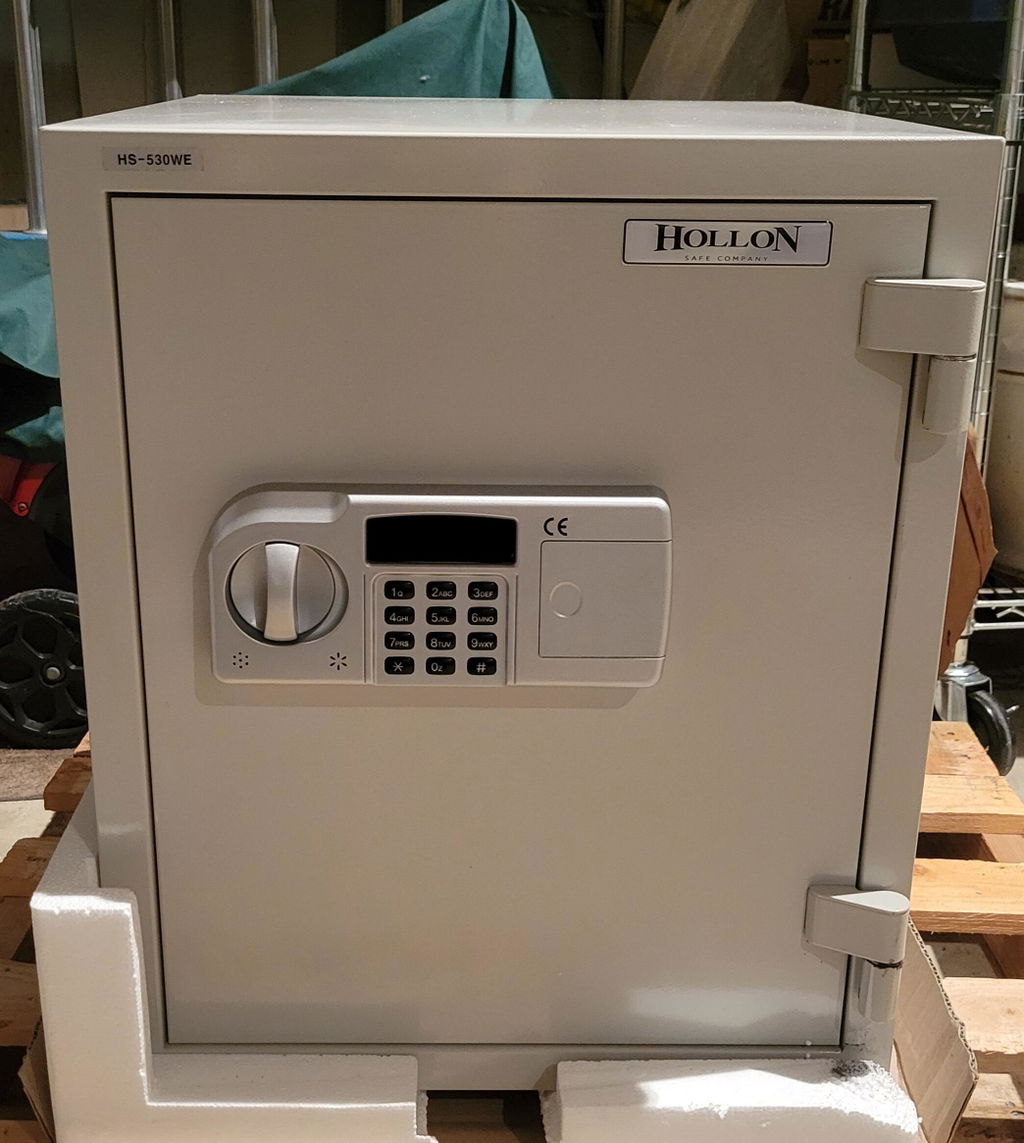
Electronic keypad locks are often the most practical middle ground. They are faster than dial locks, easier to use in daily life, and common across many gun safe categories. For a homeowner who opens the safe regularly, a keypad often feels like the easiest transition from basic storage to secure, controlled access.
They do, however, introduce battery dependence and electronic components. That does not make them unreliable by default. Many quality models use proven UL-listed lock systems and perform well for years. But batteries need to be monitored, codes need to be managed, and like any electronic system, quality matters.
This is where brand and build quality become more important than shoppers sometimes realize. A well-made safe with a quality electronic lock is a different purchase than a low-cost cabinet with minimal security features. In a practical buying decision, the lock should be judged alongside steel thickness, relockers, bolt work, and whether the safe can be properly anchored.
Biometric locks
Biometric locks are built around speed and convenience. On a handgun safe near the bed or in a closet, that can be a meaningful advantage. A registered fingerprint can open the safe quickly and with less fumbling than a combination or keypad, especially in low light.
The catch is that biometrics are highly dependent on sensor quality, user setup, and environmental conditions. Dry fingers, dirty sensors, inconsistent finger placement, and cheaper readers can all affect performance. That does not mean biometric safes are a poor choice. It means buyers should treat them realistically.
For quick-access storage, biometric safes often work best when they also include a backup access method such as a keypad or override key. That layered approach is more practical than assuming the fingerprint reader alone will solve every scenario perfectly.
Key locks
Simple key locks are common on smaller lock boxes and entry-level handgun safes. They are easy to understand and often inexpensive. For basic controlled storage, that simplicity can work.
But in most serious gun storage applications, key-only access is usually the least convenient and often the least desirable. Keys can be lost, copied, left in the wrong place, or accessed by the wrong person if not controlled carefully. For buyers focused on responsible firearm storage, a key lock is usually best viewed as a basic option rather than the strongest long-term solution.
What matters more than the lock alone
A lock is only one part of the security equation. In any honest gun safe lock comparison, the body of the safe matters just as much. A strong lock on a lightly built cabinet does not create the same protection as a quality lock on a properly constructed safe.
Look at steel thickness, door design, active bolt coverage, internal hinges versus external hinges, relockers, and anchoring capability. A safe that can be removed easily is a different risk than one that is bolted down correctly. For many residential buyers, anchoring is one of the most overlooked security upgrades.
Fire protection can also shape the decision. If the safe will store firearms alongside documents, cash, or media, the lock choice should be considered within the larger protection goal. Some buyers start by focusing only on access speed, then realize they also need fire resistance, interior organization, and space for future growth.
How to choose the right lock for your use case
For a bedside handgun safe
Speed and simplicity usually lead the conversation. Electronic keypad and biometric models tend to make the most sense here. The best choice depends on how comfortable you are with fingerprint access versus entering a code under stress.
If you want the fastest possible opening and are willing to maintain the reader and test it regularly, biometric can be a strong fit. If you want predictable performance with fewer variables, a keypad is often the safer bet. In either case, look for backup access and solid mounting capability.
For a full-size rifle or gun safe
This is where the decision often shifts toward durability and long-term ownership. Mechanical dial locks and electronic keypads are the most common choices. If the safe is primarily for secure storage rather than emergency access, a dial lock remains a strong option.
If you expect frequent use, an electronic lock usually makes daily access easier. Many buyers choose keypad locks because they reduce friction. That matters more than it sounds. A safe that is easier to use is more likely to be used consistently and properly.
For households with multiple authorized users
Electronic keypads are often easier to manage than dial locks, especially if more than one adult may need access. The ability to share a code is more practical than teaching consistent dial operation. Biometric systems can also work well for multiple users, but only if the fingerprint capacity and sensor quality are strong.
For low-maintenance ownership
Mechanical dial locks still have a clear edge. They are slower, but they avoid battery replacement and reduce the number of electronic parts that may eventually need service. For buyers who value straightforward dependability over convenience, that trade-off is often worth it.
A realistic gun safe lock comparison for reliability
Reliability is not just about whether a lock works when new. It is about whether it keeps working after years of normal use. Mechanical dial locks generally score well here because of their simplicity. Electronic keypads can also be highly reliable when sourced from reputable manufacturers, but they require more attention. Biometric locks vary the most because reader quality and real-world use conditions vary the most.
That is why the smart buying question is not, which lock is best overall? It is, which lock is best for this safe, this room, this user, and this access pattern?
A handgun safe used daily benefits from different priorities than a large safe opened once a month. A family home with children may place a premium on fast, controlled access for adults while still maintaining strict unauthorized-access protection. A collector storing several long guns may prioritize secure storage, interior layout, and proven lock longevity.
Where buyers get stuck
Many shoppers overcorrect in one direction. They either chase maximum speed and ignore build quality, or they focus so much on old-school dependability that they choose a lock that becomes frustrating to use. Both mistakes can create problems.
The better approach is balanced. Match the lock to the use case, then confirm the safe itself supports the level of protection you need. If you are comparing options across different sizes and brands, look closely at the lock type, fire rating, steel construction, anchoring features, and whether the model is designed for quick access or long-term storage. If you need help sorting through those trade-offs, Secure Zoned carries a wide range of gun safes and security options with support that helps narrow the field based on actual use, not guesswork.
The right lock is the one that fits your routine well enough that secure storage becomes automatic, not a chore. That is usually the choice that protects what matters most for years, not just on day one.