
If you close out a register, count a weekend deposit, or keep emergency cash at home, you already know the real question is not whether cash needs protection. It is how to store cash overnight in a way that lowers theft risk, limits access, and still makes sense for your routine.
The answer depends on where the cash is, how much you keep on hand, who needs access, and how much delay is acceptable when you need it again. A restaurant handling nightly drops has different needs than a homeowner with emergency funds in small bills. What works for one can be a weak point for the other.
How to store cash overnight without creating easy targets
The biggest mistake is treating cash like any other household or office item. A desk drawer, filing cabinet, closet shelf, or lockbox may feel hidden, but most theft is opportunistic. Thieves tend to check predictable spots first, and lightweight containers are often removed entirely and opened elsewhere.
A better approach is to think in layers. The cash should be inside a real safe, the safe should be difficult to move, and access should be limited to the right people. That combination matters more than any single feature on its own.
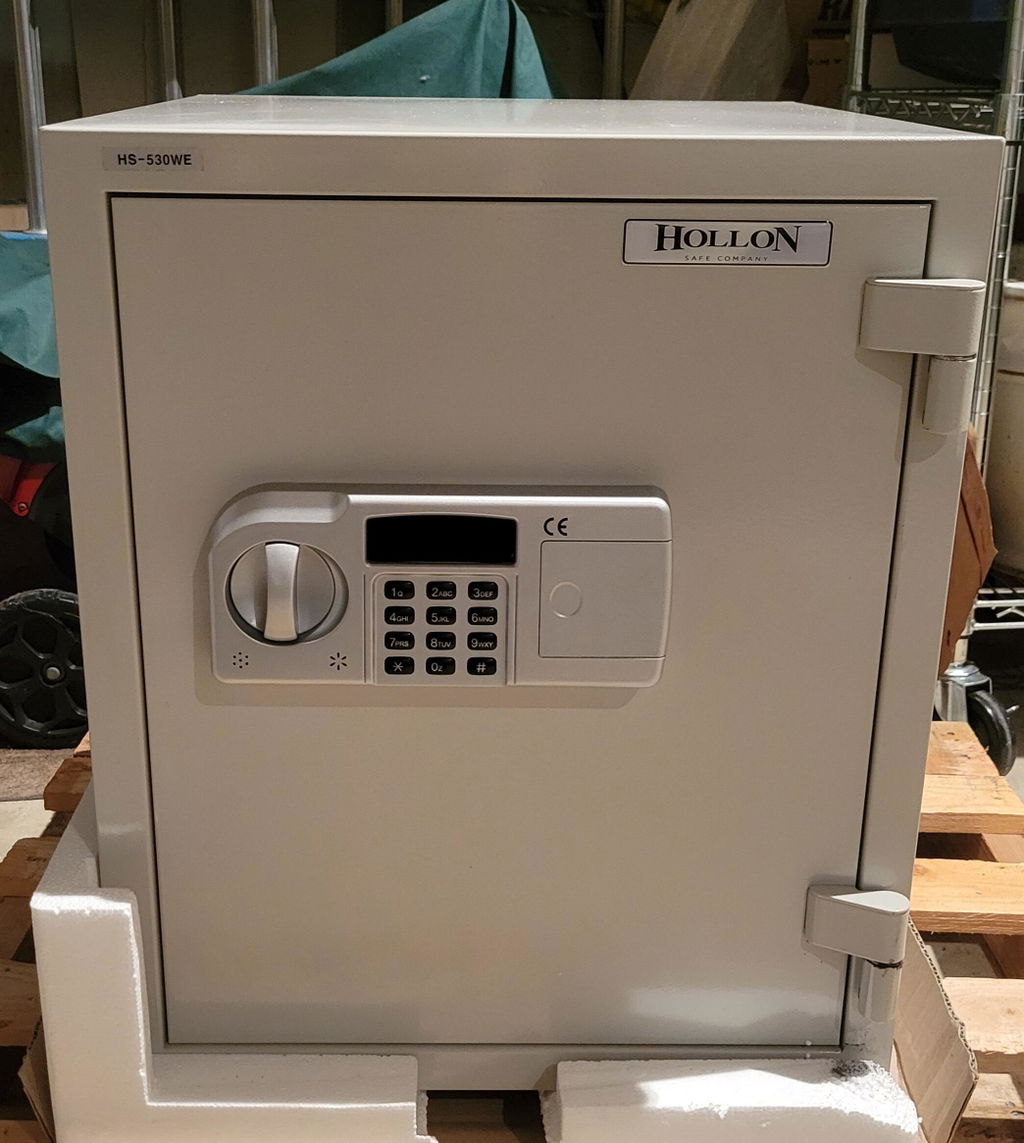
For small amounts of cash at home, a compact burglary-rated or well-built fire-resistant safe can be enough if it is anchored properly and placed discreetly. For a business that handles regular cash flow, a depository safe is usually the more practical choice because it allows drops without giving every employee full access to the contents.
That is where many buyers get tripped up. They focus on the lock and overlook the body construction, bolt work, steel thickness, and mounting options. A keypad is convenient, but convenience is not the same thing as security.
The safest place to keep cash overnight
In most cases, the safest place to keep cash overnight is in an anchored safe designed for the amount of cash risk involved.
At home, that often means a safe installed in a low-visibility area, away from the primary bedroom closet. The main bedroom is one of the first places burglars check. If the safe is in a utility area, office, or another less obvious location and bolted to concrete or substantial framing, you are already making the thief work harder and burn more time.
For a business, placement should support both security and routine. A depository safe near the cash handling area can reduce exposure during closeout, but it should not be visible from customer areas or easy to access during a rushed moment. If you need manager-only retrieval, a dual-compartment or rotary hopper depository model can make that much cleaner.
The right location also depends on environmental risk. If the cash is stored alongside documents, backup drives, or passports, a fire-rated safe may make more sense than a basic burglary container. If flooding is a concern, elevation and water resistance matter too. Security is never just about break-ins.
Home cash storage vs. business cash storage
A homeowner usually cares about concealment, fast access, and protection from both burglary and fire. A business owner usually cares more about controlled access, employee accountability, and secure deposits during shift changes.
That difference changes the safe you should buy. A home user might prefer a compact floor safe, in-wall safe, or small composite safe for emergency cash. A retail store, bar, hotel, or restaurant is often better served by a true depository safe with anti-fishing features and a separate lower compartment.
Trying to force one setup to do both jobs usually creates compromises. A home safe without drop capability is awkward in a cash business. A business depository safe may be overbuilt for a homeowner with a modest emergency fund and no daily handling needs.
What kind of safe works best for overnight cash
If you are choosing a safe specifically for overnight cash, the best option usually falls into one of three categories.
A compact home or office safe works for smaller amounts and lower traffic. This can be a reasonable fit for emergency cash, side-hustle income, or a small office that only holds limited funds overnight. Look for solid steel construction, reliable bolt work, and pre-drilled anchor holes. Weight helps, but anchoring matters more.
A depository safe is the standard choice for businesses that need to make frequent drops. These safes let employees deposit cash through a slot, drawer, or hopper without opening the main storage area. That reduces internal risk and shortens the time cash is exposed during closing procedures.
A higher-security burglary safe or TL-rated safe may be worth considering when cash amounts are consistently significant. That is not necessary for everyone, but once overnight cash reaches levels that would make your business a high-value target, entry-level protection may stop being enough. At that point, the conversation shifts from simple storage to real burglary resistance.
Features that matter more than people think
Lock type matters, but it is only part of the picture. A UL-listed lock, whether electronic or mechanical, is a strong sign that the lock itself meets a recognized standard. That said, even a good lock cannot make up for weak steel, poor bolt engagement, or a safe that is never anchored.
Relockers are another useful feature. If someone tries to punch or attack the lock, a relocker can trigger and keep the safe secured. Anti-fish baffles are important on depository safes because they help prevent someone from retrieving contents through the drop opening. For business use, that feature is not optional.
Fire protection can also be worth paying for if the safe is doing double duty. Cash may be replaceable in one sense, but many people also keep receipts, ledgers, hard drives, and legal papers with it. A fire rating gives you another layer of protection, though it usually adds weight and cost.
Common mistakes when storing cash overnight
One of the most common mistakes is using a cheap lockbox and calling it done. If it can be picked up with one hand, it is not a serious overnight cash solution.
Another mistake is giving too many people access. In a business, every extra code holder increases risk. In a home, telling friends, contractors, or extended family where the emergency cash lives defeats the point of securing it. The fewer people who know, the better.
Poor placement is another issue. A visible safe can still be secure if it is heavy, anchored, and well rated, but most buyers are better off keeping the safe out of plain sight. Hidden does not replace strong, but hidden and strong is better than either one alone.
Then there is the habit of holding too much cash overnight. Sometimes the safest answer is not a bigger safe. It is changing the process so less cash stays on site. More frequent bank drops, cash pickups, or lower till limits can reduce your exposure before the safe even enters the conversation.
How much safe is enough
This is where trade-offs matter. If you keep a few hundred dollars in emergency cash at home, you probably do not need a commercial depository safe or a TL-rated unit. You do need something more serious than a document box.
If your store regularly leaves several thousand dollars overnight, the threshold changes. You should be looking at heavier construction, deposit functionality, better anchoring, and possibly burglary ratings that reflect the real risk. The safe should fit the value being protected, not just the available floor space.
It is also smart to think one step ahead. Many buyers choose a safe based on what they hold today, then outgrow it quickly. If cash volume is rising or you plan to store more than cash, buying slightly above your current need can save frustration later.
A practical overnight cash routine
The safest setup is part hardware, part habit. Count cash in a controlled area, keep exposure time short, deposit it into the safe immediately, and verify that the safe is locked before closing. In a business, access logs and code changes should be part of the routine, especially after staffing changes.
At home, keep the process simple enough that you will actually follow it. If the safe is too inconvenient, people start cutting corners. The right safe should be secure, but it should also fit the way you live or work.
That balance is what matters most. The best answer to how to store cash overnight is rarely the cheapest box or the biggest safe on the floor. It is the setup that matches your risk level, reduces temptation, limits access, and protects what matters without making daily use harder than it needs to be.
If you are weighing options, think less about hiding cash and more about controlling access, resisting attack, and building a routine that holds up when the day gets busy. That is what turns a safe from a purchase into real protection.