You can have thick steel, solid bolts, and a strong fire rating, but if the lock does not fit how you actually use the safe, the whole purchase can feel wrong. This safe lock types guide is built for real buyers comparing home safes, gun safes, handgun safes, and business safes - because the best lock is not just about security on paper. It is about how quickly, reliably, and confidently you can get in when it matters.
For some shoppers, that means a traditional dial that has earned trust over decades. For others, it means a keypad that works well in low light, or a biometric lock that opens fast when seconds count. The right answer depends on what you are protecting, who needs access, and how much convenience you want to trade for simplicity.
Safe lock types guide: the main options
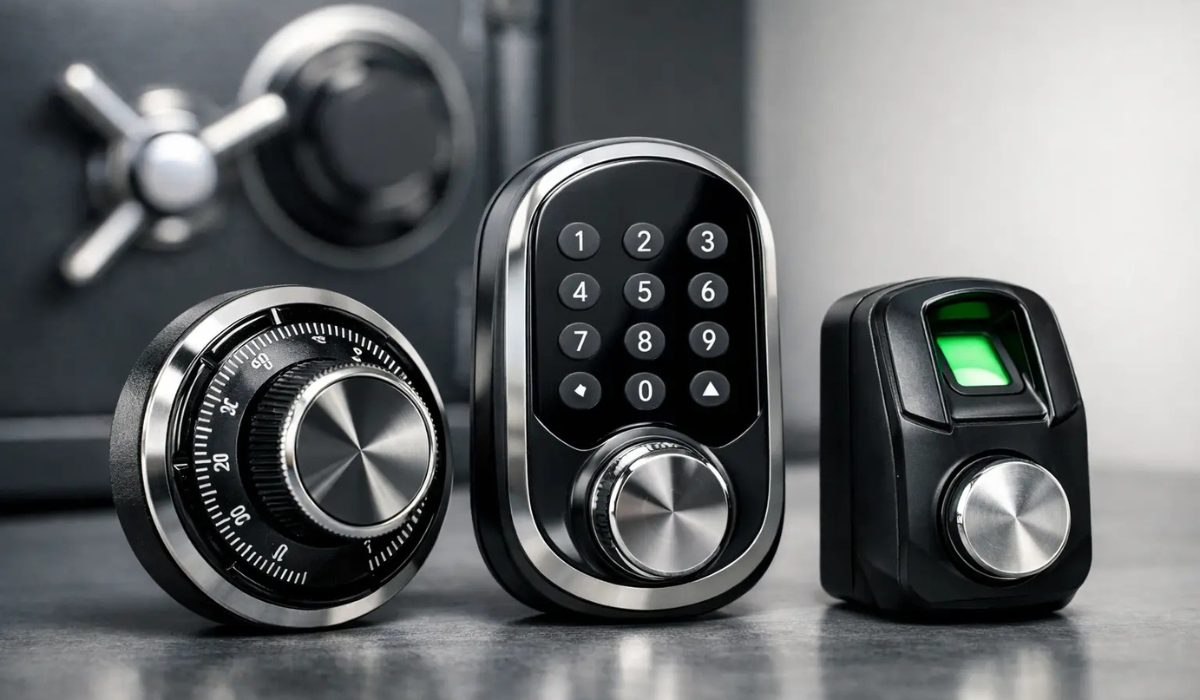
Most safes on the market use one of four lock styles: mechanical combination, electronic keypad, biometric, or dual lock systems. Each has a place, and each comes with trade-offs that matter more in certain use cases.
A mechanical combination lock is the classic rotary dial. It does not rely on batteries, which is a big reason many buyers still prefer it for long-term reliability. It is common on traditional gun safes, burglary safes, and some higher-security models. If your top priority is durability and you do not mind taking a little more time to open the safe, a dial can be a very strong choice.
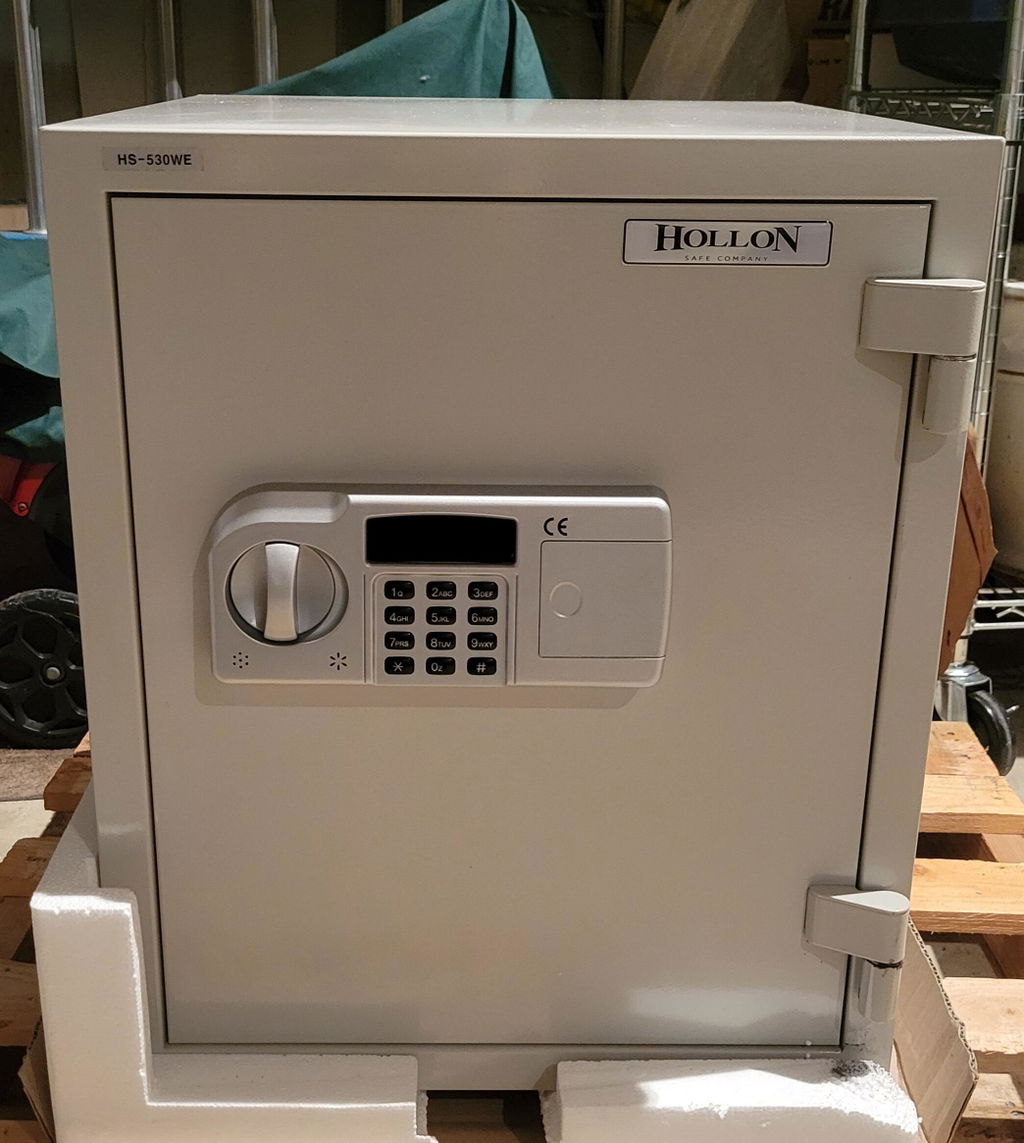
An electronic keypad lock is often the most popular option for home and business buyers. You enter a code, the lock releases, and you are in. This style is easy to use, simple to change when access needs shift, and usually faster than a dial. It works especially well for households and businesses where speed and convenience matter every day.
A biometric lock uses a fingerprint reader. These are common on quick-access handgun safes and some modern home safes. The appeal is obvious: no combination to spin and no code to remember. But performance depends heavily on lock quality, fingerprint enrollment, and conditions like dry skin, dirt, or hurried placement.
Dual lock systems combine two methods, such as a keypad plus key override, or biometric plus keypad backup. These are designed to give you convenience with a fallback option. In real life, that backup can make a big difference if batteries die, fingerprints do not scan cleanly, or more than one user needs dependable access.
Mechanical combination locks: slow, steady, proven
If you ask experienced safe buyers what they trust for the long haul, many still point to a mechanical dial. The biggest advantage is straightforward - no electronics, no battery replacement, and fewer components that depend on power. That makes mechanical locks attractive for safes that are opened infrequently, such as document safes, jewelry safes, or long-gun safes in lower-traffic settings.
They also have a reputation for consistency. A good dial lock can perform for many years with proper use. On higher-end burglary safes and some TL-rated models, mechanical locks remain a respected option because buyers value their simplicity and established track record.
The downside is speed. Opening a dial lock takes more time, and there is a learning curve if you have never used one. In a stressful moment, especially in the dark, a dial is less forgiving than a keypad. That is why it is usually not the first choice for a bedside handgun safe meant for rapid access.
Mechanical locks also are not as convenient when multiple users need access. Changing a combination is possible, but it is not as easy as updating a keypad code. For a business with staff turnover or a household that wants flexible access control, that can become a hassle.
Electronic keypad locks: practical for daily use
For many buyers, keypad locks hit the sweet spot between security and convenience. They are faster than dials, easy to operate, and generally easier to manage when access codes need to change. That makes them a strong fit for gun safes, home safes, and business safes that are used regularly.
A keypad also tends to be friendlier for first-time buyers. You do not need to master the dialing sequence, and most people already understand how to use a numerical code. In a home setting, that can reduce friction and make secure storage more likely to be used the way it should be.
For business owners, keypad locks are especially practical. If you are securing cash, documents, controlled items, or employee keys, changing a code is much simpler than reworking a mechanical combination. Some models offer manager codes, audit features, or multiple user codes, depending on the safe and lock package.
The trade-off is battery dependence. Most electronic locks are reliable, but batteries must be maintained, and buyers should understand the low-battery warning and backup entry process. Quality matters here. A UL-listed electronic lock from a reputable manufacturer is not the same as a bargain lock on a low-end safe. When shoppers compare safes, the lock brand and listing status deserve just as much attention as the body steel and fire rating.
Biometric locks: fast access, but quality matters more
Biometric locks are appealing for obvious reasons. A fingerprint can be faster than entering a code, especially on a handgun safe meant for defensive access. For many responsible gun owners, that speed is the entire point.
When biometric systems are well designed, properly enrolled, and paired with a backup method, they can be a very good solution. They are also helpful when a user worries about forgetting a code under stress or does not want to store combinations where others might find them.
Still, this is the lock type where quality variation tends to matter the most. Not all fingerprint readers perform equally. Sensor quality, processor speed, memory for multiple fingerprints, and overall build quality all affect reliability. Even strong units can occasionally struggle if a finger is wet, dirty, misaligned, or not enrolled carefully.
That does not mean biometric locks are a bad idea. It means they should be chosen with realistic expectations. They are strongest when paired with a keypad or key backup and when the buyer prioritizes tested, higher-quality models over the cheapest option available.
Key override and dual lock options
A backup key is not a replacement for a serious primary lock, but it can be useful in the right application. On smaller personal safes and quick-access boxes, key override can provide peace of mind if the electronic system fails or batteries die. The important question is whether that override is implemented securely and whether the safe itself is designed for the level of protection you need.
Dual-entry designs are often more practical than buyers expect. A biometric plus keypad setup, for example, gives you fast access with a fallback. For a shared household, a keypad may be easier for one user while biometric access works better for another. That flexibility can improve real-world use without forcing a single method on everyone.
In commercial settings, lock strategy can be even more important than lock type. A depository safe used by staff all day may benefit from a simple, controlled keypad system. A higher-security burglary safe holding cash, records, or sensitive inventory may call for a more specialized lock setup and heavier construction overall.
How to choose the right lock for your safe
The best way to use this safe lock types guide is to match the lock to the job, not the other way around. If the safe is for emergency handgun access, speed matters more than it does for long-term document storage. If the safe is opened once a month, a mechanical dial may be perfectly fine. If it is opened several times a day, a keypad usually makes more sense.
Think about who needs access. One owner with a stable routine can live happily with a dial. A family, office, or retail environment usually benefits from easier code management. If multiple authorized users are involved, convenience is not just comfort - it affects whether the safe works well day to day.
Also consider the environment. A bedside handgun safe, a garage gun safe, and a back-office cash safe do not have the same demands. Quick access, low-light use, battery maintenance, and user turnover all change what lock is best.
Finally, remember that the lock is only one part of safe security. A great lock on a lightweight safe is still a lightweight safe. Burglary resistance, fire protection, steel thickness, bolt work, anchoring capability, and overall build quality matter just as much. At Secure Zoned, this is where buyers often benefit from looking at the full picture instead of getting hung up on one feature.
If you are torn between two lock styles, the better choice is usually the one you will trust enough to use consistently. A safe should protect what matters most without turning daily access into a chore. Pick the lock that fits your routine, your risk level, and your safe itself, and you will be much happier with the protection you bring home.