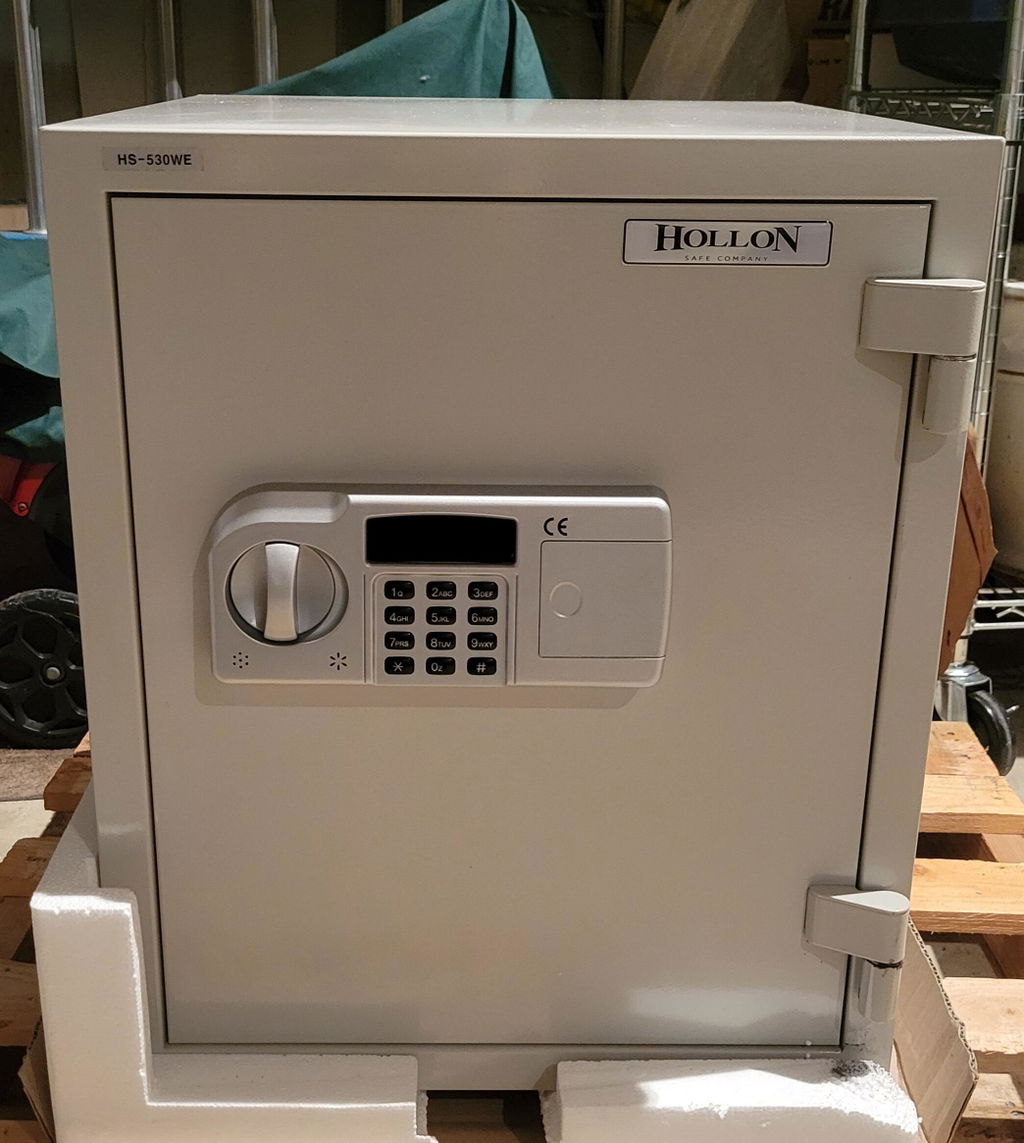
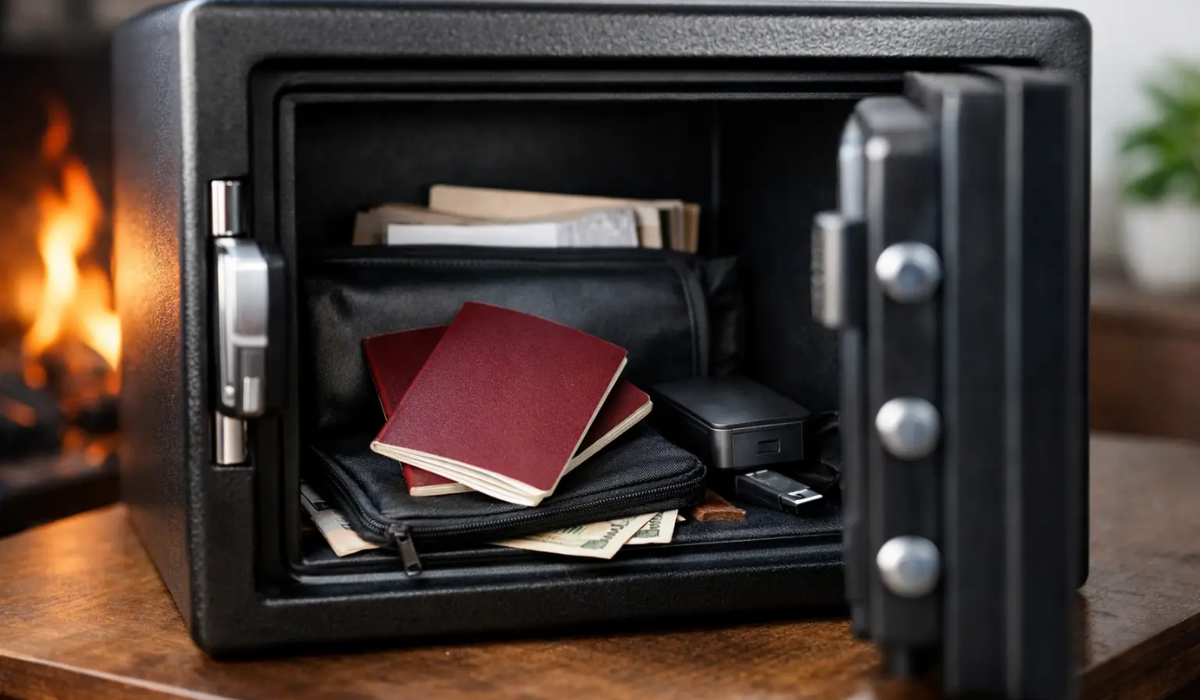
A passport is small enough to disappear in a desk drawer and valuable enough to create a major headache when it does. Replacing one can mean canceled travel, appointments, fees, and weeks of waiting. The best fireproof safe for passports protects that document from more than flames: it should also account for water, theft, everyday access, and the way your household actually stores important papers.
For most homes, the right answer is not the largest safe or the highest-priced safe. It is a properly rated document safe with enough room for passports, birth certificates, Social Security cards, property records, and a small amount of cash or jewelry. The details matter because a safe labeled fireproof can still be a poor fit if it is too small, easy to carry away, or not designed to handle water from sprinklers and fire hoses.
What Makes the Best Fireproof Safe for Passports?
Passports are paper documents, so their first requirement is a fire rating intended for paper. During a serious fire, paper can begin to char and deteriorate when the interior temperature rises above roughly 350 degrees Fahrenheit. A tested fire safe works by keeping the interior below that threshold for a stated period while the exterior is exposed to intense heat.
Look closely at how that rating is presented. A claim such as 30 minutes at 1,550 degrees Fahrenheit is useful for a small document safe placed in a lower-risk area. For more confidence, especially if your home is larger, has a long response time from the fire department, or stores many irreplaceable records, a one-hour fire rating at 1,550 to 1,700 degrees Fahrenheit is a stronger target.
Independent testing matters. UL fire classifications and other recognized third-party test standards provide more confidence than a broad marketing claim. The test method, temperature, and duration should be clearly stated in the specifications. A manufacturer that only says fire resistant without supplying test details leaves too many questions unanswered.
Fire duration is not a promise that any safe will survive every structure fire. Fire behavior depends on fuel load, building construction, safe placement, and how long the fire burns. Still, choosing a tested one-hour document safe gives your passports considerably better odds than a filing cabinet, lockbox, or bedroom drawer.
Water protection deserves equal attention
Firefighters use a tremendous amount of water, and residential sprinkler systems can soak an area before the fire department arrives. That means a fire-rated safe without a water-resistance claim may protect the paper from heat but still leave documents exposed to moisture.
For passport storage, choose a model that specifically states water resistance or water protection. Some safes are tested against water exposure for a limited period, while others use door seals designed to reduce water intrusion. These are not the same as a fully waterproof container, and they should not be treated as protection against a basement flood. But a water-resistant document safe is a meaningful advantage during a fire event.
A simple added precaution is to keep each passport and critical document in a labeled, resealable document pouch inside the safe. This makes organization easier and creates another barrier against humidity or minor moisture. Avoid overpacking the safe, since a crowded interior can make documents harder to remove quickly and may interfere with the door seal.
Choose a Size That Protects More Than One Trip
A compact portable safe can hold a few passports, but many buyers outgrow it quickly. Once you begin protecting household records, you may need room for letter-size folders, insurance policies, vehicle titles, backup drives, and a small fire-resistant document bag. Measure the interior dimensions, not just the outside dimensions listed on the product page.
A good home document safe should let you lay passports flat or store them in a small organizer without bending them. If you have a family of four or more, a small home safe with at least one adjustable shelf often makes more sense than a tiny lockbox. It gives you room to separate travel documents from medical, financial, and property records.
Larger capacity does bring trade-offs. Bigger safes weigh more, cost more to ship and install, and may need a dedicated location. For passports alone, a compact fire and water-resistant safe is usually enough. For documents plus jewelry, cash, or heirlooms, step up to a heavier home safe with a longer fire rating and anchoring capability.
A Fire Safe Is Not Automatically a Burglary Safe
This distinction prevents many disappointing purchases. Lightweight fire safes are designed mainly to protect contents from heat. They may have thin walls, a basic key lock, or a modest electronic lock. A determined thief may be able to remove the entire unit and open it elsewhere.
If passports are the only contents, basic theft deterrence may be sufficient when the safe is hidden in a sensible location. If it will also hold cash, expensive jewelry, firearms, or valuable records, prioritize burglary protection as well. Look for a heavier steel body, solid locking bolts, a concealed pry-resistant door design, and a way to anchor the safe securely.
A burglary-rated safe is a different class of product from a fire chest. Ratings such as TL-15 and TL-30 indicate tested resistance to attack and are appropriate for higher-value collections or business assets. They are usually unnecessary for a family passport safe, but the underlying lesson is useful: fire protection and forced-entry protection are separate performance categories. Choose both when your contents justify it.
Pick the Lock Around Your Access Needs
For a document safe, quick biometric access is rarely the priority. Reliability and the ability to open the safe during a stressful moment matter more. A traditional key lock is simple, but keys can be misplaced or discovered. Electronic keypad locks offer convenient access and are common on home safes, though they require battery maintenance.
A mechanical combination lock avoids batteries and can provide dependable long-term service, but it takes longer to open and may be less convenient for a household that needs regular access to records. Many homeowners prefer a quality electronic lock with an emergency override key stored separately from the safe. Never keep the override key in the same desk drawer or closet as the safe.
If you choose an electronic model, replace batteries on a schedule rather than waiting for a low-battery warning. Use a fresh name-brand battery, follow the manufacturer’s instructions, and test the lock with the door open after any battery change. Record the safe combination and serial number in a secure location outside the safe, such as a trusted estate-planning file.
Place It Where Fire, Water, and Theft Risks Are Lower
Where you install the safe can matter nearly as much as the safe itself. Avoid garages, sheds, and unfinished basements when possible. These areas can have greater temperature swings, humidity, flood exposure, and easier access for thieves. A ground-floor interior closet, home office, or bedroom closet is often more practical.
Keep the safe off the floor if your area has any history of water intrusion. A sturdy shelf or raised platform can help, provided it is rated for the safe’s weight and does not compromise stability. Do not place a fire safe directly beside flammable storage, a furnace, or a water heater.
Anchoring is worthwhile when the safe is designed for it. Use the manufacturer-provided mounting points and appropriate hardware for concrete or wood framing. Anchoring improves theft resistance, but drilling through a fire-rated safe can affect its stated protection if it is not done through approved mounting holes. Follow the installation instructions rather than improvising.
A Practical Passport Safe Checklist
Before buying, confirm that the safe has a documented fire rating for paper, preferably 30 to 60 minutes depending on your home and risk tolerance. Check for a stated water-resistance feature, interior dimensions that fit your files, and a lock you can reliably operate. If the safe will protect valuables beyond documents, consider its weight, steel construction, locking bolts, and mounting options.
Also think about the paperwork around the safe itself. Keep a current list of the contents, take secure photos or scans of passport identification pages, and store those digital copies in an encrypted account or with a trusted professional. A safe protects the original document, but having the passport number and issue details available can make replacement less difficult if the worst happens.
The right safe should not turn a simple family task into a complicated ritual. Choose one that is tested for the hazards you are most likely to face, place it thoughtfully, and use it consistently. When travel plans come together quickly, knowing every passport is protected and in one reliable location is a small reassurance with real value.