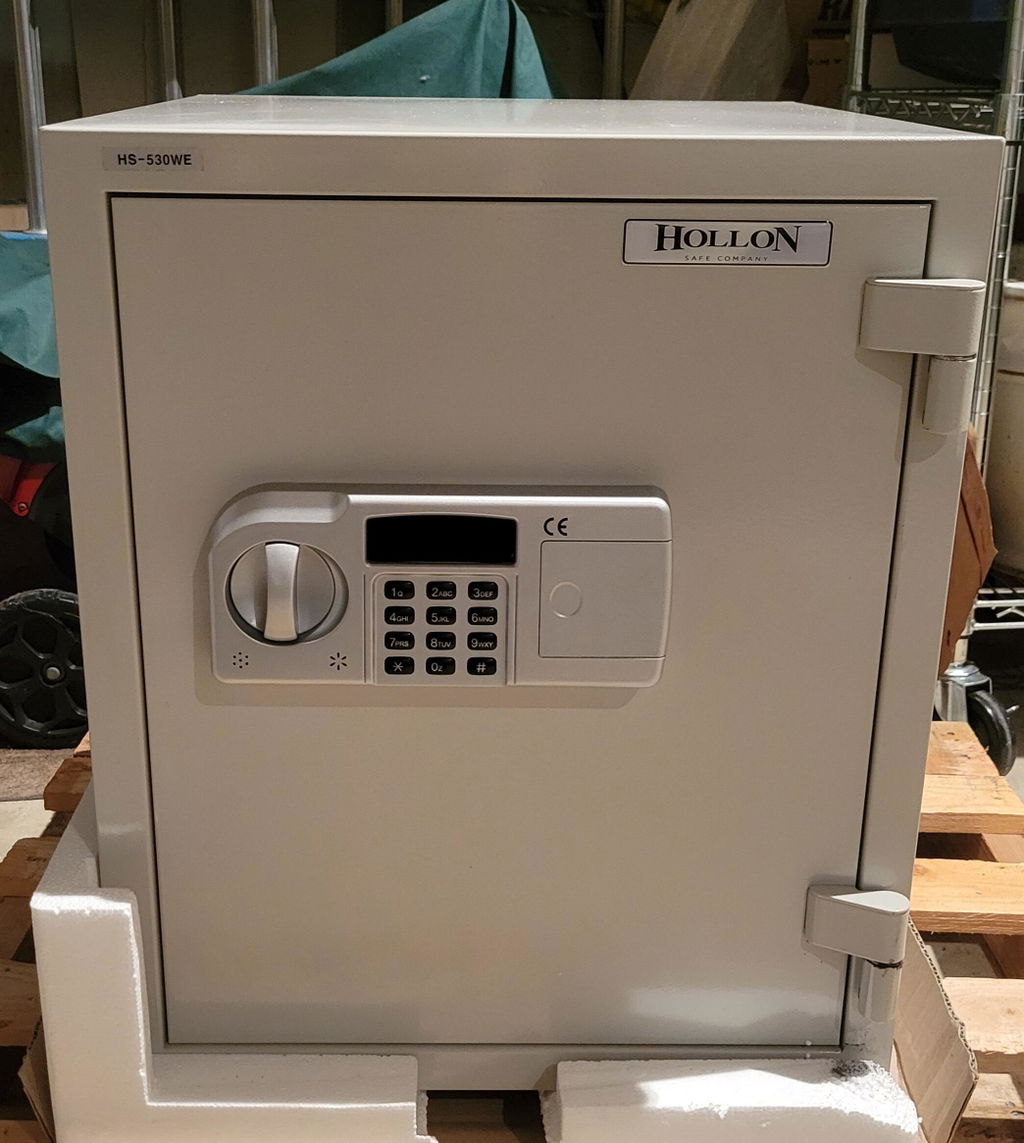

A house fire does not test a safe the way a showroom does. It tests heat, smoke, falling debris, water from hoses, and how long the structure burns before firefighters can get it under control. So, can fireproof safes survive house fire conditions? Sometimes yes, sometimes not fully, and the difference usually comes down to the safe’s fire rating, placement, build quality, and what you put inside.
That answer can feel frustrating if you want a simple yes or no. But with fire protection, the details matter. A safe that protects paper documents for 30 minutes may not protect digital media at all. A gun safe with a basic fire liner may hold up in a smaller fire, while a true high-performance fire safe is built for longer exposure and lower internal temperatures.
Can fireproof safes survive house fire exposure?
They can, but only within the limits they were designed for. The phrase fireproof safe is common, but no safe is magically immune to any fire. A better way to think about it is fire-rated protection for a specific amount of time at a specific external temperature.
For example, one safe may be rated for 30 minutes at 1200 degrees Fahrenheit, while another may be rated for 90 minutes at 1700 degrees Fahrenheit. Those are not small differences. They tell you how long the safe is expected to keep its interior below a temperature that would damage the contents it was tested to protect.
That last part matters. Most fire ratings are centered on paper. Paper chars at around 350 degrees Fahrenheit, so many document safes are designed to keep the interior below that threshold. If you store USB drives, hard drives, DVDs, photos, watches, or certain heirlooms, they may be damaged at much lower temperatures than paper.
So yes, a fireproof safe can survive a house fire in the sense that the safe may remain intact and protect some or all contents. But no, that does not mean every safe will protect everything inside after every residential fire.
What a fire rating really tells you
A fire rating is only useful if you know how to read it. Shoppers often focus on the minutes and skip the temperature, but both matter.
A 30-minute rating may be enough for some homes, especially in areas with fast fire response times and lower risk of long-burning structural fires. A 60-minute rating is often a practical middle ground for homeowners who want better protection for documents, jewelry, or firearms. If you are protecting irreplaceable papers, family records, cash, or business documents, 90-minute and 2-hour ratings are worth serious attention.
The testing standard matters too. Some brands use independent testing, while others use manufacturer testing. Independent verification usually gives buyers more confidence because it follows a defined process rather than a marketing claim alone.
It also helps to remember that fire is rarely neat and controlled. Real house fires can burn hotter in some rooms than others, and burn times vary based on fuel load, ventilation, and when the fire is discovered. A listed fire rating is a benchmark, not a guarantee for every scenario.
Why interior temperature matters more than exterior survival
After a fire, many safes are still physically standing. That does not automatically mean the contents are fine. What matters is whether the safe kept the inside cool enough for the items you stored.
Paper records are one thing. Digital media is much more sensitive. Some media can be damaged around 125 to 150 degrees Fahrenheit, and humidity inside the safe can create another problem. That means a safe that does a solid job protecting passports, wills, and birth certificates may still fail to protect backup drives or memory cards.
If your goal is mixed storage, it is smart to match the safe to the most sensitive item, not the toughest one.
Why some safes perform better in a real house fire
Fire protection is not just about the label on the door. Construction plays a big role.
Higher-quality fire safes often use thicker steel, better door seals, more effective insulation, and tighter manufacturing tolerances. Expanding seals are especially important because they help block smoke and heat from entering around the door gaps during a fire. Better safes may also handle the after-effects more effectively, including impact from falling materials and water exposure during suppression.
Weight helps too. Heavier safes often have more insulation and stronger bodies, though weight alone is not a fire rating. Still, there is a reason serious fire and burglary safes are not light. Material mass can work in your favor when temperatures rise.
Placement inside the home also matters more than many people realize. A safe on a garage slab or basement concrete floor may face different conditions than one placed on an upper wood-framed level surrounded by fuel sources. In some cases, lower-floor placement can reduce collapse risk and make anchoring easier. On the other hand, basements can add water concerns. There is no perfect location for every home, but there are definitely better and worse ones.
The trade-off between burglary protection and fire protection
Many buyers assume a safe that is great at stopping thieves is automatically great in a fire. Sometimes that is true, but not always.
A burglary-focused safe may emphasize thicker steel, reinforced doors, hard plates, relockers, and bolt work, with only modest fire lining. A fire-focused safe may prioritize insulation and door seals but offer less resistance against attack. The best choice depends on your risk profile.
For many homeowners, the right answer is a balanced safe that offers meaningful fire protection and real burglary resistance. For businesses storing cash or for homeowners with higher-value collections, stepping up to stronger burglary ratings while keeping a serious fire rating in view usually makes sense.
Gun safes are a common example of this trade-off. Some entry-level gun safes advertise fire protection, but the rating may be limited and the construction may be geared more toward basic storage than severe fire conditions. If you are storing firearms, important documents, and family valuables together, it is worth looking closely at the actual fire specs instead of assuming all gun safes perform the same.
What usually survives, and what often does not
Paper documents have the best chance in a properly rated fire safe. Birth certificates, deeds, insurance records, passports, and paper photos are exactly the kind of contents many fire safes are built to protect.
Jewelry and some metals often physically survive heat, though smoke, soot, and cosmetic damage can still be issues. Watches can be more complicated because internal components, adhesives, and gaskets may not tolerate high heat well.
Electronics and digital media are the most vulnerable. External hard drives, USB sticks, SD cards, laptops, and backup discs can fail even when paper documents make it through. If digital files matter, you should plan around that risk rather than trusting a standard fire-safe rating meant for paper.
Firearms may survive structurally inside a safe, but heat, moisture, and firefighting water can still affect finishes, optics, grips, and internal components. A safe helps a great deal, but post-fire inspection and cleaning are still essential.
How to improve the odds that your safe survives a house fire
Start by buying enough fire rating for the job. If the safe is meant for truly important records, a minimal rating may not be enough. More time and higher test temperatures usually provide a larger margin when conditions go bad.
Next, think carefully about placement and anchoring. A safe that tips, falls through a weakened floor, or gets shifted by collapse can suffer more damage. Proper installation is part of protection, not an afterthought.
Then match the safe to the contents. If you need to protect digital media, ask whether the model is rated for media, not just paper. If you need combined burglary and fire protection, make sure both sides of the equation are covered.
Finally, keep expectations realistic. A safe is a layer of protection, not an invincibility shield. It can dramatically improve your odds, but it cannot rewrite the laws of heat transfer.
When upgrading your safe is worth it
If your current safe has no verified fire rating, a short 20- to 30-minute rating, or vague marketing language without clear test details, upgrading may be a smart move. The same goes if your needs have changed. Many people start with a basic document safe and later use it for cash, jewelry, backup drives, and family records it was never meant to protect all at once.
A better safe is usually worth it when the contents would be painful, expensive, or impossible to replace. That includes estate documents, military records, trust paperwork, business records, collected cash, family photos, and responsibly stored firearms. This is where a knowledgeable retailer can help translate specs into a real-world fit rather than just selling the biggest box with the loudest label.
If you are shopping with questions about fire ratings, lock types, or whether a specific model fits your risk level, that is exactly the kind of decision support Secure Zoned is built around.
The best safe for a house fire is not the one with the boldest claim on the door. It is the one whose rating, construction, and installation actually match what you need to protect when a bad day gets worse.