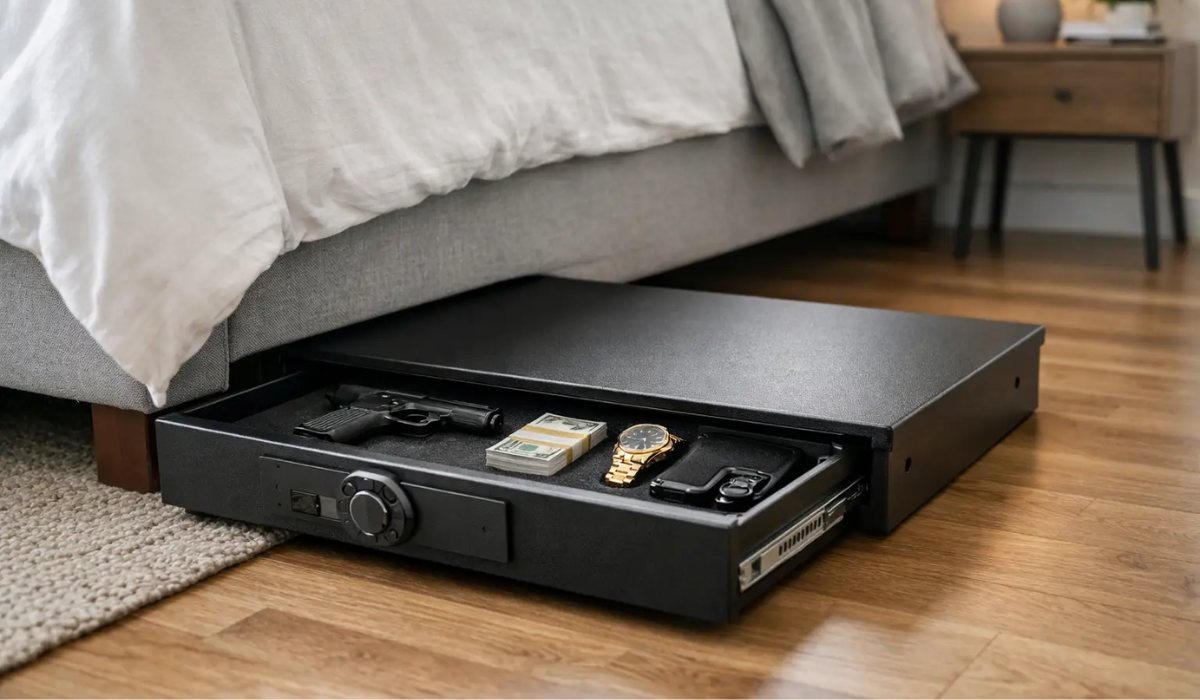
A nightstand safe is fine until you run out of room, need better concealment, or want to store more than a single handgun. That is where the best under bed safes stand out. They use space that would otherwise go unused, keep valuables close at hand, and can offer a smart balance of access, capacity, and low visibility.
For many buyers, under bed safes solve a very specific problem. You want faster access than a closet safe, more discretion than a large upright unit, and enough interior space for firearms, documents, cash, jewelry, or other items you do not want left exposed. The catch is that not every low-profile safe is built the same, and the wrong one can leave you with poor fit, weak construction, or frustrating access when seconds matter.
What makes the best under bed safes worth buying
The first thing to get right is the purpose. Some under bed safes are designed for quick-access handgun storage. Others are better for documents, cash bags, electronics, passports, or mixed valuables. A few can do a little of everything, but there is always a trade-off between speed, interior height, and overall security.
Construction matters more than marketing language. A well-built under bed safe should use solid steel, a reinforced door or drawer front, and a lock with a proven track record. If you are storing firearms, especially in a home with children or frequent visitors, the safe should also support secure mounting so it cannot simply be dragged out and opened elsewhere.
Size is the next filter. Measure the clearance under your bed frame carefully, and do not stop at height alone. You also need enough room in front or to the side for the drawer or door to open fully. Buyers often focus on exterior dimensions and forget to account for bedding, support rails, and nearby furniture.
How to evaluate under bed safes before you buy
Start with fit and access
A safe that technically fits under the bed but cannot open comfortably is not a good buy. Check the total height of the safe, then subtract a little for real-world clearance. Carpet, uneven flooring, and bed slats can all reduce usable space.
Think about how you plan to retrieve items. A pull-out drawer design is popular because it gives you a wide view of the interior. That can be ideal for organizing a handgun, spare magazine, documents, or small valuables. A front-opening design may work better in tighter rooms, but it depends on where the hinges and lock are placed.
Pay attention to steel thickness and overall weight
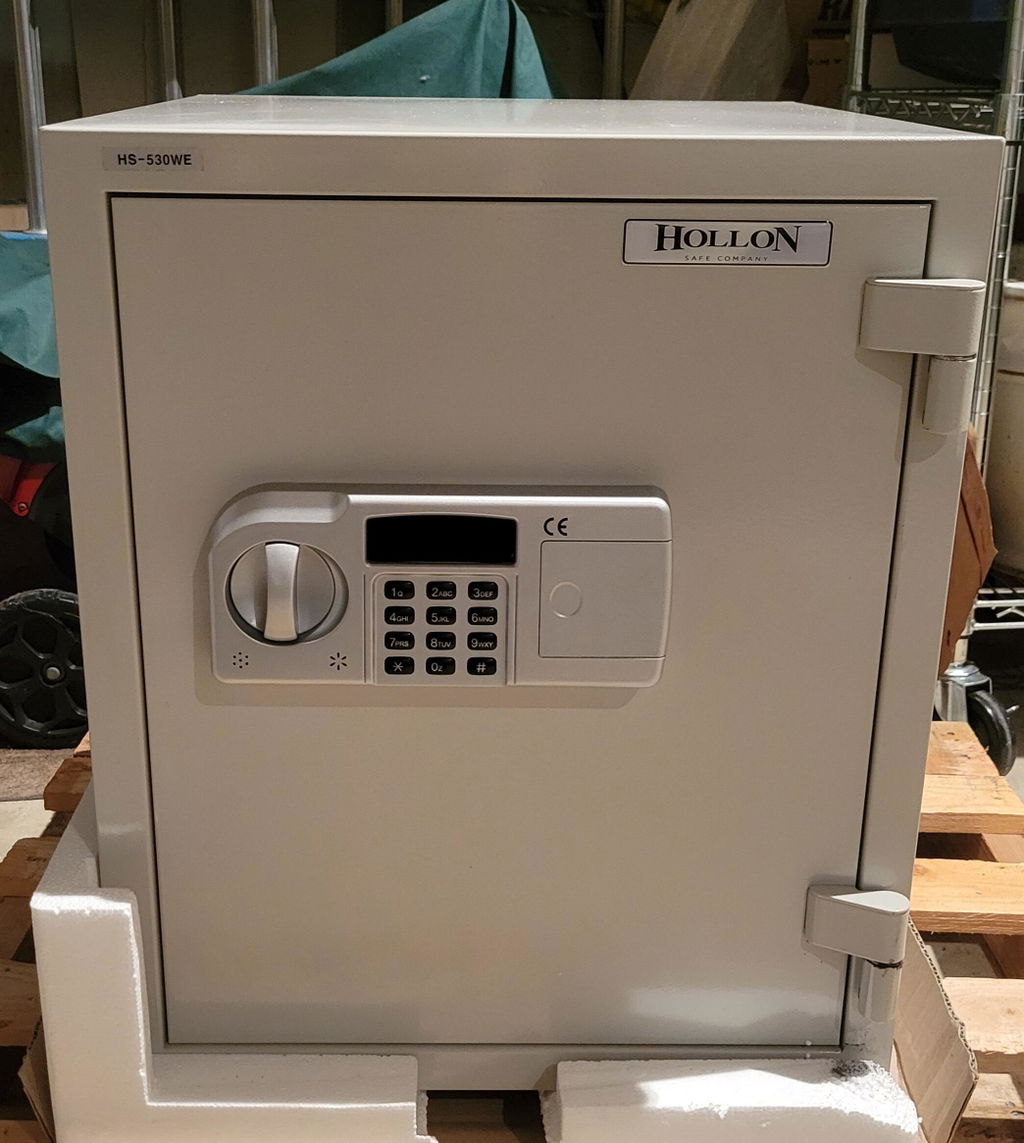
Under bed safes are not usually built like heavy TL-rated burglary safes, and they are not meant to be. Still, heavier steel and better overall weight generally point to a more serious product. Thin, lightweight units may be easy to hide, but they are also easier to pry, bend, or remove.
Weight alone is not everything, though. A lighter safe that is anchored properly can be more secure in practice than a heavier one left loose under the bed. If mounting holes and hardware are included, that is a good sign. If anchoring is not possible in your setup, it is worth being more selective about construction.
Choose the right lock type for your routine
No lock style is perfect for every buyer. Electronic keypad locks are popular because they are familiar and fast, especially in low light. Biometric locks can be convenient, but quality varies, and fingerprint readers are only as good as their sensor and programming. Mechanical locks are dependable and avoid battery concerns, but they are usually slower.
For many households, an electronic lock with backup key access is a practical middle ground. It gives you speed for daily use and a fallback option if batteries fail. If quick-access firearm storage is your main goal, test your comfort level with the lock style before focusing on extra features.
7 qualities to look for in the best under bed safes
The best under bed safes usually share the same core strengths, even when they differ in size or layout.
First, they make efficient use of space. A low-profile body should still provide enough interior room for the items you actually need to secure, not just a single flat compartment that looks larger in photos than it feels in person.
Second, they use real steel where it counts. Look for solid body construction, a reinforced entry point, and locking bolts or a lock design that resists simple prying.
Third, they allow secure mounting. Pre-drilled anchor holes are one of the most useful features in this category because under bed safes are designed to stay out of sight, not to travel.
Fourth, they have a lock you can trust under pressure. Fast access matters, but so does reliability after months of normal use.
Fifth, they open in a way that suits your room. A wide pull-out drawer is excellent in many bedrooms, but if floor space is tight, another opening style may be easier to live with.
Sixth, they protect more than one item type. Many buyers start by thinking about a handgun, then realize they also want room for passports, cash, watches, legal papers, or emergency items.
Seventh, they come from brands with a reputation for safe construction rather than generic lockbox manufacturing. That does not guarantee a perfect model, but it usually improves the odds that the steel, lock, and fitment are taken seriously.
Best under bed safes for different needs
For handgun access at home
If your top priority is keeping a defensive handgun nearby but out of sight, focus on speed, drawer layout, and secure mounting. You do not need a huge unit, but you do want enough room for the firearm, a spare magazine, and maybe a flashlight. In this case, an oversized safe can actually be less convenient because the contents may shift around unless the interior is organized well.
For families securing mixed valuables
If the safe will hold a combination of documents, jewelry, cash, and possibly a firearm, interior dimensions matter more than pure access speed. A slightly taller or wider model often makes daily use much easier. This is where buyers appreciate drawer-style designs with removable foam or flexible storage space.
For apartments or discreet rooms
In an apartment, a large upright safe may not be realistic because of weight, visibility, or limited floor space. Under bed safes can make more sense, especially when discretion is part of the security plan. The trade-off is that you still need to think seriously about anchoring, because a concealed safe that is not secured can still be targeted if discovered.
For documents and backup valuables
If you are mainly storing paperwork, emergency cash, external drives, or family keepsakes, prioritize usable interior dimensions and smooth access. Not every under bed safe offers meaningful fire protection, so if fire resistance is a major concern, compare that specification carefully rather than assuming every steel safe covers it.
Common mistakes buyers make
The biggest mistake is buying by exterior size alone. A low profile sounds appealing until you realize the interior height is too tight for your intended items. Always compare inside dimensions, not just outside measurements.
Another common mistake is overvaluing the lock and undervaluing the body. A flashy biometric reader on a thin steel box does not create real security. The lock matters, but so do steel thickness, boltwork, and how well the safe can be anchored.
Some buyers also expect an under bed safe to replace a full-size burglary or fire safe. That is usually not realistic. This category is excellent for concealment, convenience, and targeted storage, but if you need high-capacity gun storage, long-duration fire protection, or commercial-grade burglary resistance, you may be shopping for a different class of safe.
When an under bed safe is the right choice
An under bed safe is a strong option when you want hidden storage in a bedroom, need quicker access than a hallway closet allows, or want to secure a small group of valuables without adding a large visible safe to the room. It is also a practical fit for people who want a safe close by but do not want it to dominate the space.
That said, the best result usually comes from matching the safe to the job. For a bedside firearm, prioritize speed and mounting. For mixed valuables, prioritize layout and dimensions. For important papers, look closely at capacity and whether fire protection is actually part of the design.
A good under bed safe should feel easy to use, hard to tamper with, and well suited to your daily routine. If you are choosing carefully, that combination matters more than any single feature printed on the box. Protecting what matters most starts with a safe you will actually use, every day, without second-guessing the choice.