A gun safe can weigh several hundred pounds before it ever protects a single firearm. That is why gun safes free shipping can make a meaningful difference in the total cost of responsible firearm storage. But free shipping is only a real advantage when you understand what delivery includes, where the safe will go, and whether the model itself meets your security needs.
For many buyers, the safe price is easy to compare. The less obvious costs are freight delivery, moving a heavy safe inside, anchoring it correctly, and choosing a size that will still work when your collection changes. A little planning before checkout helps ensure that a shipping offer supports the purchase instead of creating a last-minute delivery problem.
What Free Shipping Usually Means for a Gun Safe
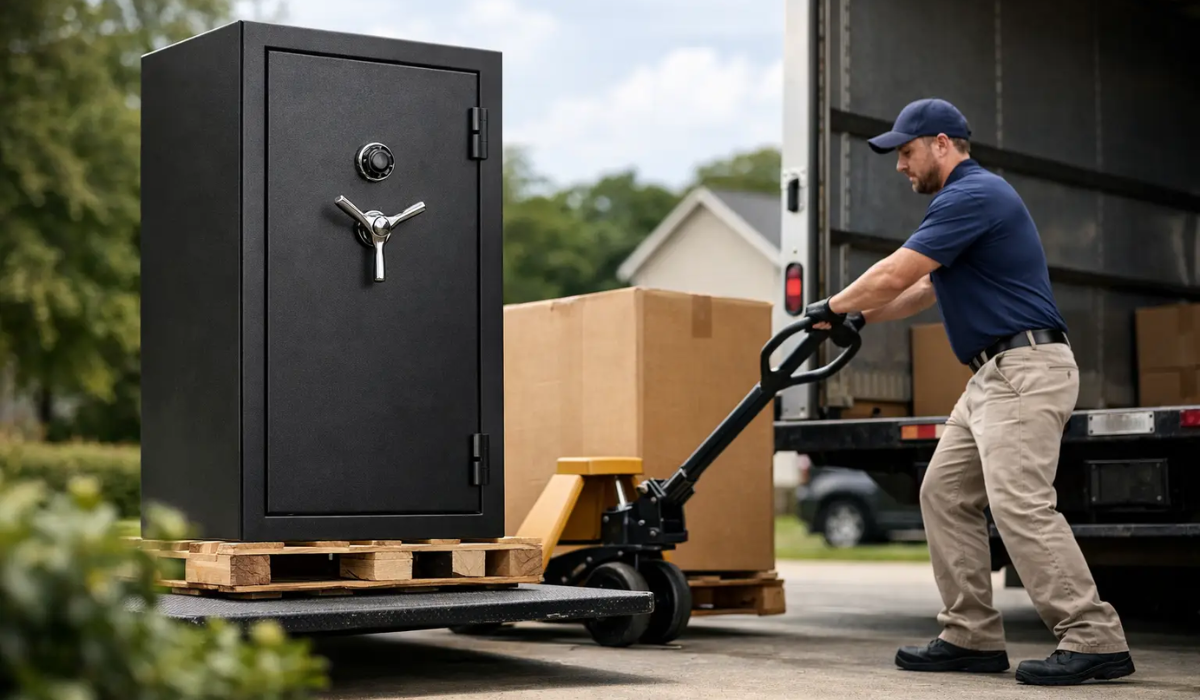
Gun safes do not ship like a standard boxed package. Full-size models are typically sent by freight carrier on a pallet, often wrapped and secured for transport. Free shipping generally covers freight transportation to an eligible address, but the delivery service may be curbside rather than in-home placement.
Curbside delivery means the carrier brings the pallet to the end of the driveway or another accessible curbside location. It does not necessarily mean the driver will take the safe through a garage, up steps, across gravel, or into a basement. Freight carriers also usually schedule an appointment window, so someone needs to be available to inspect and accept the shipment.
This is not a drawback unique to free shipping. It is the normal reality of moving a heavy security product. The key is knowing the delivery terms before the truck arrives. If you need a safe placed in a specific room, upstairs, downstairs, or bolted in place, arrange professional installation or safe-moving help in advance.
For Secure Zoned customers in the contiguous United States, free shipping can remove a substantial freight expense from the purchase. That leaves more room in the budget for the features that matter most: better fire protection, a stronger lock, more usable interior space, or professional placement.
Gun Safes Free Shipping Still Require a Delivery Plan
Before ordering, measure more than the spot where the safe will sit. Measure the path to get there. Check door openings, hallway turns, ceiling clearance, stair width, garage access, and any transition from pavement to the home. A safe that fits beautifully in a closet can still be difficult to move there.
Weight deserves the same attention. A compact firearm safe may be manageable with proper equipment and experienced help, while a larger gun safe with serious steel construction and fire insulation can exceed 1,000 pounds. The heavier unit may offer worthwhile burglary resistance and thermal protection, but it also changes the installation plan.
Consider the floor beneath the safe. Many ground-level concrete slabs are well suited to heavy safes. Upper floors, older structures, and locations above unfinished basements may call for guidance from a qualified contractor. This is especially relevant for large safes loaded with firearms, ammunition, accessories, and documents.
Anchoring is another essential part of the plan. A safe that is not secured can be easier for thieves to tip, pry, or remove. Many gun safes include pre-drilled anchor holes and mounting hardware, though the correct fastener depends on the floor type. Anchoring to concrete is common, while wood-floor installations require careful attention to joists and structural support.
Choose Security Before You Compare Shipping Offers
Free shipping should be a value feature, not the reason to settle for a safe that is too small or too lightly built. Start with the protection outcome you need.
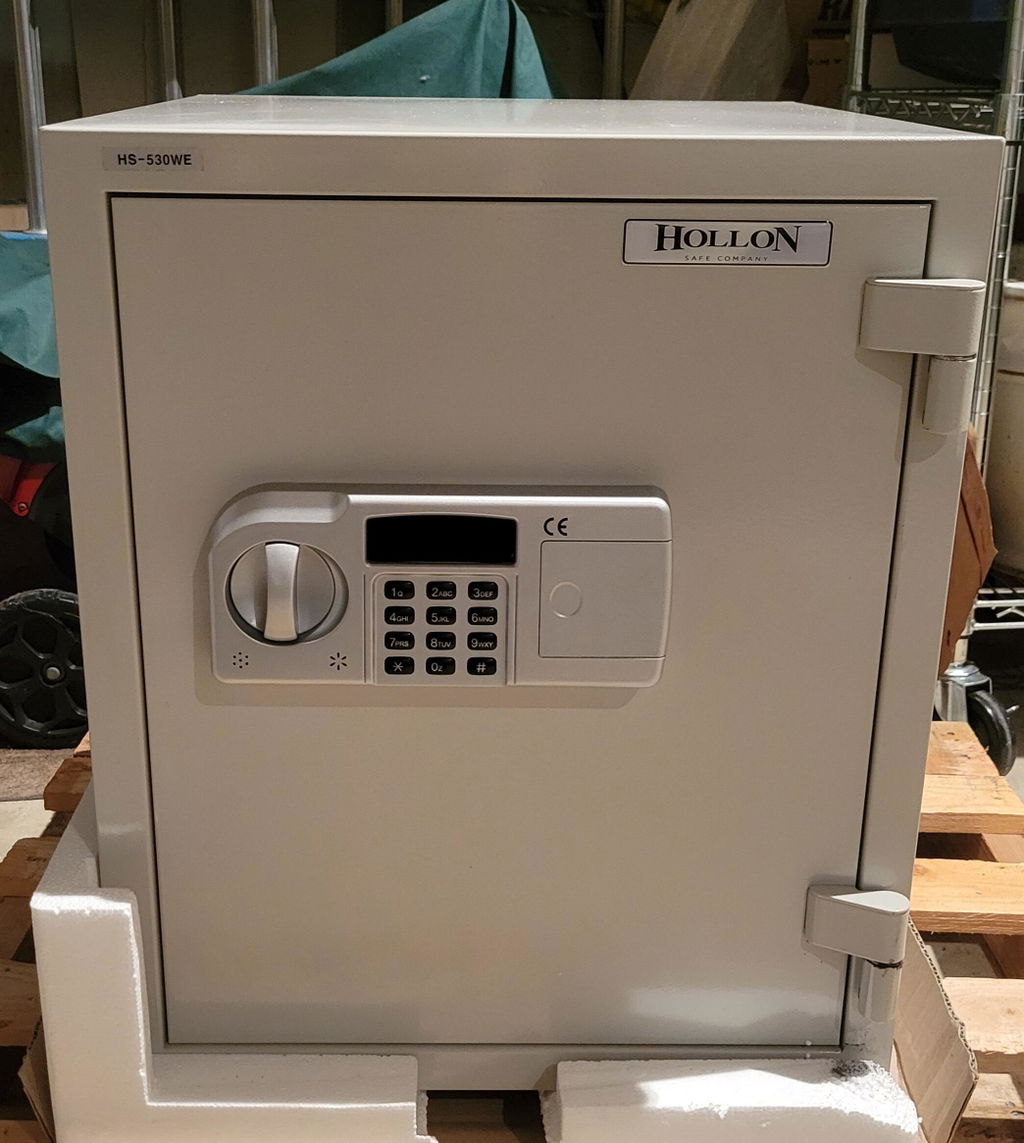
A household with one defensive handgun may be best served by a quick-access handgun safe. Look for reliable access, a solid locking mechanism, mounting capability, and a location that allows responsible adults to reach it when needed while preventing unauthorized access. Biometric access can be convenient, but it should be tested regularly and backed up by a PIN, key, or other dependable access method.
For rifles, shotguns, and multiple handguns, a full-size gun safe provides organized storage and stronger protection. Pay close attention to external dimensions, but do not stop there. Interior capacity can be reduced by door organizers, adjustable shelving, scoped rifles, long barrels, and the space needed to avoid crowding firearms together.
Manufacturers' stated gun capacities can be useful for comparison, yet they are often optimistic for real-world storage. If a safe is advertised for 24 long guns, it may hold fewer once optics, pistol grips, cases, and shelving are factored in. Buying one size larger than your immediate needs is often the more practical choice, especially when the cost of freight is already covered.
Steel, Locking, and Burglary Protection
Security is built from multiple components, not one marketing claim. Look at steel thickness, door construction, locking bolts, bolt coverage, pry resistance, and the quality of the lock. A UL-listed electronic lock adds confidence that the lock has been tested to recognized standards. Mechanical locks remain a proven option for buyers who prefer a dial and no battery dependency.
Higher-end safes may include hard plates that resist drill attacks, internal relockers that engage when the lock is attacked, and more substantial boltwork. These features matter most when the safe faces a longer attack window or when the firearms and valuables inside justify a higher level of protection.
A residential security container and a burglary-rated safe are not the same product category. For exceptionally high-value collections or locations with elevated risk, ask whether a TL-rated safe is appropriate. TL-15 and TL-30 ratings indicate tested resistance against specific tool attacks, but these safes are heavier, more expensive, and require more thoughtful delivery and installation planning.
Fire Ratings That Match What You Store
A gun safe may also protect documents, heirlooms, photos, and other irreplaceable items. Fire ratings can help compare models, but read the details rather than focusing only on a large temperature number. A rating may state how long the interior is designed to remain below a specified temperature during a test, such as 30, 60, or 120 minutes at high external temperatures.
More fire protection generally means more insulation, weight, and cost. It can be a smart trade-off for a home where the safe will store paper records or sentimental valuables alongside firearms. For digital media, remember that electronics and data storage often require lower internal temperatures than paper, so a dedicated media-rated container may be the better choice.
Water resistance is separate from fire resistance. Firefighting water, sprinklers, and storm-related moisture can damage contents even if a safe performs well during a fire test. If water exposure is a concern, review the safe's stated water protection and consider how the installation location affects risk.
Inspect the Shipment Before You Accept It
When the freight carrier arrives, inspect the pallet, packaging, and visible exterior of the safe before signing. Look for crushed corners, punctures, torn wrapping, broken straps, or dents. Take photos of anything that appears damaged, even if the issue seems minor.
If there is obvious damage, note it clearly on the delivery receipt before the driver leaves. Do not rely on a verbal conversation alone. Shipping damage claims are easier to resolve when the condition is documented at delivery.
Once the safe is inside and positioned, check the lock, handle, bolts, shelves, door organizer, and included hardware. Keep the packaging until you confirm that the safe is operating properly. Follow the manufacturer's setup instructions, change the factory code immediately if applicable, and store backup keys or override information in a separate secure location.
The Best Value Is a Safe You Can Live With
A free freight offer is valuable because safe shipping is expensive and specialized. Still, the best purchase is not always the largest safe or the lowest-priced one. It is the model that fits your firearms, your home, your delivery path, and your realistic level of risk.
Choose enough capacity to stay organized, enough weight and construction to discourage theft, and enough fire protection for the items you truly need to protect. Then plan the delivery and anchoring with the same care you put into selecting the safe. When the safe arrives, it should be ready to become a dependable part of your family's security routine, not another heavy problem waiting in the driveway.