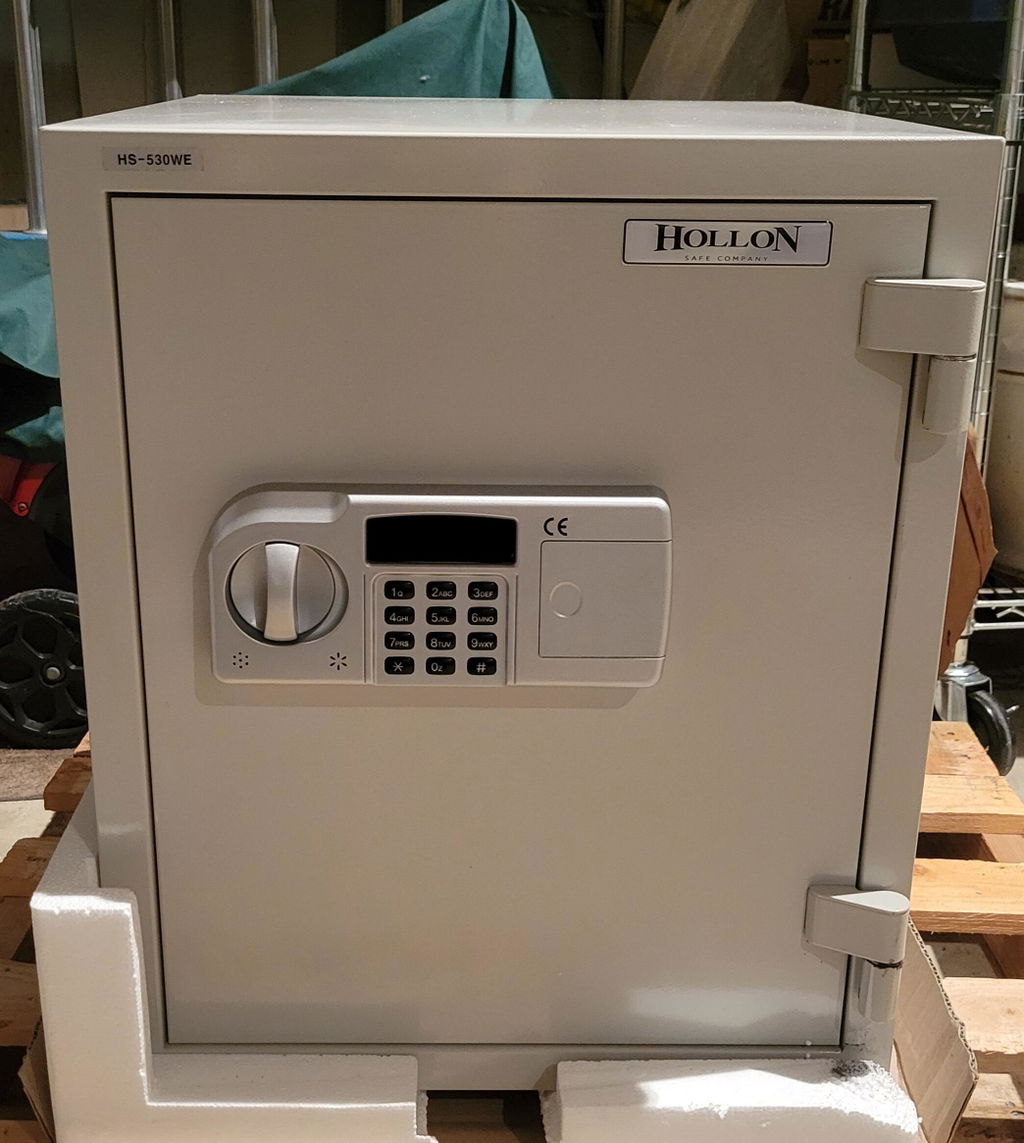
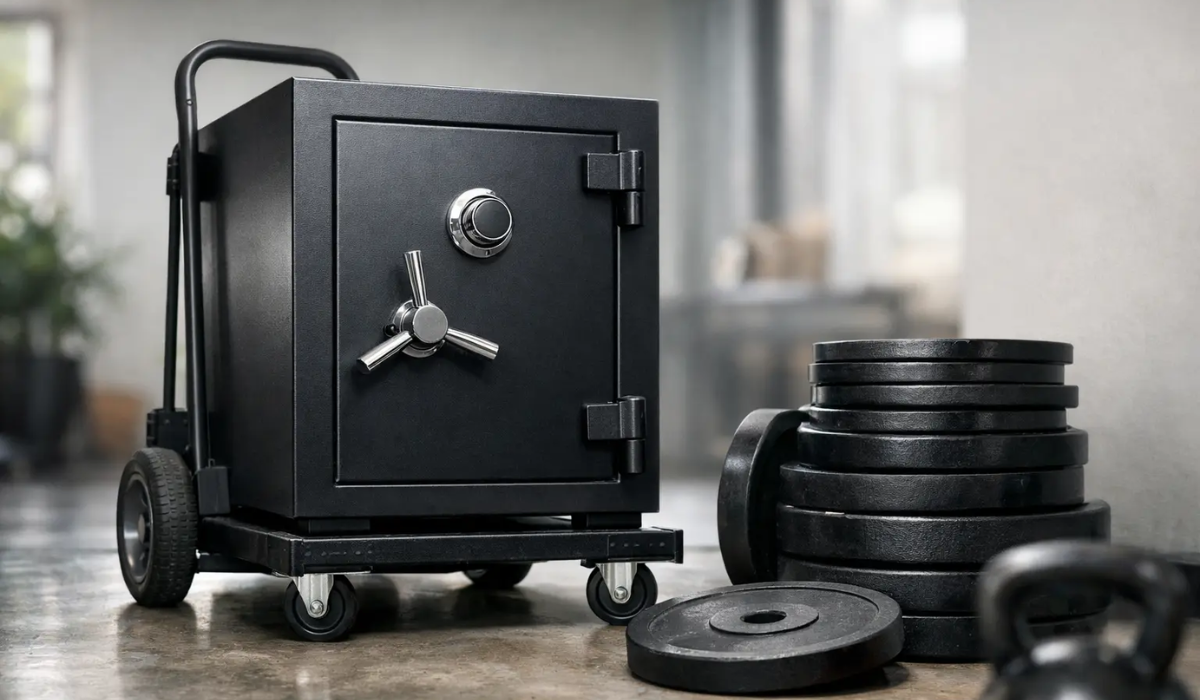
A safe that takes two people and a dolly to move can still be a poor security choice. A lighter safe that is properly anchored can be far harder to steal than a heavier one sitting loose in a garage. That is why the question how heavy should a safe be is worth asking - but weight alone is never the whole answer.
Safe weight matters because thieves like speed. If they can tip, carry, or wheel a safe out of your home or business, they have more time to attack it somewhere private. But safe weight also reflects other things: thicker steel, more fire insulation, larger size, and stronger construction. The right number depends on what you are protecting, where the safe will sit, and whether it will be bolted down.
How heavy should a safe be for real security?
For most buyers, the honest answer is: heavy enough that it cannot be easily removed, but not so heavy that it creates installation or floor-load problems. In practical terms, many small home safes and handgun safes weigh under 100 pounds. Those can work well for quick access or document storage, but they should usually be anchored because one person can often carry them off.
Mid-size home safes and gun safes often land in the 200 to 600 pound range. That is where many homeowners start to get a better mix of burglary deterrence, usable storage, and manageable installation. Once you move into large gun safes, jewelry safes, and higher-end burglary safes, weights of 700 pounds, 1,000 pounds, or more are common.
Commercial burglary safes and TL-rated safes can get much heavier very quickly. That extra weight usually comes from thicker bodies, reinforced doors, concrete-like fill materials, and more serious anti-attack features. In those categories, weight is not marketing fluff. It often signals a very different class of protection.
Why safe weight matters - and where it can mislead
A heavier safe is generally harder to steal whole. That much is true. It also tends to feel more stable, especially for tall gun safes that could otherwise be tipped. For buyers comparing similar models, more weight can point to thicker steel or more substantial fire protection.
But weight can mislead if you treat it as the only metric. Some safes gain weight mostly from fireboard or fill material rather than stronger steel in the body. Fire protection matters, especially for documents, firearms, family records, and valuables, but it is different from burglary protection. A safe can be heavy and still have a relatively thin steel shell.
That is why specs matter. Steel thickness, door construction, lock quality, relockers, hard plates, bolt work, and burglary ratings tell you more than weight alone. If you are comparing two safes that both weigh 500 pounds, one may still be much better built against forced entry.
Weight by safe type
The right answer changes by category.
A quick-access handgun safe is often designed for bedside or vehicle-adjacent use, so lighter weight is normal. In that case, compact size and fast entry matter more than sheer mass. Anchoring is still a smart move, especially if the safe is used at home.
A home safe for documents, passports, jewelry, and cash usually benefits from more weight because it is meant to stay put and provide some level of fire protection. If it weighs only 50 to 80 pounds and is not secured, it is vulnerable to a grab-and-go theft.
A full-size gun safe should usually be heavy enough to resist tipping and difficult to move once installed. For many households, that means several hundred pounds at minimum. If you are storing multiple long guns, optics, ammunition, and important documents, weight becomes part of overall stability and security.
A business safe, especially a depository or cash safe, needs to fit the risk level. A small retail operation may be fine with a compact anchored unit, while a pharmacy, office, or higher-cash environment may need a much heavier burglary-rated safe. The goal is not just to slow a thief down, but to match the threat.
How heavy should a safe be if you plan to bolt it down?
If a safe is properly anchored to concrete or solid framing, the minimum weight you need can come down. Anchoring changes the equation because it removes the easiest theft method: taking the whole safe.
This is especially important for small and medium safes. A 90-pound safe that is bolted down well can be a reasonable solution for certain uses. The same safe left loose is far less secure. Anchoring also helps prevent tipping, which matters for tall gun safes and households with children.
That said, anchoring does not make a lightly built safe equal to a heavier, better-constructed one. It simply addresses one major vulnerability. A thief who cannot carry the safe away may still attack it on site, so construction quality still matters.
Floor strength and placement matter too
A heavier safe is not automatically better if your floor cannot support it comfortably. Concrete slabs usually offer more flexibility. Upstairs installations, raised foundations, and tight stair access require more planning.
For many residential buyers, the real limit is not what they want, but what can be delivered, moved, and placed safely without damaging the home. Large safes can concentrate a lot of weight in a small footprint. That is one reason placement should be part of the buying decision, not an afterthought.
A garage can be convenient, but it may expose the safe to moisture and temperature swings. A closet can hide the safe better, but space may limit size and door swing. A downstairs interior room often gives a good balance of concealment, support, and accessibility.
The trade-off between fire protection and burglary protection
This is where many buyers get tripped up. They assume a very heavy safe must be better in every way. Often, it is better in some ways, but you still need to know what the weight is doing.
If much of the weight comes from fire insulation, that is excellent for papers, digital media, heirlooms, and backup documents. But if you are mainly worried about pry attacks, power tools, or repeated burglary attempts, you want to look closely at steel thickness and burglary ratings too.
For a lot of homeowners, a balanced safe makes the most sense: meaningful fire protection, solid body construction, a quality lock, and anchor capability. For high-risk environments, especially where large cash deposits, controlled substances, or highly valuable collections are involved, stepping up to a burglary-rated or TL-rated safe is often the smarter move.
A practical way to choose the right safe weight
Start with the contents. If you are protecting a few passports and emergency cash, you do not need a 1,500-pound commercial unit. If you are securing a firearm collection, expensive watches, business deposits, or irreplaceable family valuables, the answer changes fast.
Then look at your risk. Are you trying to keep children out, deter a smash-and-grab burglar, or resist a more serious targeted attack? Those are very different jobs. The more serious the threat, the less you should rely on weight alone and the more you should care about ratings and build details.
Next, consider the installation. Can the floor handle it? Can the safe be anchored? Is there a discreet location with enough clearance? A safe that is too heavy for the space, or too difficult to place correctly, can become a frustration instead of a solution.
Finally, compare models honestly. If one safe weighs more, ask why. Is it thicker steel, more interior capacity, longer fire protection, or simply different fill materials? A good retailer should be able to walk you through that difference in plain English.
So what is a good target weight?
For many home users, a safe in the 200 to 600 pound range is a practical starting point because it offers better resistance to removal than lightweight boxes while remaining realistic for residential installation. For larger gun safes and higher-security home safes, 600 pounds and up often brings better stability and stronger construction. For true burglary protection in demanding settings, the discussion shifts from weight to ratings - and that is where TL-15 and TL-30 safes enter the picture.
If you are choosing a small safe under 100 pounds, plan to anchor it. If you are choosing a large safe over 1,000 pounds, plan the delivery path and floor load before you buy. And if you are comparing safes that look similar online, do not let weight be the only tie-breaker.
The best safe is not the heaviest one you can find. It is the one that fits your risk, your space, and your protection goals well enough that it stays in place, performs under pressure, and gives you one less thing to worry about.