A missing passport is stressful. A missing will, property deed, business contract, or firearm trust can create a much bigger problem at exactly the wrong time. Knowing how to store legal documents means planning for more than everyday clutter. Your records need to be easy for authorized people to find, protected from fire and water, and difficult for a thief to remove.
For most households, a labeled folder in a desk drawer is a good starting point, not a final storage plan. The right setup depends on which documents you have, whether you need frequent access, and the threats most likely to affect your home or business.
Start by separating originals from working copies
Not every important paper needs the same level of protection. Begin by gathering your records in one place and sorting originals from copies you use for reference. Originals can include birth certificates, Social Security cards, passports, marriage licenses, vehicle titles, property deeds, estate-planning documents, military discharge papers, and signed business agreements.
Keep current copies of insurance policies, account information, medical directives, tax returns, warranties, and household inventories nearby if you need to reference them often. They still deserve protection, but they may not need to live in the same place as a difficult-to-access original.
This distinction matters because access and security are a trade-off. A document that must be available during tax season should not be buried under every family record. At the same time, documents that are expensive or time-consuming to replace should not be left in an unlocked filing cabinet.
Create a simple inventory as you sort. Record the document name, date, where the original is stored, and whether you have a digital copy. Do not put account numbers, safe combinations, or other sensitive details into an unprotected spreadsheet. The inventory should make it easier for you or a trusted family member to locate records without creating a new security risk.
How to store legal documents in a home safe
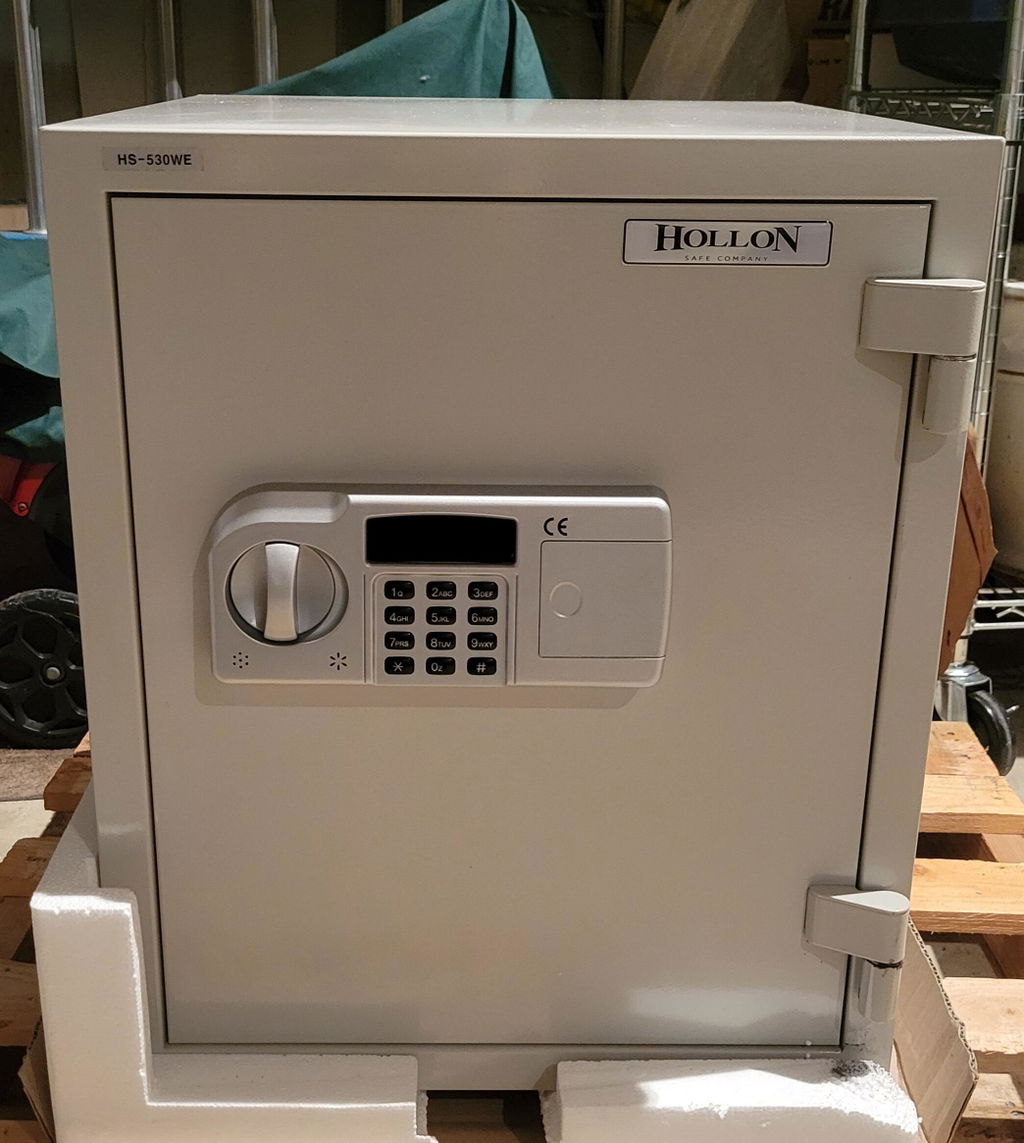
A home safe is often the most practical place for legal documents that need to remain on-site. It gives you control over access and can protect against common household risks, provided you choose a safe with the right specifications.
For paper records, start with fire protection. Paper begins to char and deteriorate at temperatures far below the heat of a structure fire, so a safe's fire rating is more meaningful than a vague claim that it is "fireproof." Look for a tested fire rating that states both the duration and temperature exposure. A safe rated for one hour or two hours at high temperatures generally provides a stronger margin for a serious fire than a basic fire chest.
Water resistance matters too. Firefighting efforts can soak a room, and water damage from a burst pipe or storm can be just as destructive to documents. A fire-rated safe may offer some water protection, but the two features are not identical. Review the manufacturer's stated water-resistance performance rather than assuming a fire rating covers flooding or prolonged submersion.
Burglary protection is the other half of the decision. A lightweight fire box can protect papers from heat but may be easy for a burglar to carry away. For documents with financial, legal, or personal value, consider a heavier safe with solid steel construction, a quality lock, and pre-drilled anchoring holes. Anchoring a safe to a concrete floor or a properly reinforced structure helps prevent a thief from simply removing it for later attack.
If you are storing highly sensitive records, a burglary-rated safe offers a more defined level of protection. TL-15 and TL-30 ratings refer to standardized resistance against skilled tool attacks for 15 or 30 minutes on the safe door, under test conditions. These are serious security ratings and are generally more relevant for high-value assets, business records, or documents tied to substantial financial exposure. They are also heavier, more expensive, and may require professional delivery and installation.
Choose a size that leaves room to organize
Do not buy a document safe based only on the stack of papers you have today. Legal-size folders, hanging file frames, binders, and protective sleeves take up more room than loose pages. A safe that is technically large enough can become frustrating if you have to empty it every time you need one file.
Measure the usable interior dimensions, not just the exterior size. If you intend to store legal-size records, confirm they fit flat or in the filing system you prefer. Interior shelves are useful for passports and small valuables, while a hanging-file rail or file drawer may make more sense for tax records, estate documents, and business files.
For a larger volume of paper, a fire-rated file cabinet can be a better choice than a traditional safe. This is especially true for offices, medical practices, or small businesses that need daily access to records. A cabinet should still be evaluated for its fire rating, lock quality, and placement, since a filing cabinet is not automatically a burglary-resistant safe.
Protect documents before they go into the safe
A safe is the outer layer of protection, not the only layer. Place originals in archival-quality folders or document sleeves that are free from PVC and harsh chemicals. Avoid rubber bands, which can break down and stick to paper over time, and avoid storing documents in damp basements, garages, or attics before they reach the safe.
For extra moisture protection, use a sealed document pouch or watertight container inside the safe. Keep in mind that tightly packed plastic containers can make it harder for heat to dissipate during a fire. Follow the safe manufacturer's guidance, and avoid overfilling the interior. A modest amount of room around files makes organization easier and helps you see signs of moisture or pests early.
Humidity is worth monitoring in humid climates or rooms with temperature swings. A rechargeable desiccant can help manage moisture inside a safe, but it should be checked and renewed on schedule. If you notice a musty odor, rust on metal items, or curled paper, address the moisture source rather than relying on a fresh packet of desiccant alone.
Use digital copies without treating them as a replacement
Scanning important records gives you a useful backup after a fire, theft, or natural disaster. Save clear, complete scans of each page, including signatures, seals, and attachments. Use encrypted storage protected by a unique password and multi-factor authentication where available.
Digital copies are excellent for reference, claims, and proving what you had. They do not always replace an original. A court, government agency, title office, or financial institution may require the original signed or certified document. Keep both when the original carries legal significance.
Avoid storing scans only on a computer sitting beside the safe. A local backup drive can fail, be stolen, or be damaged in the same event that affects your paper records. Maintain at least one protected off-site or cloud-based copy, and periodically verify that you can open the files.
Decide what should be stored off-site
Some documents are better kept outside the home. A bank safe deposit box may be appropriate for items you rarely need, such as original stock certificates, certain family records, or irreplaceable heirloom documents. However, access can be limited by bank hours, holidays, and the procedures your family would need to follow if you become incapacitated or die.
Be careful with documents that someone may need immediately. An original will, durable power of attorney, health care directive, insurance information, or burial instruction can be less useful if it is locked away when your representative cannot access it. State laws and family circumstances vary, so consider discussing the storage location with your estate-planning attorney.
A practical approach is often to keep active originals in a secured, fire-rated home safe and give a trusted person clear instructions for access. That may include the safe location, the name of an attorney, and the location of digital backups. Do not casually share lock codes by text message or leave keys in an obvious hiding place.
Place the safe where protection and access meet
Location affects how well a safe performs. Avoid areas prone to flooding, such as a low basement floor, unless the safe is elevated and its water protection is appropriate for the risk. A garage can expose documents to humidity and temperature changes. An interior closet, home office, or ground-floor location on a reinforced surface is often more practical.
A heavy safe should be installed with its weight and floor load in mind. Larger fire and burglary safes can weigh several hundred pounds or more. Measure doorways, hallways, stairs, and the final location before delivery. Professional placement and anchoring are worthwhile when the safe is heavy, valuable, or intended to provide meaningful burglary resistance.
For businesses, keep sensitive files away from public areas and daily cash-handling zones. A fire-rated records cabinet or commercial safe in a controlled back-office area can protect information while still allowing authorized staff to work efficiently.
Review your document plan every year
Life changes quickly, and document storage should keep up. Review your files after a move, marriage, divorce, birth, death, home purchase, business change, or major insurance update. Shred outdated copies that contain personal information, then update your inventory and digital backups.
The best document safe is not simply the one with the longest fire rating or the thickest steel. It is the one sized for your records, installed correctly, and used consistently. Give your most important papers a defined home now, so the people who rely on them are not left searching later.