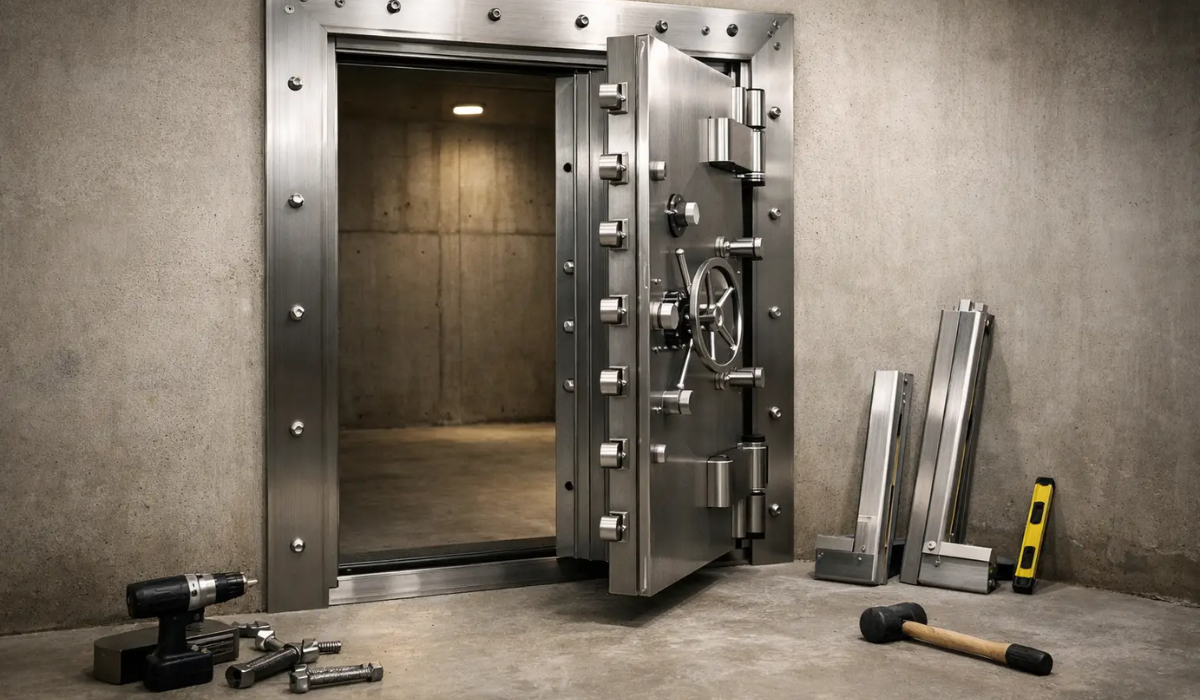
A vault door can weigh hundreds of pounds, but the part that often decides how well it performs is the frame. If you're shopping for a vault door frame kit, you're not just choosing a trim piece or an installation accessory. You're choosing the structure that supports the door, transfers weight into the wall, and helps the locking system do its job under real-world use.
That matters whether you're building a safe room, securing a gun room, or adding protected storage for documents, cash, and valuables. A good-looking vault door mounted to the wrong frame setup can lead to binding, uneven gaps, difficult installation, or weaker long-term performance. The right frame kit helps the door sit square, swing properly, and stay reliable over years of opening and closing.
What a vault door frame kit actually does
At a basic level, a vault door frame kit gives the door a secure mounting surface. But in practice, it does more than that. It creates the interface between the vault door and the surrounding wall, whether that wall is poured concrete, concrete block, or framed construction.
Most frame kits are designed around a specific rough opening and wall thickness. They may include the main steel frame components, anchor points or mounting provisions, and trim pieces that create a cleaner finished look. Some are meant to be cast into concrete during a new build, while others are made for retrofits where the room already exists.
This is why frame kits are not one-size-fits-all. The right choice depends on the door model, the wall material, the wall depth, and whether the project is new construction or an after-the-fact install.
Why the frame matters as much as the door
Buyers usually focus on the door slab, lock type, steel thickness, and fire protection. Those specs matter, but the frame is what allows those features to work as intended. If the frame is undersized, installed out of plumb, or poorly matched to the wall, even a high-quality vault door can become frustrating to use.
A heavy door puts constant stress on hinges and mounting points. Over time, a weak or poorly fitted frame can shift, especially if the surrounding structure is not adequate for the load. That can affect door alignment and seal performance. If your vault door includes an expanding fire seal, the frame fit also plays a role in how consistently that seal contacts the opening.
There is also the security side. A vault door is only as dependable as the structure holding it in place. The frame kit needs to work with the wall assembly, not just attach to it in the easiest way possible.
New construction vs retrofit vault door frame kit options
This is one of the first decisions to make, because it changes almost everything else.
New construction installations
If you're pouring concrete or building a dedicated safe room from scratch, a frame kit designed for new construction usually gives you the cleanest and strongest result. The frame can be set into the wall system as the room is built, which often improves fit and strength. It also gives you more flexibility on wall thickness, reinforcement, and final finish details.
For buyers building a storm shelter room, panic room, or reinforced gun room, this approach usually makes the most sense. It lets you plan the rough opening correctly from day one instead of trying to adapt later.
Retrofit installations
Retrofit frame kits are built for existing openings or rooms that are already framed and finished. They can still provide excellent results, but the measurement process matters more because you're working around a structure that already exists. Framing inconsistencies, drywall thickness, floor level, and available clearance all need a closer look.
Retrofit projects are often the right move when you're converting a closet, basement room, or storage room into a secure space. Just keep in mind that the frame kit has to match the real conditions on site, not the dimensions you hoped were there.
The measurements that matter most
A lot of installation problems start with one simple mistake: measuring the finished opening without confirming the rough opening, wall thickness, and floor condition.
Rough opening size
Every vault door and frame kit is designed for a specific opening range. Too small and the frame may not fit. Too large and you may lose the support needed for proper anchoring. Manufacturer specs should always drive this part of the decision.
Wall thickness
This affects how the frame seats in the opening and whether trim pieces will sit correctly. Some kits are made for standard framed walls, while others are intended for thicker masonry or poured concrete walls. If your wall assembly is unusual, such as layered sheathing over block or reinforced interior framing, that needs to be factored in before ordering.
Swing clearance
Many buyers think about opening width but forget about swing path. A heavy vault door needs room to open fully without hitting nearby walls, cabinets, stairs, or lighting. Out-swing and in-swing designs each have trade-offs. Out-swing doors can maximize usable interior space, while in-swing doors may better suit certain room layouts. Neither is automatically better. It depends on your room and your access needs.
Finished floor height
If the final floor surface changes after the frame is installed, door clearance can become an issue. Tile, rubber flooring, or raised thresholds can all affect swing and seal contact. This is especially relevant in safe rooms and gun rooms where finish materials may be added late in the project.
Material and build quality to look for
Not every frame kit is built to the same standard, and this is one place where the spec sheet deserves attention.
Look for steel construction that matches the seriousness of the door itself. A heavy-duty vault door paired with a lighter-duty frame is not an ideal combination. You also want to know how the frame is reinforced in hinge and lock areas, because those are the high-stress points during regular use.
Weld quality matters too. A clean finish is nice, but structural consistency is what really counts. If the frame is made in multiple sections for shipping or assembly reasons, ask how those sections are joined and what that means for final rigidity.
Finish may seem secondary, but it still matters in residential and business settings. Powder-coated steel tends to hold up well and gives the install a more finished appearance, especially if the frame remains visible around the opening.
Wall type changes the right answer
A vault door frame kit that works well in poured concrete may not be the best fit for a wood-framed wall, even if the opening dimensions are similar.
Concrete and block walls generally offer better structural support for the weight and security demands of a vault door. In those settings, the frame can often be anchored more directly and with greater confidence. Wood framing can still work, but it usually needs proper reinforcement, and the framing plan should be taken seriously. This is not the place for a light interior wall approach.
If you're securing firearms, heirlooms, or business cash, the point is not just to get the door attached. The point is to create a room assembly that performs like a secure room. The frame kit is one part of that system, and the wall construction is the other.
Common mistakes buyers make
The most common error is treating the frame kit like an afterthought. Buyers choose the door first, then try to make whatever frame option seems easiest fit the project. That can work, but it often creates extra labor or compromises the installation.
Another issue is underestimating weight and access during delivery and install. A vault door and frame kit may require equipment, extra labor, or staging space. That is worth planning ahead, especially in basements, tight hallways, or rooms with limited entry access.
There is also a tendency to assume all installers are comfortable with this kind of product. Some are, some are not. A general contractor may be excellent with framing and finish work but have limited experience aligning a high-weight security door. Asking detailed install questions upfront usually saves time and money later.
How to choose with confidence
The best way to shop for a vault door frame kit is to think in systems, not parts. Start with the door model you want, then confirm the required rough opening, wall type, wall thickness, and swing direction. From there, look at whether the project is new construction or retrofit and whether the room structure is sufficient for the load and security goal.
If you're comparing options, the right questions are practical ones. Is this frame kit made specifically for the door model? What wall types is it designed for? What rough opening does it require? Can it accommodate your finished wall thickness? Does the install method fit your project stage?
A good retailer should be able to walk through those details in plain English. That matters because most buyers only do this once, and getting it right the first time is far cheaper than correcting a bad fit after the fact.
When the frame matches the door, the wall, and the installation plan, the whole system feels different. The door closes cleanly. The gaps are consistent. The lock engages the way it should. And the room you built to protect what matters most starts acting like it was built for that purpose from the beginning.