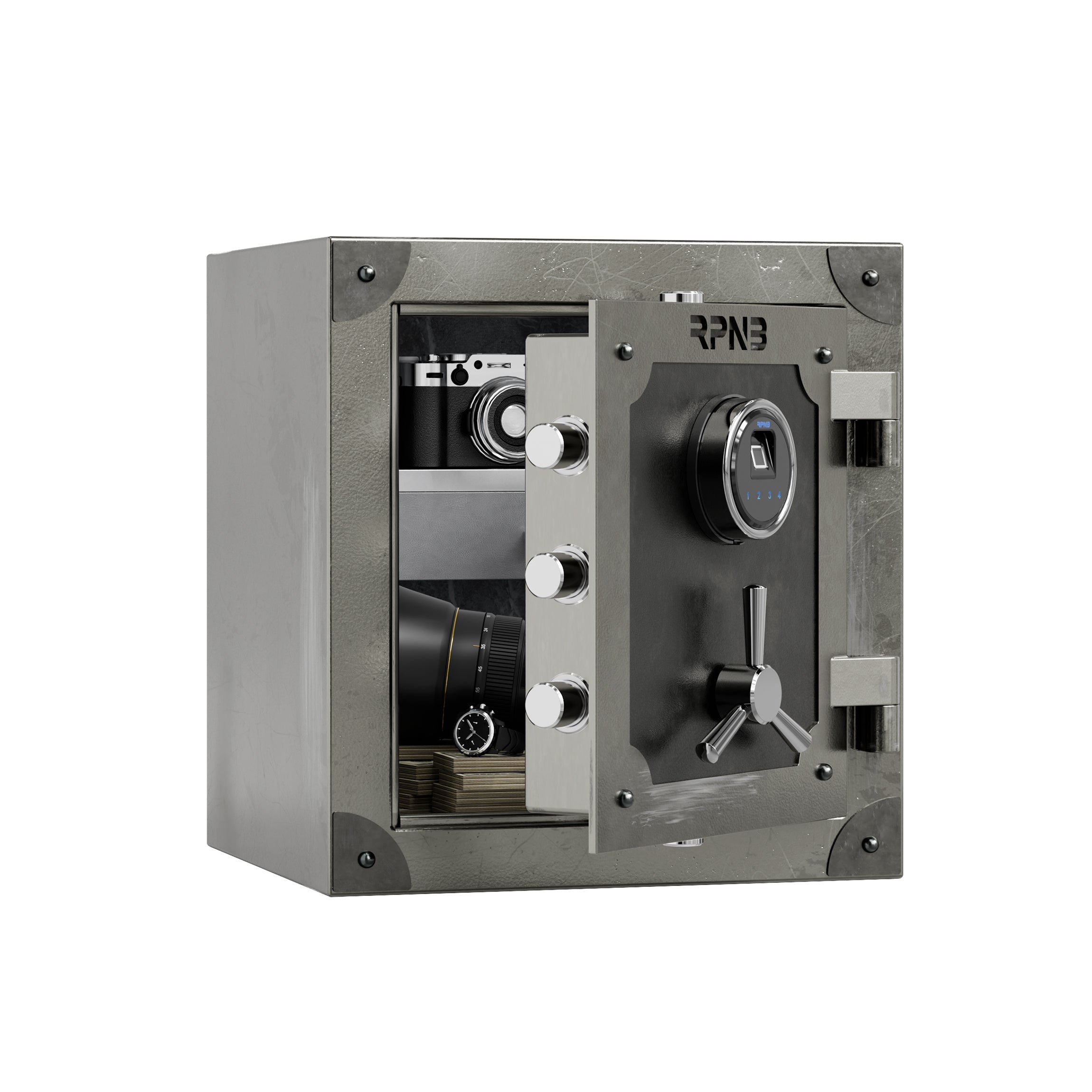
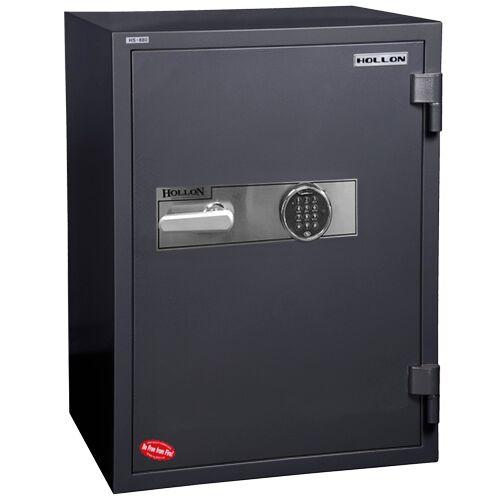
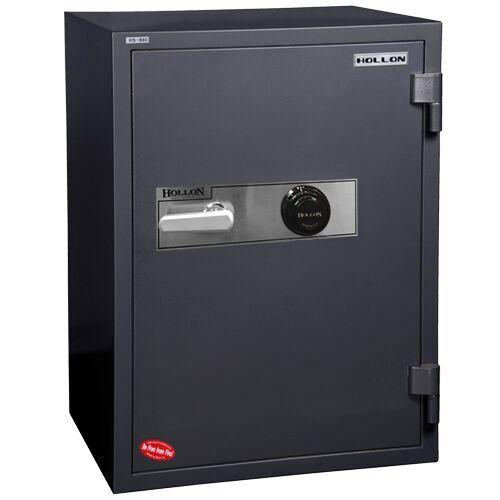
Most households buying a home safe are solving one of three problems: protecting documents and valuables from fire, keeping firearms away from children or opportunistic theft, or managing everyday cash and items that need fast access without being left in a drawer. The best home safe depends on which of those problems you're solving — and most buyers are solving more than one.
Location drives your decision more than most people realize. Wall safes give you concealment and can be hidden behind artwork or in a closet, but they are limited in size and harder to anchor solidly. Floor safes offer very strong anchoring and high concealment if installed under carpet or tile, but access is awkward and they are vulnerable if the floor is accessible. Freestanding safes give you the most size and flexibility but need to be bolted down; an unanchored freestanding safe is only as secure as how long it takes someone to carry it out.
Fire rating and security rating are separate specs that often get confused. A home safe with a good fire rating may have a thin body that can be pried open. A security-rated safe may have little or no fire insulation. For whole-home protection, a combination rating — UL fire certified plus an RSC burglary rating — gives you real coverage on both fronts.
| Type | Concealment | Anchoring | Max Size |
|---|---|---|---|
| Wall Safe | High | Studs (moderate) | Small to medium |
| Floor Safe | Very high | Concrete/subfloor (excellent) | Small to medium |
| Freestanding Safe | Low to moderate | Floor bolt (excellent) | Any size |
| Diversion / Furniture Safe | Very high | Furniture-dependent | Small |
Master bedroom closets are the most popular placement — out of casual sight but accessible. Avoid basements if flooding is possible. A second-floor closet or an in-wall installation in a less-obvious room is harder to locate quickly during a burglary — most break-ins last under 10 minutes.
Electronic keypads offer a strong balance of speed and reliability for most home users. Biometric locks add convenience but should always include a PIN backup. Mechanical combination locks are low-maintenance and nearly failure-proof — they're slower but eliminate battery concerns entirely.
Not always. A mid-size fireproof gun safe can double as a home safe for documents and valuables. If your firearm collection is small, consider a fire-rated gun safe that also stores documents. Larger collections or heavier security needs may warrant dedicated safes for each purpose.