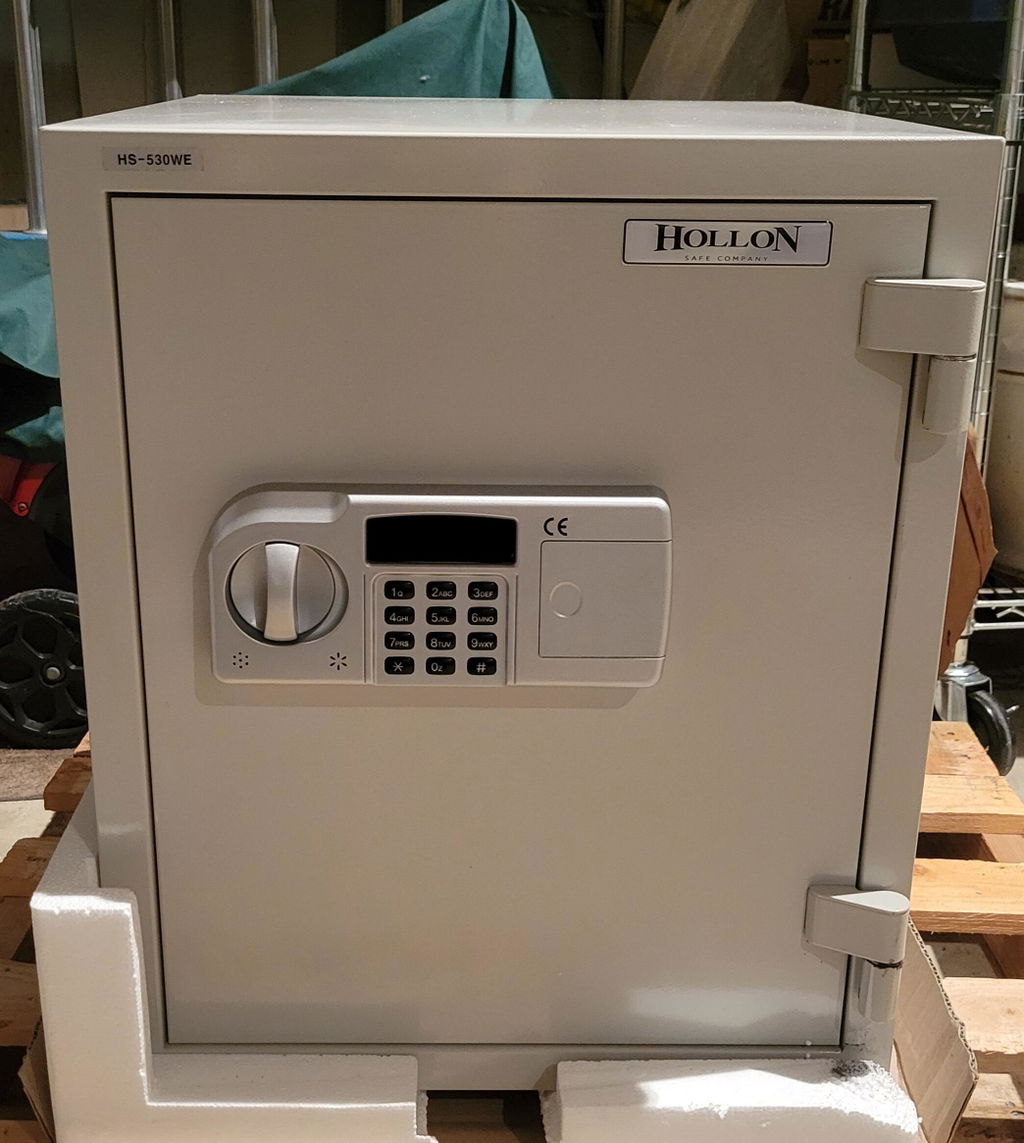
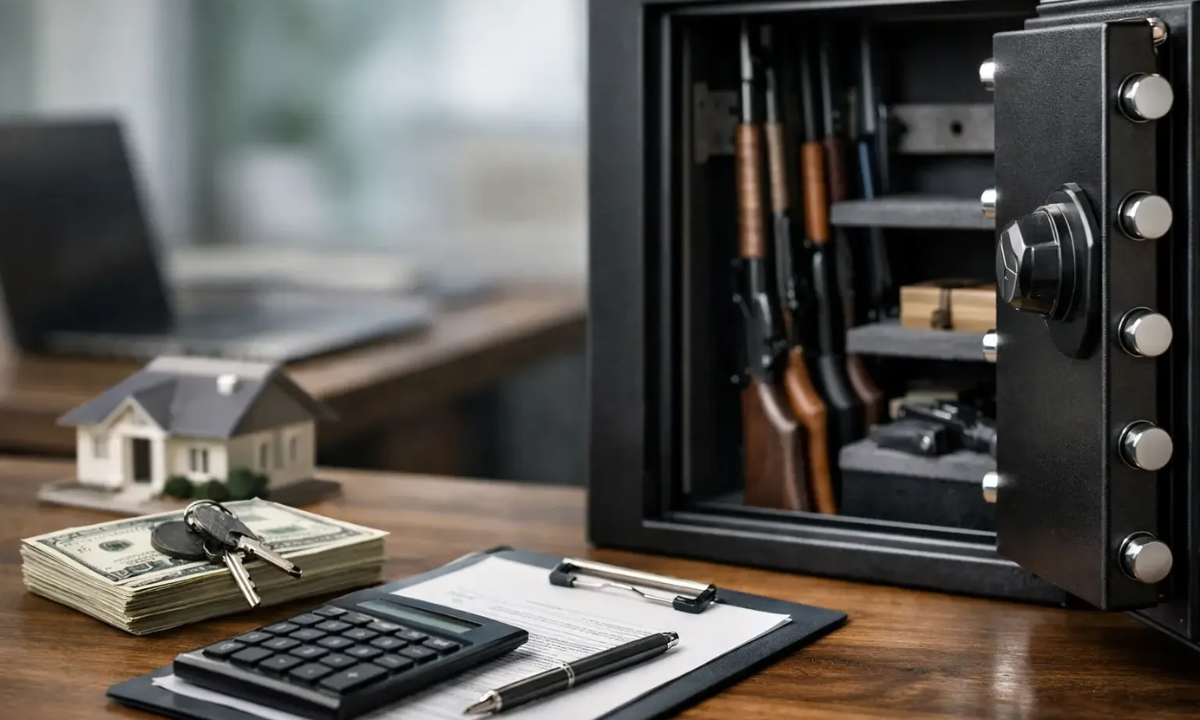
A quality gun safe can cost more than a first-time buyer expects, especially once you move beyond a basic cabinet and into fire protection, thicker steel, a reliable lock, and room for a growing collection. So, can you finance a gun safe? In many cases, yes. Financing can make responsible firearm storage more attainable without forcing you to choose the lowest-priced option simply because it is the only one you can pay for today.
The better question is whether financing helps you buy the right safe on terms that fit your household budget. A monthly payment can be useful, but it does not make a safe less expensive. Before applying, understand what is included, how interest may affect the total cost, and which security features are worth prioritizing for your firearms and home.
Can You Finance a Gun Safe Through a Retailer?
Many safe retailers offer financing through third-party lending partners at checkout or through a financing application. Approval, available loan amounts, payment schedules, and annual percentage rates vary by provider and by applicant. Some programs may offer promotional terms, such as deferred interest or reduced-rate financing for qualified buyers. Others offer fixed monthly installment loans with interest built into the payment schedule.
A retailer may also accept traditional credit cards, which can be another way to spread out a purchase. That route can make sense when you have a card with a low promotional rate and a clear payoff plan. It can be costly when a balance rolls into a high standard interest rate.
Financing availability is not a guarantee of approval, and specific offers can change. Review the actual disclosures presented before you accept any financing agreement. Pay attention to the APR, number of payments, payment due date, late-payment consequences, and total amount you will pay over the life of the loan.
For many buyers, the value of financing is timing. A responsible gun owner may need secure storage now because a child is becoming mobile, a firearm is moving from a temporary storage arrangement into the home, or a collection has outgrown a small safe. Waiting months to save the full purchase price may not be the best security outcome. Financing can bridge that gap if the payment is comfortable and the terms are clear.
Start With the Safe You Need, Not the Monthly Payment
Monthly payments are easy to focus on because they make a large price tag feel manageable. But a low payment can result from a longer term, which may increase your total cost. More importantly, it can distract from whether the safe actually provides the protection you need.
Start with your use case. A bedside quick-access handgun safe serves a different purpose than a full-size rifle safe. A small biometric safe may provide faster access for a defensive handgun, while a larger fire-rated safe can help store long guns, ammunition, important documents, and valuables in one protected location. Neither category automatically replaces the other.
For a full-size gun safe, look beyond the advertised gun count. Manufacturers often calculate capacity using tightly arranged, unscoped rifles. If you own optics, shotguns, larger-caliber firearms, handguns, accessories, or expect your collection to grow, choose more interior space than the published number suggests. A safe that is packed too tightly is frustrating to use and harder to organize safely.
Security specifications matter, too. Consider the steel construction, boltwork, door design, lock type, and included anchoring hardware. A UL-listed electronic lock can provide a recognized level of lock performance. A mechanical lock may appeal to buyers who prefer a traditional, battery-free design. Biometric locks offer speed, but quality varies, so assess their backup access method and overall construction rather than choosing based on fingerprint access alone.
Fire protection is another separate decision. A fire rating describes how long a safe is designed to protect its contents under stated test conditions. If you are storing documents, heirlooms, or firearms in an area where fire exposure is a concern, a verified fire rating can justify a higher purchase price. Keep in mind that fire resistance and burglary resistance are not identical. A safe can be strong in one area without offering the same level of protection in the other.
What Should Your Financing Payment Cover?
The safe itself is only part of the project. A 700-pound safe delivered to your driveway is not necessarily installed where you need it. Before comparing financing offers, calculate the complete cost of putting the safe into service.
That may include threshold or room-of-choice delivery, professional installation, stair carries, floor protection, bolting, and electrical work for an outlet or dehumidifier. The right setup depends on the safe's weight, the route through your home, flooring, and whether the intended location can support the load. Never assume a large safe can be moved safely by a few friends. It can damage floors, walls, and people in seconds.
Anchoring deserves special attention. A safe that is not anchored may still deter casual access, but determined thieves can remove an unsecured safe and attack it elsewhere. Many gun safes include pre-drilled anchor holes or mounting hardware, but the installation surface and fasteners must be appropriate for the location. If drilling into a slab, raised foundation, or upper-floor structure raises questions, a professional installer can help identify a sound approach.
If a financing plan allows you to cover delivery and installation alongside the safe, that can be practical. It is only wise if the added payment still fits comfortably within your budget. Do not finance optional upgrades just because they add a small amount to the monthly bill. Focus first on safe capacity, construction, a dependable lock, and secure installation.
Compare Financing Terms With the Same Care as Safe Specs
When you compare safes, you would not look only at the exterior color. Financing deserves the same level of attention. Two offers with identical monthly payments may have very different terms.
Review these four details before committing:
- APR: This is the annual cost of borrowing. A lower APR generally means less interest paid, assuming similar terms.
- Loan term: Longer terms often reduce the monthly payment but can raise the total amount paid.
- Promotional conditions: Deferred-interest offers can charge interest retroactively if the balance is not paid in full by the promotional deadline. Read the conditions carefully.
- Early payoff rules: Confirm whether you can pay extra or pay the balance off early without a penalty.
A simple comparison can prevent an expensive mistake. Imagine a $2,000 safe purchase. A shorter financing term might have a higher monthly payment but lower total interest. A longer term may feel easier month to month, yet leave you paying substantially more for the same safe. If the shorter payment strains your budget, choosing a lower-priced model or saving for a larger down payment may be better than stretching the term too far.
It also helps to separate a purchase you can afford from a purchase you can technically qualify for. Approval limits are not a recommendation. Leave room in your monthly budget for home repairs, insurance deductibles, and the ordinary surprises that can turn an affordable payment into a burden.
When Financing a Gun Safe Makes Sense
Financing can be a sensible option when secure storage is an immediate need and you have stable income, a realistic payoff plan, and enough room in your budget for the payment. It can also make sense when it lets you choose a properly sized, well-built safe rather than settling for inadequate storage that you will need to replace soon.
For example, a family adding its first firearm may decide that a securely anchored, quick-access handgun safe is more responsible than leaving the firearm in a nightstand while they save for a larger unit. A collector may finance a larger fire-rated safe after realizing that several smaller safes create more access points and less organized storage. A business owner may use financing for a depository safe when improved cash control and employee safety are immediate operational needs.
At Secure Zoned, buyers can compare safes by purpose and protection level, then consider financing options without losing sight of delivery, placement, and installation. The right purchase is the one that protects what matters most without creating avoidable financial pressure.
When It May Be Better to Wait or Choose Differently
Financing is not automatically the right move. If your income is uncertain, you are already carrying high-interest debt, or the payment would require you to skip essentials, waiting may be the safer financial decision. In the meantime, consider secure temporary storage that still keeps firearms inaccessible to unauthorized users, and follow all applicable laws and household safety practices.
It may also be worth choosing a simpler model if it meets your actual needs. Not every home requires a premium, multi-thousand-dollar safe with a long fire rating and elaborate interior. Conversely, a bargain unit is not a bargain if it is too small, cannot be anchored properly, or lacks the protection your situation calls for. Match the safe to the risk, not just the sale price.
A gun safe is a long-term piece of security equipment. Take measurements, confirm the installation path, decide which protection features matter most, and read the financing agreement as carefully as the safe specifications. A payment plan should support responsible storage, not rush you into the wrong safe.