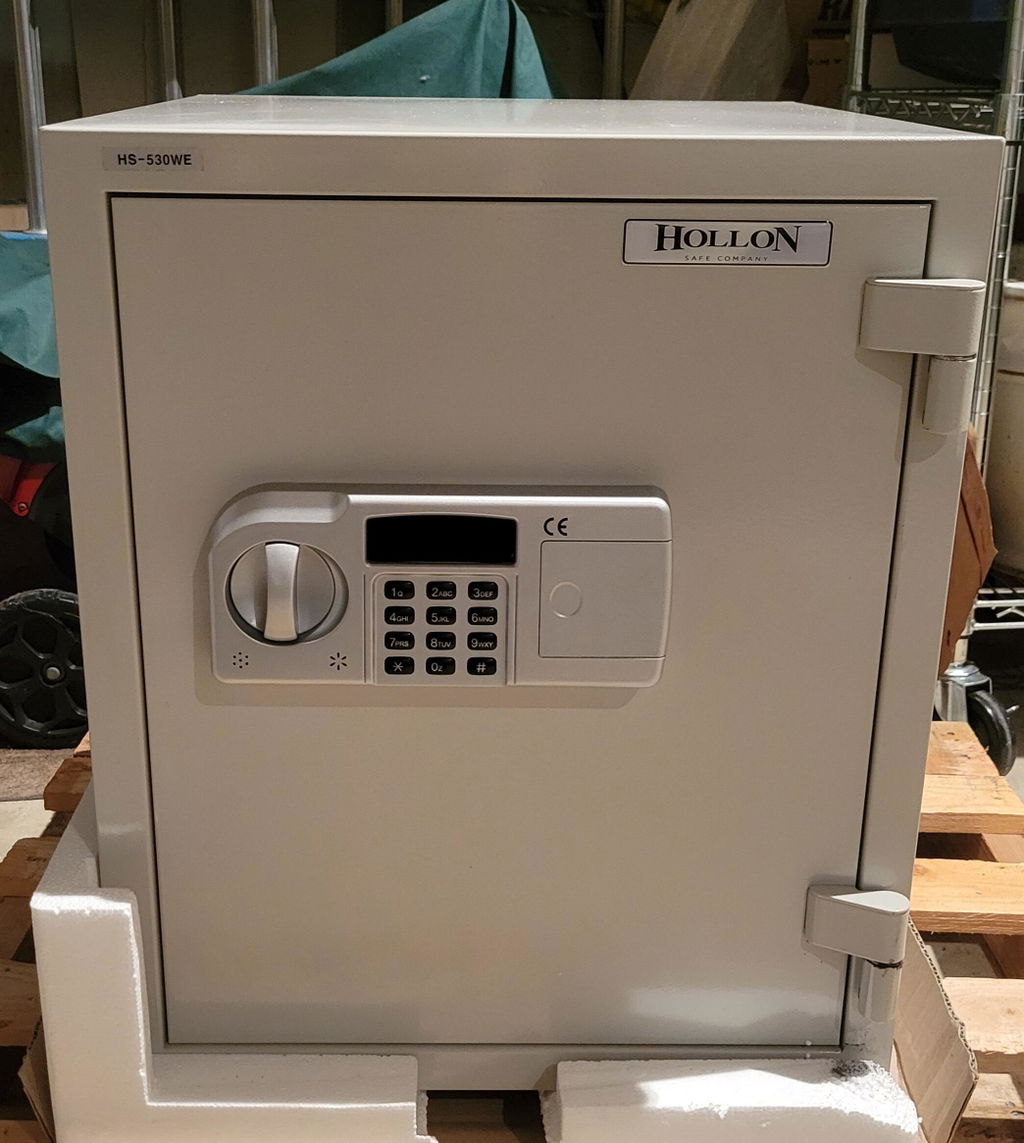
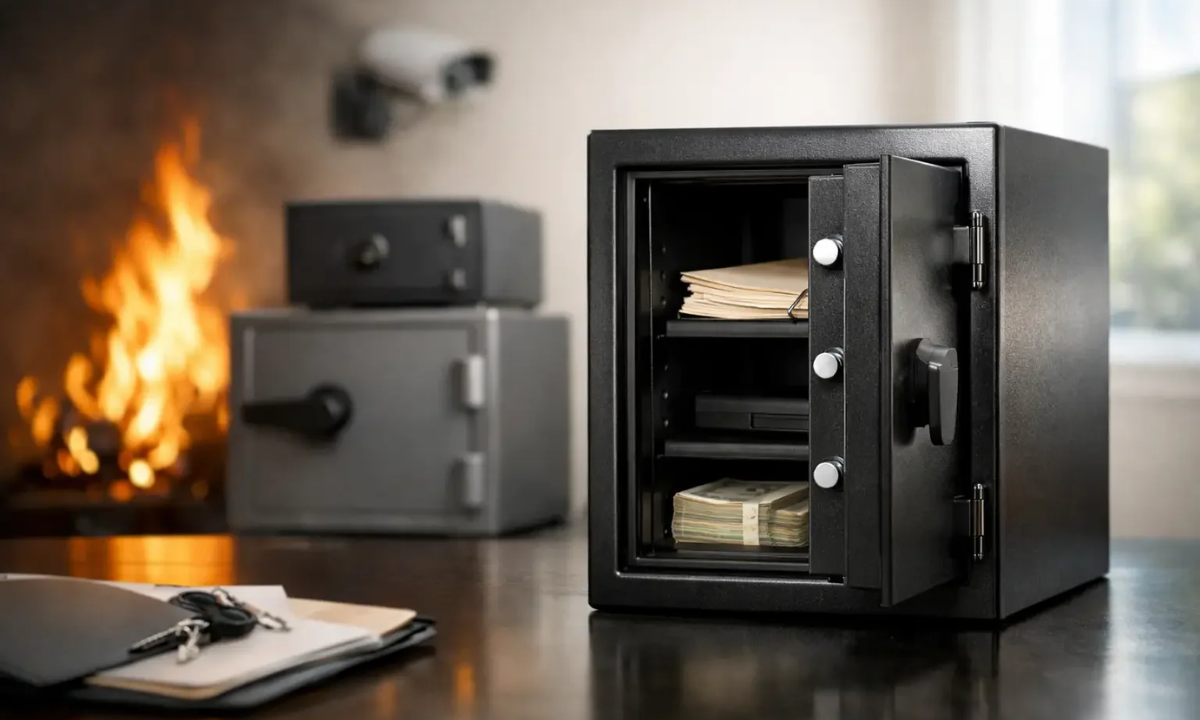
A house fire moves faster than most people expect. By the time firefighters arrive, room temperatures can climb high enough to destroy paper records, family photos, backup drives, jewelry packaging, and cash stored in ordinary drawers. A fire safe guide starts with one practical truth: a safe is not simply a metal box. Its fire rating, construction, location, and capacity all affect what may still be protected after the fire is out.
For homeowners, collectors, gun owners, and business operators, the goal is not to buy the highest number on a product tag. It is to choose a safe that protects the items you actually have, for the realistic amount of time and heat exposure your property could face.
What a Fire Rating Actually Tells You
A fire rating generally describes how long a safe was tested to maintain a limited internal temperature while exposed to high heat. You may see ratings such as 30 minutes, 60 minutes, 90 minutes, or two hours, often paired with a test temperature such as 1,200°F, 1,550°F, or 1,700°F.
Those numbers are useful, but they should be read together. A safe rated for one hour at 1,700°F is not directly comparable to one rated for one hour at a lower test temperature. The testing method, internal-temperature threshold, and certification source matter too. A recognized independent test or UL-related listing offers more confidence than a broad marketing claim with no test details.
Paper documents are commonly protected when the safe’s interior stays below about 350°F. That is why many fire-rated document safes are designed around that threshold. Digital media is more sensitive. USB drives, external hard drives, discs, and older photo media can be damaged at temperatures far below the point where paper chars. If digital records are a priority, consider a media-rated container or separate fire-rated media storage rather than assuming any fire safe will protect electronics.
A longer fire rating usually means more insulation, more weight, and a higher price. That trade-off can be worthwhile for irreplaceable records or valuables, especially in larger homes or rural areas where fire response may take longer. For a small apartment with a quick local response, a quality one-hour safe may be a sensible balance. The right choice depends on your risk, not just the biggest rating available.
Fire Protection Is Different From Burglary Protection
This distinction is where many buyers get caught off guard. A fire safe can be excellent at insulating its contents yet offer limited resistance to forced entry. Conversely, a high-security burglary safe may use thick steel, a UL-listed lock, hard plate, relockers, and serious boltwork, but have only modest fire protection.
If you are protecting passports, tax records, wills, backup drives, and a small amount of jewelry, a purpose-built fire safe may fit the job well. If you are storing expensive jewelry, large amounts of cash, collectible firearms, or business assets, you may need both meaningful fire protection and burglary resistance.
For higher-value contents, look beyond phrases like “fireproof.” Review the steel thickness, door construction, lock type, bolt system, anchor holes, and burglary rating. TL-15 and TL-30 safes, for example, are built for substantially more serious attack resistance than a typical residential fire safe. They are heavier, more expensive, and often require professional delivery and placement, but the protection level is in a different category.
Gun owners should make the same distinction. Many gun safes offer fire ratings, but their burglary protection, lock quality, body thickness, and anchoring options vary widely. A fire-rated gun safe can help protect firearms and related documents during a fire, while proper locking and anchoring help prevent unauthorized access and theft.
Choosing the Right Fire Safe Size
The most common sizing mistake is buying for what you own this year. Records grow. A home safe that initially holds a few folders can quickly fill with property documents, insurance paperwork, family photos, jewelry boxes, small heirlooms, and backup drives.
Start by gathering the items you want to protect and measuring the bulkiest ones. Legal-size document folders, binders, jewelry cases, and small lockboxes take up more room than expected. Then leave extra capacity. A safe that is roughly one-third empty on day one is often more useful than one that is packed tight from the start.
External dimensions matter just as much as interior space. Measure doorways, stairwells, closets, cabinet openings, and the final installation area. Account for the door swing and handle clearance. A safe may fit into a closet footprint but become frustrating to use if the door cannot open fully.
Weight deserves planning as well. Quality fire insulation and steel add up quickly. Small document safes can be manageable, but larger fire-rated safes may weigh several hundred pounds or more. Confirm that the floor can support the load and decide how the safe will be moved into place before ordering. This is especially relevant for upstairs locations, older homes, and commercial spaces with limited access.
A Fire Safe Guide to Placement and Anchoring
Placement affects both convenience and survival. The best location is usually secure, accessible, and away from obvious fire risks. Avoid placing a safe immediately beside a furnace, fireplace, electrical panel, or garage area where flammable materials may be stored.
Basements can offer some protection from direct flames, but they introduce a water risk. Firefighting efforts, burst pipes, and sprinkler systems can leave standing water behind. If you place a safe in a basement, waterproofing and elevation become more valuable. A raised platform can help keep the safe above minor flooding, provided it does not compromise stability or anchoring.
Anchoring is one of the most practical theft deterrents available. A portable safe can be carried away and attacked elsewhere. When a safe includes pre-drilled anchor holes and the manufacturer allows it, securing it to a concrete floor or structural surface makes removal far more difficult. Follow the manufacturer’s installation instructions carefully. Drilling unauthorized holes can weaken fire protection or affect a warranty.
Do not rely on hiding alone. A concealed location can add a layer of discretion, but it is not a substitute for solid construction, a reliable lock, and proper anchoring. For many homeowners, a closet installation balances privacy with day-to-day access.
Water Resistance: Useful, but Read the Fine Print
Fire and water protection are often sold together, but they are not the same feature. Some safes include water-resistant seals intended to protect against temporary submersion or water spray. Others are only designed to resist moisture during a fire. The difference matters after a fire, when water damage can be as destructive as heat.
Check the manufacturer’s stated water test, including depth and duration. A claim of water resistance does not necessarily mean the safe will survive a flooded basement for days. If you store documents, photographs, or electronics, place them in sealed document bags or waterproof pouches inside the safe for another layer of protection. That simple step is inexpensive and can reduce damage from humidity, leaks, or firefighting water.
Lock Types and Daily Access
A fire safe should be easy enough to use consistently. If opening it feels inconvenient, critical documents may end up back in a desk drawer. Electronic locks offer quick access and simple code changes, while mechanical dial locks do not require batteries. Biometric locks can be useful for authorized quick access, but quality varies, and they should be evaluated for backup entry options.
For document storage, a dependable electronic or mechanical lock is often sufficient. For valuables, firearms, or commercial cash handling, prioritize recognized lock listings, audit features where appropriate, and reliable override procedures. Keep backup keys, override codes, and lock documentation separate from the safe itself.
Businesses should also consider who needs access and when. A retail store may benefit from a depository safe that allows cash drops without granting staff full access to the contents. An office storing records may need larger internal capacity and a fire-rated filing solution rather than a compact home safe.
Build Protection Around What Matters Most
The best fire safe is the one matched to your contents, risk level, space, and access needs. Choose a verified fire rating for the items you are protecting, add burglary resistance when the value calls for it, and plan placement before delivery. Secure Zoned can help buyers compare those specifications without treating every safe as if it solves the same problem.
A carefully chosen safe will not erase the damage of a fire, but it can preserve the documents, valuables, and records that make recovery possible when the rest of the room is gone.