A missing $20 bill can be written off. A recurring pattern of missing cash, merchandise, keys, or returns can quietly change a store’s margins, staffing decisions, and sense of safety. Retail theft is not limited to someone walking out with unpaid merchandise. It can involve cash drawer shortages, fraudulent returns, unauthorized discounts, employee theft, after-hours break-ins, and poor key control.
For small retailers, the goal is not to turn the store into a fortress or make honest customers feel unwelcome. The goal is to build practical layers of protection around the things most likely to be targeted: cash, high-value inventory, store access, and daily procedures. The right approach depends on your store layout, operating hours, cash volume, and the value of goods you carry.
Why Retail Theft Is a Business Systems Problem
A camera, alarm, or safe can be valuable, but no single product solves retail theft on its own. Loss usually happens where opportunity and inconsistency meet. A busy employee leaves a register open while helping a customer. Cash sits overnight in an unanchored office safe. Too many people know an alarm code. A return policy is unclear enough that employees apply it differently from one shift to the next.
That is why effective loss prevention starts with clear routines. Staff should know who can access the register, who can authorize a refund, when cash drops happen, and where keys are stored. These standards protect the business, but they also protect good employees from suspicion when discrepancies appear.
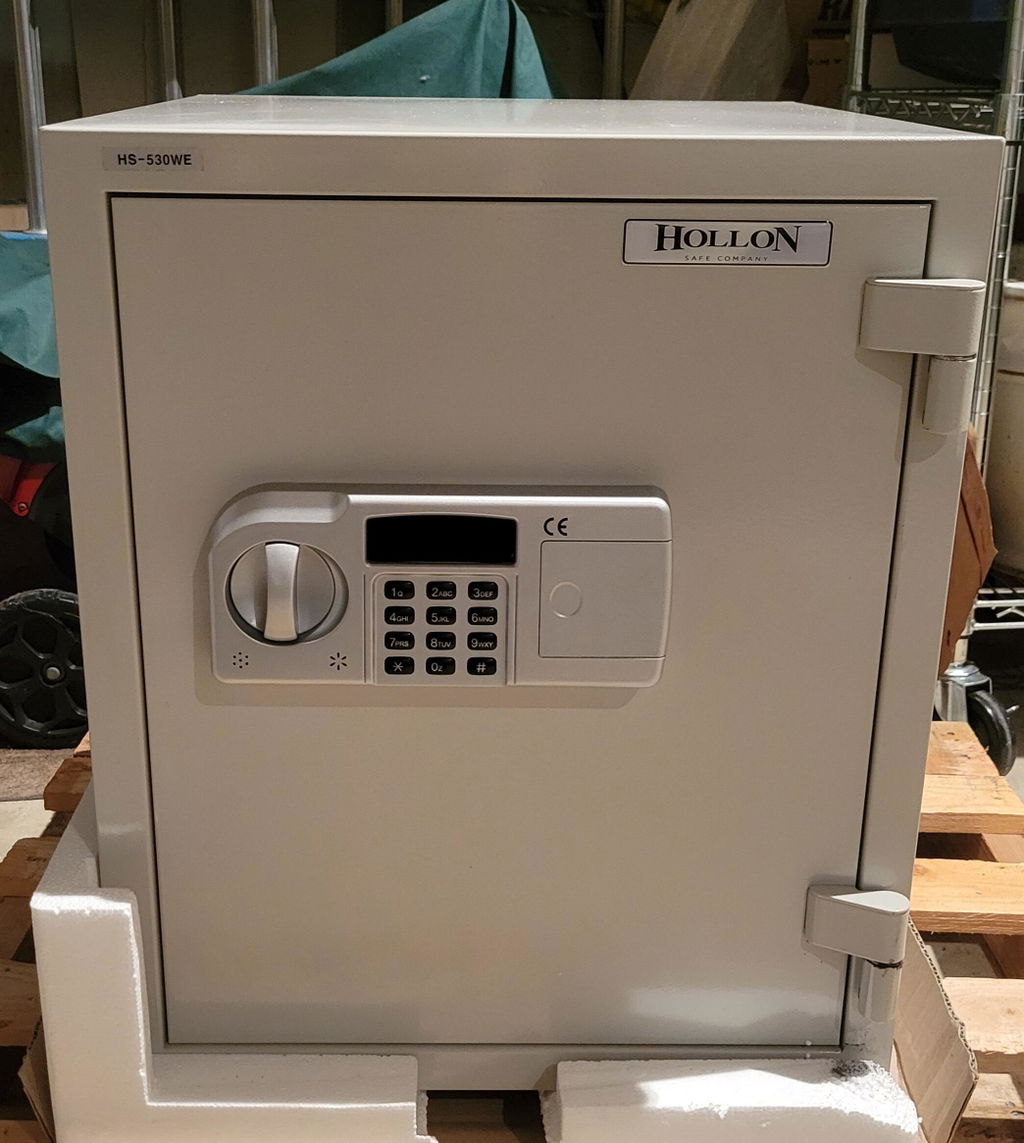
Physical security supports those routines. A depository safe, for example, gives employees a way to make cash drops without granting them access to the safe’s main compartment. That creates accountability while reducing the amount of cash exposed at the register or in the back office.
Start With the Risks in Your Own Store
Not every business needs the same level of protection. A boutique with limited cash and high-value handbags has a different risk profile than a convenience store with frequent cash transactions. A restaurant may be more concerned with nightly deposits, while a pharmacy may need stricter controls around prescription access and sensitive records.
Walk through the business as if you were looking for easy opportunities. Pay attention to blind spots near fitting rooms, back exits, receiving areas, and cash wrap counters. Look at what happens during shift changes and closing time. Those transition periods often create confusion around who is responsible for cash, keys, and inventory.
Also consider what would happen after a burglary attempt. If a thief can carry off the safe, its lock rating matters far less than its weight and anchoring. If the safe holds cash that must be deposited throughout the day, access design matters more than interior shelving. Matching the safe to the actual workflow is what makes the investment useful.
Build Layers That Deter Theft Without Disrupting Sales
Visible security measures can discourage opportunistic theft, but the customer experience still matters. A clean, well-managed store with attentive staff is often harder to target than one with confusing sightlines and unattended counters.
Start with the basics: maintain clear views across the sales floor, keep high-value goods within staff sightlines, and greet customers promptly. A genuine greeting is good service, and it signals that the store is attentive. Keep displays organized so employees can recognize when an item is missing or out of place.
For merchandise that is small, expensive, or easy to conceal, it may make sense to use locked display cases, secured hooks, or staff-assisted access. This is a trade-off. Too much friction can slow a sale, especially for products customers expect to handle. Reserve stronger controls for items with a history of loss or a value that justifies the added process.
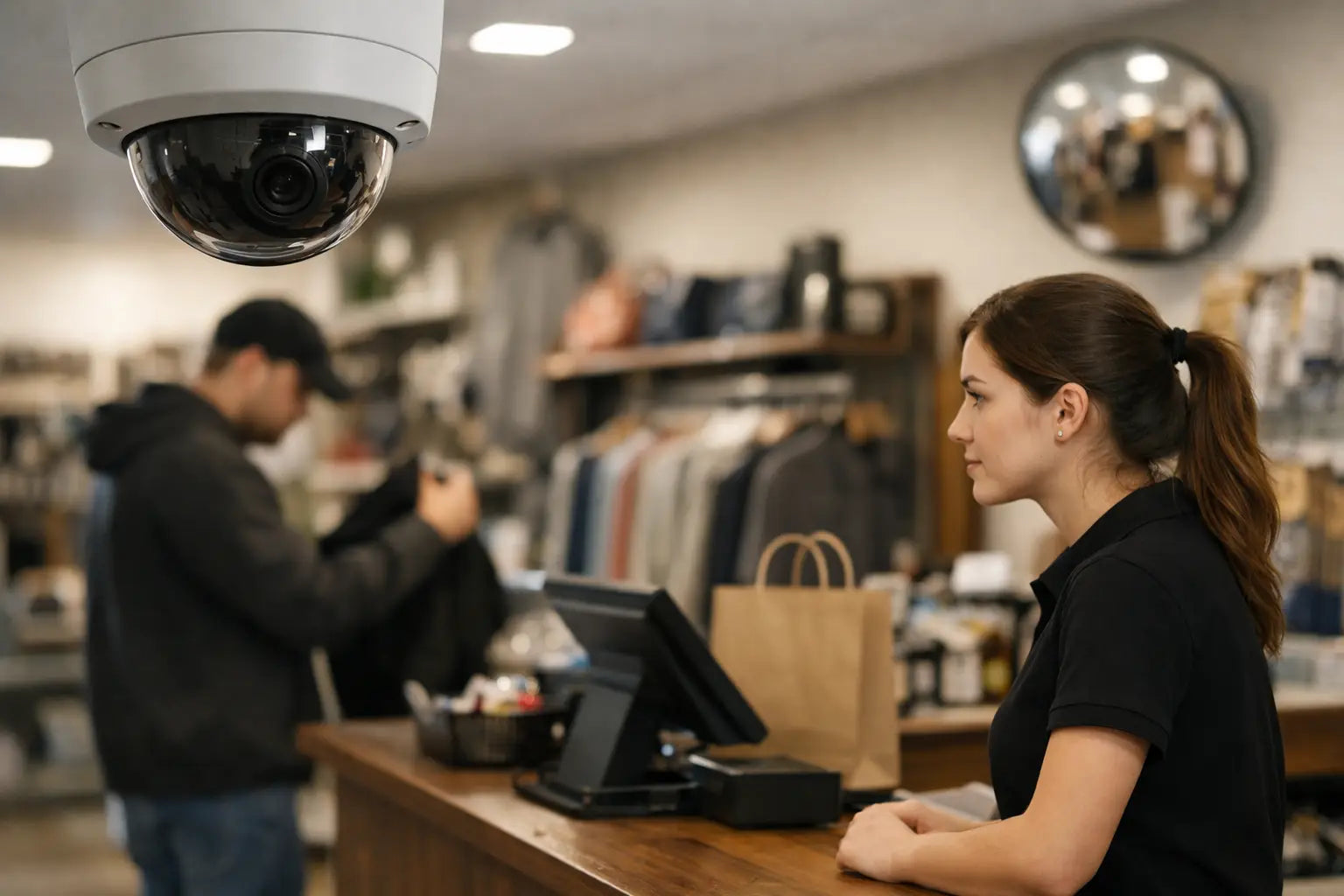
Cameras are most useful when they cover decision points, not merely wide views of the room. Capture entrances, registers, receiving doors, safes, and any area where employees process returns or handle cash. Good lighting, correctly positioned cameras, and a documented retention policy are more valuable than a large number of poorly placed cameras.
Control Cash Before It Becomes a Target
Cash handling is one of the most practical places to reduce retail theft. The less cash sitting in a drawer, the less attractive that drawer becomes to both internal and external theft. Establish a starting cash amount for each register and verify it at opening and closing. Avoid informal borrowing from the drawer, even for small purchases or temporary change needs.
Regular cash drops are particularly important for businesses with high transaction volume. A depository safe allows a manager or employee to deposit bills through a slot or drawer while keeping the main compartment inaccessible. Depending on the model, the safe may use a dual-key, electronic, or time-delay lock system for controlled access.
For an overnight cash safe, look beyond lock type alone. Consider the steel construction, door design, bolt work, relocking features, and whether the safe can be anchored to a concrete floor. An electronic lock can be convenient for authorized managers, while a dual-control setup may suit operations that want two people involved in opening the safe. There is no universal best choice. The right configuration reflects who needs access, when they need it, and how much cash is stored.
If the business keeps significant cash on premises, a burglary-rated safe may be appropriate. TL-15 and TL-30 ratings indicate that a safe has been tested against specified burglary attack methods for 15 or 30 minutes, respectively. They are a different category from a basic cash box or light-duty office safe. Insurance requirements, local risk, and cash exposure should guide that decision.
Reduce Employee Theft With Clear, Fair Procedures
Employee theft is difficult to discuss because most employees are trustworthy and essential to the business. Still, strong controls are not an accusation. They set expectations and reduce the temptation or opportunity for a bad decision.
Limit register credentials so each transaction can be tied to a specific employee. Require manager approval for voids, refunds, price overrides, and unusually large discounts. Review exception reports consistently rather than only after a shortage appears. Consistency matters because irregular enforcement can create resentment and leave real problems hidden.
Key control deserves the same attention as cash control. Track who has keys to the office, stockroom, safe, and exterior doors. When an employee leaves, recover keys and change codes as needed. For businesses with several managers or service vendors, a commercial key cabinet or controlled-access system can prevent keys from circulating without a record.
A practical closing routine should cover at least four actions:
- Reconcile each register and document any variance.
- Make scheduled cash drops and secure funds for the night.
- Confirm that exterior doors, receiving areas, and restricted rooms are locked.
- Verify that alarm procedures, keys, and safe access are controlled before the last employee leaves.
Choose a Safe Based on the Job It Must Do
The word “safe” covers a wide range of products. A compact deposit safe may be ideal for a small counter operation, while a larger commercial safe may be needed for envelopes, deposit bags, documents, or multiple days of cash. A fire-rated safe can help protect paper records during a fire, but fire protection does not automatically mean strong burglary resistance. Likewise, a heavy burglary-rated safe may not provide the fire rating a business needs for records.
Measure the installation area carefully, including door swing, hallway width, stairs, and delivery path. Weight is a security advantage, but it also affects placement and installation. Many commercial safes should be professionally anchored, particularly when they are located in an accessible back office. A secure safe that is not installed correctly can become the weakest part of the plan.
At Secure Zoned, businesses can compare depository, office, pharmacy, and higher-security safe options by the specifications that matter most: lock type, steel construction, fire rating, burglary rating, capacity, and mounting features. The best choice is the one that improves daily control without creating shortcuts employees will work around.
Respond to Incidents With Documentation, Not Guesswork
When theft is suspected, avoid confronting someone without facts or putting employees in danger. Preserve camera footage, transaction records, inventory counts, and access logs. Write down dates, times, involved procedures, and any observed pattern. If there is an immediate safety threat or a crime in progress, follow your established emergency procedures and contact law enforcement.
Afterward, look for the process gap. Was the register shared? Was a stockroom door left unsecured? Did the safe access policy make routine cash drops too difficult? A theft incident can reveal an equipment need, but it can also reveal a training or workflow issue. Address both.
A well-protected store still feels like a place people want to shop and work. Put the strongest controls around the highest-risk assets, make expectations clear, and choose security equipment that fits the way your business actually operates. That balance gives your team a safer, more confident way to protect what they work hard to build.