A missing master key can turn into a very expensive afternoon. One employee cannot open the supply room, another cannot get into a service vehicle, and suddenly a simple key ring problem becomes a security issue, an operations issue, and a customer service issue. If you are shopping for the best key cabinet for small business use, the right choice is usually less about finding the biggest box and more about getting control, accountability, and the right level of protection for the keys you actually manage.
For most small businesses, a key cabinet sits in the background until something goes wrong. That is exactly why it deserves a little more thought before you buy. A good cabinet keeps keys organized, limits casual access, reduces loss, and helps you know who had what and when. But not every business needs the same setup. A property manager handling dozens of unit keys has a different risk profile than a retail store securing back office, alarm, and cash room keys.
What makes the best key cabinet for small business use?
The best choice balances three things: capacity, access control, and physical security. If one of those is off, the cabinet becomes frustrating to use or too easy to defeat.
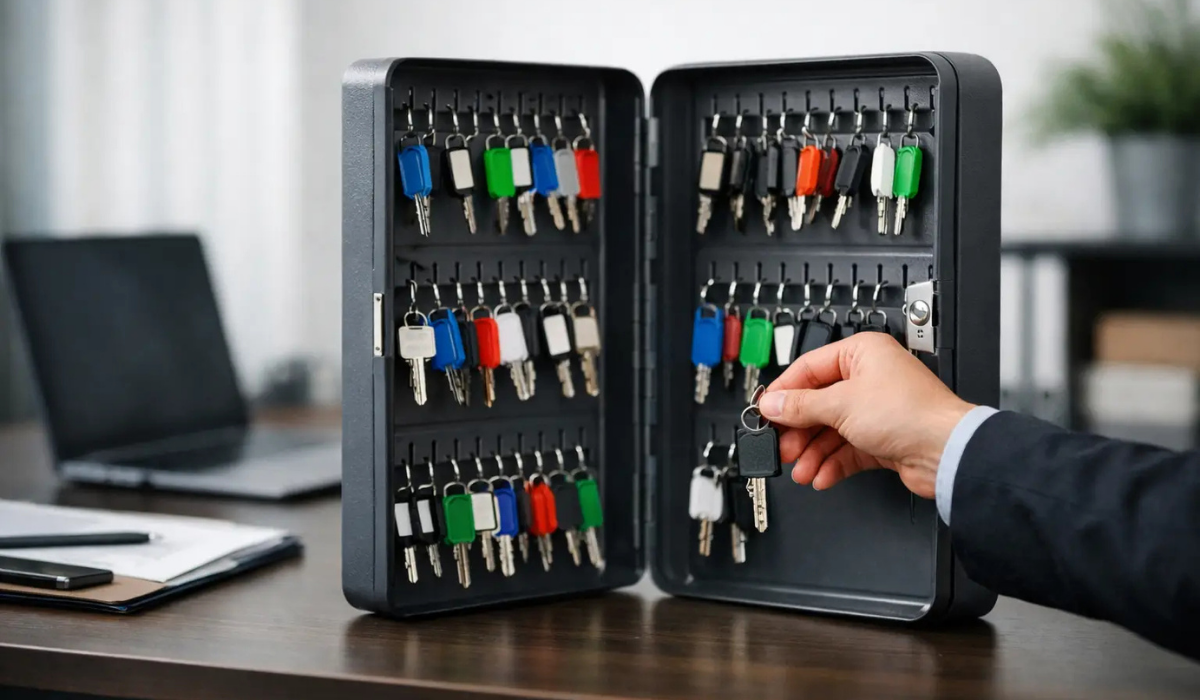
Capacity sounds simple, but it is where many buyers get it wrong. If you need storage for 40 keys today, buying a 40-key cabinet is usually too tight. Keys multiply. You add a spare for a manager, a duplicate for a cleaner, a new lock for a side entrance, or a fleet key for a replacement vehicle. A cabinet with room to grow keeps you from replacing it in a year.
Access control matters just as much as storage. A basic lockable cabinet may be enough for a small office with two trusted staff members. It may not be enough for a restaurant, auto shop, apartment office, or medical practice where multiple people need controlled access throughout the day. In those settings, the difference between a simple mechanical lock and a better controlled access system can mean fewer lost keys and fewer uncomfortable conversations later.
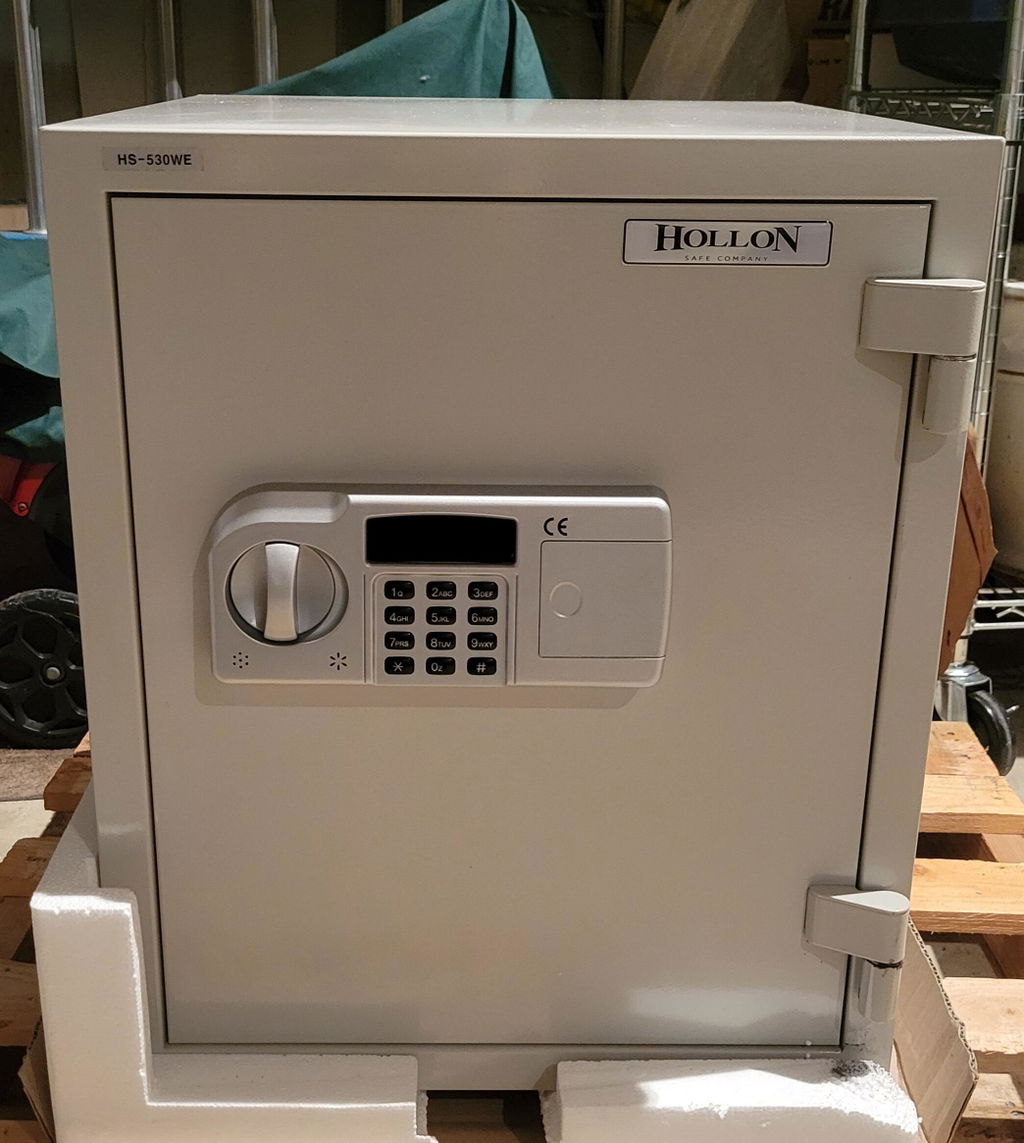
Physical security is the third piece. A key cabinet is not a burglary safe, and it should not be treated like one. Its job is to organize and protect keys against casual theft, unauthorized handling, and day-to-day disorder. If the keys inside grant access to cash, firearms, controlled substances, high-value inventory, or restricted records, then the cabinet is part of a bigger security plan. In that case, wall construction, mounting method, cabinet steel, lock quality, and placement all matter more.
Start with your actual key risk
Before comparing models, look at the consequences of losing or exposing your keys. That tells you how much cabinet you really need.
If your keys open janitorial closets, storage cages, or interior office doors, a standard locking cabinet may be perfectly appropriate. If they open service vehicles, alarm panels, liquor storage, pharmacy cabinets, or expensive equipment rooms, your threshold should be higher. You want a stronger cabinet, better user accountability, and a location with limited visibility.
This is where buyers sometimes overspend or underspend. A small business does not always need an advanced electronic key management system. At the same time, a thin metal cabinet with a basic cam lock may be too light-duty if key access is tied directly to theft risk or liability. The right answer depends on what the keys can unlock, not just how many hooks are inside the cabinet.
Choosing the right cabinet size
A cabinet that is too small becomes messy fast. Tags overlap, spare keys get clipped together, and users start leaving keys on desks because the return process is annoying. Once that happens, the cabinet stops doing its job.
For many small businesses, a practical starting point is to buy at least 20 to 30 percent more capacity than your current key count. If you manage 25 keys, look at something closer to 32 or 40 positions. If you already have 60 keys across staff, doors, storage units, and equipment, a 100-key cabinet may be the better long-term move.
Interior layout also matters. Adjustable hook rails, numbered slots, and clear key tags sound basic, but they save time and reduce mistakes. A cabinet that is technically large enough but poorly organized often causes the same headaches as one that is undersized.
Lock types and what they mean in real life
The lock is the first major decision, and it should match how your staff actually works.
A keyed lock is simple and affordable. It works well when only one or two people should access the cabinet. The downside is obvious - you now need to secure the cabinet key too. If that key gets copied or carried casually, your control breaks down.
A combination lock avoids the extra cabinet key, which some owners prefer. It can be a good fit for low-turnover teams where only managers know the code. The trade-off is that shared codes can spread quickly unless you change them whenever staffing changes.
An electronic lock adds convenience and often improves control. Staff can use a code, and in some setups managers can change users without replacing hardware. For businesses with shift changes or several supervisors, this is often the sweet spot between basic security and usability.
If you need a clear audit trail showing who accessed keys and when, that is when you move beyond a standard key cabinet and into electronic key control territory. That level is not necessary for every small business, but it is worth considering in hospitality, property management, healthcare, and fleet-heavy operations.
Features worth paying for and features that are just nice to have
The best key cabinet for small business settings usually includes a few practical features that earn their keep quickly. A solid steel body matters more than decorative finish. Pre-drilled mounting holes are essential because an unmouted cabinet is easier to remove than to open. Numbered key hooks and tags are a small detail that improve accountability every day.
A door with concealed hinges or tamper-resistant design is another plus, especially in shared back office areas. If your cabinet will be installed where customers, vendors, or temporary staff may pass by, visibility matters. A plain, professional cabinet in a discreet location is often smarter than a flashy one that advertises exactly where your keys live.
You do not necessarily need premium features if your risk is modest. But you should be wary of cabinets built so lightly that they flex at the door or feel vulnerable at the mounting points. With security products, the cheapest option often looks fine on paper and disappoints in use.
Where to install it matters almost as much as what you buy
A well-chosen cabinet can still underperform if it is installed poorly. Mount it to a solid wall surface, ideally in a staff-only area with limited foot traffic and limited line of sight from public spaces. If possible, place it in a locked office rather than an open utility area.
Think about workflow too. If staff need to retrieve keys several times a day, a cabinet hidden in an inconvenient spot may encourage shortcuts. On the other hand, putting it beside the back door where everyone can watch codes being entered creates a different problem. Good placement supports daily use without making access too casual.
When a standard key cabinet is enough and when it is not
For many offices, small retail stores, and single-location businesses, a standard lockable key cabinet is enough. If a handful of trusted employees need organized access to routine operational keys, there is no reason to overcomplicate the setup.
But some businesses outgrow that model. If you regularly issue keys to multiple shifts, need formal check-in and check-out, or have repeated problems with missing keys, you may need more than a cabinet with hooks. At that point, better key control may save money through fewer rekeying jobs, fewer lockouts, and less staff confusion.
This is also the point where a broader security conversation starts to make sense. Keys are often one weak point in a larger chain that includes cash handling, inventory protection, and restricted room access. A cabinet should support those controls, not act as a standalone fix.
A simple buying framework
If you want to narrow your options quickly, start with four questions. How many keys do you need to store now, and what is a realistic count a year from now? Who should have access to the cabinet? What happens if one of those keys disappears? And where will the cabinet be mounted?
Those answers usually point you in the right direction faster than brand names alone. A small administrative office may be well served by a modest wall-mounted cabinet with a quality lock and clear organization. A business with higher turnover, vehicle access, or restricted areas may benefit from a heavier cabinet and better user control from day one.
At Secure Zoned, the goal is the same as it is with safes and other physical security products - match the protection level to the real-world risk, not just the product category.
The best key cabinet is the one your team will actually use correctly, every day, without turning key control into a chore. When that balance is right, you spend less time chasing missing keys and more time running the business.