You usually notice the lock type after you've already picked the size, fire rating, and price. That is backwards. In the electronic safe lock vs dial decision, the lock changes how the safe feels to use every single day - how fast you can get in, how easy it is to share access, and how much upkeep you are willing to live with.
For some buyers, that means an electronic keypad is the obvious choice. For others, a mechanical dial is still the better long-term fit. The right answer depends less on which lock is "better" in general and more on what you are protecting, who needs access, and how often the safe gets opened.
Electronic safe lock vs dial: the real difference
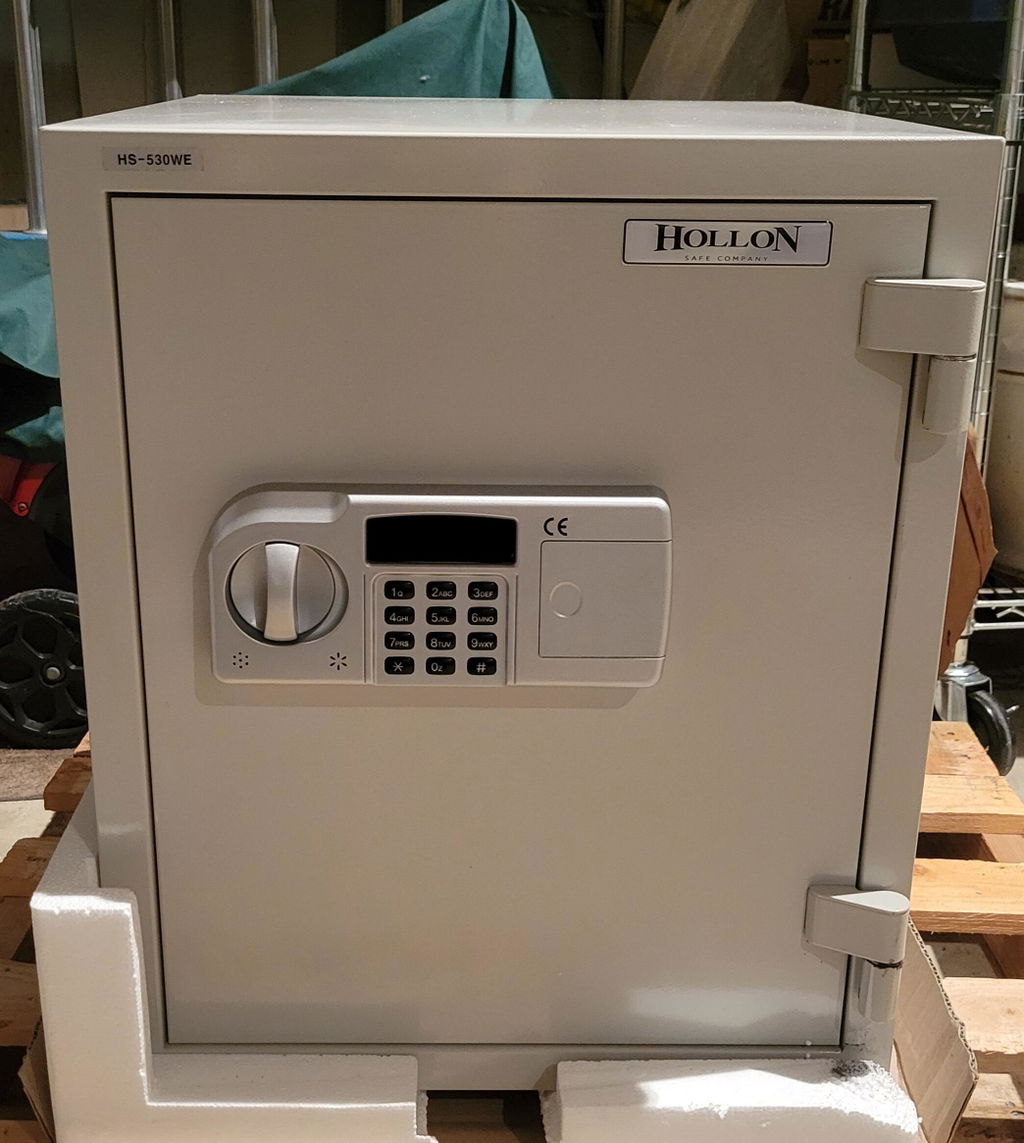
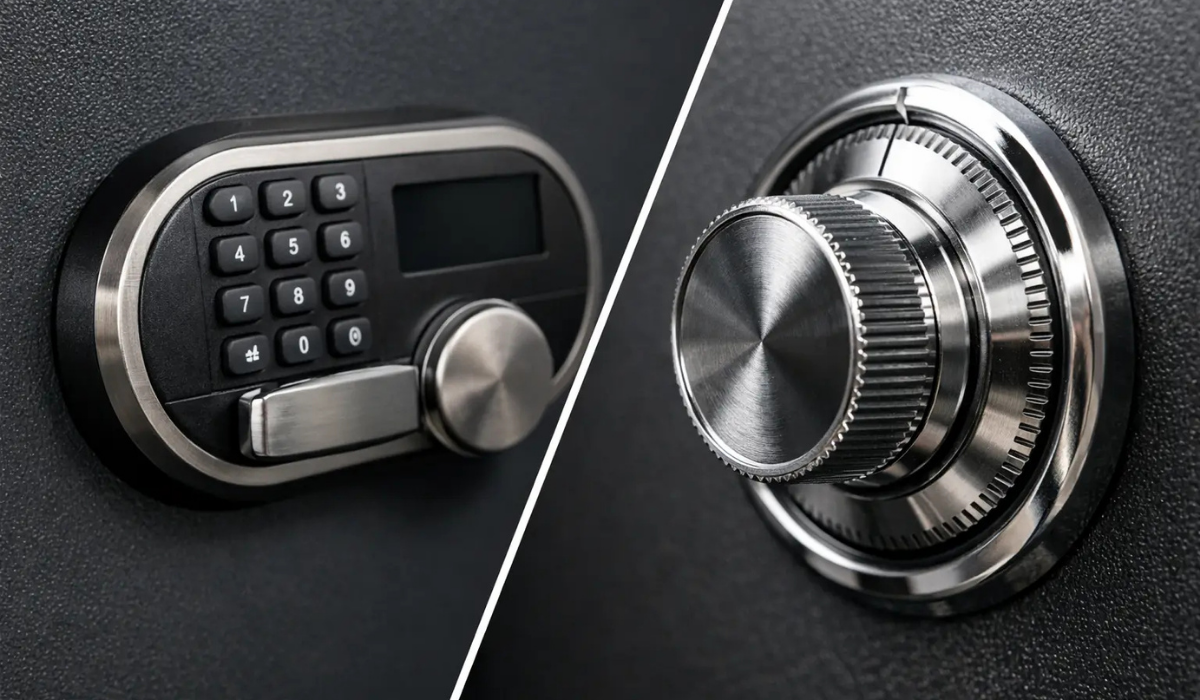
At a basic level, both lock types are designed to secure the boltwork and keep unauthorized users out. A dial lock does it through a mechanical combination system. An electronic lock uses a keypad and internal electronics to verify a code.
That sounds simple, but the user experience is completely different. A dial lock asks for patience and consistency. You turn the dial in a precise sequence, stop on the right numbers, and then retract the handle. An electronic lock replaces that process with a code entry, usually in seconds.
For many homeowners and business owners, convenience is what starts the conversation. For security-minded buyers, reliability is what ends it. That is why this comparison needs more than a quick "electronic is faster, dial is tougher" answer.
Speed and day-to-day access
If quick entry matters, electronic locks have a clear advantage.
This matters most for handgun safes, frequently accessed home safes, office safes, and cash-handling applications. Pressing a code is faster than dialing a combination, especially under stress or in low light. It is also easier for many users to learn on day one.
That does not mean dial locks are impractical. They are simply slower by nature. On a long-gun safe or a document safe that you open once a week, the extra time may not matter much. On a safe you need to access several times a day, it often does.
There is also a human factor here. Dial locks demand accuracy. If more than one person uses the safe, not everyone will be equally comfortable with the turning sequence. Electronic locks usually reduce that learning curve.
Reliability over the long haul
This is where the conversation gets more nuanced.
Mechanical dial locks have a strong reputation because they do not rely on batteries, keypads, or circuit boards. That simplicity appeals to buyers who want fewer points of failure. If the safe will sit in a garage, cabin, back office, or other place where maintenance gets overlooked, a dial lock can be reassuring.
Electronic locks can also be highly dependable, especially when they are quality UL-listed lock systems from established manufacturers. But they do introduce another variable: power. Most run on batteries, and batteries eventually need replacement.
That does not mean you get locked out the second a battery weakens. Many electronic locks give low-battery warnings well before failure. Still, it is a maintenance task, and some buyers simply do not want one more thing to monitor.
Environmental conditions can matter too. Extreme neglect, battery corrosion, or rough keypad treatment can shorten the useful life of an electronic lock. A mechanical dial is not immune to wear, but it is often seen as the lower-maintenance choice over very long ownership.
Security is not just about the lock type
A lot of buyers assume one lock type is automatically more secure against attack. In practice, overall safe security depends on much more than keypad versus dial.
The body construction, door thickness, hardplate, relockers, boltwork, anchoring, and burglary rating often matter more than the lock format itself. A well-built safe with a quality electronic lock can offer excellent protection. A thin, lightly built safe with a dial is still a lightly built safe.
That is especially important when shopping for burglary safes, gun safes, or commercial cash safes. Look at the full package. Is the lock UL listed? Does the safe include relockers? What is the steel thickness? Is it designed to be anchored down? If you are moving into higher-security territory, are you looking at a true burglary rating such as TL-15 or TL-30?
The better question is not "Which lock is strongest?" It is "Which lock type fits the way this safe will be used without creating avoidable problems?"
When an electronic lock makes more sense
Electronic locks tend to be the best fit when access speed and ease of use are top priorities.
For a home gun safe, that may mean quicker entry before a range trip or easier access to important documents without spending time on a dial. For a handgun safe, speed can be even more important. For a business, an electronic lock is often better when managers need regular access, code changes, or simpler employee training.
Another advantage is code management. Many electronic locks make it easier to change combinations than mechanical dials do. That matters if staff turnover is a concern, if multiple family members need controlled access, or if you simply want the flexibility to reset the code without a service call.
Electronic locks are also more approachable for buyers who know they will use the safe often. If a safe becomes annoying to open, people are more likely to leave it unsecured or use it less effectively. Convenience should not be the only factor, but it is a real one.
When a dial lock is the better choice
A dial lock often shines when your priorities are simplicity, low maintenance, and long-term consistency.
For a safe that protects passports, deeds, heirlooms, backup cash, or firearms that do not need daily access, the slower opening process may be a non-issue. In that case, the appeal of a battery-free mechanical system becomes stronger.
Dial locks are also a good fit for buyers who just trust mechanical systems more. That instinct is not outdated. There is value in a lock that works without electronics and asks for very little beyond remembering the combination.
Some owners also prefer a dial because it feels more traditional on a heavy burglary or fire safe. That does not make it objectively better, but for certain buyers and certain installations, that familiarity matters.
The hidden factor: who will actually use the safe?
One of the most overlooked parts of the electronic safe lock vs dial comparison is the user.
If the safe is for one person, a dial may be perfectly manageable. If a spouse, trusted family member, business partner, or employee may need access, an electronic keypad is often easier to share and use consistently.
Age and dexterity can matter too. Some people have no trouble with a dial. Others find it frustrating because of vision, hand strength, or lack of practice. A keypad usually removes some of that friction.
On the other hand, if you are buying a safe specifically to limit casual access and slow down everyone except the primary owner, a dial may actually support that goal. It is less intuitive for occasional users and less tempting to use casually.
Service, lockouts, and practical ownership
No lock type is completely free of issues. The question is what kind of issue you are more comfortable managing.
With electronic locks, the common ownership task is battery replacement. With dial locks, the challenge is usually user error or combination dialing mistakes. If a safe is used infrequently, people are more likely to forget the exact dialing process than they are to forget how to punch in a code.
If a lock problem ever does happen, service complexity can vary by model and brand. That is one reason it pays to buy from established safe manufacturers and retailers that can help you compare lock options before you buy, not after there is a problem.
It is also worth thinking about placement. A safe in a busy retail back room may benefit from fast electronic access. A safe in a closet or basement that stores long-term valuables may be a stronger candidate for a dial.
So which one should you choose?
If you want fast, frequent, user-friendly access, an electronic lock is usually the better fit. That is especially true for handgun safes, home safes used often, and many business applications.
If you want mechanical simplicity, fewer maintenance concerns, and you do not mind slower entry, a dial lock remains a very smart choice. It is often a strong match for long-term storage, lower-access safes, and buyers who prefer a traditional system.
Neither option is automatically right because neither lock exists in a vacuum. The safe's construction, rating, intended use, and installation matter just as much. The best lock is the one that supports good security habits instead of fighting them.
A safe should make protection easier, not more frustrating. If you choose the lock type that fits how you really live or work, you will be much more likely to use that safe the way it was meant to be used.