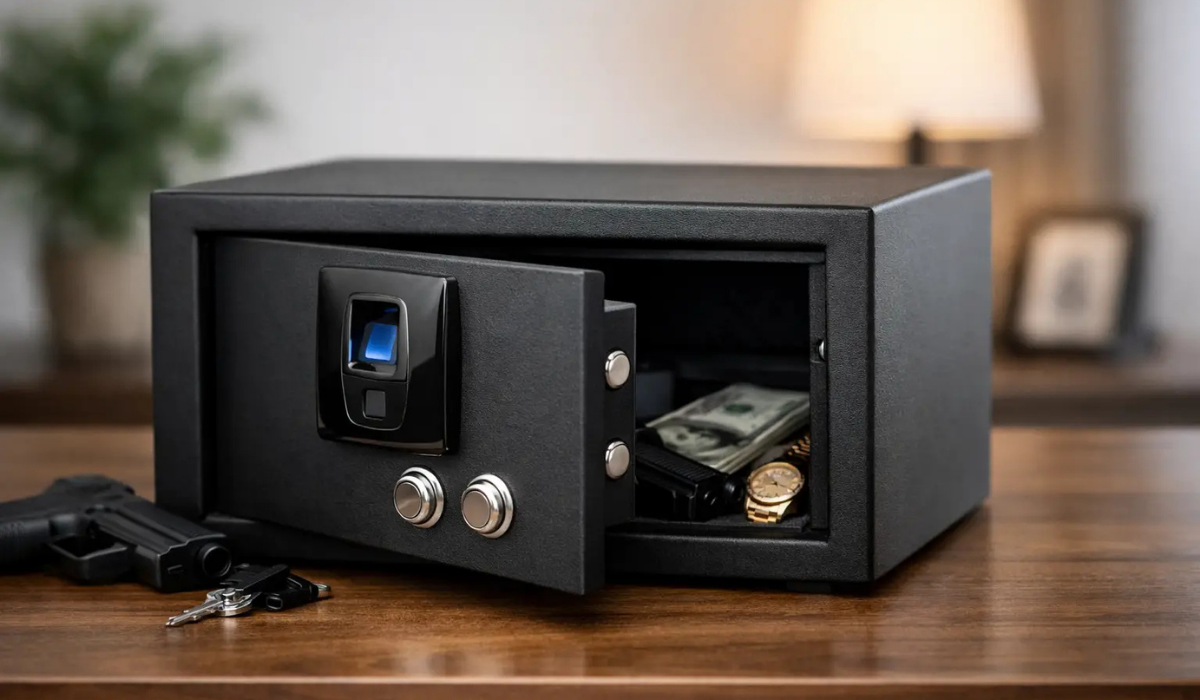
A biometric safe is usually bought for one reason - speed. You want the door open in seconds, without fumbling for a key or trying to remember a code under stress. That is what makes a Barska biometric safe review worth doing carefully, because fingerprint access sounds great on paper, but real value comes down to how the safe performs when you actually need it.
Barska has built a strong name in the entry-level and mid-range biometric safe category. The brand is especially common in compact handgun safes, bedside safes, document safes, and small office security products. For shoppers who want quick access and a lower price than many premium safe brands, Barska often lands on the shortlist. The question is whether that lower price still delivers dependable protection.
Barska biometric safe review: what Barska does well
The biggest strength of most Barska biometric safes is convenience. Setup is usually straightforward, fingerprint enrollment is simple, and many models let you store multiple fingerprints for shared access. That matters in a home where two adults may both need entry, or in a business where one or two trusted employees need access to cash, keys, or records.
Response time is another selling point. On many Barska models, the scanner reads quickly enough to feel practical for real-world use. That does not mean every fingerprint reads perfectly every time. No biometric lock works that way, especially if your hands are wet, dirty, or positioned poorly. But for normal day-to-day access, Barska safes are generally fast enough to justify choosing biometric over keypad-only alternatives.
Barska also deserves credit for offering a wide range of sizes. Some buyers need a compact unit for a handgun and spare magazine in a nightstand. Others want a larger interior for documents, jewelry, cash bags, medicine, or a laptop. Barska covers a lot of that middle ground, which makes the brand appealing to first-time buyers who know their use case but do not need a heavy commercial safe.
Price is the other obvious advantage. If you compare Barska to higher-end burglary safes or premium handgun safes with thicker steel and more advanced lock systems, Barska is usually easier on the budget. For many buyers, that makes biometric access more attainable.
Where the trade-offs show up
This is where a balanced Barska biometric safe review matters. Barska is not trying to be a TL-rated safe, a true high-security jewelry safe, or a serious long-gun vault built for major pry attacks. Most models are intended for deterrence, controlled access, and basic theft resistance, not elite burglary protection.
Steel thickness and overall body construction can vary a lot by model. On the smaller and less expensive units, you should expect lighter construction than what you would see in premium handgun safes or commercial burglary safes. That does not make them useless. It just means the safe should be matched to the threat level. If your goal is to keep a firearm away from children, prevent casual access, or secure small valuables from opportunistic theft, a Barska biometric safe can make sense. If your goal is to stop a determined thief with tools and time, you likely need to step up to a heavier class of safe.
Lock reliability is another area where expectations need to stay realistic. Biometric access is convenient, but no fingerprint system is perfect. The better Barska models include backup keys, and some include other override options. That backup matters. Buyers should think of the biometric reader as the primary convenience feature, not the only line of access they will ever need.
Battery dependence is also part of the deal. If you choose any biometric safe, Barska included, you need to stay on top of battery replacement. A dead battery at the wrong time can turn a quick-access safe into a frustrating delay.
Best uses for a Barska biometric safe
Barska makes the most sense when quick access and moderate security are the priority. That usually points to a few common scenarios.
For handgun storage, a compact Barska biometric safe can work well beside a bed, inside a closet, or mounted discreetly in a vehicle-approved setup if the model is designed for that use. The main benefit is keeping the firearm secured from unauthorized hands while still allowing faster access than a keyed box.
For home valuables, a larger Barska biometric unit can be useful for passports, cash, small electronics, jewelry, or important records that do not require serious fire protection. If your main concern is privacy and basic theft deterrence, this category fits Barska well.
For light business use, some Barska safes are practical for securing petty cash, keys, or sensitive documents in an office or retail setting. That said, if your business handles meaningful daily cash volume or controlled substances, you should look beyond basic biometric models and into heavier commercial options.
Who should think twice
If you are shopping for true burglary protection, this may not be your lane. A homeowner with high-value jewelry, a firearm collector with multiple weapons, or a business owner storing larger cash amounts will probably outgrow what Barska offers in many biometric models.
The same goes for buyers who need certified fire protection. Barska has products aimed at security and access control, but many biometric models are not built around serious fire ratings. If your top priority is protecting irreplaceable documents, digital media, or family records from fire, you should focus on tested fire-resistant safes first and treat biometric access as secondary.
This is also not the best fit for people who want zero-maintenance ownership. Fingerprint readers need clean use, batteries need attention, and backup access methods should be stored responsibly. If that sounds like a hassle, a mechanical or electronic keypad safe may be a better match.
What to check before you buy
Model selection matters more than the brand name alone. One of the biggest mistakes buyers make is assuming every biometric safe in a brand lineup performs the same way. With Barska, you want to look closely at interior dimensions, lock features, mounting capability, and construction details.
Start with size. A safe that technically fits your handgun but leaves no room for a light, spare magazine, or documents will feel cramped fast. On the other hand, buying oversized without planning where it will sit often leads to poor placement and less consistent use.
Next, check mounting options. A lightweight biometric safe should be anchored whenever possible. That is one of the most practical ways to improve security. A small safe that can be carried away is only solving part of the problem.
Pay attention to how many fingerprints can be stored and whether the scanner has a reputation for consistent reads. For shared household use, fingerprint capacity is more than a convenience. It affects who can access the safe without workarounds.
Finally, think about the environment. Bedroom use, office use, and garage use are not the same. Humidity, dust, and heavy handling can all affect long-term performance.
Barska biometric safe review for real buyers
For many buyers, Barska hits a useful middle ground. It offers quick-access technology, reasonable pricing, and enough model variety to cover common home and office needs. That combination is why the brand keeps showing up in conversations about entry-level biometric safes.
The key is buying with the right expectations. Barska is usually strongest when used as a practical access-control safe, not as a top-tier burglary or fire solution. If you need to secure a handgun from children, keep small valuables private, or add controlled access in a low- to moderate-risk setting, Barska can be a solid fit.
If you need heavier steel, a better burglary profile, or tested fire performance, you should treat Barska as a starting point rather than the final answer. That is not a knock on the brand. It is just how safe shopping works - the right safe depends on what you are protecting, where you are placing it, and what kind of threat you are planning against.
A good safe should make your life more secure without giving you a false sense of security. That is the real lens for evaluating Barska. If the model matches your use case, is mounted properly, and is used with realistic expectations, it can do its job well. Protect what matters most by choosing the safe that fits your actual risks, not just the feature list that looks best on the box.