Apartment living forces a different kind of honesty when you shop for a gun safe. You cannot pretend you have unlimited floor space, a concrete slab, or the ability to drill wherever you want. You also cannot ignore the basics: firearms need to be secured from unauthorized access, protected from theft, and stored in a way that supports responsible ownership.
If you are trying to find the best gun safe for apartment use, the right answer depends on three things you can measure: what you need to store, how you plan to secure the safe to the structure, and how much "daily access" you truly require.
What "best gun safe for apartment" really means
In a single-family home, people often default to "bigger is better." In an apartment, "better" usually means a safe that fits your layout, can be anchored or otherwise stabilized, and does not create obvious risk like a tall, top-heavy cabinet that can be tipped.
It also means understanding your threat model. Most apartment gun-safe purchases are about preventing unauthorized access (kids, guests, maintenance workers), reducing smash-and-grab theft risk, and adding some fire protection for documents and valuables stored alongside firearms. A dedicated burglar rating is great, but many apartments are realistically choosing between a quality residential security container-style gun safe and a compact, quick-access safe that is properly mounted.
Start with the space you actually have
Before you compare brands or lock types, choose the footprint and orientation that will work in your unit. A safe that blocks a closet door, vents heat into an enclosed space, or forces you to relocate it later is the safe you will stop using correctly.
For most apartments, the cleanest placements are inside a bedroom closet, in a wardrobe corner, or in a home office where it can be anchored and kept out of sight. Measure doorways and hallway turns, not just the final spot. Many heavier safes arrive on a pallet and still need to be maneuvered through tight interior spaces.
Also plan for the door swing. A "fits in the closet" safe can still be a problem if the safe door cannot open enough to remove long guns without awkward handling.
Choose the right safe type for your firearms
The best match is driven by the mix: handgun-only, one long gun, or multiple rifles with optics.
Quick-access handgun safes for daily use
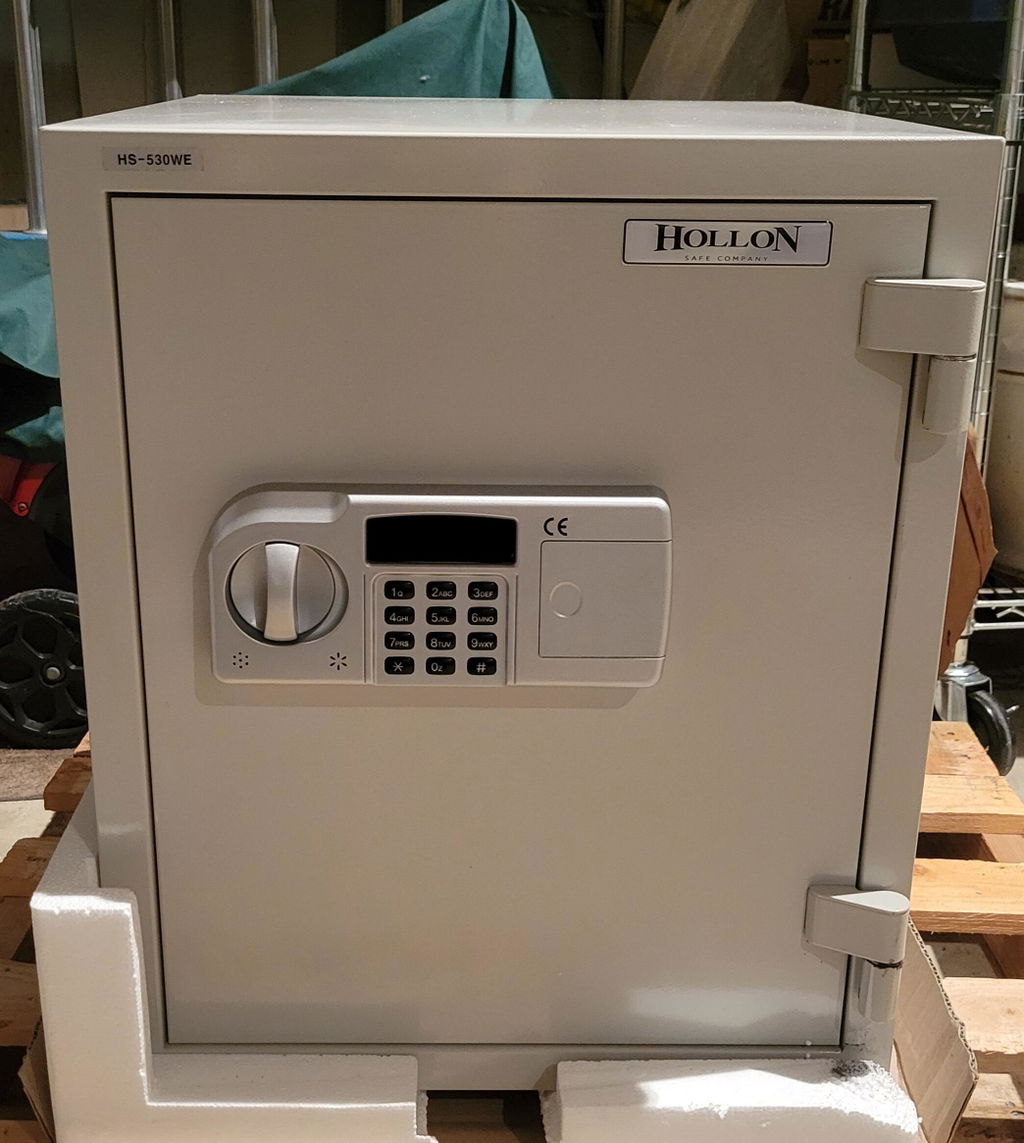
If you carry daily or keep a bedside firearm, a quick-access handgun safe is often the most apartment-friendly starting point. It can be mounted inside a nightstand, bolted to a closet shelf, or secured to a structural surface that does not attract attention.
Look for a model with a solid steel body, a reliable locking mechanism (biometric, keypad, or simplex-style mechanical), and an interior layout that keeps the handgun oriented safely. In apartments, fast access matters, but reliability matters more. If a biometric unit struggles with dry hands or inconsistent reads, it becomes a frustration point and may encourage unsafe storage habits.
A quick-access safe is not a substitute for a full-size gun safe if you have multiple firearms. It is a targeted solution for controlled access and speed.
Compact rifle safes for tight layouts
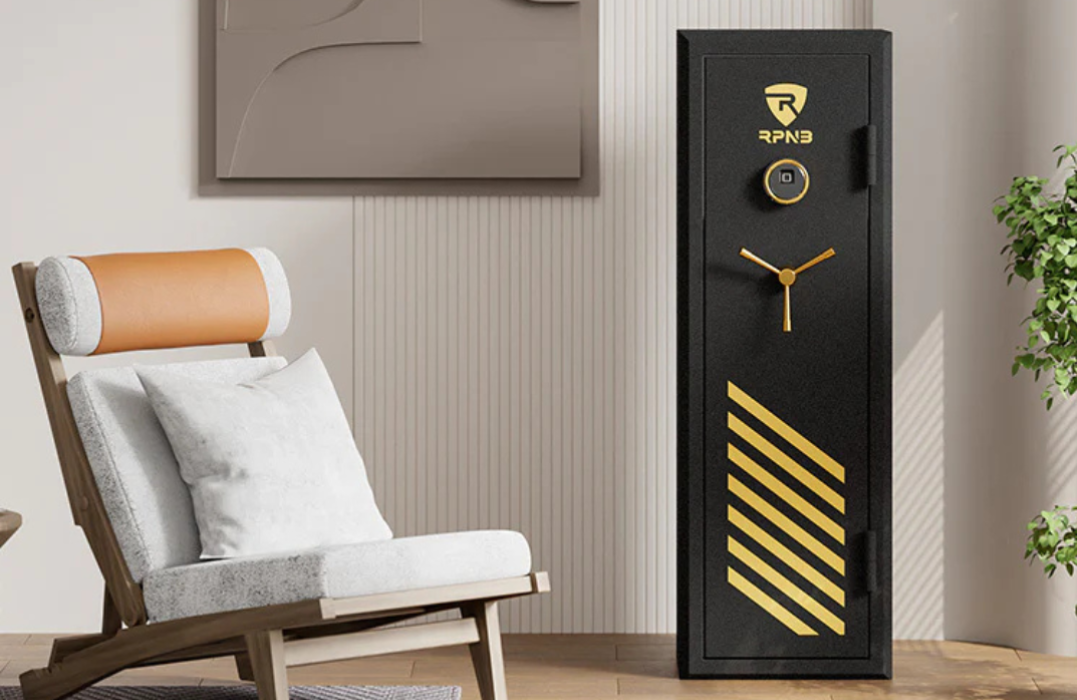
If you have one to a handful of long guns, a compact rifle safe or narrow gun cabinet-style safe can work well in a closet. The advantage is vertical storage with a smaller footprint. The trade-off is that lighter, narrow units demand an anchoring plan because they are more vulnerable to tipping and removal.
Pay attention to interior height if you run optics. Many buyers measure barrel length and forget that a mounted scope can change how the firearm fits against the rack or door panel.
Full-size gun safes - only when the building and move-in allow it
A full-size gun safe gives you better organization, more steel, and more room for future purchases. The question is whether your apartment can support the delivery and placement without creating new problems.
Weight matters, but not only for floor loading. Heavier safes are harder to steal, but they are also harder to move into a third-floor walk-up. If you cannot place it where it can be anchored and hidden, you may be paying for size without gaining meaningful security.
Lock choice in apartments: speed vs long-term reliability
Electronic locks are popular for apartments because they are fast and convenient. A quality electronic lock is a solid choice when paired with responsible battery management and a lock design that does not force you into constant reprogramming.
Mechanical dial locks are slower but simple. They do not rely on batteries and can be preferred for long-term ownership, especially if the safe will also store documents and valuables.
Biometrics can be excellent when the sensor and firmware are proven, but they are not all equal. If your priority is consistent access during stressful moments, consider a keypad or mechanical option, or choose a biometric safe that also includes a backup entry method.
Anchoring is not optional - it is the apartment advantage
The biggest security mistake in apartment purchases is treating a safe like furniture. A safe that is not anchored is a safe that can be removed, carried, or tipped to attack the door.
If you can anchor into concrete, that is typically the strongest option. Many apartments do not offer that. Wood subfloors can still work if you locate joists and use appropriate hardware. Wall anchoring into studs can be effective for certain safes and certain placements, but it has to be done correctly.
If your lease limits drilling, the best strategy is to choose a safe designed for secure mounting that uses the least invasive method possible, then confirm your placement and fastener plan before you buy. Even a high-quality safe loses most of its real-world value if it can be carried out in two minutes.
Fire protection: what's realistic in an apartment
Fire ratings are often misunderstood. A residential fire rating (for example, protection for 30 to 120 minutes at a specified temperature) can buy you time and reduce damage, but no safe makes items "fireproof" in every scenario. Your building construction, sprinkler system, and where the safe sits in the unit all affect results.
If you store documents, suppressor paperwork, or valuables alongside firearms, a fire rating is worth prioritizing. In apartments, you may not control how quickly firefighters can access your floor, so extra time inside the safe can matter.
Also consider smoke and water. Firefighting often means heavy water exposure, and apartments can experience water travel from units above. A safe with better door sealing and a tighter build can help reduce moisture intrusion, but you should still plan for document protection inside the safe.
What specs matter most when comparing models
Shoppers get buried in numbers. Focus on the specs that translate into real outcomes.
Steel thickness is a core indicator of resistance to prying and deformation. Thicker steel typically performs better, but design matters too: a well-built door and solid locking bolt engagement can outperform a thin, flex-prone build.
Look for trustworthy lock components and, when available, recognized standards like UL-listed locks. Relockers and hardplate protection are meaningful features on higher-security units because they make forced entry more difficult.
Interior organization is not just comfort. A poorly organized safe leads to cluttered stacking, which can cause handling issues and makes quick inventory checks harder. Door organizers, shelving, and lighting can be practical upgrades in a dark closet installation.
The "small safe" trade-off - and how to make it worth it
Apartment buyers often land on a smaller safe, and that is not automatically a compromise. A compact, well-anchored safe in a concealed location can be more effective than a large safe sitting in plain view with no anchoring.
The key is being honest about capacity. If you buy a safe that fits exactly one handgun today, but you plan to add another firearm, spare magazines, and important documents, you will outgrow it quickly. The best apartment setups often combine a quick-access handgun safe for daily needs with a larger, anchored safe for long guns and storage.
Delivery, placement, and discretion
Apartments add a privacy dimension. If you are concerned about neighbors noticing a large delivery, plan ahead. Schedule delivery windows, choose an install path that minimizes time in common hallways, and have a clear plan for where the safe goes the moment it enters the unit.
Once installed, discretion is part of security. A safe hidden in a closet behind ordinary storage attracts less attention than a safe displayed like a piece of equipment. If you want a more integrated look, consider safes that fit inside cabinetry or can be positioned behind closet organizers.
If you want help narrowing down the right size and security tier, Secure Zoned offers call/text support at https://securezoned.com to match a safe to your firearms, layout, and anchoring options.
How to decide quickly without regretting it
If your main goal is controlled access and responsible storage for a single handgun, start with a quality quick-access safe that can be bolted down. If you own long guns, prioritize a narrow rifle safe or compact gun safe that fits your closet depth and can be anchored into joists or studs.
If theft resistance is your top concern, weight and anchoring together do the heavy lifting. A lighter safe that is properly anchored often beats a heavier safe that is free-standing. If fire protection is a priority, choose the best fire rating you can fit and still install correctly.
The purchase that tends to age best is the one that fits your apartment without forcing compromises in access, anchoring, or daily handling. When a safe matches how you actually live, it becomes part of your routine - and that is when it delivers the protection you bought it for.
A helpful way to finish the decision is to stand in the spot where the safe will live and rehearse your real use: opening it, accessing it safely, and closing it without obstacles. If that feels straightforward, you are close to the right choice. Browse gun safes at Secure Zoned — filtered by size, lock type, and security rating — to find an apartment-friendly option that fits your space and your routine.