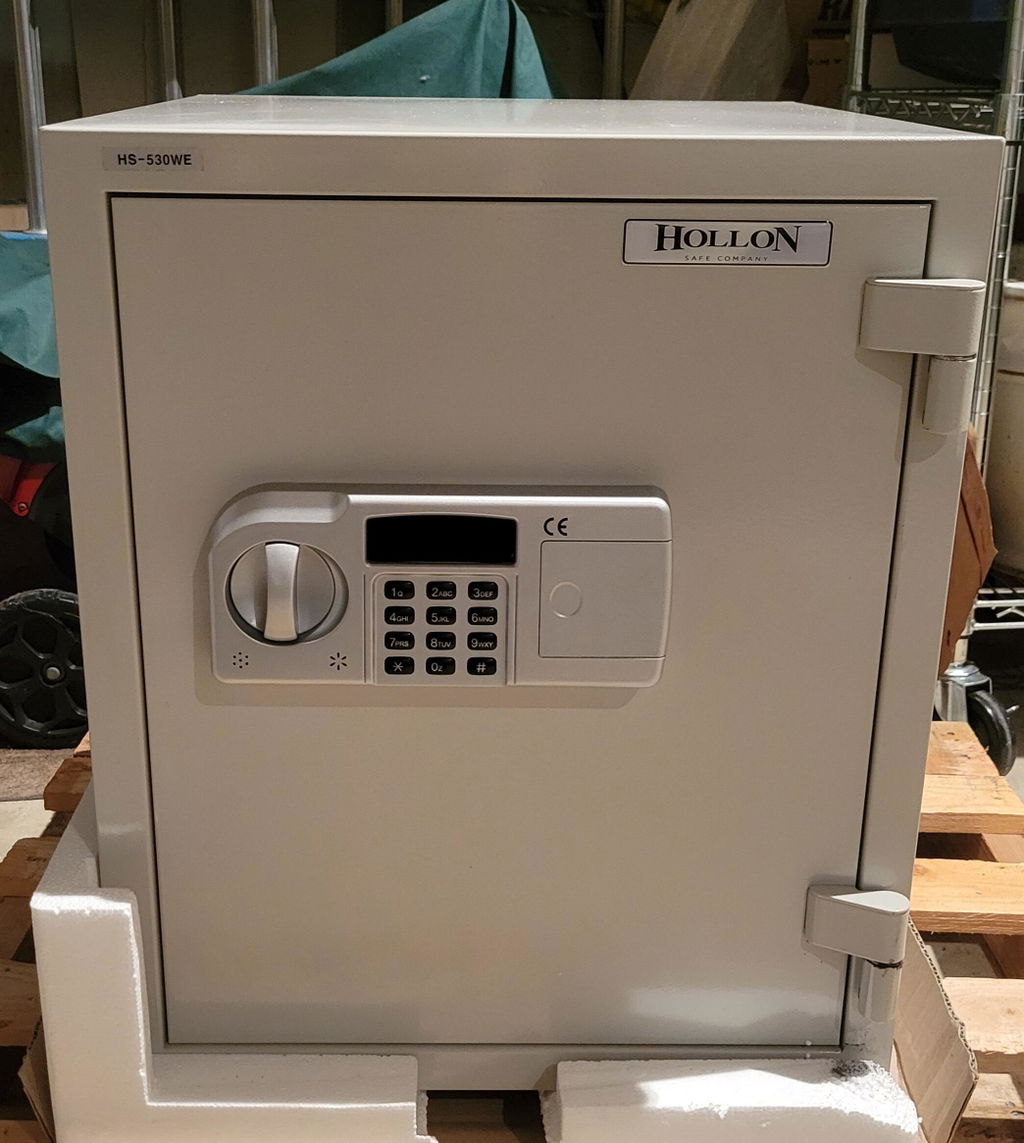
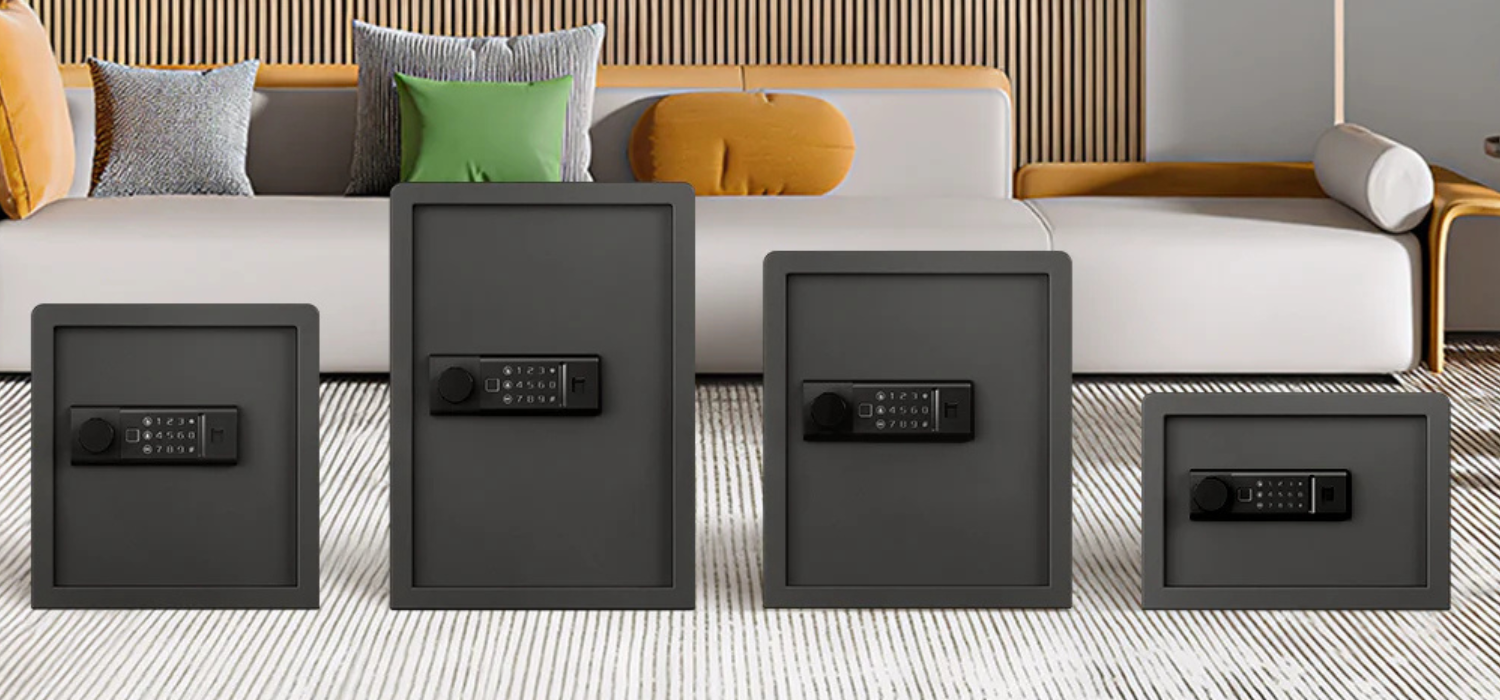
The biggest sizing mistake is buying for what you own today instead of what you need to protect over the next five years.
A safe that looks roomy in a showroom photo can fill up fast once you add document folders, handgun cases, passports, jewelry boxes, backup drives, or a rifle with optics. On the other hand, going too large without thinking through weight, floor load, and placement can create installation problems that are just as frustrating. If you're asking what size safe do I need, the right answer starts with what you're protecting, how often you need access, and where the safe will live.
What size safe do I need for home or business use?
Safe size is not just about cubic feet. It is about usable interior space after shelves, door panels, fire lining, and lock hardware reduce the storage area. Exterior dimensions may look generous while the interior ends up tighter than expected.
For most buyers, the best way to size a safe is to think in three layers. First, identify the items that must go inside on day one. Second, add the items that will likely move into the safe within a few years. Third, leave room for organization so you are not stacking valuables in a way that slows access or increases the chance of damage.
At home, that often means balancing documents, family valuables, firearms, and emergency cash. In a business setting, it usually means matching capacity to daily deposits, file storage, key control, or regulated inventory. A compact safe can be perfect for passports and jewelry, but it will be the wrong choice if you also need legal-size files or cash bags. A tall gun safe may handle rifle storage well, yet still disappoint if you need shelves for ammo, optics, and paperwork.
Start with what you are protecting
The quickest way to narrow safe size is to group contents by category instead of by rough guess.
If your priority is documents, think beyond a few letter-size folders. Birth certificates, property records, binders, tax files, and laptops take more room than most buyers expect. Fireproof document safes and fire file cabinets make sense when paper records are the main concern, especially for home offices and small businesses.
If you are storing jewelry, watches, passports, and cash, interior layout matters as much as raw size. Shelves, drawers, and small-item organization keep a medium safe more useful than a larger open box. In this category, buyers often oversize slightly because collections tend to grow.
If the safe is for firearms, sizing gets trickier. Stated gun counts are usually optimistic and based on tightly packed long guns without larger scopes, slings, or accessories. A so-called 24-gun safe may not comfortably hold 24 scoped rifles in real-world use. If you own modern sporting rifles, long-range rifles, or shotguns with added gear, assume actual capacity will be lower than the label suggests.
For business cash handling, the question is less about broad storage and more about fit for purpose. Deposit safes, under-counter safes, and cash-drop models should match bag size, deposit frequency, and the amount of cash that accumulates between pickups. Buying too small can create bad habits like leaving money unsecured during busy periods.
Why advertised capacity can be misleading
One of the most common frustrations in safe shopping is that rated capacity and usable capacity are not the same thing.
Gun safes are the clearest example. Manufacturer counts are typically based on slim firearms arranged under ideal conditions. Add optics, wider fore-ends, pistol grips, door organizers, or interior shelving and the practical count drops. For many owners, the real usable number is closer to 60 to 70 percent of the advertised figure.
The same logic applies to home safes and office safes. Fire lining protects contents, but it also takes up interior room. Adjustable shelves help organize, yet they break up large open storage. Locking compartments, relockers, and reinforced doors can reduce clearance near the opening. That does not make the safe a poor choice. It just means sizing should be based on actual items, not product labels alone.
A simple way to choose the right safe size
If you want a practical buying rule, buy one size larger than your first estimate.
That does not mean buying the biggest safe you can find. It means if your items would technically fit in a compact unit, a small-to-medium model is often the better long-term move. If your rifle collection suggests a 20-gun safe, many owners are better served by a 30-gun class safe once optics, documents, handguns, and accessories are added.
This approach gives you room to organize, which is a real security advantage. A packed safe slows access, increases wear on valuables, and can lead to items being left outside because there is no convenient place to store them.
Match size to placement and installation
A safe can only protect what it can securely hold, but it also needs to fit the space and support structure where it will be installed.
Before settling on size, measure doorways, stairs, hallway turns, closet openings, and the final footprint. Buyers sometimes focus only on where the safe will sit and forget the path it has to travel to get there. Weight matters too. Larger safes provide more capacity and usually more steel, but they may require stronger floor support or professional placement, especially on upper levels.
Anchoring is another major factor. A smaller safe that is properly anchored can outperform a larger unanchored model in a burglary attempt, simply because thieves cannot walk off with it. Floor safes and in-wall safes have their own size limitations tied to framing and concrete conditions. For those models, available installation space often determines size more than storage wish lists do.
What size safe do I need for guns?
For handgun storage, size depends on access style. A quick-access bedside safe may only need room for one to two handguns, a spare magazine, and maybe a flashlight. If you are securing multiple pistols for family use, range use, or collection growth, a larger drawer-style or shelf-style handgun safe is usually more practical.
For long guns, think in terms of your real collection rather than the sticker count. If you currently own eight rifles and shotguns and expect to add a few more, a safe rated for at least 16 to 20 is often the safer estimate. If several have optics or bulkier setups, go larger.
Also consider the non-firearm items that often end up inside the same safe. Ammo, suppressor paperwork, important documents, handguns, and valuables all compete for space. A gun safe frequently becomes the household security hub, which is another reason buyers outgrow them faster than expected.
Fire protection changes the size equation
If fire resistance is a priority, interior space becomes even more valuable.
Fire-rated safes use insulation that reduces usable capacity compared with similarly sized non-fire models. If you need to protect paper documents, digital media, or cash from heat exposure, plan for that lost space from the start. The higher the fire rating and the more substantial the construction, the more likely the interior will feel tighter than the exterior suggests.
This is especially relevant for buyers comparing a burglary safe with a fireproof safe of similar outside dimensions. The fire-rated model may offer less room, so sizing up is often justified.
When smaller is actually the better choice
Not every buyer should size up aggressively.
A compact safe is often the right answer when quick access matters most, when concealment is part of the security plan, or when installation space is limited. A small under-bed safe, floor safe, or in-wall safe may be more useful than a large freestanding unit if your goal is discreet everyday protection for cash, passports, and a handgun.
Businesses can face the same trade-off. A deposit safe at point of sale should fit the workflow, not just maximize volume. Too large, and it may waste space or complicate placement. Too small, and staff may stop using it correctly. The best size is the one that supports secure daily behavior.
The questions worth answering before you buy
If you are still unsure what size safe you need, ask yourself how many item categories will share the same safe, whether you expect that collection to grow, how much organization you want inside, and whether the safe needs to fit a specific room, closet, counter, or wall cavity. Then compare interior dimensions, not just exterior ones.
It also helps to think in terms of replacement cost and risk. If the contents are high value, sensitive, or hard to replace, leaving extra room for proper storage is usually worth it. Secure Zoned carries safes across home, gun, and business categories, but the best fit always comes back to your actual contents, your access needs, and the physical limits of your space.
A safe should feel like a system you can live with, not a box you immediately outgrow. Buy for the way you store, the way you access, and the way your needs are likely to change.