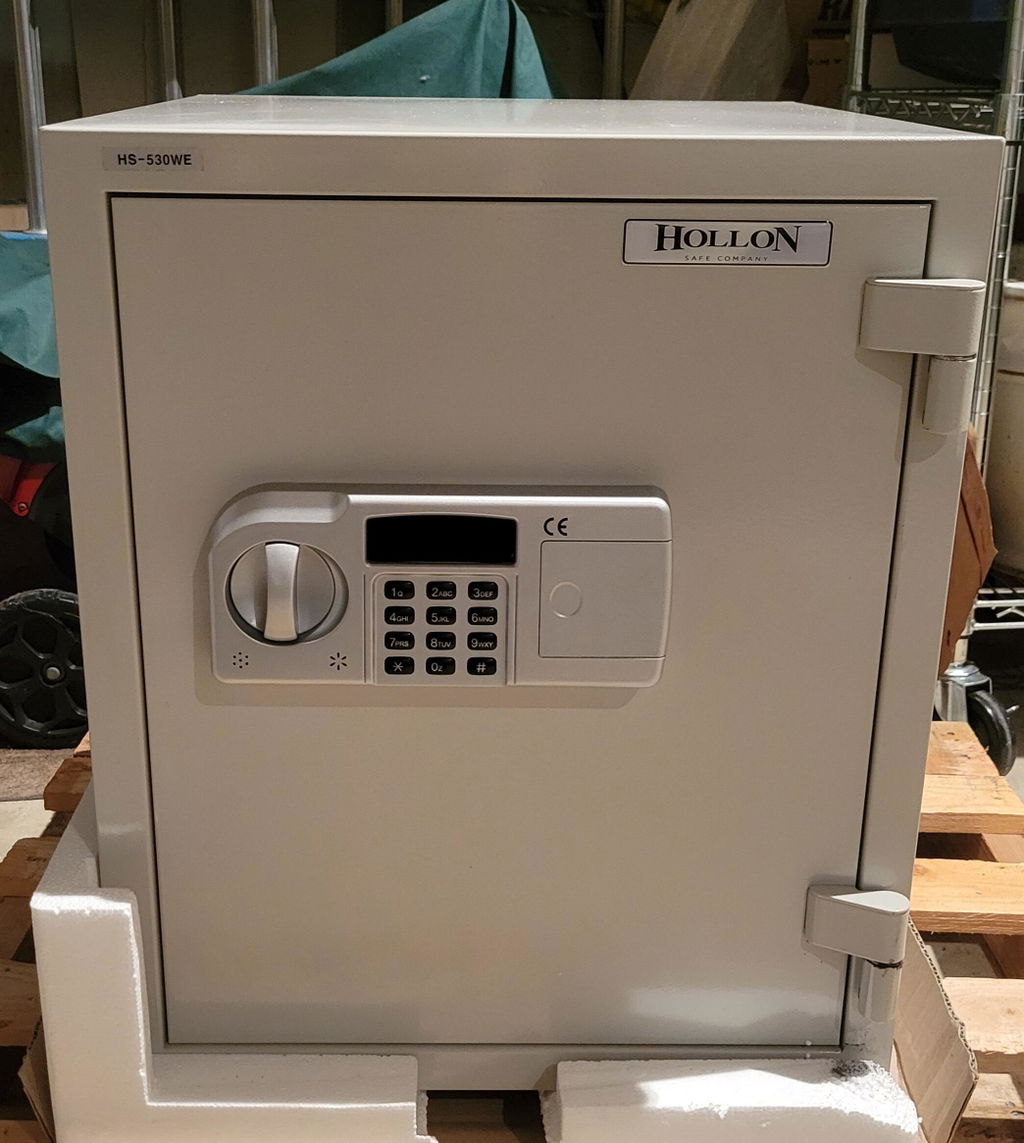
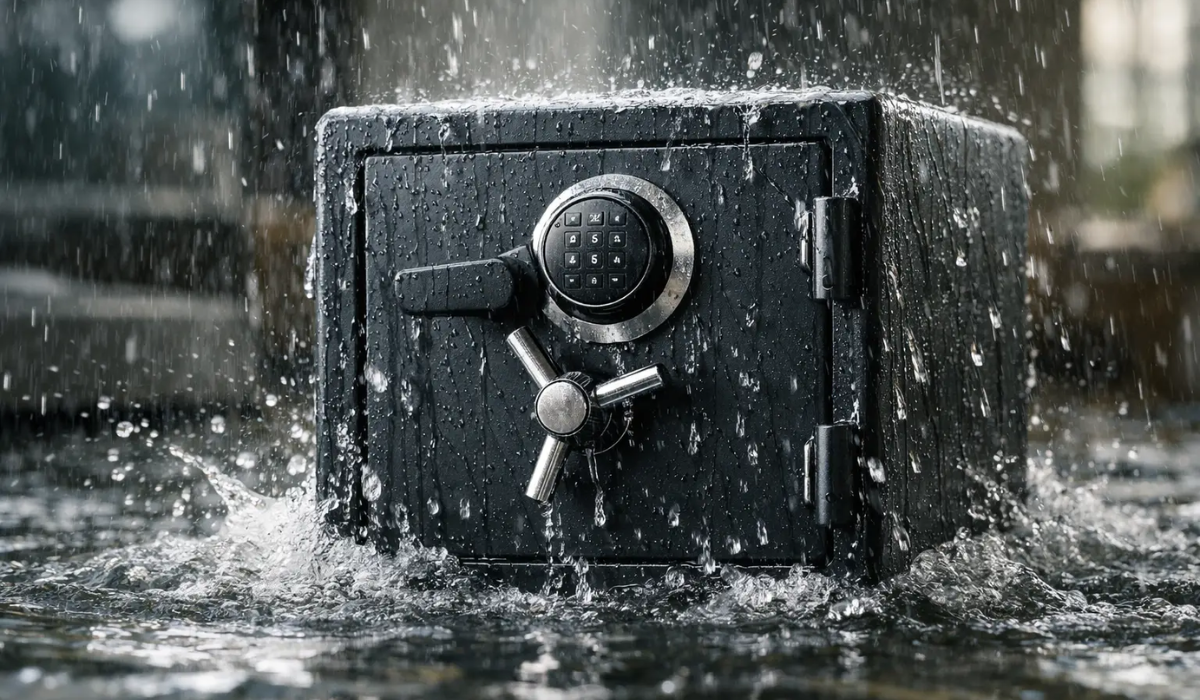
A burst supply line can fill a room in minutes. A house fire can leave firefighters using thousands of gallons of water to control the flames. Those are the moments that lead buyers to ask: are waterproof safes really waterproof? The honest answer is yes, some can provide meaningful water protection, but “waterproof” is not a blanket promise that every safe will stay dry under every condition.
A safe’s water performance depends on its tested rating, the depth and duration of exposure, how it is installed, and whether its door seal remains in good condition. For family documents, heirloom jewelry, firearms, cash, or business records, those details matter far more than a label alone.
Are Waterproof Safes Really Waterproof in a Flood?
Many safes advertised as waterproof are better described as water-resistant. They are designed to keep water out for a stated period under a specific test condition, often after being exposed to a certain water depth. That is valuable protection, but it is different from saying the safe is permanently sealed against any amount of water.
For example, a manufacturer may state that a safe protects its contents in up to several inches of standing water for 24 hours or 72 hours. That rating can be a strong fit for a plumbing leak, a backed-up drain, or shallow flooding. It does not automatically mean the same safe will protect contents if it is fully submerged in a flooded basement for days, swept through moving water, or damaged by debris.
The rating itself is the key. Reputable manufacturers specify the water depth and length of time used in testing. If a product description only says “waterproof” without explaining those limits, treat the claim cautiously. Ask for the actual water-resistance specification before relying on it for irreplaceable items.
Water can enter a safe through more than the door gap. Openings around a lock, handle, boltwork, hinges, or pre-drilled anchor holes may affect performance. A good door gasket helps, but it has limits. Heat from a fire, corrosion, an improperly closed door, or worn seals can all reduce the safe’s ability to keep water out.
Water Protection and Fire Protection Are Different Tests
Buyers often assume a fireproof safe is also waterproof. Sometimes it is, but not always. Fire and water resistance are separate performance claims and should be evaluated separately.
A fire-rated safe is built to limit the interior temperature during a fire for a stated time, such as 30 minutes, one hour, or two hours. The construction may include fire insulation and an expanding door seal. When exposed to high heat, that seal can swell to block smoke and hot gases. It may also help limit water intrusion during firefighting, but fire protection alone does not establish a flood rating.
Likewise, a water-resistant safe may protect against a leak but offer only limited fire protection. If you need both, look for a model that clearly states both ratings. This is especially relevant for people storing birth certificates, property records, passports, family photos, and insurance paperwork in one location.
There is another trade-off with digital items. Paper documents can tolerate some heat and moisture better than hard drives, USB drives, external backup devices, and other electronic media. Standard fire safes may still allow interior temperatures or humidity levels that can damage sensitive media. If digital backups are central to your plan, consider a purpose-built media safe or keep encrypted backups in more than one secure location.
What a Water Rating Can and Cannot Protect Against
A water rating is useful because it gives you a practical baseline. It can help you compare models and decide whether a safe is appropriate for the risks around your home or business. Still, a rating is not a substitute for smart placement.
A safe positioned on the floor of a basement faces a very different risk than one located on a raised first-floor interior wall. A safe in a retail back office may be exposed to sprinkler discharge or a leaking roof. A gun safe in a garage may encounter wind-driven rain, humidity, and occasional flooding. The right choice depends on the likely event, not just the most dramatic one.
When reviewing water-protection claims, look for these four details:
- Tested water depth: A rating for 8 inches of water is not the same as a rating for full submersion.
- Protection duration: Twenty-four hours may be enough for a small leak, while longer protection may matter in a flood-prone area.
- What was tested: Some claims address standing water, while others are tied to fire-hose spray or post-fire exposure.
- Conditions and exclusions: Read whether the rating applies only when the safe is upright, properly latched, and undamaged.
Also consider the contents. A few drops of water can permanently damage paper currency, old photographs, legal documents, and unprotected firearms. Jewelry may survive moisture better, though water can still affect presentation boxes, certificates, and certain materials. For firearms, moisture trapped inside a closed safe can contribute to rust after the event has passed.
Installation Can Change the Outcome
A well-rated safe cannot compensate for poor placement. Avoid putting document safes directly on a floor that is known to flood. A concrete pad, raised platform, or elevated shelving can add valuable protection against shallow water. Keep the safe away from obvious leak sources, including water heaters, washing machines, exposed plumbing, and low points near exterior doors.
Anchoring deserves careful thought. Anchoring a gun safe or burglary safe to the floor is often one of the best ways to improve theft resistance. A heavy safe that is not anchored can be tipped, hauled away, or in extreme flood conditions, shifted by moving water. However, drilling or modifying a safe outside the manufacturer’s approved mounting locations can compromise a water rating or warranty.
Use the factory-provided anchor points and follow the manufacturer’s instructions. If water resistance is a priority, confirm whether the supplied hardware and installation method preserve the safe’s stated performance. This is a good question to ask before ordering, not after the safe is bolted down.
For flood-prone properties, it may be wiser to choose a location above expected water levels and combine the safe with a separate waterproof document pouch or sealed interior container. That layered approach is not overkill for originals that cannot be replaced.
Door Seals, Locks, and Maintenance Matter
Water-resistant safes rely heavily on the condition of the door and gasket. Do not slam the door, store items where they interfere with the seal, or leave the safe partially latched. A door that looks closed but has not fully engaged its bolts may not perform as intended in a fire or water event.
Inspect the gasket periodically for cracks, flattening, loose sections, or debris. Follow the safe manufacturer’s guidance for cleaning and care. Avoid applying oils, solvents, or household cleaners unless they are approved for the seal material.
After any water exposure, open the safe as soon as it is safe to do so. Remove the contents, dry the interior thoroughly, and inspect firearms, documents, and valuables. If a fire was involved, be cautious: heat and smoke residue can affect the lock and interior materials even when the contents appear dry.
Humidity is a separate concern from water intrusion. A safe can stay dry during a flood test yet still collect moisture from humid air over time. Gun owners should use an appropriate dehumidifier or desiccant system, monitor it regularly, and avoid storing a firearm that is wet from rain or cleaning inside the safe.
Choosing the Right Safe for Your Risk
Start with the event you are realistically preparing for. If your main concern is an upstairs bathroom leak, a small water-resistant fire safe with a published standing-water rating may be the right fit. If your property has a history of basement flooding, prioritize a longer-duration rating, elevated installation, and an interior sealed container for critical documents.
For firearms, security and responsible access control should remain the first priorities. Look at steel construction, lock quality, boltwork, pry resistance, fire protection, and anchoring options alongside water resistance. A waterproof claim does not make a thin, lightly built cabinet suitable for serious burglary protection.
Business owners should match protection to their operation. A hotel may need secure access and document protection. A pharmacy or retail store handling cash needs burglary resistance and deposit controls. An office storing contracts or records may benefit from fire-rated filing and water protection. One safe rarely excels at every job, which is why the specifications should lead the decision.
The best safe is not the one with the boldest “waterproof” label. It is the one with a clearly stated rating, the right security level, and an installation plan that accounts for the water risks in your building. Protect what matters most by treating water resistance as one layer of a larger protection strategy, not the only line of defense.