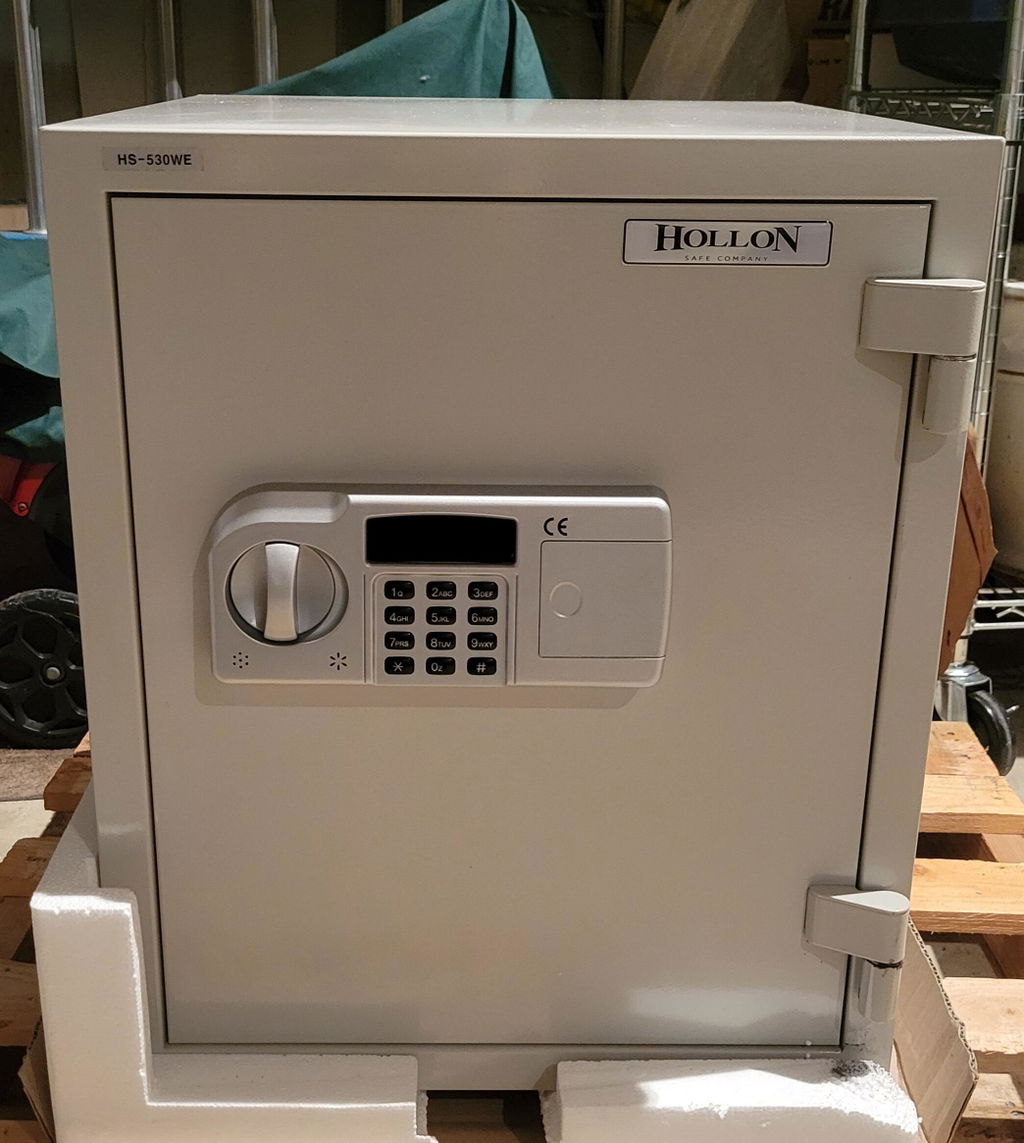
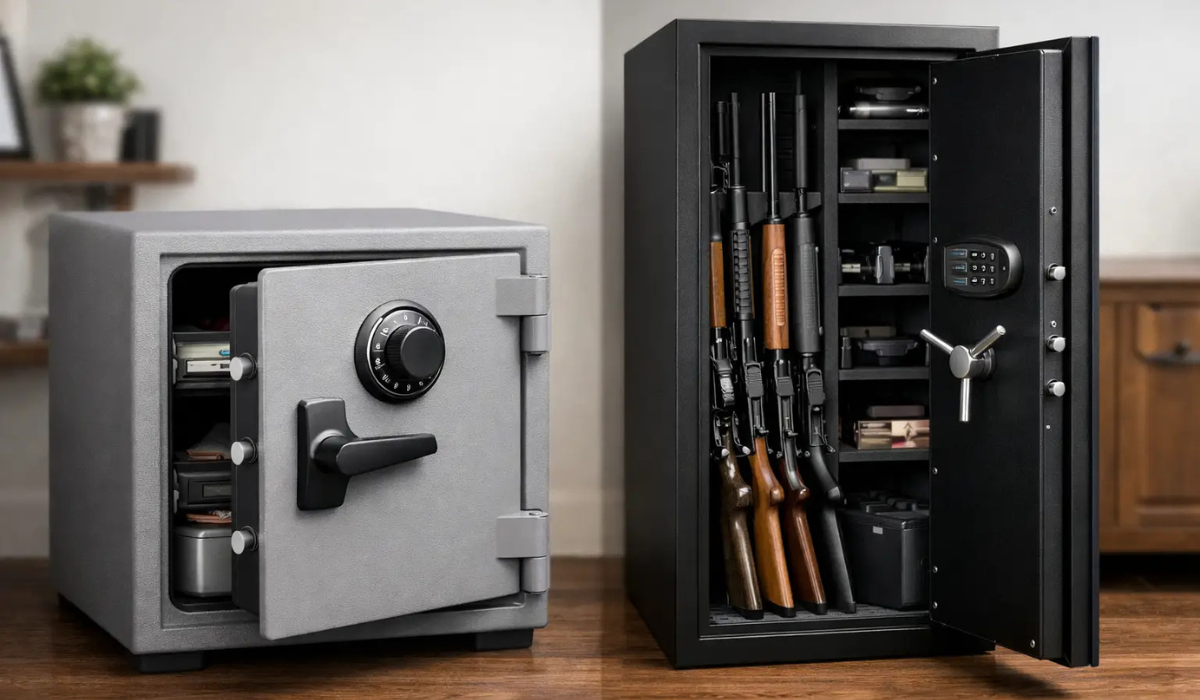
A lot of buyers realize they asked the wrong question after the safe is already in the house. They wanted protection, but what they actually bought was protection from only one kind of loss.
That is the real issue when comparing a fire safe vs gun safe. These products can overlap, but they are not interchangeable by default. A safe built to shield documents from heat is not automatically the best choice for firearms, and a heavy gun safe is not always engineered to protect paper, cash, or digital media in a serious fire.
If you are choosing between the two, the right answer depends on what you are protecting, how quickly you need access, and whether your bigger risk is theft, fire, or both.
Fire safe vs gun safe: the core difference
A fire safe is primarily designed to limit internal temperature during a fire for a stated period of time. That rating matters because paper, electronics, and media fail at different heat thresholds. Fire safes are often chosen for passports, legal documents, cash, jewelry, business records, and data storage.
A gun safe is primarily designed to secure firearms against unauthorized access and forced entry, while also helping owners stay compliant with responsible storage practices. Many gun safes also include fire protection, but the fire component can vary widely by model.
That distinction matters more than the label on the door. A safe marketed as fire-resistant may offer only moderate burglary protection. A gun safe may offer strong steel construction and locking features, but if its fire rating is limited, it may not be the best place for critical documents.
What a fire safe does well
If your top concern is heat exposure, a dedicated fire safe is built for that job. Its insulation is designed to keep interior temperatures below the point where documents char, warp, or become unreadable. Some models are also water-resistant, which matters after sprinkler activation or fire department response.
For homeowners, this is often the right fit for birth certificates, deeds, insurance records, backup drives, and family valuables that are difficult or impossible to replace. For businesses, fire safes and fire file cabinets make sense for contracts, cash records, employee files, and sensitive paperwork that must remain intact after an incident.
The trade-off is that a fire safe is not always built like a burglary safe. Some are relatively light, some are intended for concealed placement rather than attack resistance, and some use thinner steel because the product focus is thermal protection. That does not make them weak products. It just means the performance priority is different.
What a gun safe does well
A gun safe is designed around controlled access, capacity, and physical deterrence. That includes storing long guns, handguns, magazines, optics, and related gear in a way that keeps them secured from children, guests, smash-and-grab theft, and unauthorized handling.
In practical terms, gun safes usually offer more interior volume, more shelving flexibility, and more focus on anti-theft features such as heavier steel, reinforced doors, locking bolts, relockers, and anchoring options. Quick-access handgun safes go even further in the access category, prioritizing speed with electronic or biometric entry.
For many gun owners, this is the first safe purchase because the use case is clear. Firearms need to be locked down, organized, and accessible only to the right person. If the model also carries a meaningful fire rating, it can serve double duty. But that only works if the rating and interior setup match what else you plan to store.
Why buyers confuse the two
The confusion usually comes from product overlap. Many gun safes advertise fire ratings. Many fire safes advertise secure locks and steel construction. On paper, that can make them sound like close substitutes.
They are not always close substitutes.
A gun safe with a 30-minute fire rating may be suitable for one buyer and completely inadequate for another. A fire safe that protects paper for an hour may still be a poor choice for storing rifles, both because of interior dimensions and because the burglary design may not match the risk.
This is why specs matter more than category names. When you compare safes, look beyond the headline and examine the actual fire duration, temperature rating, lock type, steel thickness, door construction, weight, and anchor capability.
Fire ratings are not all equal
This is where many decisions go wrong. “Fireproof” gets used loosely in the market, but serious buyers should look for a stated fire rating with clear testing details.
A safe rated for 30 minutes at a lower temperature is not in the same class as one rated for 90 minutes or 2 hours at 1700°F. That does not mean the longer-rated safe is always necessary. It means the number should match the risk profile of the location and the value of the contents.
If you live in a dense suburban area with quick fire response, your threshold may differ from a rural property where a structure can burn longer before suppression begins. If you are storing irreplaceable records, a higher fire rating deserves more weight. If your main objective is securing firearms from unauthorized access, burglary features may matter more than extending fire performance beyond a certain point.
Burglary protection matters just as much
A safe that survives heat but walks out the front door did not solve much. That is why burglary resistance should be part of this decision, even if your first concern is fire.
Gun safes often have the advantage here because they are built with theft deterrence in mind. Heavier bodies, stronger bolt work, and better anchoring support make a real difference. Some higher-security models go well beyond basic residential storage and include features associated with serious burglary protection.
Fire safes can still offer excellent security, but you need to verify it. Weight, construction, and anchoring options tell you more than a generic product label. If theft is a meaningful concern, especially in retail, office, or home environments with predictable traffic patterns, you should not assume a fire safe is enough on its own.
Which safe is right for common use cases?
If you need to protect paper documents, cash, family records, passports, and backup media, a fire safe is usually the more natural fit. The interior dimensions and fire-focused design make sense for those contents.
If you need to secure rifles, shotguns, handguns, and ammunition-related accessories, a gun safe is usually the correct starting point. It is built for firearm dimensions, organization, and controlled access.
If you want one safe to do both jobs, you are really looking for a gun safe with a credible fire rating and enough interior flexibility for valuables and paperwork. That can work well for many households, especially when the priority is keeping firearms secure while also protecting a limited number of important documents.
If you have a larger volume of paperwork, digital media, or business records, one combo solution may not be ideal. In that case, separate safes often make more sense - a gun safe for firearms and a dedicated fire safe or fire file cabinet for documents.
One safe or two?
For some buyers, one well-chosen safe is efficient and practical. For others, combining all assets in one place creates compromises.
A shared safe can save space and money, but it may force you into awkward interior organization, slower access, or a model that is only partially optimized for each job. Two safes cost more upfront, but they let you match the protection type to the asset. They also reduce the problem of opening a firearm safe every time you need a passport, checkbook, or legal file.
This is especially relevant for families and businesses. Access control should follow use case. Not every person who may need a document should have access to firearms, and not every employee with paperwork responsibilities should have access to higher-security inventory or cash.
What to check before you buy
The smartest purchase usually comes down to a short list of specs. Look at fire rating, lock type, steel thickness, interior layout, overall weight, and whether the safe can be anchored properly. For gun safes, capacity claims should be treated carefully since real-world storage often shrinks once optics, shelves, and accessories are involved. For fire safes, verify what type of contents the rating is intended to protect.
Placement matters too. A large safe in the garage may offer room and convenience, but environmental conditions can affect contents over time. Firearms may need dehumidification, and sensitive paper or media may benefit from a more stable indoor location. Installation is part of protection, not an afterthought.
If you are comparing models and the specs feel close, that is usually the point where expert guidance helps. A support-first retailer like Secure Zoned can help narrow the field based on what you are storing, how much theft resistance you need, and whether your priority is quick access, fire endurance, or a balanced setup.
The right safe is the one that matches the loss you are actually trying to prevent, not just the label that sounds reassuring. Protect what matters most by choosing for the real risk, even if that means admitting one safe cannot do every job equally well.