A damaged server can be replaced. A tax archive, signed contract file, or employee record set often cannot.
That is why choosing a fire file cabinet for business records is not just an office furniture decision. It is a risk decision. If your operation depends on paper files for compliance, accounting, HR, legal records, patient information, or customer documentation, the cabinet needs to do more than hold folders. It needs to protect them under real fire conditions, support daily access, and fit the way your staff actually works.
What a fire file cabinet for business records is meant to do
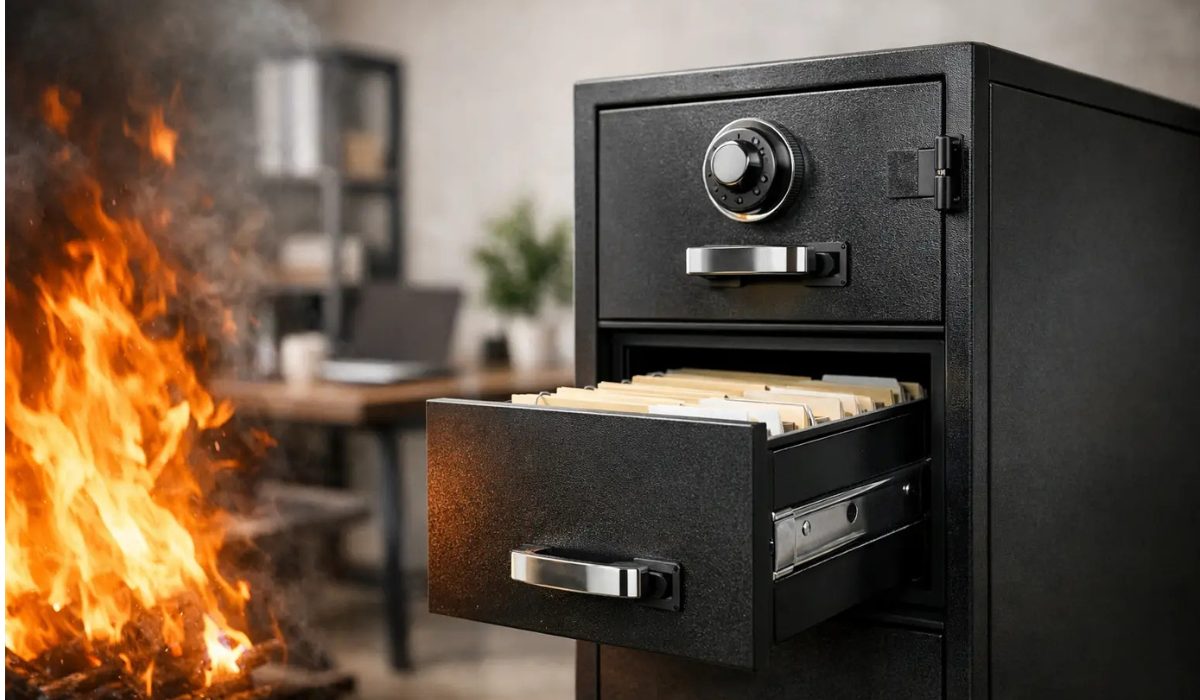
A fire file cabinet is designed to keep internal temperatures low enough to protect paper documents during a fire for a stated period of time. That sounds simple, but it separates true fire protection from standard metal filing cabinets that offer organization only. A basic steel file cabinet may look durable, yet it can transfer heat quickly and leave paper contents exposed when temperatures rise.
For most businesses, the goal is continuity. If a building fire disrupts operations, protected records can reduce insurance disputes, speed recovery, and keep you compliant with retention requirements. That matters in offices, medical practices, retail back offices, property management firms, schools, and any environment where original documents still carry legal or operational weight.
The right model also needs to support everyday use. If drawers stick, capacity is off, or staff cannot access files efficiently, people will work around the cabinet instead of using it properly. Protection only helps when the records are actually stored inside.
Fire ratings matter more than marketing claims
The first specification to check is the fire rating. This tells you how long the cabinet is designed to protect paper contents at a given temperature. In practical buying terms, many businesses compare one-hour and two-hour fire ratings first.
A one-hour cabinet may be enough for smaller offices in lower-risk environments, especially if the cabinet stores duplicate records rather than the only copy. A two-hour cabinet usually makes more sense when the contents are harder to replace, the building is larger, or fire department response times may vary. If the records are central to payroll, tax reporting, licensing, legal defense, or regulated operations, more fire protection is usually worth the added cost and weight.
Be careful with vague language like fire resistant or fireproof if it is not backed by a recognized test standard. Serious buyers should look for tested performance rather than broad claims. A product with a clear fire rating gives you a more reliable basis for comparison.
Paper records and media are not the same thing
This is a common buying mistake. A cabinet rated to protect paper documents is not automatically suitable for digital media, backup drives, or data tapes. Paper can tolerate higher internal temperatures than many electronic storage formats.
If your business keeps both paper records and digital media, you may need separate protection solutions. Putting USB drives or hard drives into a paper-rated file cabinet can create a false sense of security.
Size, drawer count, and workflow all affect the right choice
A fire file cabinet for business records should match both your archive volume and your daily filing habits. That means looking beyond footprint.
A two-drawer cabinet can work well for small offices, executive records, satellite locations, or departments that only keep active files on hand. It takes up less floor space and may be easier to place near a desk cluster or reception area.
A four-drawer unit is often the better fit for businesses with larger retention demands. It gives you more vertical storage and may reduce the need to split files across multiple cabinets. The trade-off is weight, cost, and placement flexibility. Fire-rated cabinets are significantly heavier than standard office furniture, so floor load, delivery access, and final installation location should be considered early.
Letter versus legal-size filing also matters. Some businesses assume they can adapt later, but retrofitting a poor size match slows down staff and wastes usable space. If your files include legal documents, permits, medical charts, or mixed-format records, make sure the drawer configuration supports that from day one.
Lock type should match access needs, not just preference
For many businesses, the cabinet is protecting records from both fire and unauthorized access. That makes lock selection more than a convenience feature.
Key locks are straightforward and familiar, but key control becomes a problem if too many copies circulate or if staff turnover is high. Mechanical combination locks can reduce key management issues, though they may be slower for teams that open drawers frequently. Electronic locks offer faster access and easier code changes in some environments, but they should be evaluated with the same seriousness you would apply to any secure entry point.
There is no universal best choice. A back-office retail environment may prioritize quick manager access. An HR office may place more value on tighter access control. A records room with limited personnel may do fine with a traditional locking setup. The better question is who needs access, how often, and how changes will be managed over time.
Fire protection always comes with trade-offs
Buyers sometimes expect a fire file cabinet to behave exactly like a lightweight office file cabinet. It will not.
Fire-rated models are heavier, often bulkier, and built with insulating materials that affect drawer feel and overall dimensions. That extra construction is what provides protection, but it also means you need to think about space planning, loading, and movement. If you expect to relocate the cabinet often, that is a point worth discussing before purchase.
Capacity can also be deceptive. Two cabinets with similar outside dimensions may not offer the same internal filing space because fire insulation takes room. This is why inside dimensions and filing format should be reviewed carefully instead of assuming external size tells the full story.
Then there is the security trade-off. Some businesses need stronger theft resistance along with fire protection, while others mainly need document survival in a building fire. A fire file cabinet can improve both, but not every model is built to the same burglary standard. If the cabinet will hold sensitive contracts, cash-related records, controlled paperwork, or high-risk data, construction details and lock quality deserve close attention.
Where a fire file cabinet fits in your broader records plan
Even a well-rated cabinet should be part of a larger protection strategy. That includes deciding which records truly need original hard-copy protection, how long they must be retained, and whether duplicate storage exists offsite.
Many businesses overstore low-value paper and understorage critical records. A better approach is to keep active and irreplaceable documents in the cabinet, move less critical archives to secondary storage, and maintain a clear retention schedule. That keeps the cabinet useful instead of overloaded.
Placement matters too. The cabinet should be accessible to the people who need it, but not exposed to unnecessary traffic or impact risk. If possible, place it in a controlled area away from obvious hazards. Also think about water exposure from sprinklers or firefighting activity. Fire protection is the headline feature, but post-fire conditions can damage records as well.
Questions worth asking before you buy
Before selecting a cabinet, it helps to get specific about your use case. How many active files need to be protected now, and what growth do you expect over the next few years? Are you storing paper only, or mixed media? Is the cabinet for shared office use, department-only access, or restricted management records? Do you need quick daily access, or is this primarily archival storage?
These questions narrow the field quickly and help you avoid paying for the wrong feature set. They also make it easier to compare brands and models on specifications that affect real performance, such as fire rating duration, dimensions, lock style, drawer layout, and total weight.
Buying with support can save you from the wrong cabinet
This is one of those categories where specifications matter enough that support is useful. A cabinet that looks right in a product photo can be wrong for your filing format, floor plan, delivery path, or protection requirement.
That is why many businesses prefer to buy from a security-focused retailer rather than treating the purchase like standard office furniture. At Secure Zoned, the goal is to match the cabinet to the risk, the record type, and the daily workflow so you are not forced into compromises after delivery.
A good fire file cabinet should feel boring in the best possible way. It should open when needed, protect what matters, and let your team focus on the work instead of worrying about what would happen after a fire. If you are choosing one for your business, start with the records you cannot afford to lose and let that drive the rest of the decision.