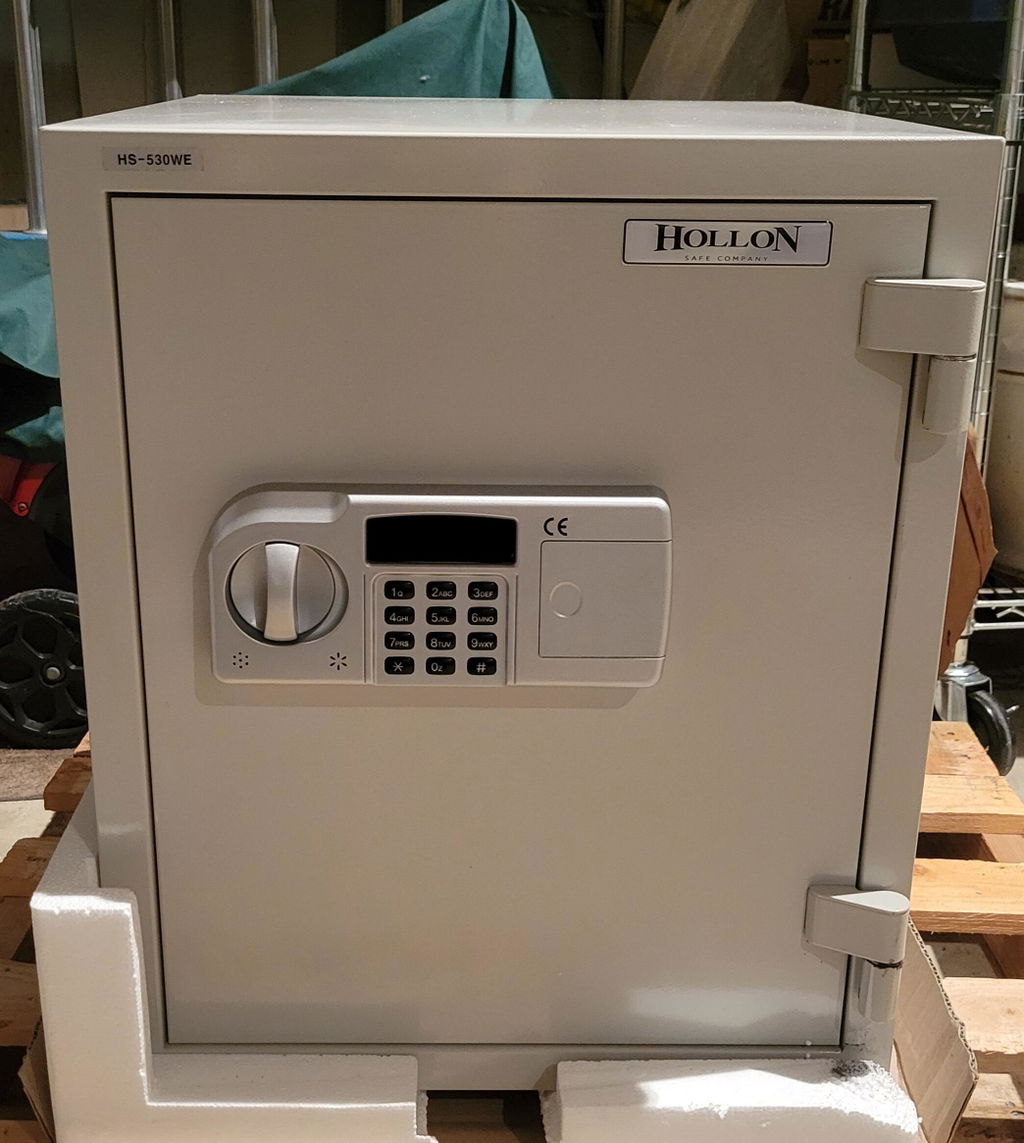
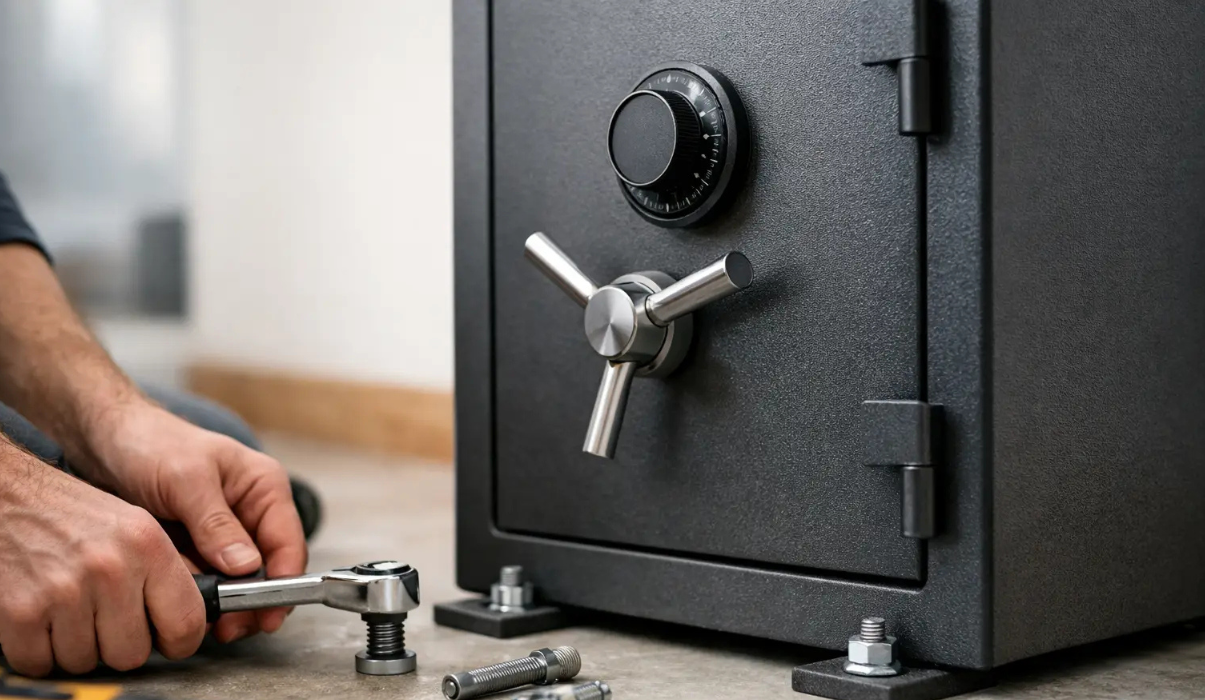
A safe that weighs 80 pounds can feel substantial until two people put a dolly under it and roll it out the door.
That is the real reason this question matters. When buyers ask, does a safe need to be bolted, they are usually trying to figure out whether the safe itself is enough protection or whether installation is part of the security system. In many cases, bolting is not just a good idea. It is one of the features that makes the safe perform the way you expect it to.
Does a safe need to be bolted in every case?
Not every safe must be bolted down, but many should be.
The short answer depends on the safe type, its weight, what you are protecting, and where it will be installed. A small handgun safe, an under-counter cash safe, and a full-size gun safe do not face the same risks. Neither does a 1,200-pound TL-rated safe compared with a 90-pound fire chest.
Bolting matters most when a safe can be tipped, carried, pried from vulnerable angles, or removed so a thief can attack it later in private. Even a well-built safe loses a major advantage if someone can simply take the entire unit.
That is why many manufacturers include anchor holes and mounting hardware options. They are not treating anchoring like an extra accessory. They are treating it as part of proper installation.
Why anchoring makes a safe more secure
Most residential thefts happen fast. A burglar usually wants the easiest win, not a prolonged fight with steel and concrete. If your safe is anchored, it becomes much harder to move, tip, or reposition for a pry attack.
That matters because many safes are more vulnerable when laid on their backs or sides. A thief who can tip a safe may gain better leverage at the door, hinges, or body seams. Anchoring helps prevent that. It also reduces the chance that a thief can load the safe into a vehicle and open it elsewhere with more time and better tools.
For gun safes, anchoring adds another layer of responsible storage. A safe that cannot be easily moved is less likely to be stolen with firearms still inside. For business safes, especially deposit safes and cash management units, anchoring can be essential because they are often installed in predictable locations where theft attempts are more deliberate.
When weight alone is enough - and when it is not
People often assume a heavy safe does not need to be bolted. Sometimes that is partly true, but weight can create false confidence.
If a safe weighs several hundred pounds, it is obviously harder to steal than a compact model. But hard is not the same as unlikely. Appliance dollies, pry bars, lifting straps, and multiple people can move more weight than most buyers expect. In a garage, retail back office, or first-floor room with direct exterior access, that risk goes up.
Very heavy burglary safes and TL-rated safes are a different category. These units may weigh enough that removal is far less practical, especially when placed on reinforced flooring or in controlled commercial spaces. Even then, anchoring may still be recommended by the manufacturer or required for insurance, compliance, or best-practice installation.
So weight helps, but it should not be treated as a substitute for anchoring unless the safe is truly in a class where removal is unrealistic.
Which safes should usually be bolted down
Small home safes are the clearest example. If the safe holds passports, jewelry, cash, or documents and weighs under a few hundred pounds, it should usually be anchored. Otherwise, a thief may treat it like a locked box to take home.
Handgun safes also benefit from secure mounting, especially bedside and vehicle-adjacent models used in the home. Quick access matters, but so does preventing unauthorized removal.
Gun and rifle safes should generally be bolted unless there is a specific installation reason not to. Their height makes them vulnerable to tipping, and their contents raise the stakes.
In-wall safes are secured differently because they are built into framing, but they still rely on proper installation. Floor safes are another case where the anchoring question changes, since they are usually set into concrete. For those products, the structure itself is part of the security.
Business safes, including depository, under-counter, and hotel safes, should almost always be anchored according to manufacturer guidelines. In commercial settings, predictable placement and repeated public access make stable installation especially important.
Situations where bolting may not be ideal
There are some cases where anchoring is not straightforward.
If you are in a rental property, you may not be allowed to drill into flooring. If the safe is being installed on a second floor, you also need to think about structural load and the type of surface below. Bolting a heavy safe into weak material does not create real security.
Some buyers also prioritize concealment over permanent mounting. A small safe hidden in cabinetry may be less visible, though concealment should not be confused with true theft resistance. A hidden but unanchored safe is still removable if found.
There are also fire-protection-focused products where the main goal is document survival, not burglary resistance. With those, the anchoring decision depends on theft risk in your environment. If the unit is small enough to carry, bolting is still worth serious consideration.
Best surfaces for anchoring a safe
Concrete is generally the best anchoring surface. It provides strong holding power and works especially well for heavier safes, gun safes, and commercial units.
Wood subfloors can work for certain home safes and residential gun safes, but the method matters. Anchoring should go into floor joists or other structural members when possible, not just into thin finish flooring. Tile, laminate, and carpet are surface materials, not the structure you are securing to.
Wall mounting is common for smaller safes, but it is usually secondary to floor anchoring unless the product is specifically designed for wall installation. For many safes, the floor provides the better theft-resistance base.
If you are not sure what is under the safe location, that is worth resolving before purchase or installation. The right anchor on the wrong substrate does not solve the problem.
Manufacturer guidance and fire ratings
One detail buyers sometimes miss is that anchoring can affect more than theft resistance. It can also affect warranty terms, installation compliance, and how the safe is expected to perform in testing-based scenarios.
Some fire-rated safes have designated anchor points engineered to preserve the fire barrier while still allowing secure installation. Others may require specific methods so you do not compromise the body or door seals. Drilling your own holes where none are intended is not the same as using factory-prepared anchor locations.
This is where product-level guidance matters. A safe with pre-drilled anchor holes, included hardware, reinforced bolt-down points, and clear floor-mount instructions is telling you something about how it should be used.
How to think about bolting before you buy
The better question is often not does a safe need to be bolted, but what happens if it is not.
If the answer is that the safe could be carried off, tipped for leverage, or removed with firearms, cash, records, or controlled items still inside, then anchoring should be part of the purchase plan, not an afterthought. If the safe is extremely heavy, in a controlled commercial location, or structurally integrated like a floor safe, the decision may be different.
It also helps to match the safe to the installation site before you order. Safe dimensions, weight, door swing, floor type, and access path all matter. A buyer may choose a safe with better steel, a higher fire rating, or a trusted lock type, but if it cannot be installed correctly, those advantages are only partial.
That is why support matters. At Secure Zoned, installation questions are part of choosing the right safe, not something to figure out after delivery. The right model should fit both the threat level and the space where it will actually protect what matters.
A safe is strongest when the product and the installation work together. If you are investing in real protection, bolting is often what turns a heavy box into a fixed security asset.